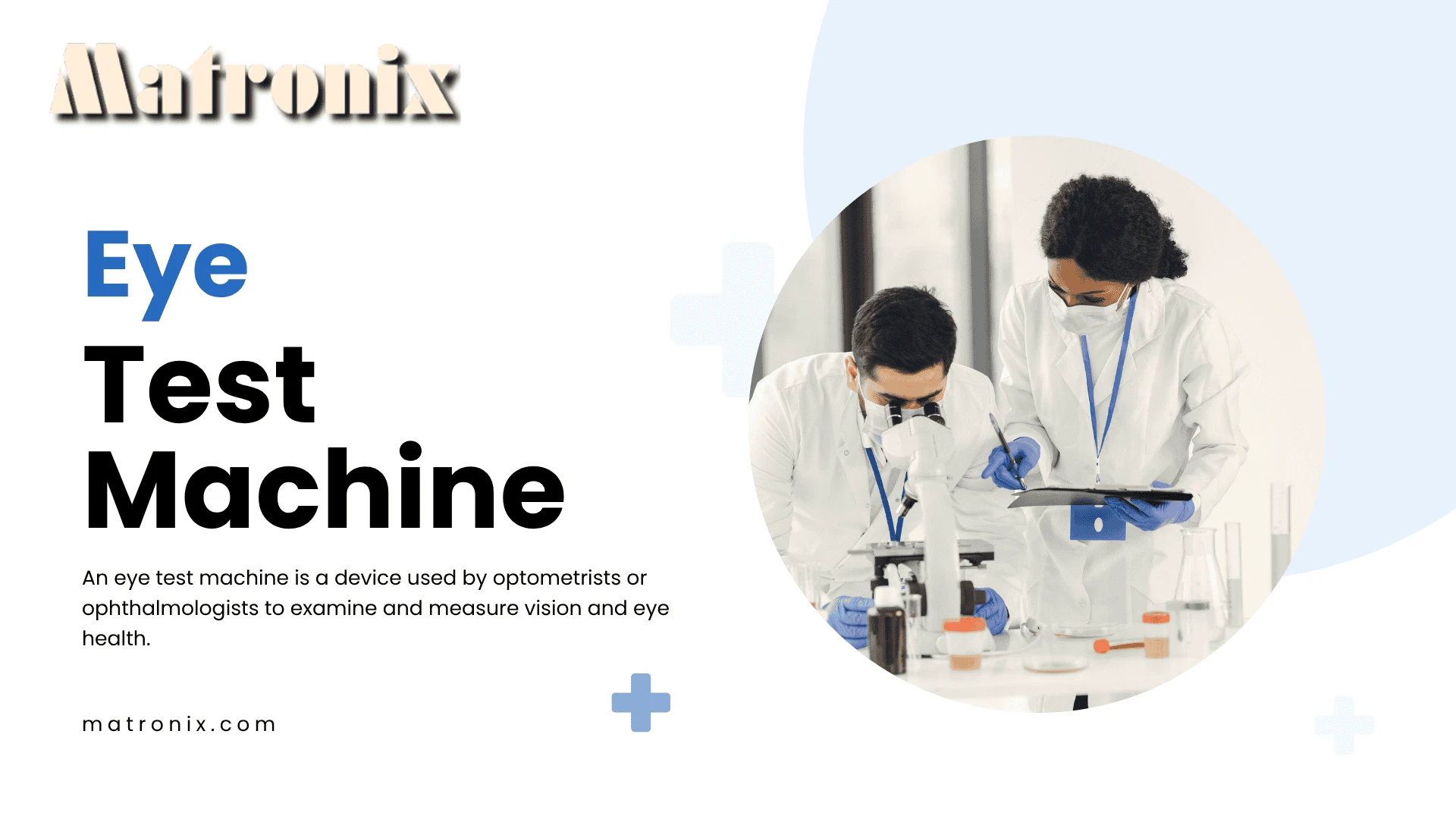

The Shift Toward Automated Eye Care
Vision measurement is a critical foundation of eye care, influencing everything from prescription eyewear to the early detection of ocular conditions. Traditionally, eye examinations relied heavily on manual techniques and practitioner experience. While effective, these methods could be time-consuming and prone to variability. Today, automation is transforming vision measurement by enhancing accuracy, consistency, and efficiency. With advanced digital technologies, eye care professionals can now deliver more precise results while improving patient comfort and workflow.
Understanding Traditional Vision Measurement Limitations
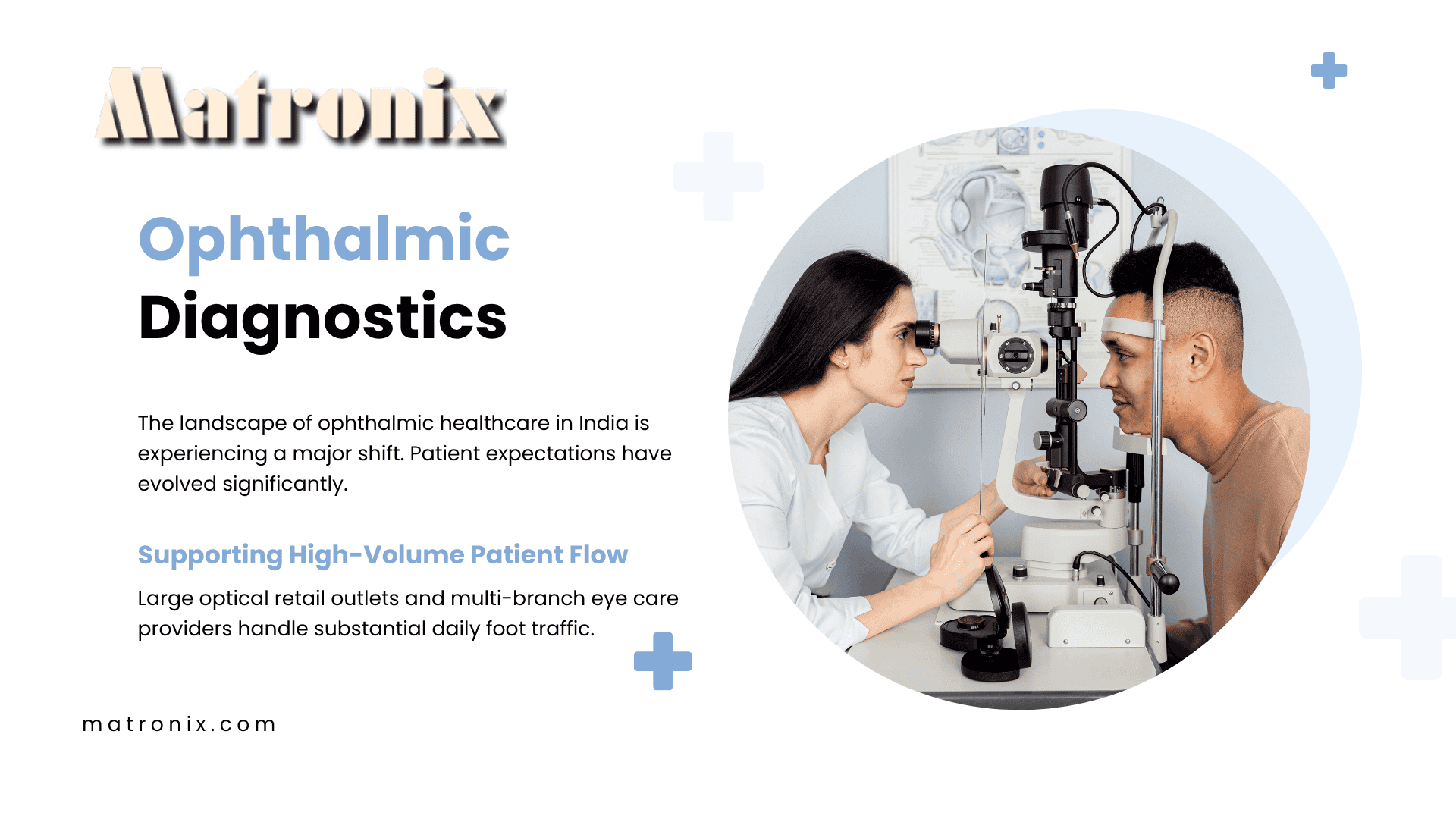
Manual vision testing has long been the standard in optometry and ophthalmology. However, it depends on patient responses, practitioner skill, and environmental factors. Subtle inconsistencies in lighting, positioning, or subjective feedback can influence results. Additionally, manual refraction often requires multiple steps, increasing the chance of human error and prolonging examination time. These challenges have driven the adoption of automated systems designed to minimize variability and improve diagnostic confidence.
The Role of Automation in Modern Vision Measurement
Automation introduces digital sensors, intelligent algorithms, and real-time data processing into eye examinations. These systems are designed to objectively analyze how light interacts with the eye, reducing dependence on subjective patient input. By capturing accurate measurements within seconds, automated devices help practitioners make faster, more reliable decisions. This shift is particularly valuable in high-volume clinics, optical chains, and outreach programs where efficiency and consistency are essential.
Enhanced Precision Through Digital Technology
One of the most significant advantages of automation is improved precision. Automated vision measurement systems use advanced optics and computerized analysis to detect even minor refractive errors. This level of detail allows eye care professionals to prescribe corrective lenses with greater accuracy. The precision offered by an auto refractometer ensures consistent results across multiple examinations, helping practitioners track vision changes over time with confidence.
Improved Consistency Across Examinations
Consistency is vital in vision care, especially for patients requiring regular follow-ups. Automated systems standardize the testing process, ensuring that measurements are taken under the same conditions every time. This uniformity reduces inter-operator variability and helps clinics maintain high-quality standards regardless of who conducts the test. As a result, patients receive reliable assessments that support better long-term eye health management.
Faster Examinations and Better Patient Experience
Automation significantly reduces examination time without compromising accuracy. Faster measurements mean shorter waiting times and smoother clinic operations. For patients, especially children, elderly individuals, or those with limited attention spans, quick and non-invasive testing improves comfort and cooperation. A positive experience encourages regular eye check-ups, which is essential for early detection of vision issues.
Supporting Early Detection and Preventive Care
Accurate vision measurement plays a crucial role in identifying refractive errors and potential eye conditions at an early stage. Automated systems can detect subtle deviations that may go unnoticed in manual testing. Early detection allows practitioners to recommend timely interventions, preventing further deterioration of vision. This proactive approach aligns with the growing emphasis on preventive eye care in modern healthcare systems.
Integration With Digital Health Records
Another key benefit of automation is seamless integration with electronic medical records and practice management systems. Automated vision measurement devices can store and transfer data digitally, reducing paperwork and minimizing transcription errors. This integration enables better record-keeping, easier data analysis, and improved continuity of care. Clinics can also use stored data to monitor trends and enhance clinical decision-making.
Expanding Access to Quality Vision Care
Automation is also helping expand access to vision care in underserved areas. Portable and user-friendly automated systems allow basic vision assessments to be conducted outside traditional clinic settings. This capability supports community screening programs, school eye check-ups, and rural healthcare initiatives. By delivering accurate measurements with minimal training requirements, automation helps bridge gaps in eye care accessibility.
The Future of Automated Vision Measurement
As technology continues to evolve, automated vision measurement systems are expected to become even more intelligent and adaptable. Advances in artificial intelligence and data analytics will further enhance diagnostic accuracy and personalization. These innovations will empower eye care professionals to deliver highly customized solutions while maintaining efficiency and consistency.
Conclusion: A New Standard in Vision Accuracy
Automation is redefining how vision measurement is performed, setting new benchmarks for accuracy, speed, and reliability. By minimizing human error, standardizing procedures, and improving patient experiences, automated systems have become an essential part of modern eye care. As adoption continues to grow, automation will play a central role in delivering precise, accessible, and high-quality vision measurement for patients worldwide.




























Sign in to leave a comment.