

Modern eye care depends heavily on accurate clinical decision-making. Every diagnosis, treatment recommendation, and follow-up strategy is based on the quality of information gathered during the examination process. As eye diseases become increasingly complex and patient expectations continue to rise, healthcare professionals require detailed diagnostic insights to make informed and effective decisions.
Detailed eye analysis has become a cornerstone of contemporary ophthalmic practice because it provides clinicians with a deeper understanding of ocular health. By examining the eye's structures with greater precision, practitioners can identify abnormalities earlier, evaluate disease progression more accurately, and develop personalized treatment plans that improve patient outcomes.
The growing emphasis on evidence-based healthcare has further increased the importance of detailed diagnostic assessments in everyday clinical practice.
Understanding Detailed Eye Analysis
Detailed eye analysis refers to a comprehensive evaluation of ocular structures and visual function using advanced diagnostic technologies and examination techniques. Rather than focusing solely on visual acuity, modern eye assessments examine multiple aspects of eye health to provide a complete clinical picture.
These evaluations typically include assessment of:
- Corneal integrity
- Anterior segment structures
- Lens clarity
- Ocular surface health
- Refractive status
- Signs of inflammation or disease
A thorough understanding of these factors allows clinicians to identify subtle abnormalities that may influence diagnosis and treatment decisions.
Why Clinical Decision-Making Requires Precision
Clinical decisions directly impact patient outcomes. An inaccurate diagnosis or incomplete assessment can lead to inappropriate treatment, delayed intervention, or progression of disease.
Detailed eye analysis improves precision by:
- Providing comprehensive diagnostic information
- Reducing uncertainty during evaluation
- Supporting objective clinical judgments
- Improving consistency between examinations
- Enhancing confidence in treatment recommendations
The more information available to clinicians, the better equipped they are to select the most appropriate management strategy for each patient.
Supporting Early Disease Detection
Many ocular diseases develop gradually and may not produce noticeable symptoms in their early stages. Conditions such as glaucoma, cataracts, corneal disorders, and ocular surface diseases often begin with subtle changes that require detailed examination for identification.
Early detection provides several important advantages:
- Timely intervention
- Better treatment outcomes
- Reduced risk of vision loss
- Lower long-term healthcare costs
- Improved quality of life
Detailed analysis allows practitioners to recognize these changes before they become clinically significant, supporting more proactive patient care.
Enhancing Diagnostic Accuracy
Accurate diagnosis is one of the most important goals of any eye examination. Advanced diagnostic tools enable clinicians to evaluate ocular structures with greater detail and clarity than traditional examination methods.
Enhanced diagnostic accuracy contributes to:
- More reliable findings
- Better treatment selection
- Reduced likelihood of misdiagnosis
- Improved monitoring of disease progression
- Greater patient confidence
Accurate information serves as the foundation for all subsequent clinical decisions.
Importance of Advanced Diagnostic Technology
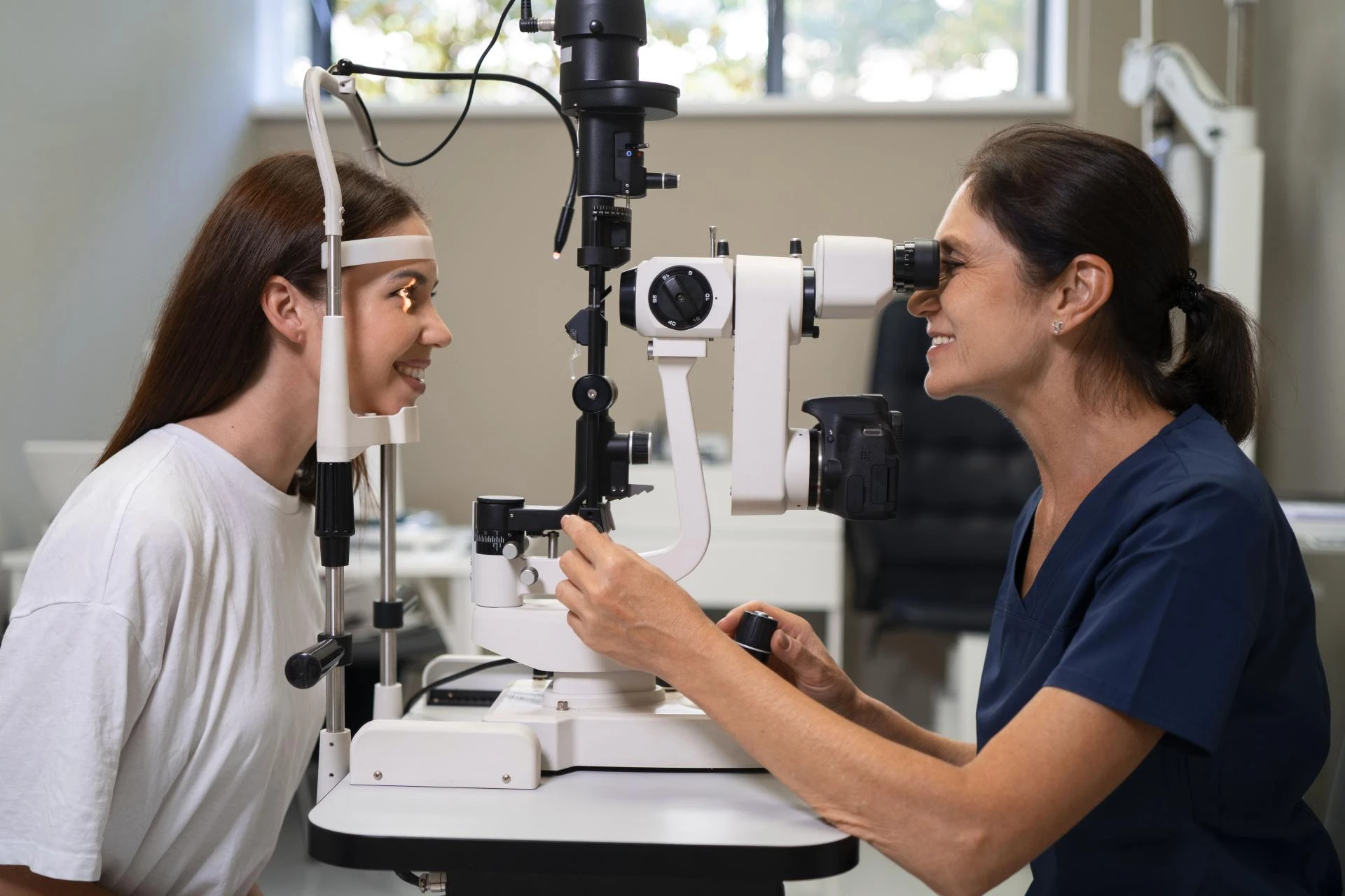
Modern ophthalmology relies heavily on advanced technology to support comprehensive eye analysis. High-quality diagnostic equipment provides detailed visualization and precise assessments that improve clinical efficiency and effectiveness.
Companies such as Matronix Optotechnik support eye care professionals by offering advanced ophthalmic diagnostic solutions designed to facilitate detailed examination of anterior eye structures. Their technologies help clinicians perform comprehensive evaluations while maintaining efficient workflows and high standards of patient care.
The integration of advanced diagnostic instruments allows practitioners to gather critical information quickly and accurately.
Improving Treatment Planning
Effective treatment planning requires a complete understanding of a patient's ocular condition. Detailed analysis provides clinicians with the information necessary to develop personalized treatment strategies that address specific clinical needs.
Comprehensive assessments help practitioners:
- Determine disease severity
- Select appropriate therapies
- Monitor treatment response
- Adjust management plans when needed
- Predict potential complications
This individualized approach leads to more effective care and improved patient outcomes.
Evaluating Disease Progression
Many eye conditions require long-term monitoring. Detailed eye analysis enables clinicians to track changes over time and evaluate whether a condition is stable, improving, or worsening.
Regular assessments support:
- Accurate comparison of findings
- Identification of progression patterns
- Timely modification of treatment plans
- Improved long-term disease management
Monitoring disease progression is essential for preserving vision and maintaining overall ocular health.
Healthcare facilities often assess factors such as performance capabilities, durability, imaging quality, and slit lamp price when investing in diagnostic systems that support comprehensive clinical evaluations and long-term patient care.
Improving Patient Communication
Detailed diagnostic findings can also improve communication between clinicians and patients. When practitioners have access to clear visual information and documented findings, they can explain conditions more effectively.
Improved communication helps patients:
- Understand their diagnosis
- Recognize the importance of treatment
- Participate in care decisions
- Follow recommendations more consistently
Patients who understand their condition are often more engaged in maintaining their eye health.
Enhancing Clinical Confidence
Clinical confidence is closely linked to the quality of diagnostic information available. When practitioners have access to detailed and reliable examination data, they can make decisions with greater certainty.
This confidence contributes to:
- More efficient consultations
- Faster diagnosis
- Improved treatment recommendations
- Better patient trust
- Enhanced clinical outcomes
Reliable diagnostic information supports evidence-based care and reduces unnecessary uncertainty.
The Role of Preventive Eye Care
Preventive care has become a major focus in modern healthcare. Detailed eye analysis helps identify risk factors and early abnormalities before symptoms develop, allowing clinicians to intervene before significant vision loss occurs.
Preventive assessments can reveal:
- Early structural changes
- Ocular surface abnormalities
- Signs of developing disease
- Risk indicators for future complications
This proactive approach supports long-term vision preservation and overall patient well-being.
Future Trends in Eye Analysis
Technological innovation continues to advance the capabilities of ophthalmic diagnostics. Artificial intelligence, digital imaging systems, and automated analysis tools are expected to further improve the accuracy and efficiency of eye examinations.
Future developments may provide:
- Faster diagnostic workflows
- Enhanced disease prediction
- Improved data integration
- More personalized treatment planning
- Greater accessibility to advanced eye care
These innovations will continue to strengthen the role of detailed eye analysis in clinical decision-making.
Conclusion
Detailed eye analysis plays a critical role in improving clinical decision-making by providing accurate, comprehensive, and reliable diagnostic information. Through enhanced visualization, early disease detection, precise treatment planning, and effective monitoring, comprehensive assessments help clinicians deliver higher-quality care and achieve better patient outcomes. As ophthalmic technology continues to evolve, detailed diagnostic evaluation will remain an essential component of modern eye care and evidence-based clinical practice.


























Sign in to leave a comment.