

Accurate lens prescription is one of the most important outcomes in modern eye care. Even a minor error in measurement can lead to discomfort, headaches, blurred vision, or poor adaptation to corrective lenses. With growing demand for precision in vision correction, advanced eye measurement technologies have become essential in ensuring that every prescription delivers optimal clarity and comfort.
Today’s ophthalmic practices are no longer dependent only on manual methods. Instead, they rely on digital measurement systems that significantly improve accuracy, reduce variability, and support better clinical decision-making.
Importance of Precision in Lens Prescription
The human eye is highly sensitive to even slight changes in optical power. A difference of 0.25 diopters can affect visual clarity and overall comfort. That is why precise measurement of refractive errors is crucial before prescribing lenses.
Traditional refraction methods depend on subjective responses from patients, which can introduce inconsistencies. Factors such as fatigue, communication barriers, and environmental conditions often affect the reliability of results. As a result, modern eye care increasingly relies on automated systems to improve accuracy.
Shift Toward Advanced Eye Measurement Technology
Advanced eye measurement systems use optical sensors, digital imaging, and computerized analysis to evaluate refractive errors with high precision. These technologies reduce dependency on subjective interpretation and instead focus on objective data.
Key advantages include:
- Higher measurement consistency
- Reduced human error
- Faster diagnostic process
- Improved repeatability across sessions
- Enhanced reliability in prescription generation
This shift has significantly improved the quality of lens prescriptions in both clinical and optical retail environments.
Role of Modern Diagnostic Equipment in Eye Care
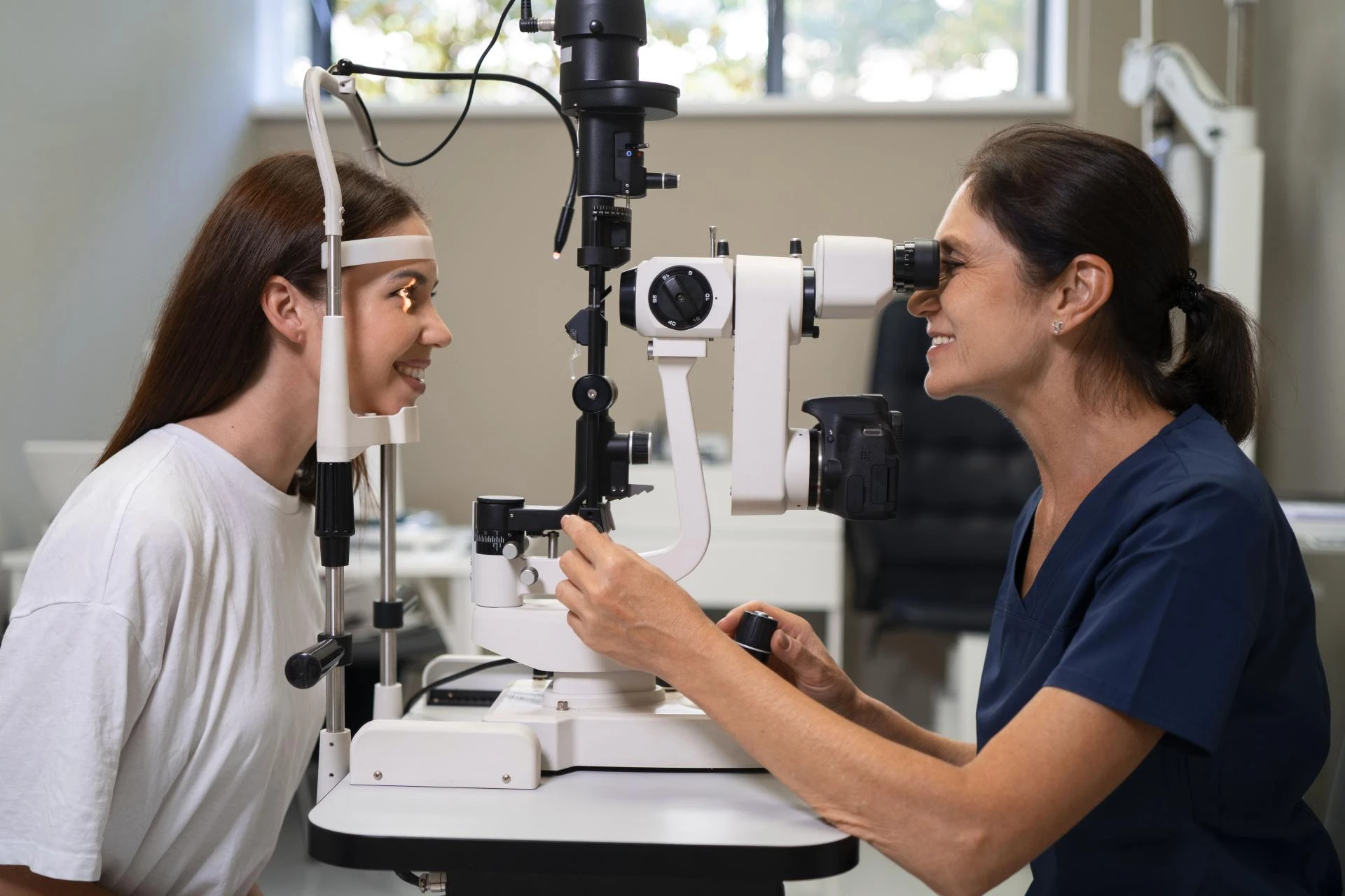
Modern ophthalmic equipment has transformed how eye care professionals assess and prescribe vision correction. These systems are designed to automate the measurement process while maintaining high accuracy standards.
Manufacturers such as Matronix Optotechnik have played a key role in advancing this field. Their diagnostic solutions are widely used in clinics, optical centers, and vision screening programs. These systems are engineered to deliver consistent results while simplifying workflow for practitioners.
By integrating advanced measurement technology, eye care providers can ensure that every patient receives a more precise and reliable lens prescription.
Objective Measurement and Its Impact on Lens Accuracy
One of the biggest improvements brought by modern systems is the shift from subjective to objective measurement. Unlike manual refraction, which depends on patient feedback, digital systems analyze light reflection patterns from the eye to determine refractive errors.
This approach helps eliminate variability caused by:
- Patient interpretation errors
- Examiner bias
- Fatigue during long testing sessions
- Environmental lighting differences
The result is a more stable and repeatable measurement that directly improves lens accuracy.
Integration of Automated Refractive Systems
Automated refractive systems are now widely used in eye care settings to improve diagnostic precision. These systems perform rapid eye measurements and generate detailed refractive data that can be used for prescription refinement.
One such innovation in this category is the autorefractometer, which provides quick and objective measurement of refractive errors. It has become an essential tool in modern optometry because it reduces dependency on manual procedures and increases efficiency in patient evaluation.
Enhancing Efficiency in Clinical Workflow
Advanced eye measurement technology not only improves accuracy but also enhances clinical efficiency. Automated systems reduce the time required for testing, allowing practitioners to serve more patients without compromising quality.
Benefits to workflow include:
- Faster patient processing
- Reduced manual adjustments
- Simplified data recording
- Seamless integration with digital records
- Improved consistency across multiple examinations
These improvements are particularly valuable in high-volume clinics where time management is essential.
Improving Patient Experience and Comfort
Modern eye measurement systems also enhance patient comfort by reducing the length and complexity of examinations. Patients no longer need to undergo repeated manual lens adjustments or lengthy subjective testing sessions.
This leads to:
- Shorter examination time
- Less visual fatigue
- Improved cooperation during testing
- Better overall satisfaction
A smoother testing experience often results in more accurate data, as patients are more relaxed and responsive.
Reducing Errors in Lens Manufacturing and Dispensing
Accurate eye measurement directly impacts the quality of lenses produced. When refractive data is precise, lens manufacturers can create corrective lenses that match the patient’s visual needs more effectively.
Improved measurement accuracy helps reduce:
- Lens remakes due to incorrect prescriptions
- Customer dissatisfaction
- Adjustment errors in progressive lenses
- Return rates in optical stores
This ensures better outcomes for both patients and optical professionals.
Expanding Access to Reliable Eye Care
Advanced measurement systems are also making eye care more accessible. Portable and digital devices allow screenings in remote areas, schools, and community health camps. This helps identify vision problems early and ensures timely correction.
With the availability of modern diagnostic tools, eye care is no longer limited to specialized hospitals. It is becoming more widespread and inclusive.
Data-Driven Improvements in Eye Care
Another important advantage of modern systems is their ability to store and analyze patient data. This enables long-term tracking of vision changes and helps practitioners make informed decisions about treatment.
Data-driven insights allow for:
- Monitoring progression of refractive errors
- Identifying early signs of vision deterioration
- Adjusting prescriptions based on historical data
- Improving long-term eye health management
This transforms eye care into a more proactive and predictive discipline.
Future of Eye Measurement Technology
The future of eye measurement is expected to integrate artificial intelligence, cloud computing, and real-time analytics. These advancements will further improve diagnostic accuracy and enable personalized vision correction solutions.
As technology continues to evolve, eye care professionals will have access to even more precise tools that enhance both efficiency and patient outcomes.
Conclusion
Advanced eye measurement plays a crucial role in improving lens accuracy by reducing human error, enhancing objectivity, and streamlining clinical workflows. Modern diagnostic systems ensure that prescriptions are more precise and reliable, leading to better visual comfort for patients.
With contributions from innovators like Matronix Optotechnik, eye care professionals now have access to advanced tools that significantly elevate the standard of vision correction. As technology continues to progress, the accuracy and reliability of lens prescriptions will continue to improve, benefiting both practitioners and patients alike.






























Sign in to leave a comment.