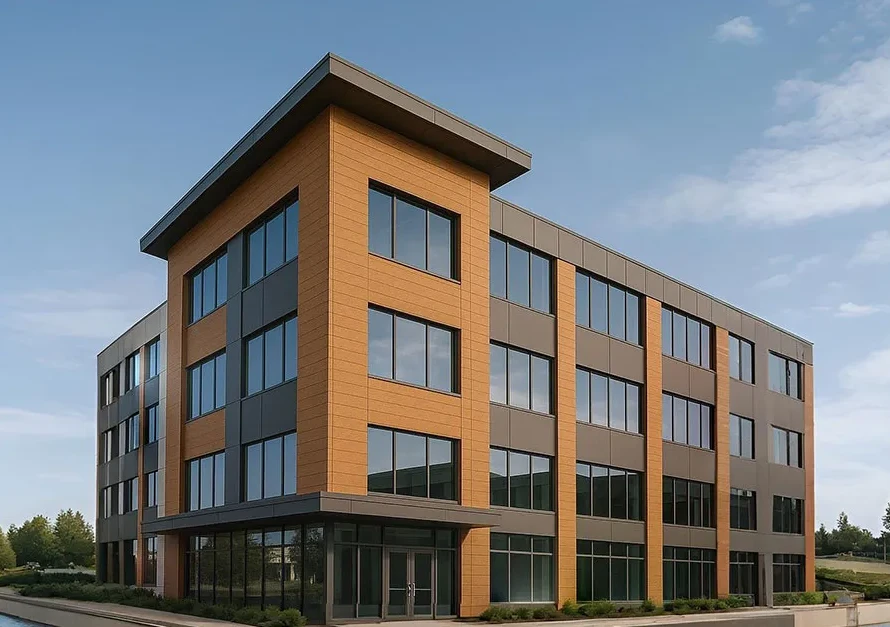

Summary:
In India’s climate, where scorching heat, heavy monsoons, and pollution test every building’s strength, surface coatings play a crucial role in ensuring long-term durability. Modern construction now depends on materials that are not only strong but also resistant to environmental damage. One of the most reliable materials for this purpose is ACP sheets, known for their advanced protective coatings that guard against fading, corrosion, and wear. This article explains how surface coatings work, the technologies behind them, and why they are essential for building durability in Indian conditions.
What role do surface coatings play in building protection?
Surface coatings act as the first line of defense between a building and the environment. They protect structures from rain, UV rays, humidity, and pollutants that can damage surfaces over time. In India, where temperature variations can range from 5°C in the north to 45°C in the south, unprotected materials quickly deteriorate.
Advanced coatings on ACP sheets are designed to handle these extremes. They form a thin, durable layer that resists weathering and prevents color fading caused by sunlight exposure. This ensures that the building maintains its appearance and structural strength for years, reducing the need for frequent repainting or replacement.
How do advanced coating technologies work?
Modern coating technologies use a combination of polymers, resins, and metallic finishes to create a protective film. Some of the most common types include:
- PVDF (Polyvinylidene Fluoride) coating: Offers excellent resistance to UV radiation and chemical corrosion.
- Polyester coatings: Provide good gloss and flexibility for interior applications.
- Nano-coatings: Use nanotechnology to enhance surface smoothness and make the material resistant to dirt and moisture.
When applied to ACP sheets, these coatings create a smooth, non-porous surface that repels dust, water, and pollutants. The result is a cleaner, more vibrant façade that stands up well against India’s tough weather conditions.
Why is this especially important for Indian climates?
India’s diverse climate zones pose serious challenges to building materials. Coastal cities like Chennai or Mumbai deal with salt-laden air that causes corrosion, while northern cities like Delhi face high pollution and temperature extremes. In such conditions, untreated surfaces often fade, peel, or crack within a few years.
ACP sheets with advanced surface coatings overcome these challenges. They prevent oxidation, protect from acid rain, and resist fading even in direct sunlight. For instance, buildings using PVDF-coated panels can retain their color and shine for up to 15 years, even in high UV exposure areas.
What are the benefits of using coated composite panels?
The advantages go beyond appearance. Buildings benefit from several practical improvements:
- Longer lifespan: Coatings extend the material’s life by protecting it from corrosion and wear.
- Lower maintenance: Dirt and water resistance reduce cleaning frequency.
- Improved safety: Fire-retardant coatings help prevent flame spread.
- Enhanced energy efficiency: Reflective coatings reduce heat absorption, keeping interiors cooler and saving energy.
- Sustainability: Many coatings are eco-friendly and help reduce waste from frequent replacements.
For commercial and residential projects alike, these benefits make ACP sheets a cost-effective and future-ready choice.
How do coated materials contribute to design flexibility?
Architects today look for materials that combine performance with beauty. Advanced coatings make this possible by offering a variety of finishes — from metallic, matte, and wooden textures to mirror and marble effects.
These finishes allow designers to experiment with modern facades without compromising on quality. For example, a matte finish can give a minimal, elegant look to an office building, while a brushed metallic finish adds sophistication to luxury residences. ACP sheets offer all these possibilities in lightweight, easy-to-install panels.
Are advanced coatings environmentally friendly?
Sustainability has become an important part of building design in India. Many surface coatings used today are low in volatile organic compounds (VOCs), reducing environmental harm. Additionally, ACP sheets are recyclable, and their coatings contribute to longer lifespans, minimizing material waste.
Energy-efficient coatings also reduce the need for artificial cooling, which supports India’s goal of creating more energy-conscious buildings in line with green building standards like GRIHA and IGBC.
What does the future hold for coating technology in construction?
The next generation of coatings focuses on smart and self-cleaning materials. Nano-coatings, for example, are becoming popular because they repel dust and moisture naturally. In the coming years, we can expect to see coatings that actively repair minor scratches or resist bacterial growth — perfect for hospitals, schools, and high-traffic commercial spaces.
As India’s urban landscape evolves, such innovations will define how buildings look, feel, and perform.
Conclusion:
Surface coatings have moved from being decorative to essential. They protect, preserve, and enhance the performance of modern structures. For Indian builders and homeowners, choosing the right coating means safeguarding their investment against time and weather. ACP sheets stand out as one of the most effective materials for this purpose, combining beauty with strength through advanced coating technology.
Alumina ACP continues to lead the way by producing high-quality panels designed to withstand India’s diverse climates while maintaining superior aesthetics and durability.























Sign in to leave a comment.