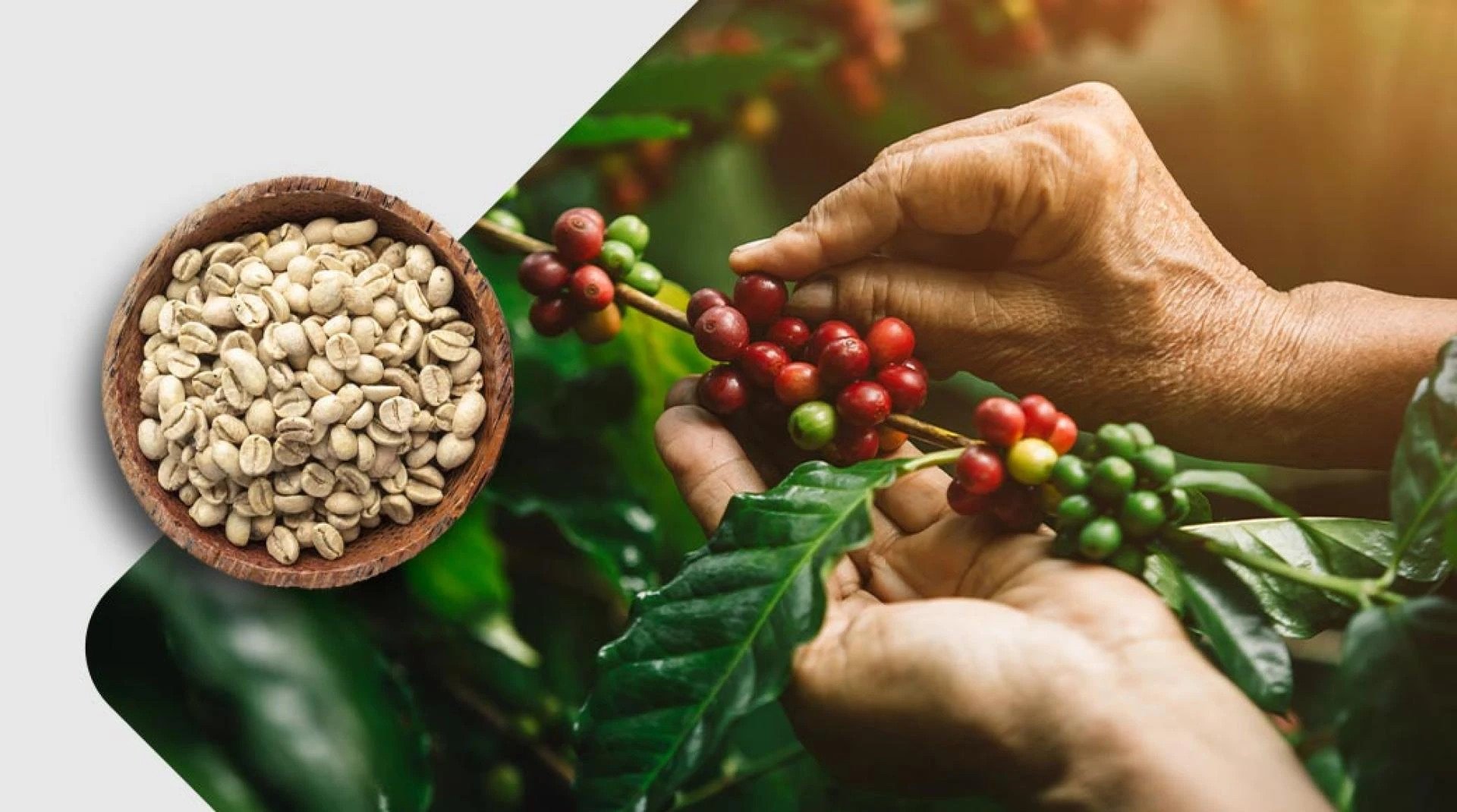
Green coffee, the raw state of coffee beans before roasting, is often seen as a living product. Green coffee still changes over time, similar to wine or cheese. But, how does aging affect the flavor of your coffee drink, specifically specialty coffee flavor notes? What is the result of premium Arabica coffee beans sitting on the shelf for months, sometimes years? So, let’s explore how the aging process of green coffee impacts flavor and overall cup quality.
What Is Aged Green Coffee?
Aged green coffee is simply unroasted beans that have been aged for a long time, generally over a year. This might seem like maltreatment of the beans but aging is an intentional process. In the past, traders were forced to age coffee beans during their long sea voyages, and some producers still age coffee today in a controlled manner for a specific flavor profile.
The Role of Storage Conditions
Aging green coffee is not just about letting time pass. The way beans are stored makes a huge difference. Temperature, humidity, airflow, and exposure to light all play a role. Beans stored in cool, stable, and dry conditions tend to age more gracefully. Poor storage can lead to stale or musty notes.
For premium Arabica coffee bean varieties, it is vital for maintaining quality during storage. These beans are prized for their complex aromas and clean cup characteristics, which can degrade quickly under poor conditions.
Flavor Changes Over Time
Fresh green coffee can have a crisp and vibrant flavor profile. It possesses brighter acidity and clearer and more prominent specialty coffee flavor notes - floral, fruity, and nutty.
But as time goes by, these qualities start to diminish. Here is what usually happens to flavor, as green coffee ages:
Loss of Brightness: Acidity has a tendency to decrease, which can cause the coffee to taste flat, muted, or stale.
Aroma Change: Fresh, crisp aromas may degrade into earthy, woody, or muddy aromas.
Baggy or Musty Flavors: If the green coffee is stored improperly, beans may pick up unwanted odors.
Reduced Sweetness: Natural sugars found in beans can degrade, which may produce a cup that tastes more bitter.
These qualities dull the uniqueness of a premium Arabica coffee bean, which relies on its well-defined taste notes.
Is Aged Coffee Always Bad?
There are some aging techniques, specifically from places like India or Indonesia, where green beans are allowed to mellow. This will create a heavier, syrupy body with low acidity. Not everyone will enjoy these flavor characteristics, but some coffee lovers do potentially enjoy the aged characteristics of coffee.
However, most specialty coffee flavor notes require fresh coffee. And some roasters and baristas often want green beans that are less than 12 months old.
Final Thoughts
Aging green coffee is a fine line to walk. When done correctly, it can produce exciting, new flavor notes. When done incorrectly, the aging process can dull the delicate aspects of a premium Arabica coffee bean. For roasters, café owners, or coffee enthusiasts, understanding how coffee changes over time will better help you make sourcing and brewing decisions.
Next time you indulge in a cup with rich flavor notes, keep in mind that it all began with a green bean and the entire journey it went through before roasting.


























Sign in to leave a comment.