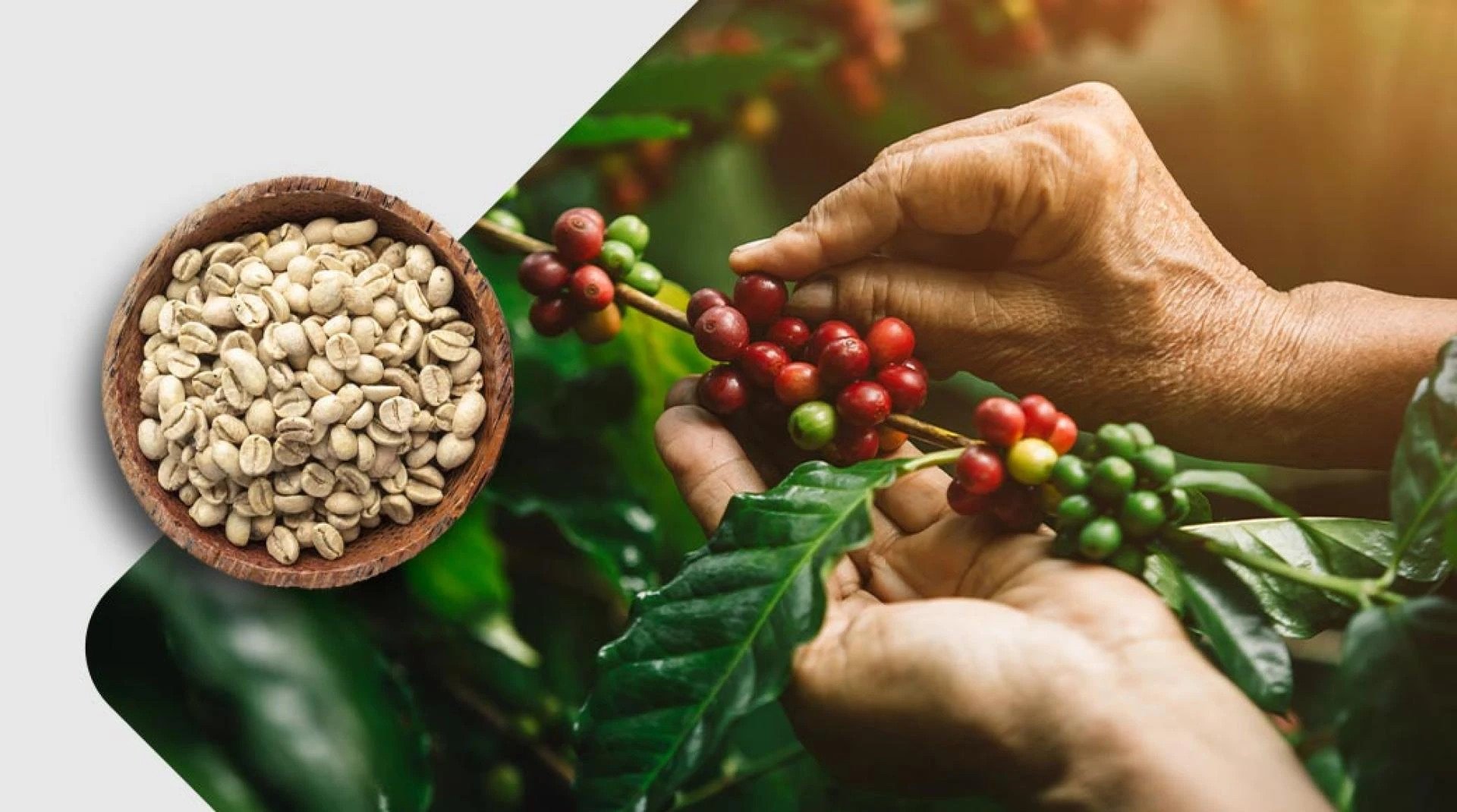
Coffee is difficult not only to transport and produce, but it also has a long journey. Coffee beans travel from high-altitude farm in South America to cafés and kitchens throughout the globe, and they are not just flavor-producing items, it is also about the future of the ever-evolving communities that produce it. All players within the coffee landscape, including coffee importers, have the great opportunity to affect positive change and a long lasting impact for farming communities. But, how? Let's look!
Understanding the Role of Coffee Importers
Coffee importers are the link between farmers and coffee consumers. They source, purchase and sell coffee beans, often connecting with roasters from cooperatives and individual farmers. Importer's buying decisions directly impact the lives of thousands of families. That is why ethically sourced and transparently-sourced and justly paid practices are so important.
Importers who are completely transparent and put the emphasis on fair prices, prices regardless of market fluctuations, and long term partnerships are not simply buying coffee; they are making investments in people. The fact that they are paying farmers as close to a fair price as possible is extremely important to interrupt cycles of poverty and improve a reliable and quality supply chain.
Building Long-Term Partnerships
Relationships are important. When coffee importers create direct relationships with farmers, they are able to do more than just buy beans. They can provide training, introduce new farming methods, and fund community projects.
For example, when importing coffee beans from Bolivia, the importer will be able to source the beans directly from smallholder farms. This way they ensure that those growers had access to international markets that otherwise would be unreachable. In return for supporting sustainable growers who rely on a complex supply chain for high-quality beans to be traceable, both were efficiently working towards mutual benefit. Building similar relationships or networks of companies can only help both parties grow and succeed in the longer term.
Investing in Sustainability and Innovation
Coffee farming is deeply affected by climate change. Rising temperatures, unpredictable rainfall, and pests threaten crop yields. Importers can support climate-smart agriculture by funding research and introducing eco-friendly farming tools.
They can also work with certification bodies like Fairtrade or Rainforest Alliance to ensure the beans meet global sustainability standards. These practices not only protect the planet but also help farmers future-proof their crops and incomes.
Providing Access to Market Insights
Many small-scale farmers have little access to information about market demands. Importers can help by sharing data on trends, quality expectations, and pricing. This empowers farmers to make informed decisions about their crops, processing methods, and business growth.
By being transparent about what buyers want, importers help farmers become more competitive—and more profitable.
Strengthening Communities Through Education and Health
Importers can support broader community welfare. Many support schools, health- clinics or clean water initiatives in the areas they source from. These continue to build resilient, prosperous communities.
As coffee beans importer China, businesses can look for more than just profits. They can source responsibly and develop human-focused relationships to support a global movement towards ethical trade.
Embracing Wholesale to Broaden Impact
Importers buying green coffee beans in wholesale have scale and purchasing power that can positively impact the entire coffee industry. This allows them to finance large-scale sustainability initiatives, build co-operatives, and demand higher standards regarding the environment and social systems of their suppliers.
By purposely deciding to create change in every transaction, coffee importers can impact the world in more ways than commodity trading. They can impact lives, futures, and create a better world through their work.


























Sign in to leave a comment.