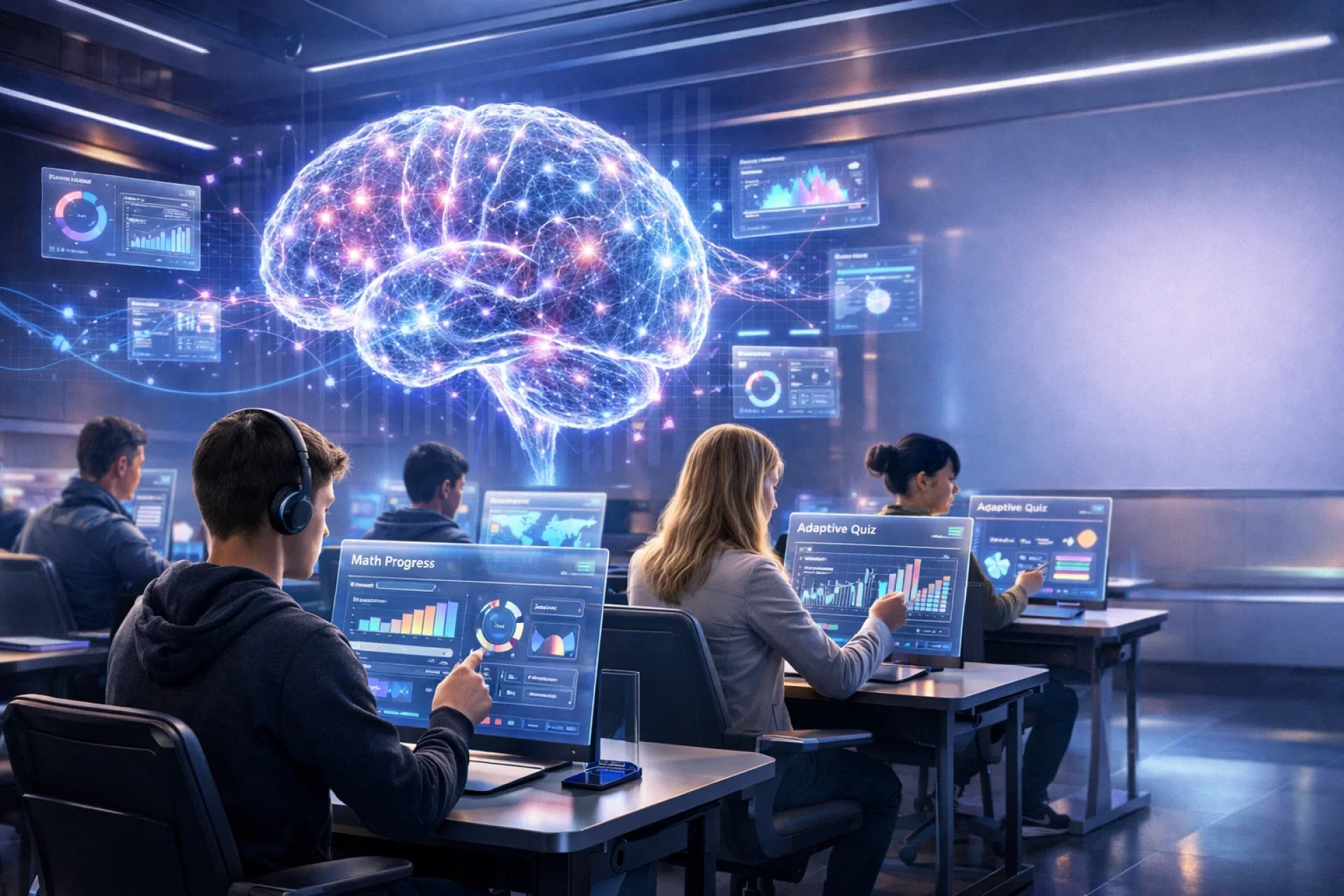
The modern classroom is evolving rapidly, and artificial intelligence (AI) is at the forefront of this transformation. Teachers today juggle multiple responsibilities—from lesson planning and grading to administrative duties and student support. AI is emerging as a powerful tool to help educators streamline these tasks, allowing them to focus more on teaching and less on paperwork.
Automating Grading for Efficiency
Grading is one of the most time-consuming tasks for teachers. Manually assessing assignments, quizzes, and exams can take hours, particularly in large classrooms. AI-powered grading tools can automatically evaluate student work, especially objective assessments like multiple-choice tests. These tools provide instant results, reduce human error, and ensure fair and consistent evaluation. By automating grading, teachers gain valuable time to engage in interactive lessons and provide personalized support for students.
Streamlining Administrative Tasks
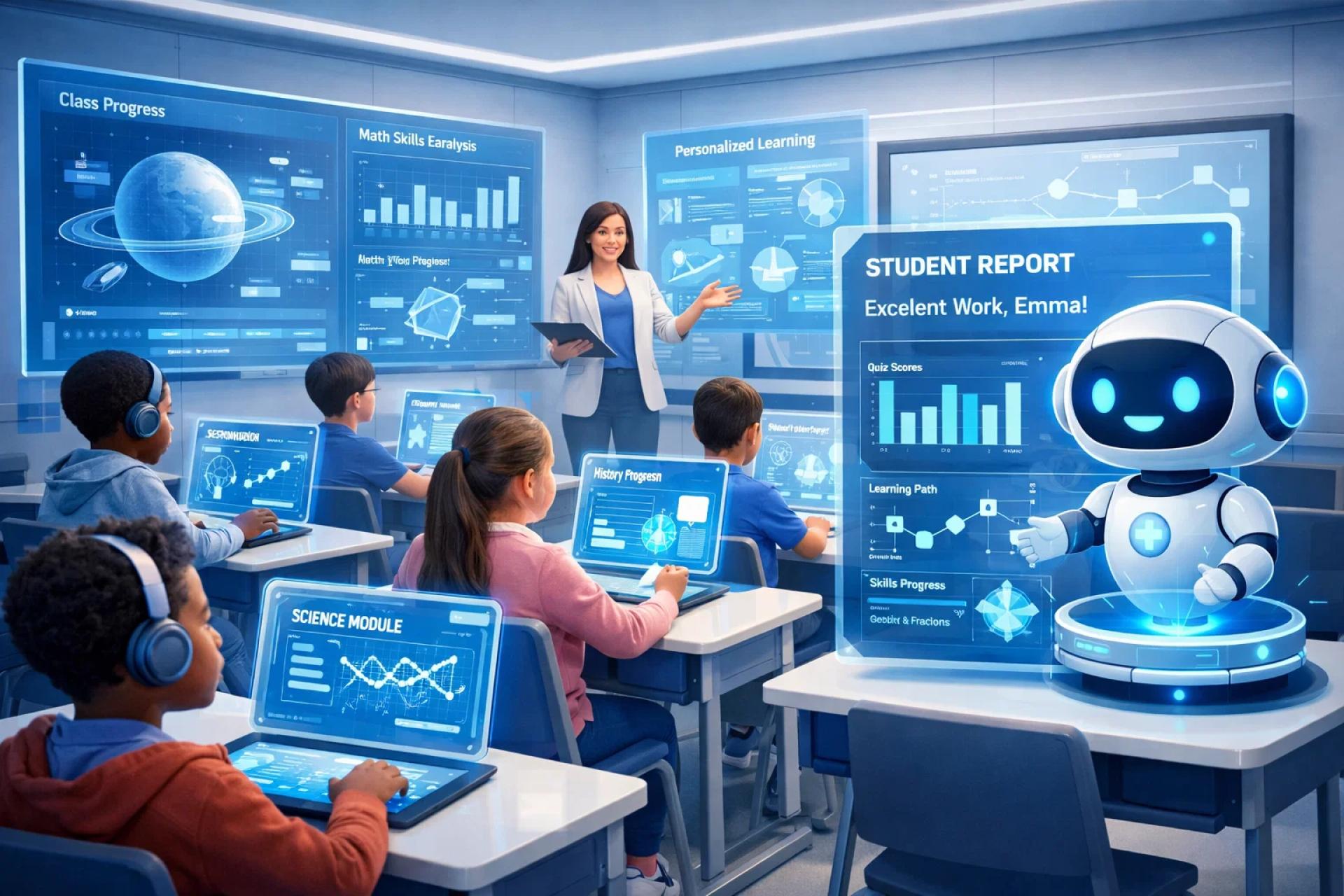
Beyond grading, AI simplifies many administrative duties. Tasks such as attendance tracking, performance monitoring, and report generation often occupy a significant portion of a teacher’s day. AI-driven platforms can handle these processes efficiently, offering insights about student progress, identifying learning gaps, and helping educators make data-driven decisions. This level of automation enhances classroom management and reduces the daily administrative burden on teachers.
Personalized Learning with JoraIQ
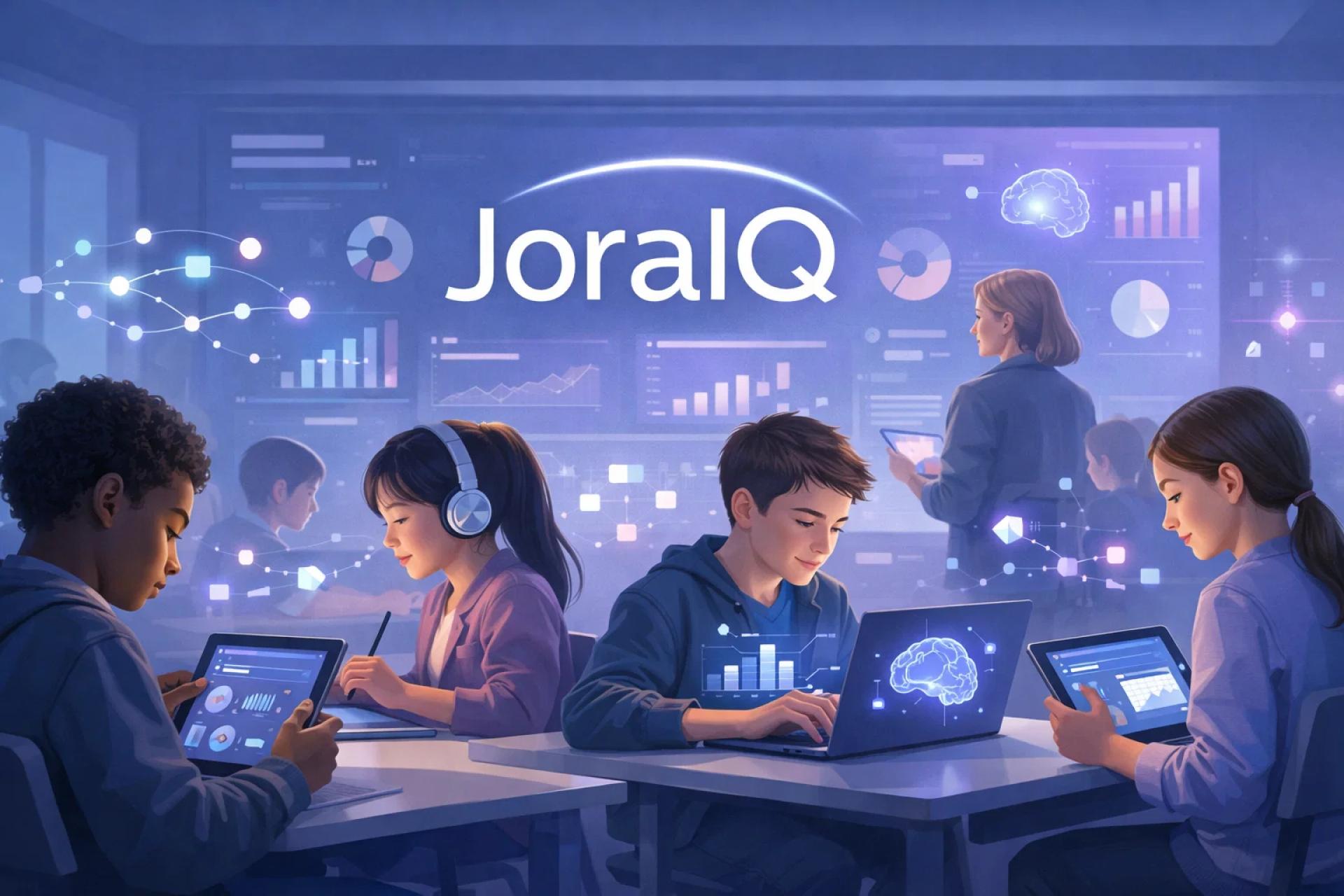
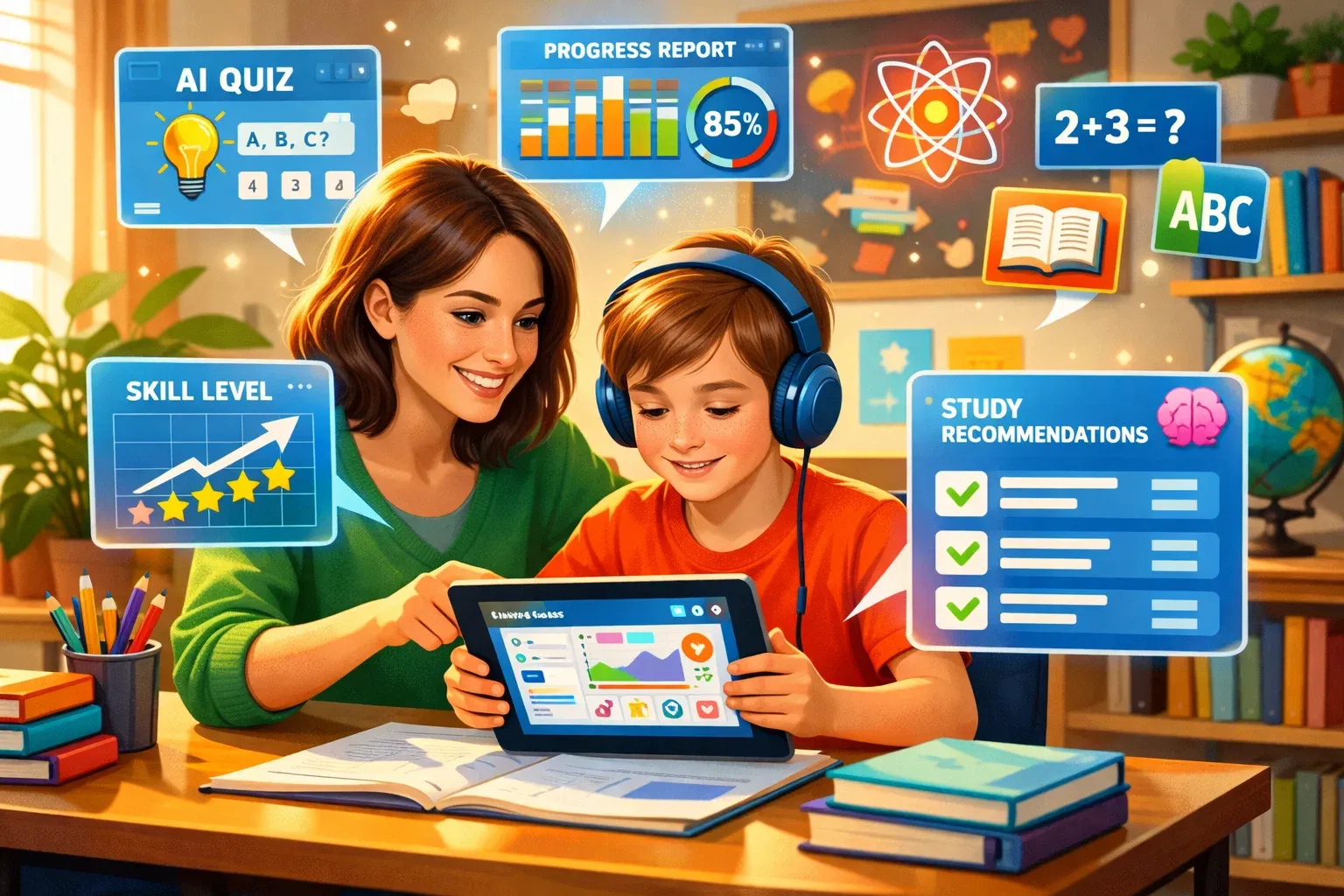
JoraIQ, a brand specializing in artificial intelligence for school students, demonstrates the real potential of AI in education. The platform provides personalized learning paths for students while helping teachers monitor progress effortlessly. With JoraIQ, educators can quickly identify areas where students are struggling, track overall classroom performance, and receive actionable insights—all from a single platform. This not only saves time but also empowers teachers to focus on teaching rather than managing paperwork.
Real-Time Feedback and Student Engagement
AI also enables real-time feedback for students. Instead of waiting days for assessments to be processed, learners receive instant insights into their performance. This immediate feedback motivates students and allows teachers to quickly address misconceptions. By letting AI handle repetitive tasks, educators can adopt a more proactive approach, designing lessons tailored to individual needs rather than sticking to a generic, one-size-fits-all plan.
Enhancing Collaboration and Communication
AI supports collaboration between teachers, students, and parents. Platforms integrated with AI can automate notifications about student progress, facilitate parent-teacher communication, and provide data-driven recommendations for curriculum improvements. By reducing the manual workload, AI allows educators to invest more time in fostering critical thinking, creativity, and problem-solving skills in their students.
Conclusion
AI is reshaping education by helping teachers save significant time on grading and administrative work. Platforms like JoraIQ show how artificial intelligence for school students can enhance productivity, improve learning outcomes, and create more engaging classrooms. By embracing AI, educators can focus on what truly matters: nurturing the next generation of learners.

Sign in to leave a comment.