

“The power of artificial intelligence is so incredible, it will change society in some very deep ways.”- says Microsoft co-founder Bill Gates.
Artificial intelligence, as the world knows, entered our lives and has been transforming them for good ever since. In the magical world of computer science, artificial intelligence is a wide-ranging branch that is concerned with building smart machines and software capable of performing tasks that require human intelligence.
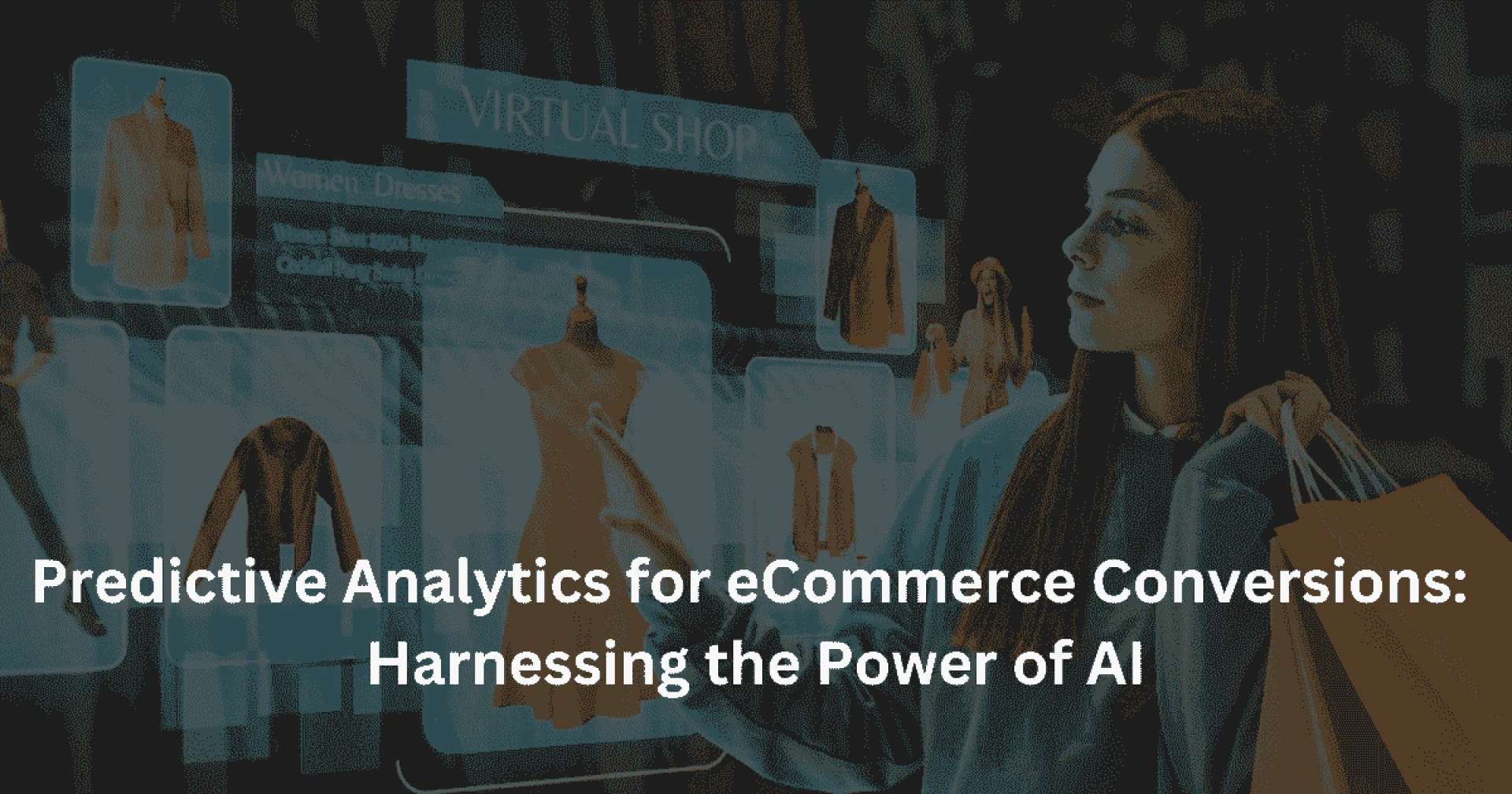
AI, with its promising technology and ever-growing popularity, is creating a paradigm shift in almost every tech industry lately. And when we say every industry, it’s almost a sin to miss out eCommerce industry.
Do you know in the past few years, AI has enhanced the eCommerce experience from head to toe? Whether it’s identifying different patterns of customer shopping behavior or creating a more personalized shopping experience for them, AI comes to the aid and generates demand for eCommerce businesses.
However, these are not the only ways AI is transforming eCommerce. Ever since its inception, AI is helping eCommerce businesses to grow and prosper in the long run in innumerable ways. We will discuss all about AI’s role in transforming eCommerce in the next sections. So, stay glued.
Why are businesses using AI in eCommerce increasingly?
The new generation of shoppers is actively looking for enhanced shopping experiences through personalization. They don’t want to browse through thousands of irrelevant products and want personalized product recommendations, quick order fulfillment, and a seamless checkout experience. And you must have figured out how businesses are keeping up with this need- through AI in eCommerce, of course!
The number of eCommerce businesses adopting AI has touched the sky in the past few years. In fact, according to reports, 77% to 83% of the retailers plan to adopt some kind of AI technology trend in their business operations by 2022-2025.
The stats clearly show that the use of Artificial intelligence in eCommerce is only going to increase. Also, the sooner eCommerce businesses adopt AI, the better.
AI is used in eCommerce businesses to generate demand. How? Let’s find out!
The development of AI technology over the past few decades has made it a potent tool for increasing sales and streamlining business processes. There are a few notable ways AI is helping generate demand for eCommerce businesses, and we will have a look at them here.
So, here we begin with the ways AI generates demand for eCommerce.
Offering personalized shopping experiences
Analyzing, tracking, and creating content for every visitor at every stage is next to impossible without artificial intelligence. B2Bs have been reluctant to adopt artificial intelligence in eCommerce to offer more personalized services lately, and the results are pretty much evident.
No matter where the visitor is in the sales funnel, using AI in B2B marketing creates a unique experience for them. Moreover, it enables businesses to maximize the ROI using minimal technology. Thus, incorporating AI in B2B eCommerce is the pathway toward offering personalized services and ultimately generating more demand.
Adaptive content hubs for AI
eCommerce businesses are adopting adaptive content hubs for AI in B2B marketing. Now, what does that mean? Let us give you the context first. When it comes to providing information about your brand through blogs, normal blogs are not easy to navigate.
The visitors need to find the information they are looking for in your system, and when they can't find what they are looking for, they might escape and find their way to a competitor which you can’t afford at all. But, an adaptive content hub can help here.
An adaptive content hub collects data from a variety of sources, such as the current visitor, previous visitors who may have been similar to the one in question, and third-party data sources; and provides a really unique experience.
AI enables optimized pricing
Pricing plays an important role not just in B2B but B2C businesses as well. If a business fluctuates the prices depending upon the supply, demand and various other factors, they can analyze what works the best for their business. However, doing this manually could be time-consuming. But thanks to AI, which can do it effectively.
When the customer data is accessible, AI technology can predict the right price of the product as well as the right percentage of discount to offer on that product. Consequently, this results in maximum sales and revenue generation.
Trend forecasting using AI
Using AI in eCommerce has a lot of benefits, and this is one of them. One of the reasons businesses are using AI is because it does its job well at predicting the future so that the businesses can offer more relevant and personalized services.
Furthermore, businesses are using it to predict their future sales and demand patterns according to customer behaviors. With AI, they are now succeeding at planning their inventory, handling the increasing demand efficiently, and preparing the delivery time accordingly.
Enhancing the shopping experience with chatbots
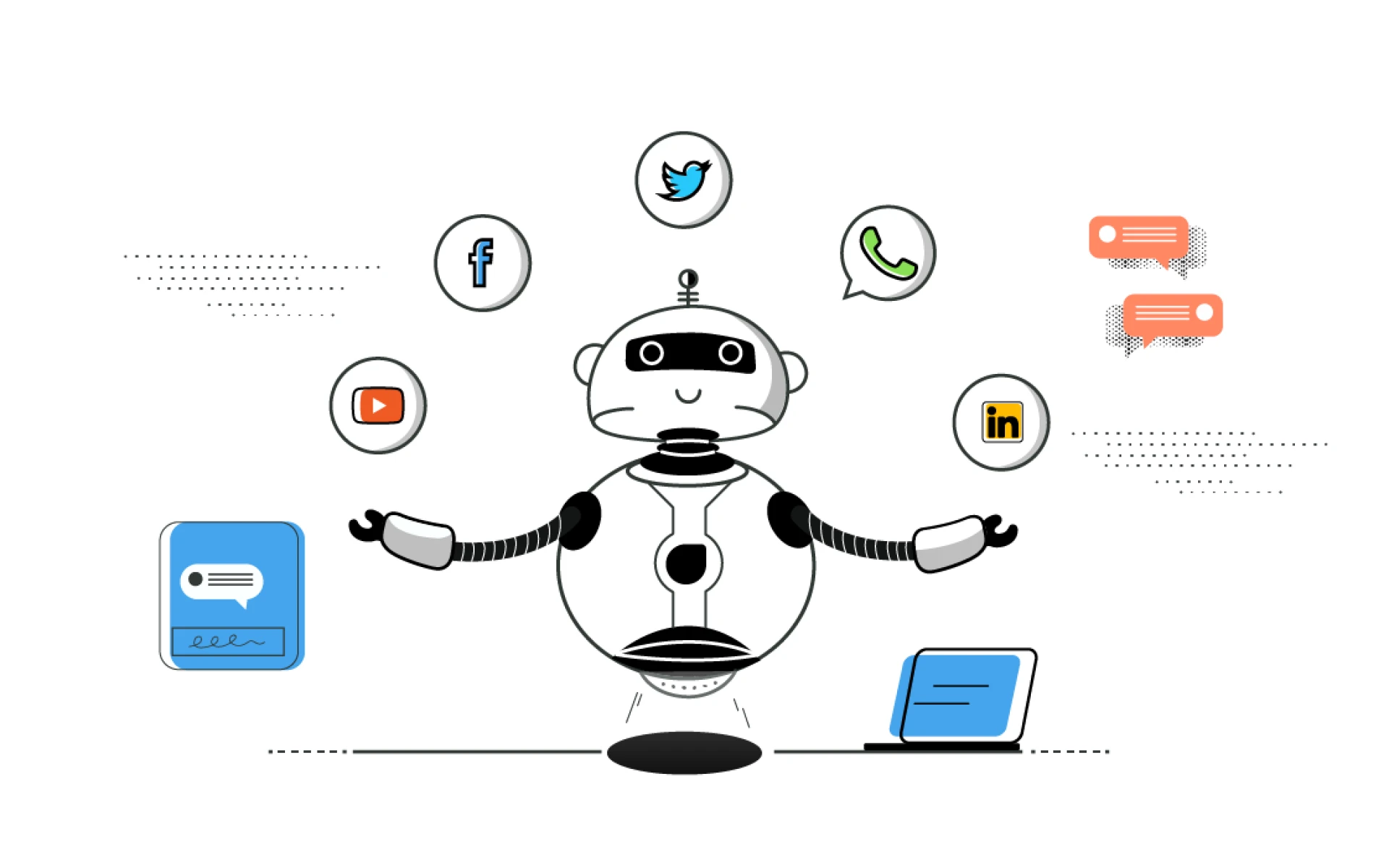
eCommerce shoppers like it the best when their queries and questions are addressed on time. That’s what Chatbots are known for. With the help of AI and chatbots, businesses can respond to their customers 24*7, and it’s a truth universally acknowledged that better customer service will lead to more conversions and sales.
Furthermore, Chatbots can also direct the customers to other product pages or FAQs pages. They do this so that they get the best possible answer to their questions and experience the best-personalized services.
Use AI in eCommerce and generate head-turning demand.
AI is here to stay and revolutionize B2B eCommerce for years to come. There’s no denying the fact AI’s contribution in improving the demand generation strategy in eCommerce. Remember the days of downloading data sheets, examining data minutely, and using that information to create relevant content? Those days are long gone, with the inception of AI.
With AI, providing a personalized experience to each and every visitor in real-time has been streamlined. Moreover, as a result, the B2B buyers and shoppers are more than happy and satisfied.
So, we come to the conclusion that using AI in Retail is the way to go if you want to deliver the best B2B shopping experience, enhance your demand generation and offer the most personalized eCommerce experiences to your potential customers.









Sign in to leave a comment.