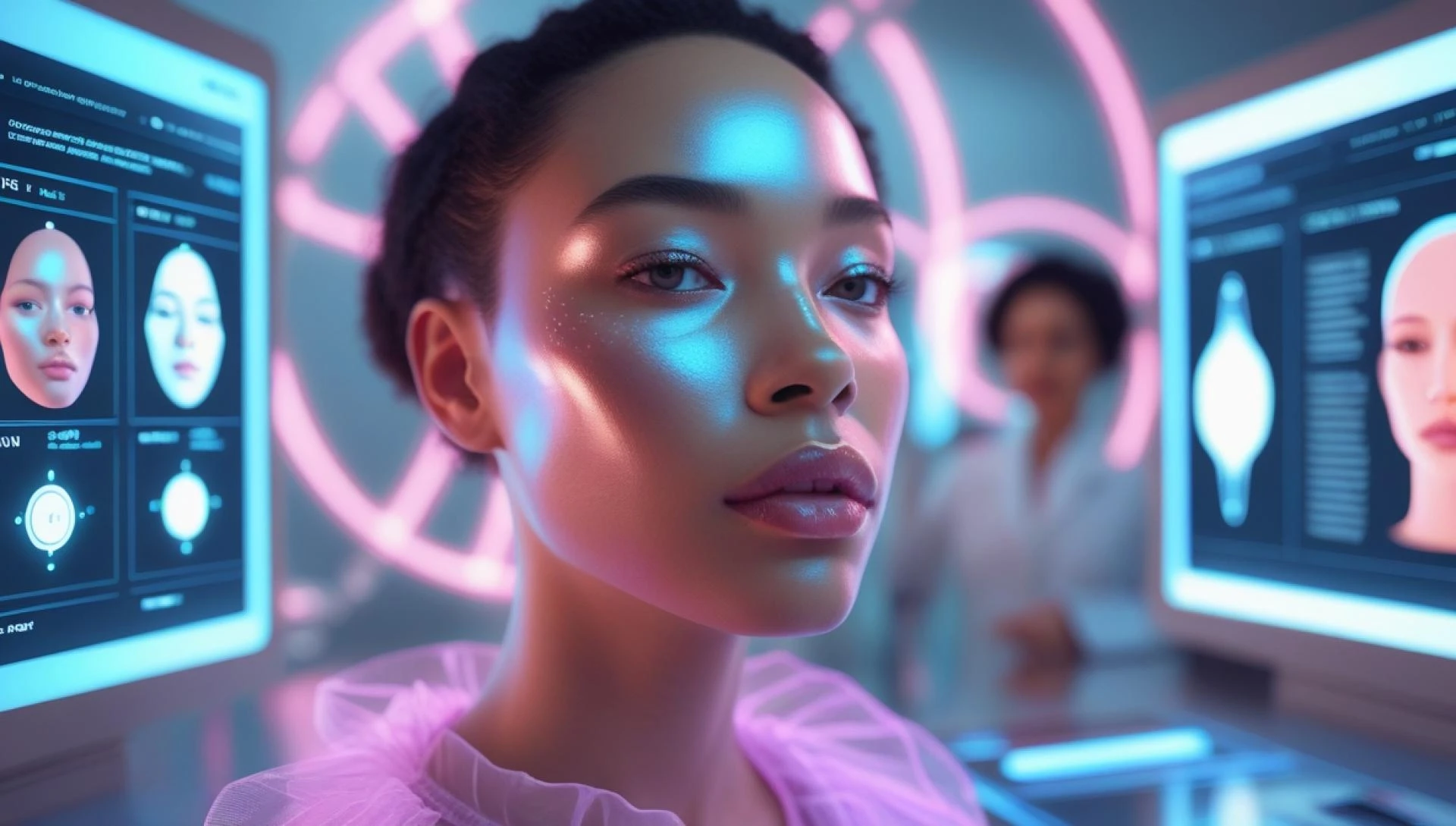
Understanding your skin type is the foundation of an effective skincare routine. Yet many people still rely on guesswork, trends, or trial-and-error product testing to determine what their skin truly needs. This approach often leads to irritation, breakouts, dryness, or wasted money on unsuitable products. Today, artificial intelligence has transformed this process. AI-powered skin analysis tools now offer a more accurate, data-driven way to evaluate your skin and guide your decisions.
Traditional methods of identifying skin type usually involve simple observations—whether your face feels oily at the end of the day, whether it flakes in colder weather, or how it reacts to new products. While helpful, these observations remain subjective. Lighting conditions, climate, diet, stress levels, and hormonal changes can all affect what you see in the mirror. AI changes this by analyzing measurable indicators such as pore size, oil distribution, redness, texture irregularities, and pigmentation patterns through advanced image processing.
A modern skin analysis app uses machine learning algorithms trained on thousands of dermatologically reviewed images. When you upload a clear photo, the system evaluates your skin against established patterns. Instead of relying on assumptions, it provides structured feedback based on visual data. This approach removes much of the uncertainty and gives you a clearer understanding of whether your skin is oily, dry, combination, sensitive, or balanced.
Why Identifying Your Skin Type Matters
Choosing the wrong skincare products often does more harm than good. For example, someone with dry skin who uses a foaming cleanser designed for oily skin may experience tightness and irritation. Similarly, applying heavy creams on oily skin can clog pores and trigger breakouts. Correctly identifying your skin type ensures that you select products with compatible ingredients and formulations.
AI-powered skin analysis helps detect subtle characteristics that people often overlook. Combination skin, for instance, may display oiliness in the T-zone and dryness on the cheeks. Without careful assessment, you might treat your entire face as either oily or dry, leading to imbalanced care. AI tools detect these variations and recommend targeted adjustments.
Moreover, skin type can change over time. Age, environment, and lifestyle all influence your skin’s behavior. What worked five years ago may no longer suit your needs. By using digital analysis tools periodically, you can monitor shifts and adapt your routine accordingly.
How AI Skin Analysis Works
AI skin analysis relies on computer vision and deep learning. When you submit a facial image, the system maps different zones of your face and evaluates specific parameters:
- Sebum levels: Shine and oil concentration
- Pore visibility: Size and density
- Texture consistency: Smoothness or roughness
- Pigmentation: Dark spots or uneven tone
- Redness: Signs of sensitivity or inflammation
The algorithm compares your data to a large database of skin profiles. It then categorizes your skin type and may even assign a severity score for concerns such as acne or dehydration.
A well-designed skin analysis app ensures consistent lighting guidance and clear instructions to improve accuracy. Many tools prompt users to remove makeup, face natural light, and maintain a neutral expression. These small steps enhance the reliability of results.
Importantly, AI does not replace dermatologists. Instead, it supports informed decision-making. For individuals without immediate access to professional consultations, digital tools provide a convenient starting point.
Benefits of AI Skin Analysis
AI skin analysis delivers accurate, personalized insights that help you choose the right skincare routine with confidence.
1. Accuracy Through Data
AI evaluates thousands of microscopic details that the human eye cannot easily measure. This data-driven approach reduces bias and improves precision.
2. Personalization
Generic skincare advice often fails because it ignores individual differences. AI tools tailor recommendations based on your unique profile.
3. Convenience
You can analyze your skin anytime, anywhere, without scheduling appointments. This accessibility empowers users to take control of their skincare journey.
4. Progress Tracking
Many tools allow you to save previous scans and compare results over time. Tracking changes helps you evaluate whether a product or routine truly works.
From Analysis to Action
Knowing your skin type is only the first step. The real value lies in applying that knowledge effectively. Once AI identifies your skin as oily, dry, combination, or sensitive, you can build a structured routine:
- Oily Skin: Lightweight, non-comedogenic moisturizers and gel-based cleansers
- Dry Skin: Hydrating cleansers, richer creams, and barrier-supporting ingredients
- Combination Skin: Targeted treatments for different facial zones
- Sensitive Skin: Fragrance-free, soothing formulations
When you use a skin analysis app consistently, you gain insights into how environmental changes affect your skin. For instance, colder months may increase dryness, while humid climates may boost oil production. Adjusting products seasonally becomes easier with reliable data.
Addressing Common Concerns About AI Analysis
Some people question whether digital tools can truly understand something as complex as human skin. While no automated system achieves perfection, advanced algorithms improve continuously through data refinement and user feedback. The key lies in high-quality image capture and proper usage.
Privacy also remains an important consideration. Reputable platforms encrypt user data and avoid storing images unnecessarily. Always review privacy policies before using any digital health tool.
Another concern involves over-reliance. AI provides guidance, but severe conditions such as persistent acne, rosacea, eczema, or pigmentation disorders require professional evaluation. Consider AI as a screening tool rather than a medical diagnosis system.
The Role of Technology in Modern Skincare
Technology continues to reshape the beauty and skincare industry. Consumers now demand personalization rather than one-size-fits-all solutions. AI analysis meets this demand by offering objective assessments and customized recommendations.
A reliable skin analysis app bridges the gap between curiosity and clarity. Instead of guessing whether your skin feels dry or dehydrated, you receive structured insights backed by pattern recognition technology. This clarity prevents unnecessary experimentation and reduces the risk of irritation.
Furthermore, AI-driven tools educate users. By explaining why your skin falls into a certain category, these platforms help you understand ingredient compatibility, environmental triggers, and lifestyle influences. Over time, this knowledge strengthens your confidence in making informed decisions.
How AI Improves Long-Term Skin Health
Consistency plays a major role in skincare success. When you understand your skin type accurately, you can maintain a stable routine rather than constantly switching products. Stability supports your skin barrier and minimizes stress.
AI analysis also detects early warning signs. Increased redness, rising oil levels, or emerging texture irregularities may signal changes in your skin’s condition. Addressing these signals early prevents more serious issues later.
As machine learning models evolve, their predictive capabilities improve. Future developments may include forecasting breakouts based on subtle changes or identifying environmental factors that influence your skin behavior.
Final Thoughts
AI skin analysis has transformed how individuals approach skincare. It replaces uncertainty with measurable insights and empowers users to make informed choices. By analyzing texture, oil balance, and sensitivity markers, digital tools help you identify your true skin type with greater confidence.
Using a skin analysis app regularly ensures that your routine evolves alongside your skin’s changing needs. Instead of relying on trends or assumptions, you base decisions on structured evaluation. This proactive approach promotes healthier, more balanced skin over time.
Platforms like Skin-PAl demonstrate how technology can simplify complex skincare decisions while maintaining professional standards. When you combine smart analysis with consistent care, you build a routine that truly supports your skin’s natural balance and long-term health.




























Sign in to leave a comment.