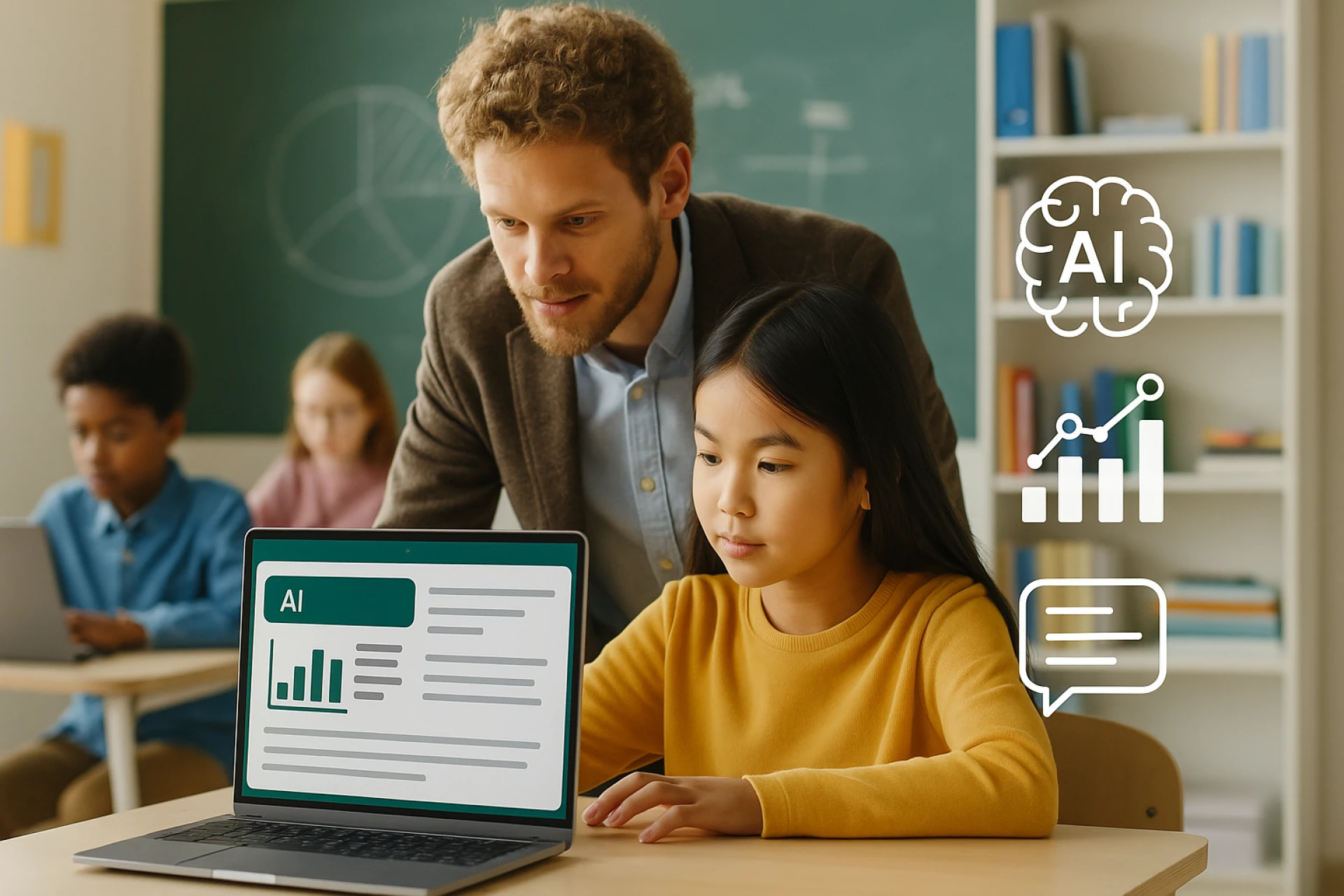

In recent years, education has undergone a quiet revolution. Classrooms have shifted from chalkboards to screens, and students now interact with learning material in ways that feel more intuitive, responsive, and personalized. At the heart of this transformation are intelligent tools that don't just deliver information—they adapt, respond, and support learners and educators alike.
So, what exactly is changing? And how are these tools quietly reshaping the way we teach and learn?
Personalized Learning, One Student at a Time
No two learners are exactly the same. Some grasp concepts through visual examples, while others thrive on discussion or repetition. Traditionally, accommodating these differences at scale was difficult—if not impossible. But today, technology helps bridge that gap.
Modern learning tools adjust content based on a student’s pace, skill level, and behavior. Whether it’s guiding a struggling reader through simplified summaries or offering advanced problems to a fast-moving math student, these platforms ensure learners are neither left behind nor held back.
One such tool, StudyAgent AI assistant, provides personalized writing support that’s especially helpful in academic environments. Students can fine-tune their essays, reports, and creative projects with clear, structured feedback—improving their work while understanding how to do better next time.
Supporting Educators Behind the Scenes
Teaching has always been more than just delivering content. Educators plan lessons, design materials, grade assignments, and support students—often under tight time constraints. Fortunately, technology now plays a helpful role behind the scenes.
From drafting lesson materials to organizing feedback, smart tools streamline administrative tasks so teachers can focus more on meaningful student interactions. StudyPro, for example, isn’t just for students; many educators use it to generate clear explanations, structure assignments, or provide consistent writing feedback without spending hours marking papers manually.
Feedback in the Moment That Matters
Feedback is most valuable when it’s immediate. Traditionally, students submit work, wait days for a response, and then try to connect that feedback back to their original thinking. Intelligent tools have changed that dynamic.
Now, learners can receive suggestions—on clarity, tone, grammar, and structure—while they write. This form of real-time coaching helps students internalize lessons right away, making the learning process more active and reflective. When integrated into regular classroom activities, this kind of support makes academic improvement a daily habit.
Making Learning More Engaging
The right tools don't replace good teaching—they enhance it. Interactive simulations, self-paced learning paths, and dynamic content delivery turn passive listeners into active participants.
Teachers are using platforms that prompt classroom discussions, adapt quizzes in real time, and even simulate real-world problems for students to solve collaboratively. This interactive approach keeps learners more engaged and helps them retain information longer.
Creating More Inclusive Classrooms
Accessibility has long been a challenge in education. Language barriers, learning differences, and physical disabilities can limit how students interact with material. Intelligent tools are helping to level the playing field.
Features like voice-to-text, real-time translation, and visual explanations make learning more accessible to students who might otherwise struggle. For educators working in multilingual or neurodiverse classrooms, these supports are no longer optional—they’re essential.
A Balance Between Technology and Human Insight
It’s important to remember that technology in education isn’t about replacement—it’s about reinforcement. Tools like StudyPro don’t do the thinking for students; instead, they guide, clarify, and challenge learners to do better on their own.
Educators still play a vital role in interpretation, motivation, and mentorship. The best outcomes happen when teachers and technology work together—each doing what they do best.
Final Thoughts
Education is evolving, and the tools we use are evolving with it. From personalized support to classroom-wide enhancements, intelligent solutions are quietly reshaping how we learn and teach. The future of education doesn’t belong to machines—it belongs to thoughtful, supported learning. And platforms like StudyPro are showing us how technology can uplift human potential, not replace it.
























Sign in to leave a comment.