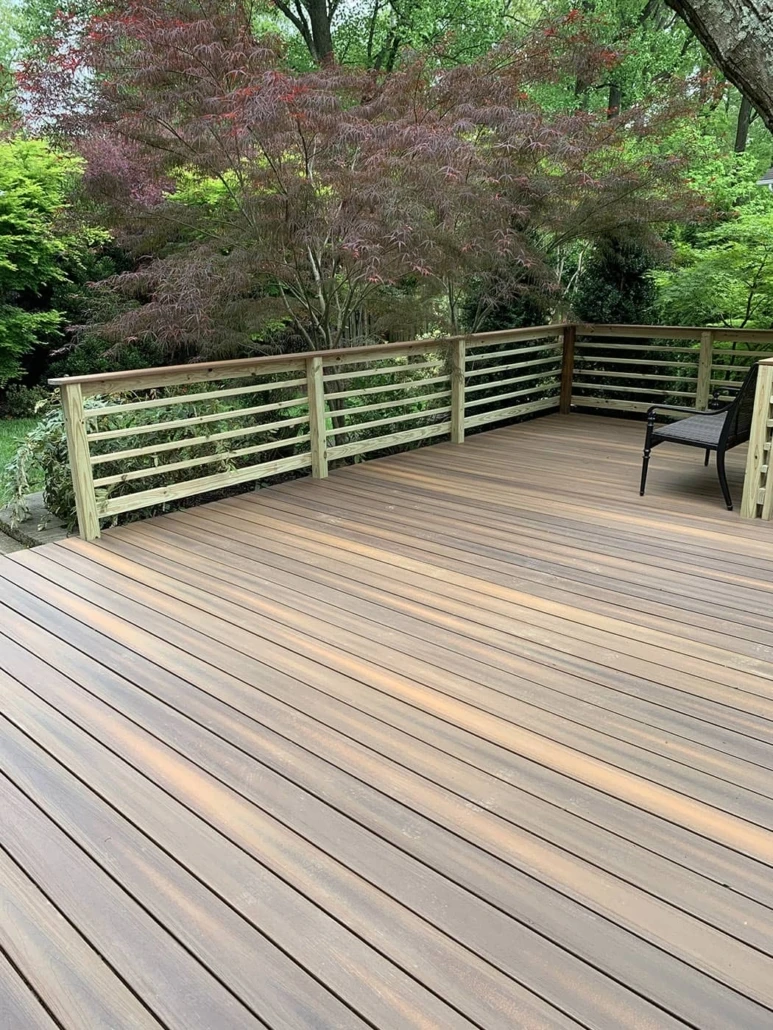

The guest post explains the complete process of installing a deck, from planning and groundwork to construction and finishing touches.
Constructing a deck is a top choice among home remodeling projects, offering great satisfaction to homeowners. A deck installation provides more living space and creates added value and functional benefits for outdoor areas. Knowing deck installation methods will enable you to decide whether to build it yourself or work with a professional. The process follows this sequential order.
Planning and Design
Deck Installation Vienna VA starts with a well-thought-out plan. The first stage establishes the basic function that the deck should serve, like a relaxation space or entertainment and dining areas. How well the deck fits into your property depends on what size you choose, along with its shape and preferred placement relative to your house and outdoor space. Any excess elements, such as trees, sloping ground, and utilities, must be included in the planning process. After sketching the basic design, the selection of proper materials begins. House owners usually select between pressure-treated wood and cedar, alongside composite decking and PVC, depending on financial constraints and preferences for upkeep.
Site Preparation
After planning, the site must be adequately prepared. This involves marking the deck layout using stakes and string to define where everything will go. The area is then cleared of any grass, rocks, and debris. Minor excavation may be necessary in some cases, especially if the ground is uneven or if footings need to go below the frost line. A level surface is crucial for a stable and safe deck, so some grading may also be required.
Installing the Footings
Footings are the foundation of any deck and provide essential support for the entire structure. Depending on your local codes and climate, footings are typically dug to 12 to 48 inches. Concrete is then poured into these holes to form a solid base. Post anchors are placed into the wet concrete and aligned correctly. Once the concrete cures, which usually takes 24 to 48 hours, these anchors will securely hold the vertical support posts in place.
Installing Posts and Beams
With footings in place, vertical posts are measured, cut, and mounted into the post anchors. These posts hold the main horizontal beams that will carry the load of the joists and decking boards. Once set, beams—usually made of two pieces of lumber fastened together—are placed on top of or flush with the posts. These beams are positioned according to the deck's layout and are fastened securely with bolts and metal connectors.
Attaching the Ledger Board
The ledger board is a key structural component if the deck is attached to the house. It runs horizontally and connects directly to the home’s frame. This board must be properly aligned and securely bolted to the house using lag screws or through-bolts. Flashing is also installed above the ledger to prevent moisture from seeping behind the board and damaging the structure. The stability of the entire deck depends significantly on how well the ledger board is attached.
Installing Joists
Once the ledger board and beams are in place, joists are installed to create the deck’s framework. These boards run perpendicular to the ledger and beams and are spaced according to code, usually 12 or 16 inches apart. Joist hangers attach the joists to the ledger board, while the other ends rest on the beams. Additional support is added with blocking between joists to reduce any twisting or bouncing of the deck boards.
Laying the Decking Boards
Now that the frame is built, it’s time to lay the decking boards. These boards run perpendicular to the joists and form the visible surface of the deck. Starting from the house and working outward, each board is carefully positioned, leaving a small gap between them to allow for water drainage and expansion. Boards are fastened with screws for a firm hold, although hidden fasteners are an option for composite decks if a cleaner look is desired. Once all boards are in place, the ends are trimmed to create a uniform finish.
Building the Stairs
Stairs are essential to most deck installations, especially when the deck is elevated above the ground. The process begins with measuring and cutting stringers, which act as the stair’s support system. These are typically cut from sturdy 2x12 lumber. Treads and risers are then added, with careful attention paid to consistency in height and depth for safety and comfort. The bottom of the stairs often rests on a small concrete pad for additional stability and to prevent the wood from contacting soil directly.
Installing Railings and Balusters
To ensure safety, especially on higher decks, railings are installed around the perimeter and along stairs. Posts are the first elements to be added and are attached securely to the deck’s frame. Then, top and bottom rails are installed between the posts, followed by vertical balusters spaced according to code. Some homeowners opt for glass panels or metal cable systems to maintain visibility and add a modern touch. No matter the design, railings must meet safety standards in terms of height and spacing.
Finishing Touches
Once the major construction is complete, attention shifts to finishing details that enhance the deck's look and longevity. Exposed wood edges can be sanded smooth to prevent splinters. Wood decks benefit significantly from being sealed or stained, which protects against moisture, UV rays, and general wear. Skirting, made from wood or lattice, can be added around the base of the deck to conceal the underside and improve the overall appearance. Lighting can also be incorporated into posts, steps, or railings to improve nighttime visibility and ambiance.
Ongoing Maintenance
Even after installation, your deck requires some regular care to maintain its appearance and structural integrity. Deck Contractors Vienna VA help identify and address any issues such as loose boards, rusted fasteners, or signs of rot. Cleaning with a deck cleaner or power washer removes mold and debris, while sealing or staining every few years ensures protection from the elements. Composite decks may require less upkeep, but should be cleaned periodically to prevent buildup and fading.
Final Thoughts
Installing a deck is a multi-step process that involves careful planning, precise construction, and attention to detail. From setting footings to laying decking boards and adding railings, each phase is vital to the structure's durability and appeal. Homeowners can confidently manage their projects by understanding how decks are installed, whether taking the DIY route or hiring professionals. Ultimately, a well-built deck becomes more than just an outdoor platform—a lasting extension of your home and lifestyle.
































Sign in to leave a comment.