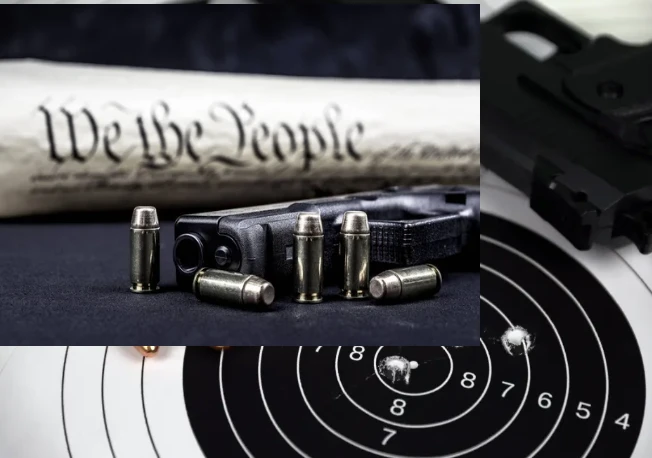

In this post, we will discuss the role of education in firearm confidence, gun classes, hunters' safety courses, tactical pistols, and other related topics.
Understanding the Role of Education in Firearm Confidence
Confidence with firearms begins with understanding. Many people feel uncertain or anxious about guns simply because they've never had formal education on how they work. Gun classes take away the mystery. They teach how to handle firearms safely, operate different types, and respond under pressure. This solid foundation builds trust—not just in the firearm, but in your ability to use it properly.
Confidence Begins With Knowledge
Understanding how a gun works means it no longer feels foreign or threatening. Classes explain every part of a firearm, its function, and safe handling practices. That knowledge creates a sense of control and helps eliminate fear or second-guessing when responsibly using or owning a firearm.
Learning Safety Builds Peace of Mind
Safety is the first thing taught in any reputable gun course. From hunter's safety programs to tactical pistol classes, the emphasis on safety is constant. You'll learn to store your firearm, check if it's loaded, handle misfires, and keep others safe. That kind of knowledge doesn't just protect—it empowers. It allows you to operate confidently without hesitation, even in high-stress moments.
Safe Habits Equal Confident Habits
Consistently practicing safety makes it instinctive. You learn behaviors like treating every gun as though it were loaded and always pointing your muzzle in a safe direction in firearms school. You get peace of mind every time you handle a pistol because these routines become automatic.
Hands-On Practice Builds Muscle Memory
A big part of confidence comes from physical familiarity. Hunters safety course gives you time to practice holding, aiming, loading, and shooting under the supervision of trained instructors. Repetition builds muscle memory, so your actions become instinctive. Whether chamber-checking a rifle or performing a tactical reload, practice leads to precision, which boosts confidence.
Practice Makes Preparedness
Shooting drills help build smooth, automatic movements. Repetition allows your body to react without overthinking, essential in stressful or time-sensitive situations. Whether hunting or in a defense scenario, practicing movements gives you a confident edge.
Hunter's Safety Courses Teach Responsibility and Control
Confidence doesn't mean recklessness—it means being in control. Hunter's safety courses focus on being responsible with your firearm. You'll learn how to identify targets correctly, avoid unsafe conditions, and follow local laws. The more you know about the ethical and legal aspects of hunting and firearm ownership, the more secure you'll feel in your decisions in the field.
Know When and Where to Shoot
Ethical hunting requires making wise decisions. Hunter's safety teaches you how to identify your target, what's beyond it, and when not to shoot. That kind of control reinforces your ability to handle your weapon in real-world situations confidently.
Tactical Pistol Training Sharpens Critical Thinking
Tactical pistol training goes beyond the basics and puts you into scenarios that demand quick thinking and smart action. You'll learn to move while shooting, shoot from cover, and make split-second decisions. This type of training helps develop mental agility, helping you stay calm and effective in high-pressure environments.
Training for Real-World Scenarios
Tactical pistol classes simulate self-defense situations. You'll learn to shoot while moving, handle reloads under pressure, and think fast. It builds both skill and confidence, so you're not just reacting—you're responding with control and clarity.
Group Training Boosts Comfort and Confidence
Learning in a group setting can help ease anxiety. In most classes, you're surrounded by others who are learning, too. You get support from instructors and peers, which makes the experience feel less overwhelming. Seeing others improve around you and getting encouragement boosts morale and reminds you that confidence comes with time and effort.
Learning Together Eases Tension
Being part of a class means you're not alone. Group training provides encouragement, shared learning, and a chance to see everyone starting somewhere. It helps you stay motivated, ask questions openly, and grow your skills without fear of judgment.
Progress Is a Confidence Builder
Each little victory—hitting the target, correctly performing a practice, or getting out of a jam—adds up. Teachers assist in monitoring your development and demonstrating your improvement. Seeing progress over time is one of the best ways to enhance your confidence.
Courses Provide Personal Coaching
Another benefit of classes is personalized instruction. Good instructors watch how you shoot, correct your grip, improve your stance, and answer your questions in real-time. That one-on-one attention helps you overcome destructive habits and gives you customized advice to help you grow faster. Getting direct feedback builds skill—and skilled shooters feel more secure with their weapons.
Feedback Makes You Stronger
Personalized coaching pinpoints exactly where you can improve. Instructors guide you toward better habits, provide encouragement, and ensure you progress at your own pace. With someone experienced by your side, confidence naturally follows.
Legal Knowledge Gives Peace of Mind
Knowing what's legal and what's not protects you and others. Courses explain use-of-force laws, transportation rules, and concealed carry guidelines. When you understand the rules, you avoid hesitation and act more confidently and clearly.
Building a Safety-First Mindset
At the core of all confidence with firearms is a safety-first mindset. This mindset keeps you grounded, cautious, and focused. Rather than acting recklessly, confident shooters understand their limits and stay aware of their surroundings. Courses reinforce this mentality, turning responsible habits into long-term behaviors. Confidence doesn't mean carelessness—it means capable control.
Confidence Is Rooted in Caution
True confidence means knowing when not to shoot. Safety-first training teaches you to assess threats, wait for clear shots, and think before acting. This kind of judgment marks a skilled, self-assured firearm user.
Encouraging Lifelong Learning
One of the most empowering aspects of firearms training is realizing that learning never ends. As you take more courses, practice new techniques, and explore new shooting disciplines, your confidence and skills grow. Whether trying new firearms or progressing from basic to advanced classes, this journey turns hesitation into competence.
Keep Growing, Keep Building Confidence
There's always something new to learn—new gear, laws, and techniques. Each class you take adds a layer of skill and understanding. That constant improvement builds confidence in the moment and long-term mastery over time.




























Sign in to leave a comment.