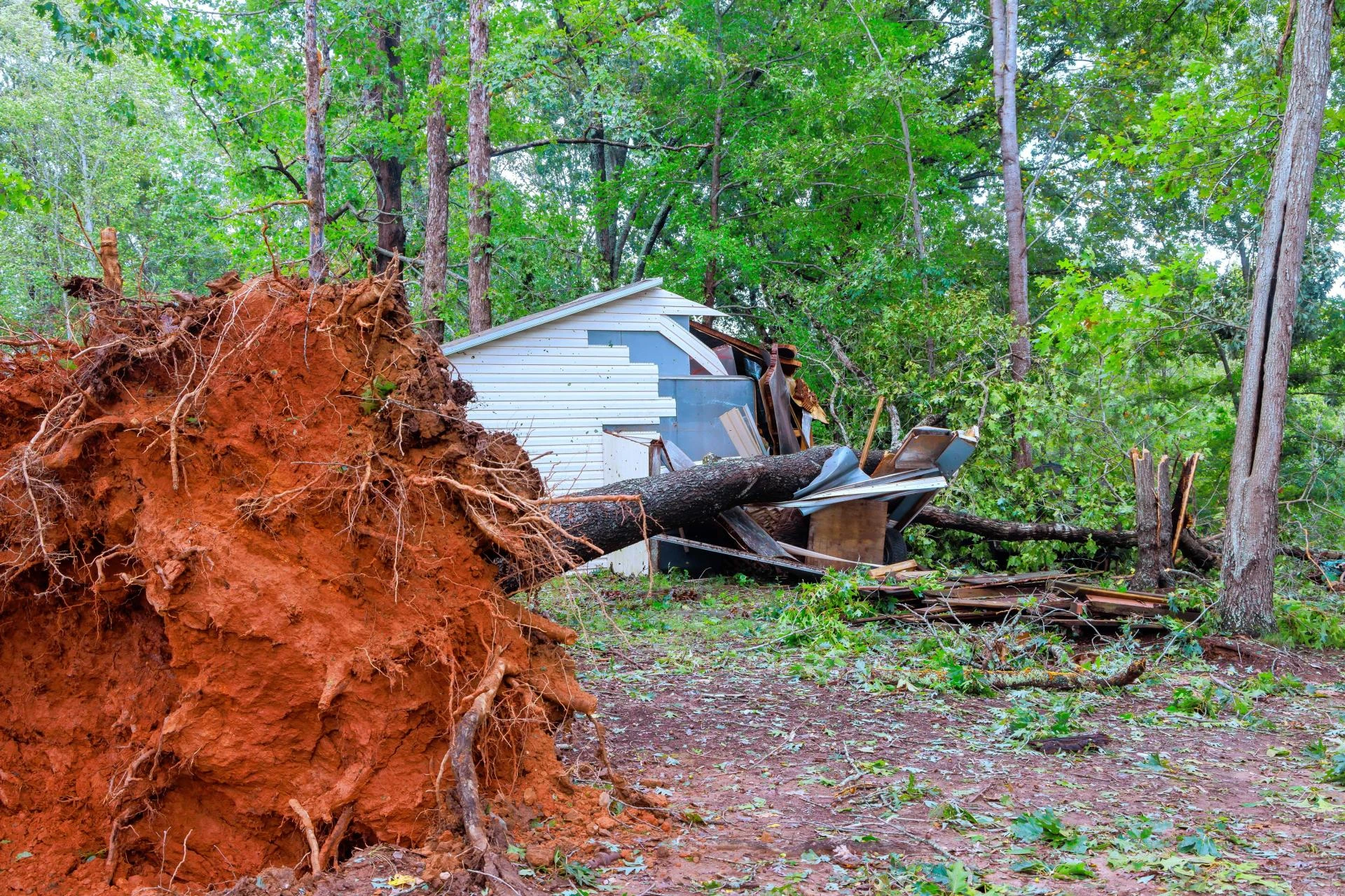

Understanding how soil and terrain impact tree removal can help property owners plan more effectively and reduce potential risks. Soil conditions and the lay of the land influence how trees grow, thrive, and eventually need to be removed. Professional tree removal often comes with unique challenges, especially when dealing with the region’s varied landscapes. Recognizing these obstacles ensures the job is done safely and efficiently.
“Ground conditions play a major role in how a tree must be removed because unstable soil, slopes, and drainage patterns can change how weight shifts during the process. Careful site evaluation helps crews choose the safest removal method while protecting surrounding structures and landscaping,” says Precision Arborcare.
Characteristics of Soil
The soil presents a range of challenges for tree removal. Different soil types, including sandy, clay, and loamy varieties, influence how well trees anchor themselves. Trees in clay-heavy soil may have shallow roots, while sandy soil can lead to weaker foundations.
A certified arborist once encountered a tree growing in compacted clay soil. The roots had spread laterally rather than deep into the ground, making the removal process complicated. Such conditions require specialized approaches to prevent accidents and property damage.
- Compacted soil can make it harder for machinery to operate effectively.
- Poor drainage leads to weakened tree roots over time.
- Eroded areas often expose roots, increasing instability risks.
How Terrain Impacts Tree Removal
A hilly and mountainous terrain adds a layer of difficulty to tree removal efforts. Steep slopes not only challenge workers but also increase the potential for equipment instability. Trees on slopes often grow with uneven weight distribution, further complicating their removal.
Removing a tree on a steep hill requires careful planning. In one instance, a team had to use ropes and pulleys to ensure the tree fell safely downhill. Without the right tools, such jobs can become dangerous for workers and nearby structures.
- Slopes increase the risk of falling debris.
- Equipment must be stabilized to avoid accidents.
- Trees on inclines often grow asymmetrically, making removal trickier.
Weather Effects on Soil and Terrain
Weather significantly affects both soil and terrain, making tree removal more complex. Frequent rainfall can saturate the soil, leading to reduced stability and potential landslides. During the winter, frozen ground complicates machinery use, while summer heat hardens the soil, making digging difficult.
Heavy rains often cause machinery to sink into soft soil, delaying removal projects. Arborists often schedule removals during dry weather to minimize these risks and ensure safer working conditions.
- Rain increases the likelihood of soil erosion.
- Frozen ground can damage equipment and slow the process.
- Extreme heat hardens soil, making excavation more labor-intensive.
Solutions for Soil and Terrain Challenges
Overcoming these challenges requires a combination of advanced techniques and proper equipment. Specialized machinery is often necessary for steep slopes and compacted soil. Arborists also use methods like soil stabilization to ensure safer tree removal.
Soil preparation is critical for safe and efficient removal. By loosening compacted areas or improving drainage, arborists can create better conditions for the job. These measures help protect surrounding vegetation and prevent further soil erosion.
- Ropes and cranes ensure safe removal on steep inclines.
- Soil stabilization techniques improve machinery effectiveness.
- Pre-removal adjustments reduce environmental impact.
Why Hire Experts for Tree Removal
Navigating terrain and soil conditions requires a deep understanding of the local environment. Certified arborists are trained to handle these challenges, ensuring that tree removal is completed safely and efficiently. Their expertise helps property owners avoid costly mistakes and potential hazards.
One arborist shared how improper removal techniques led to soil erosion that damaged a nearby garden. Professionals take precautions to prevent such outcomes, making them invaluable for complex removals.
- Arborists understand local soil and terrain nuances.
- Professionals use tailored techniques to minimize risks.
- Certified experts reduce the chances of damage to surrounding areas.
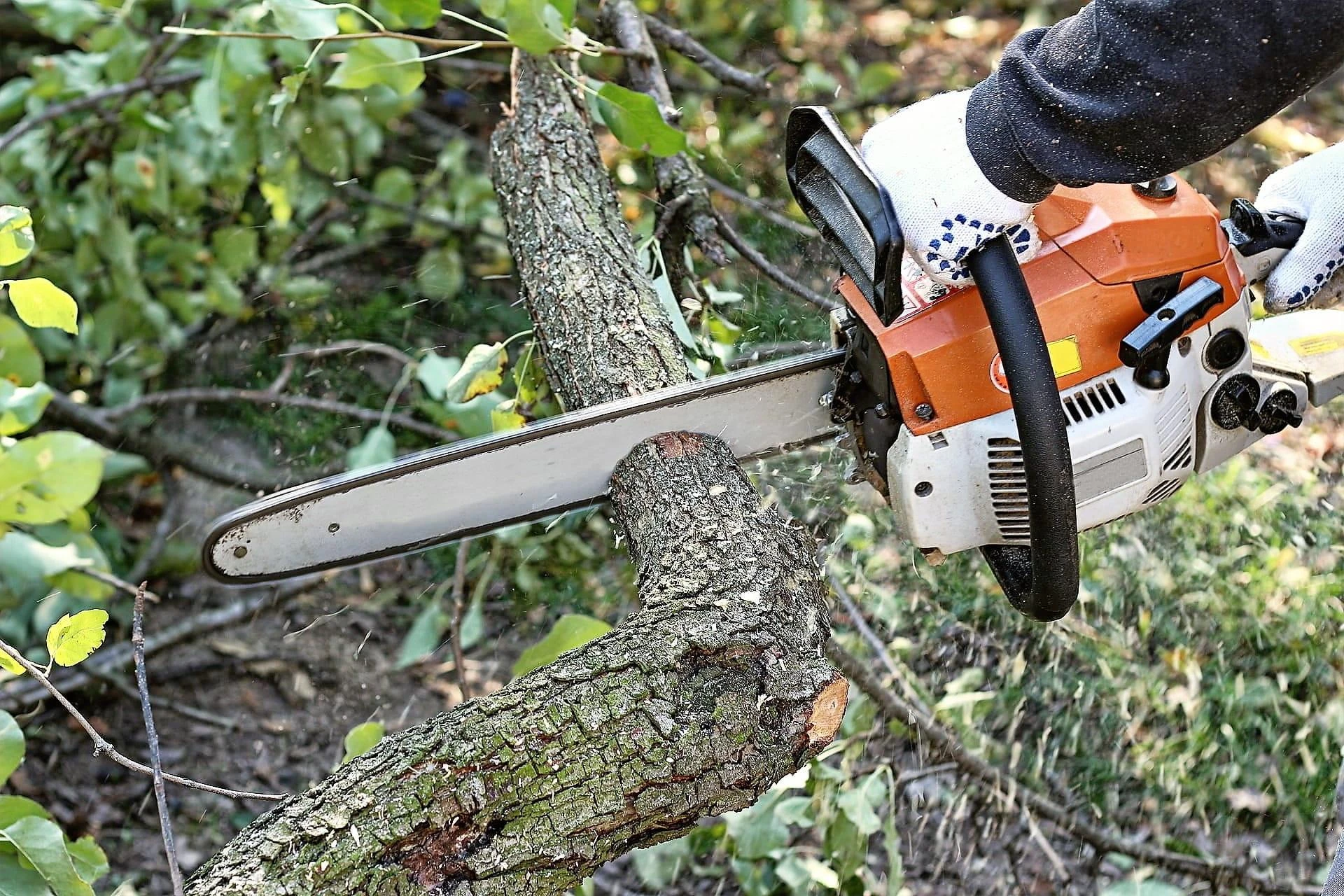
Key Insights on Soil and Terrain Challenges for Tree Removal
Understanding soil and terrain is essential for effective tree removal. These environmental factors influence every step of the process, from planning to execution. Certified arborists play a vital role in navigating these challenges and ensuring the safety of both people and property.
- Different soil types affect tree stability and removal methods.
- Sloped terrains require specialized tools and strategies.
- Weather conditions heavily influence removal timelines and techniques.
- Professional arborists provide the expertise needed to manage these challenges.
Frequently Asked Questions About Tree Removal
1. How does soil type affect tree removal? Soil type impacts root structure and stability. For example, clay soil may lead to shallow roots, while sandy soil can weaken tree foundations.
2. What makes tree removal on slopes more difficult? Steep slopes increase the risk of debris falling uncontrollably and require additional safety measures, such as stabilizing equipment or using ropes.
3. How does weather influence tree removal? Rain can saturate soil, creating instability, while frozen ground or extreme heat complicates machinery use and excavation efforts.
4. What precautions do arborists take for challenging terrain? Arborists use specialized tools like cranes and pulleys for steep inclines and may stabilize soil to ensure safer removal.
5. Why is hiring a certified arborist important? Certified arborists understand the complexities of local soil and terrain. Their expertise ensures safe, efficient tree removal while protecting surrounding areas.




























Sign in to leave a comment.