
Access to clean and safe water is indispensable during emergencies. Commercial water filtration systems serve as a cornerstone in ensuring potable water remains available under challenging circumstances. These advanced systems are engineered for large-scale operations, effectively removing dangerous contaminants while maintaining water quality for drinking, sanitation, and essential uses. Their role in emergency scenarios underscores their significance in safeguarding public health.
How Filtration Systems Support Crisis Management
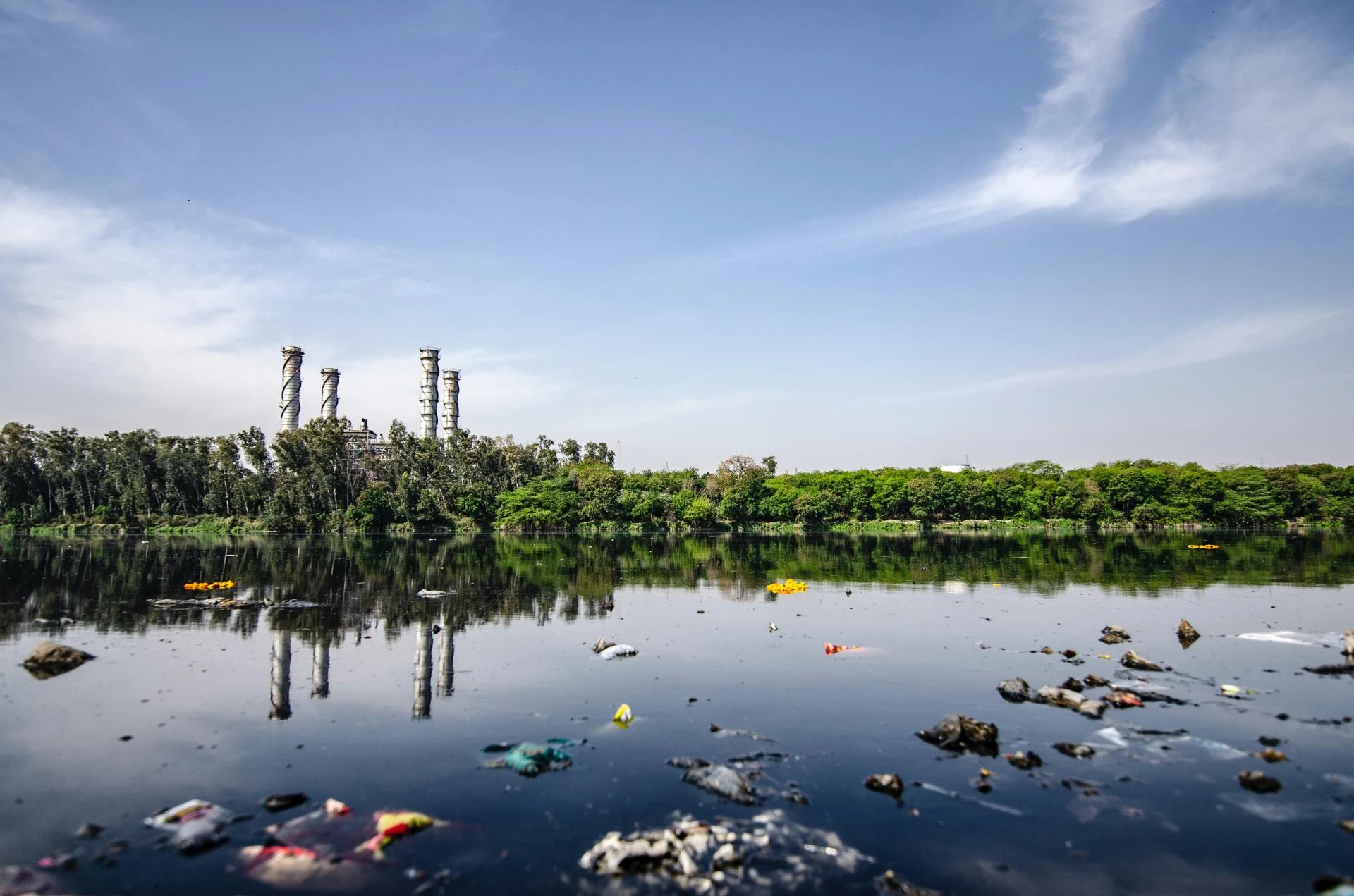
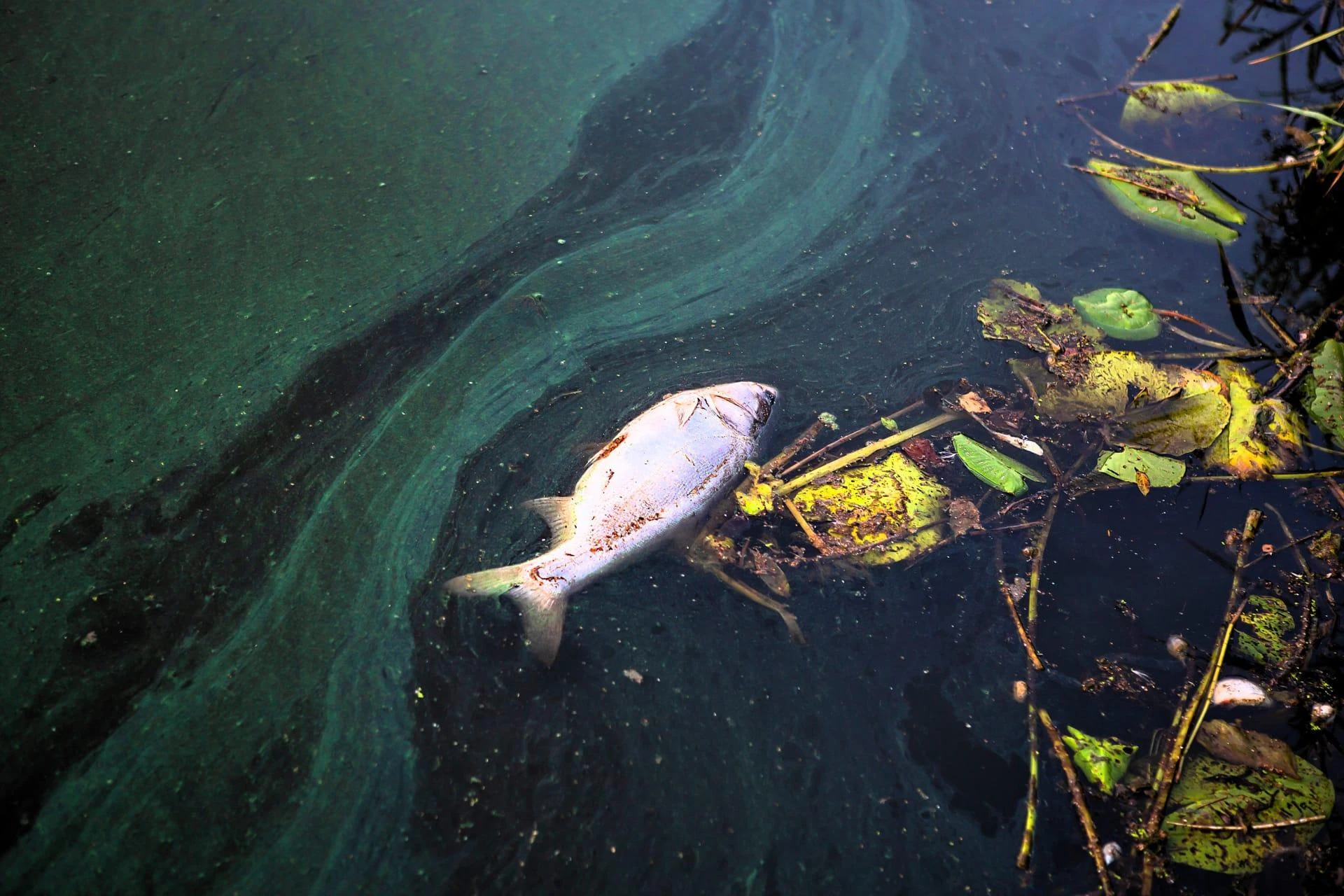
Emergency situations, such as natural disasters or infrastructure breakdowns, frequently compromise water supplies. Contaminated water sources introduce severe health hazards, making dependable filtration solutions indispensable. During hurricane recovery missions, for instance, mobile filtration systems have been deployed to provide displaced communities with clean water.
- Bacteria, viruses, and chemicals are eliminated, ensuring safety.
- Hydration and sanitation needs are met promptly and reliably.
- The spread of waterborne diseases is mitigated effectively.
Advantages of Commercial Filtration in Emergencies
Commercial water filtration systems offer unmatched efficiency and adaptability in critical scenarios. Their ability to process substantial water volumes ensures uninterrupted access, even under demanding conditions. Beyond improving water quality, they contribute to better overall health outcomes.
- Enhanced safety by removing harmful pathogens.
- Lower reliance on bottled water, reducing logistical strain.
- Eco-friendly impact by decreasing plastic waste during disaster relief.
Key Features of Emergency Filtration Systems
Systems used during emergencies must combine durability with adaptability. Portable designs facilitate swift deployment, while scalable features enable their use across diverse population sizes. Sturdy construction ensures optimal performance, even in extreme environments.
- Compact designs for rapid setup in crisis zones.
- Scalable capabilities to accommodate varying needs.
- Robust construction for reliability under harsh conditions.
Applications in Emergency Response Initiatives
Water filtration systems play a pivotal role in emergency response operations. They provide clean water to shelters, medical facilities, and communities where traditional water sources have become unsafe or unavailable.
- Meeting hydration needs in temporary housing or shelters.
- Supplying hospitals with clean water for hygiene and medical use.
- Supporting communities in disaster-stricken areas.
Why Businesses Must Be Prepared
Emergency water disruptions can severely impact business operations. A commercial filtration system ensures continuity by addressing water requirements for staff, customers, and critical processes. This preparedness reflects a proactive approach to safety and resilience.
- Protecting employees' health during emergencies.
- Building customer trust by maintaining operational stability.
- Enhancing resilience against unexpected disruptions.
Selecting a Suitable Filtration System
Finding the right system involves assessing specific requirements. Businesses should evaluate capacity, ease of operation, maintenance needs, and compliance with industry standards. Systems must align with the unique challenges posed by potential emergencies.
- Matching filtration capacity with organizational demands.
- Prioritizing user-friendly systems for quicker deployment.
- Ensuring compliance with safety and industry guidelines.
Maintaining Water Filtration Systems
Consistent maintenance guarantees the long-term reliability of filtration systems. Regular inspections, filter replacements, and staff training ensure the equipment performs optimally when needed most.
- Scheduling inspections to address wear and tear proactively.
- Replacing parts according to manufacturer recommendations.
- Training personnel to handle the system efficiently under pressure.
Critical Insights on Emergency Water Filtration
Clean water access is a fundamental necessity in emergencies, supporting survival, hygiene, and operational continuity. By investing in robust commercial filtration systems, organizations can tackle health and logistical challenges with confidence.
- High-capacity systems ensure reliable water access during crises.
- Features like portability and scalability maximize utility.
- Prepared businesses safeguard health and maintain resilience.
Frequently Asked Questions About Filtration Systems
What do commercial systems filter out?
They eliminate bacteria, viruses, heavy metals, and chemical pollutants, ensuring water safety for various purposes.
Can these systems work without electricity?
Many systems include backup power or manual options to maintain functionality during outages.
How long do they last in emergencies?
Durability depends on use and maintenance, but well-maintained systems can function efficiently for years.
Which industries benefit most from these systems?
Healthcare, disaster relief, manufacturing, and hospitality sectors gain significant advantages.
Are portable systems effective for large populations?
Yes, modern portable designs are scalable and highly reliable for extensive emergency needs.
































Sign in to leave a comment.