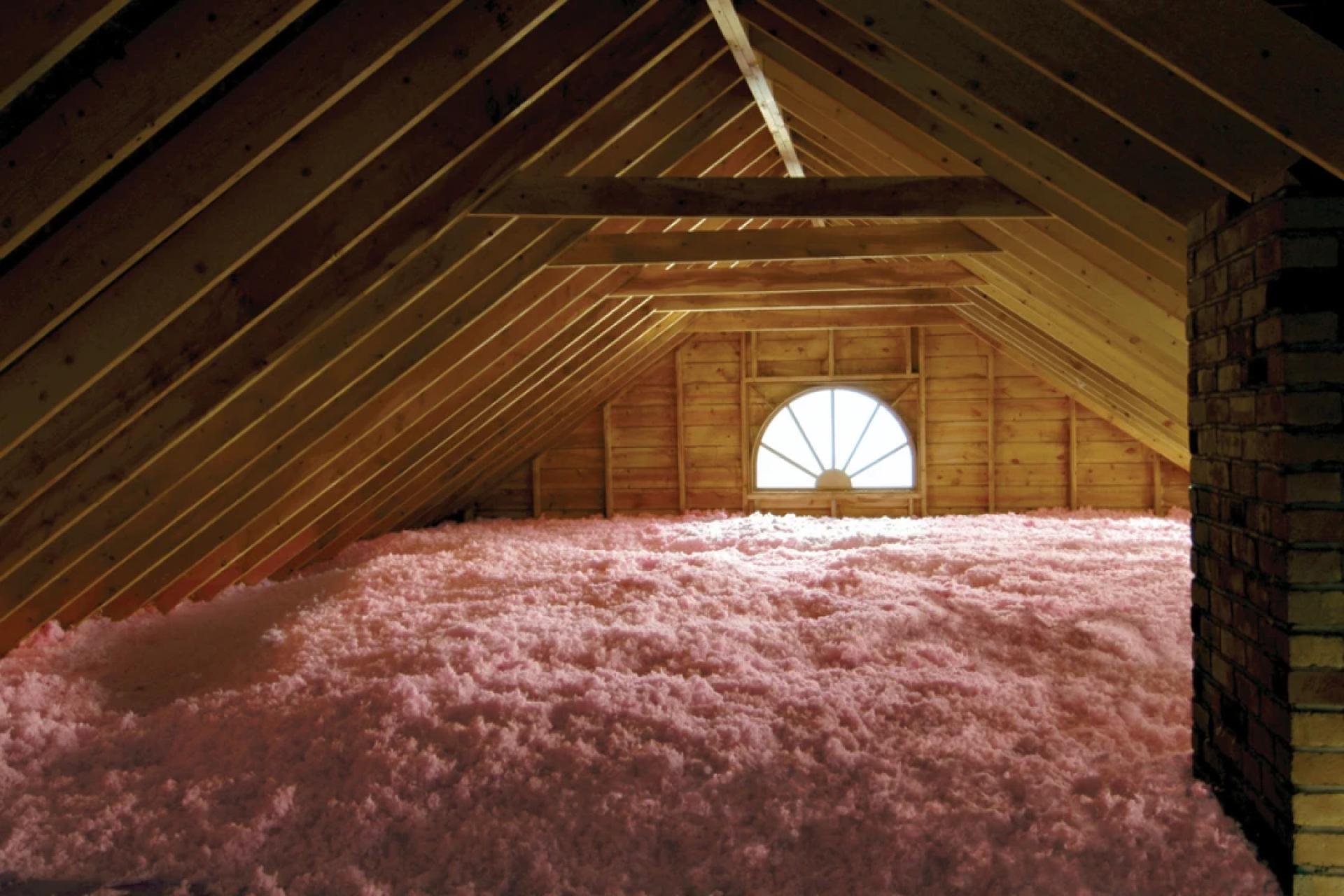

Attic insulation experts directly reduce seasonal stress on cooling equipment by creating a thermal barrier that blocks the intense heat that builds up in an attic from radiating down into the home's living space. During the summer, a roof can absorb a tremendous amount of solar energy, heating the attic to temperatures of 140°F or higher. This superheated space acts like a giant radiator, forcing the home's air conditioner to run constantly to maintain a comfortable temperature. By properly insulating the attic floor, this heat transfer is significantly slowed, which lessens the overall cooling load on the AC system.
This reduction in workload not only leads to lower energy bills but also extends the operational lifespan of the cooling equipment. An air conditioner that runs for shorter, less frequent cycles experiences far less wear and tear on its critical components. This article, drawing on insights from building science experts and HVAC technicians, explains the mechanics behind this process and why the attic is the first and most important place to look when trying to improve a home's summer cooling performance.
Understanding the Attic's Role in Summer Heat Gain
Many homeowners think of insulation primarily as something that keeps a house warm in the winter, but its role in the summer is just as important. A home's attic is the primary buffer zone between the sun-baked roof and the conditioned living area below. On a typical summer day, the shingles on a roof can easily reach temperatures exceeding 150°F. This intense heat is transferred into the attic, and without an adequate thermal break, it will continue its path downward.
This downward movement of heat, known as radiant heat gain, is what forces a home's cooling system to work so hard. The ceiling itself becomes warm to the touch, constantly radiating heat onto the people and objects below. An air conditioner must not only cool the air in the room but also fight against this continuous influx of heat from above. Industry studies show that heat gain through the ceiling is one of the largest contributors to high summer energy bills.
Creating an Effective Thermal Barrier
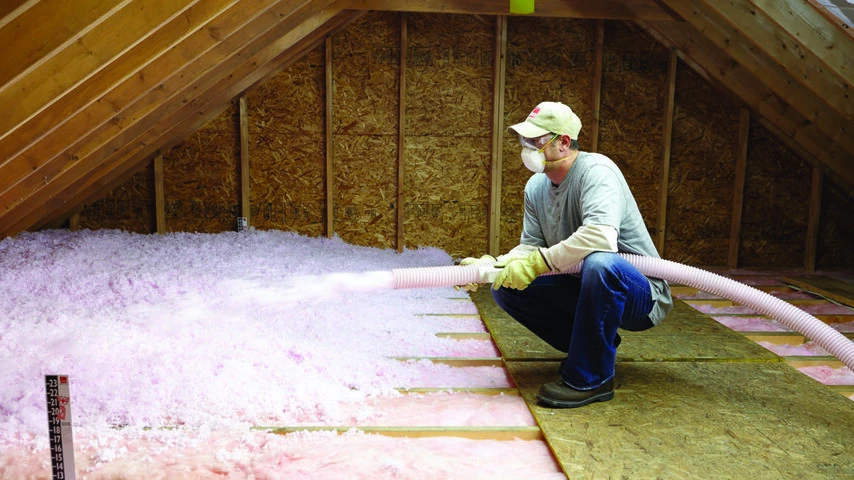
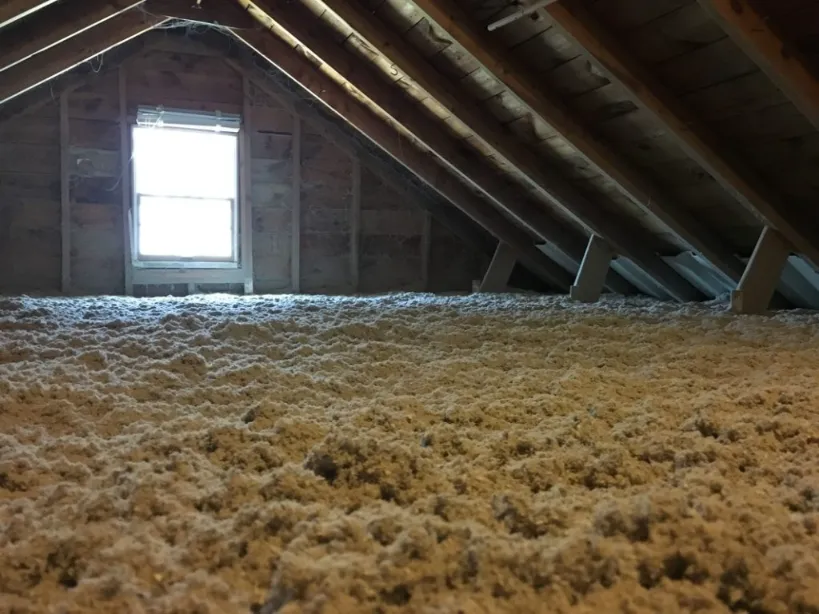
The solution is to place a thick, continuous layer of insulation on the floor of the attic, which is the ceiling of the living space. The effectiveness of this thermal barrier is measured in R-value, which indicates its ability to resist heat flow. The higher the R-value, the more effective the insulation is at stopping heat. For most climates, building codes recommend an attic R-value of R-49 to R-60, which translates to a substantial layer of insulation.
Two key factors determine the performance of this barrier:
- Sufficient Depth: The insulation must be thick enough to achieve the target R-value. Many older homes have only a few inches of old, compressed insulation, providing an R-value of 19 or even less.
- Air Sealing: This is a step that is often overlooked but is critically important. Before adding new insulation, all small air leaks between the living space and the attic must be sealed. These include gaps around light fixtures, plumbing vents, the attic hatch, and electrical wiring. Sealing these gaps stops hot attic air from being pulled into the house and cool conditioned air from escaping into the attic.
Bonus Tip: Professional insulation contractors will almost always perform air sealing as the first step of an attic insulation project. It's a task that provides a huge performance boost for a relatively small cost. A homeowner can often spot these leaks as dirty spots on their existing insulation, where air has been filtering through for years.
The Direct Benefits for Your Cooling System
Once the attic is properly air-sealed and insulated, the positive effects on the cooling equipment are immediate and measurable.
- Reduced Run Time: With less heat pouring in from the ceiling, the thermostat is satisfied more quickly and stays satisfied for longer periods. This means the air conditioner runs for shorter cycles and doesn't have to kick on as often, directly cutting down on electricity consumption.
- Longer Equipment Lifespan: An air conditioner is a mechanical system with many moving parts, the most important of which is the compressor. Constant, long run times put a great deal of strain on the compressor and fan motors. By reducing the overall workload, proper attic insulation helps prevent premature failure of these expensive components, potentially adding years to the life of the unit.
- Improved Comfort and Dehumidification: An AC system that is not constantly fighting an overwhelming heat load can do its job more effectively. It can better maintain a consistent temperature throughout the house, eliminating hot spots in upstairs rooms. Additionally, because the system can run in properly timed cycles, it does a better job of removing humidity from the air, which makes the home feel much more comfortable even at a slightly higher temperature setting.
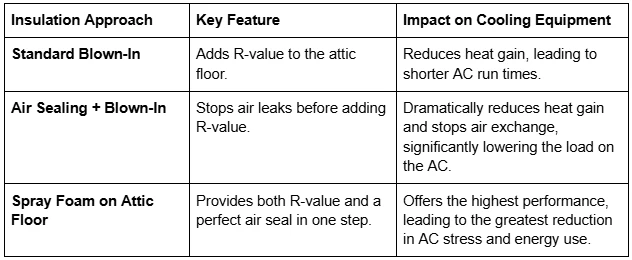
Comparing Attic Insulation Strategies
Things to Consider Before an Attic Upgrade
Before starting an attic insulation project, homeowners should think about a few practical factors.
- Attic Ventilation: For a traditional attic with insulation on the floor, proper ventilation is key. Soffit vents (for intake) and ridge or gable vents (for exhaust) allow hot air to escape, which helps reduce the attic's peak temperature. A professional should confirm that the ventilation is adequate and that the new insulation won't block the soffit vents.
- Existing Insulation: An inspector should check the condition of any old insulation. If it's damp, moldy, or heavily contaminated with pest droppings, it should be removed before new material is installed.
- Attic Storage: If the attic is used for storage, any items will need to be moved. If the homeowner wants to continue using it for storage, a raised platform may need to be built to keep stored items above the full depth of the new insulation.
- HVAC Equipment in Attic: If the furnace or air handler is located in the attic, it's very important that a clear and safe access path is maintained for service technicians.
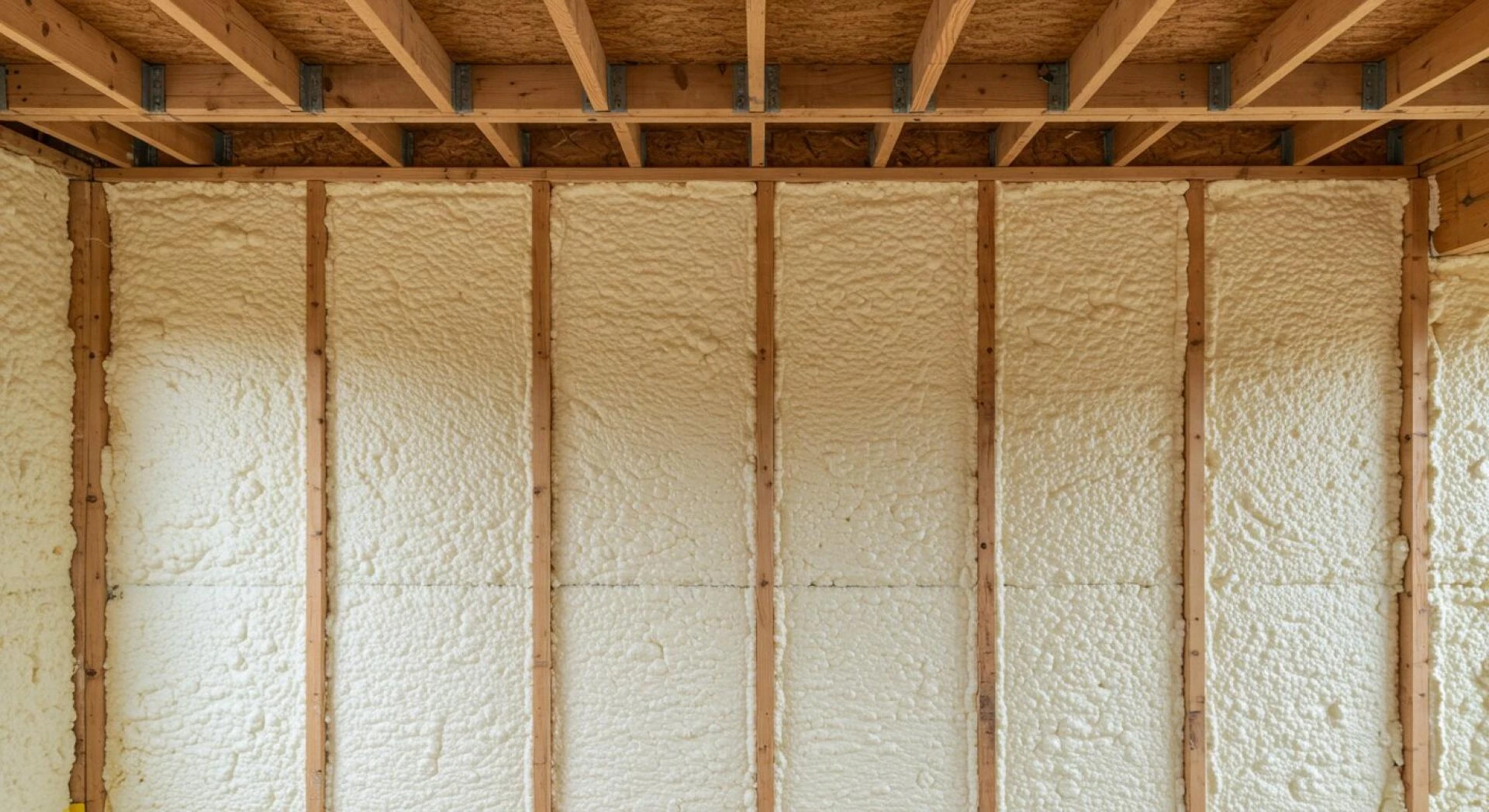
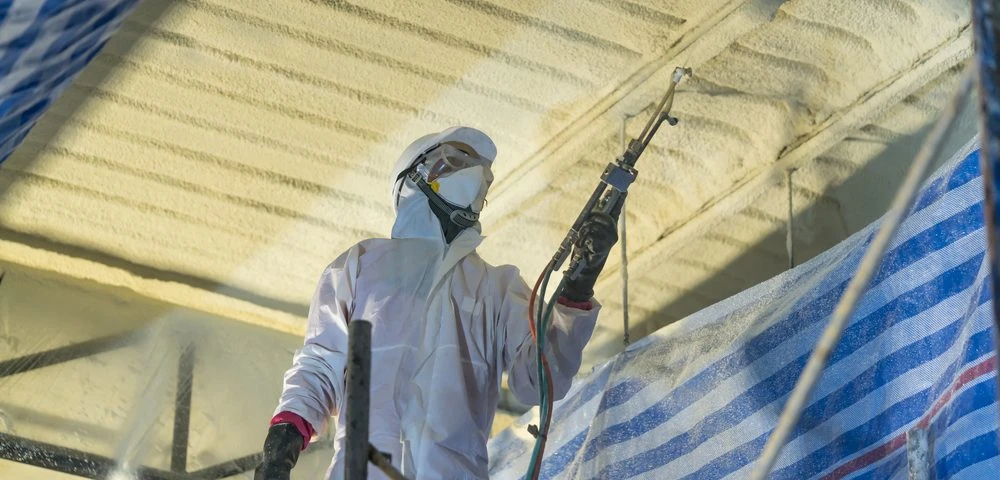
Bonus Tip: An alternative to insulating the attic floor is to apply spray foam insulation directly to the underside of the roof deck. This creates an "unvented" or "conditioned" attic, bringing the space and any HVAC equipment inside the home's thermal envelope. This is an excellent but more costly solution that is particularly good for homes with ductwork running through the attic.
Questions People Ask About Attic Insulation
How do I know if I need more attic insulation?
A simple visual inspection is often all that's needed. If you can see the tops of your wooden floor joists, you almost certainly do not have enough insulation. The insulation should be a deep, continuous blanket that completely covers them.
What is the best type of insulation for an attic?
Blown-in fiberglass and cellulose are the most common and cost-effective options for insulating an attic floor. Spray foam offers superior air-sealing performance but comes at a higher cost. The best choice depends on the budget and performance goals.
Will insulating my attic help in the winter too?
Yes, absolutely. The same thermal barrier that keeps heat out in the summer will keep heat in during the winter, reducing the workload on your furnace and lowering your heating bills.
Can I do this project myself?
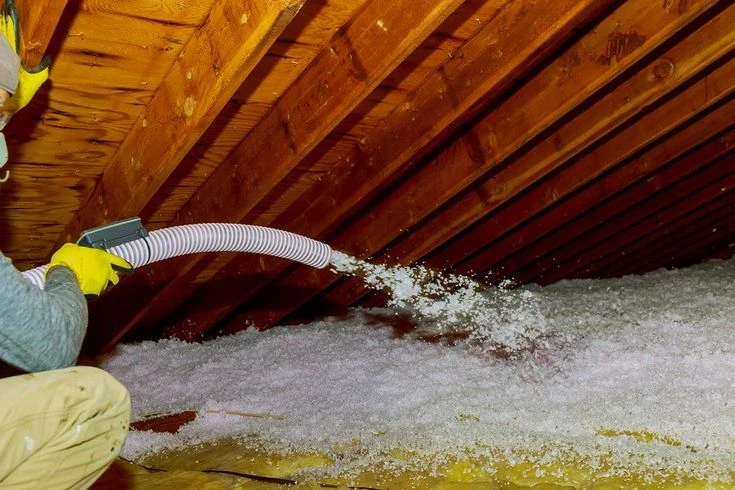
Adding blown-in insulation can be a DIY project, as machines can be rented from home improvement stores. However, the critical air-sealing step requires some specific knowledge and is often best left to a professional to ensure it's done correctly.
How much money can I really save?
The amount saved depends on many factors, including the local climate, utility rates, and the home's condition before the upgrade. However, the Environmental Protection Agency estimates that homeowners can save an average of 15% on heating and cooling costs by air sealing and insulating their attics.
A Protective Measure for Your Biggest Home Appliances
Upgrading your attic insulation is one of the smartest investments a homeowner can make. It's a one-time fix that pays dividends for years to come in the form of lower energy bills, a more comfortable home, and a significantly longer life for your expensive cooling and heating equipment. By reducing the seasonal stress on your HVAC system, you're protecting one of the biggest and most important appliances in your home.
Get a Professional Attic Assessment
To find out the best way to improve your attic's performance, a professional evaluation is the best place to start. An expert can assess your current insulation levels, check for air leaks, inspect ventilation, and provide a clear plan to reduce stress on your HVAC system. For homeowners, the specialists at Cascadia Spray Foam Insulation of Seattle offer comprehensive attic assessments. They can be reached for a consultation by calling (425) 386-3500 or by sending an email to [email protected].
Reviewer: Olivia Thompson has spent 10 years working in spray foam insulation, helping companies grow their visibility. She reviewed this article and provided valuable suggestions on how to better align the content with the needs and expectations of customers, ensuring it resonates with the target audience.
























Sign in to leave a comment.