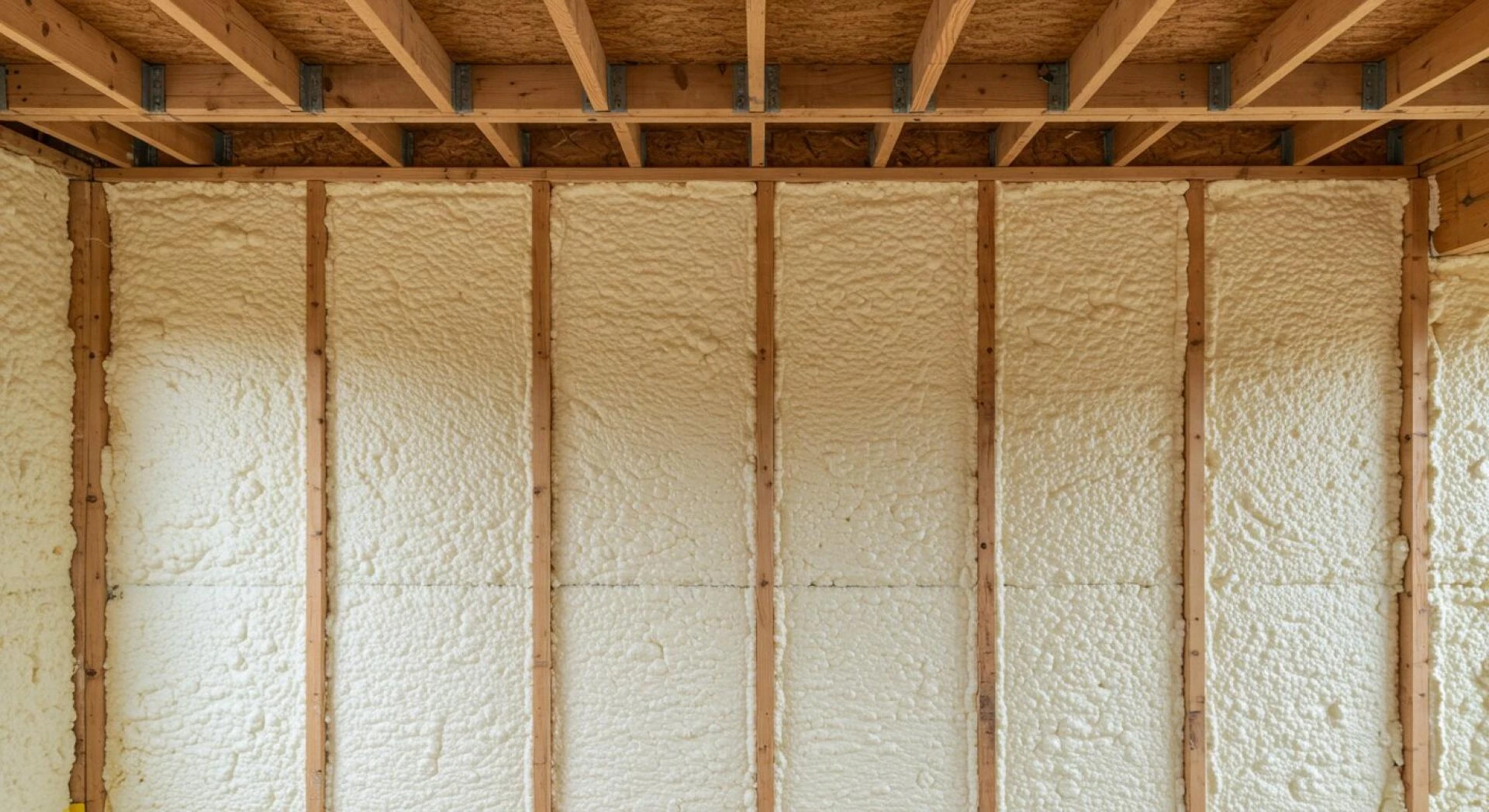

Regular residential insulation upgrades matter because insulation is not a "set it and forget it" component of a home; its performance degrades over time, and building science standards evolve. Older insulation systems were often installed without modern air sealing techniques, leading to significant energy loss. Furthermore, materials can settle, get damaged by moisture, or become contaminated by pests, drastically reducing their effectiveness. An upgrade is a critical maintenance step that restores a home's thermal barrier, improves comfort, lowers energy bills, and protects the structure from long-term damage.
Many homeowners assume the insulation installed when their house was built is sufficient for its entire life, but that's rarely the case. This guide, drawing from years of professional experience in home performance, will explain why periodic insulation upgrades are so important and what signs indicate that a home is due for one.
The Inevitable Decline of Older Insulation
Insulation materials, especially those installed decades ago, are susceptible to a variety of issues that compromise their ability to do their job. Over time, these small failures can add up to a major performance problem.
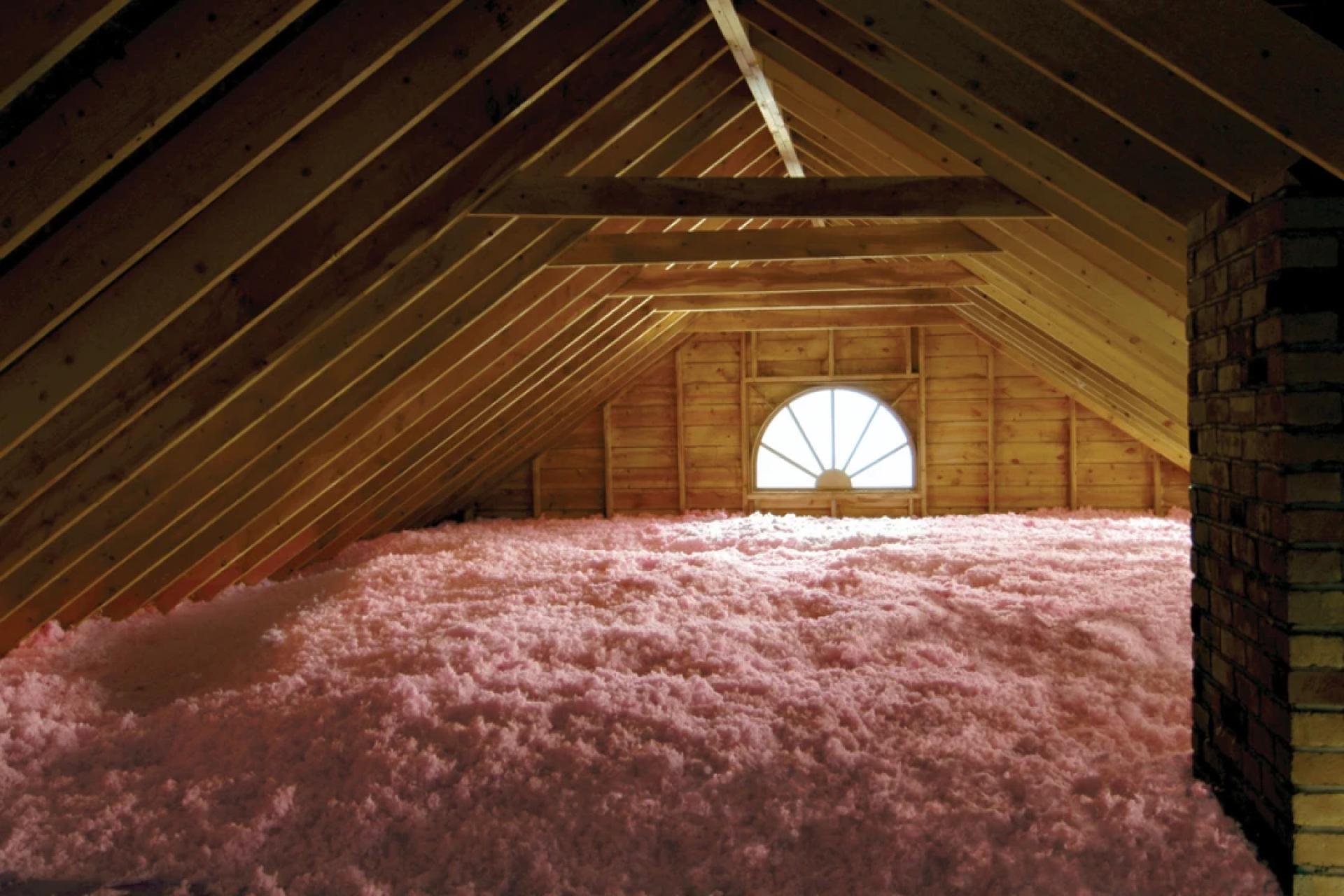
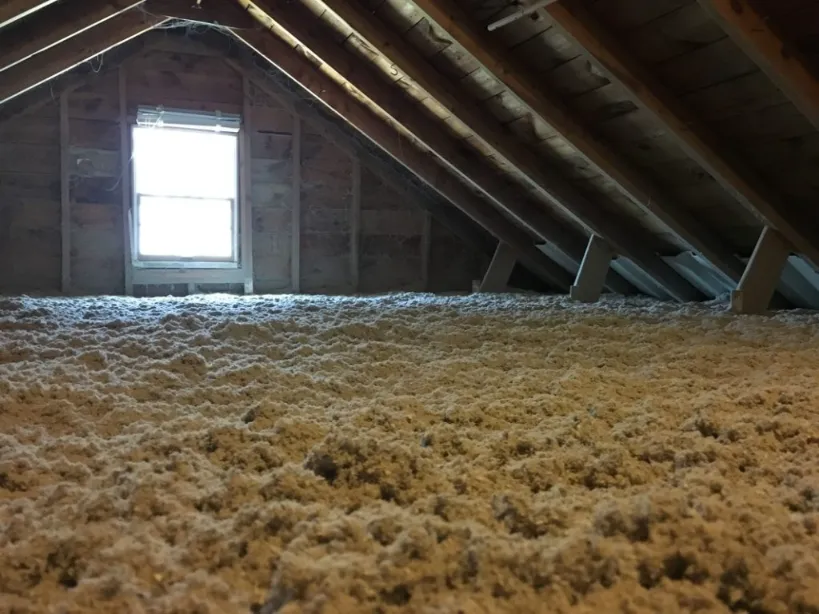
- Settling and Compression: Blown-in fiberglass and cellulose, two of the most common materials used in older homes, can settle and compact over the years. An attic that once had 12 inches of insulation might now have only 6 or 7 inches in some areas. This loss of depth directly translates to a lower R-value and more heat loss.
- Moisture Damage: The insulation in attics and crawl spaces is vulnerable to moisture from roof leaks, condensation, or high humidity. When traditional insulation gets wet, its R-value plummets. Chronic dampness can also lead to mold and mildew growth, which poses a health risk and can cause the insulation to decay.
- Pest Contamination: Attics and crawl spaces are common havens for rodents, insects, and other pests. These critters love to nest in soft insulation, tearing it apart, compressing it, and contaminating it with their droppings. This not only ruins the insulation's performance but also creates an unsanitary environment.
Perhaps the biggest issue with older systems is that they were installed before we fully understood the importance of air sealing. A significant portion of a home's energy loss, some studies say up to 40%, comes from air leakage, not a lack of insulation. An upgrade is the perfect opportunity to address these air leaks.
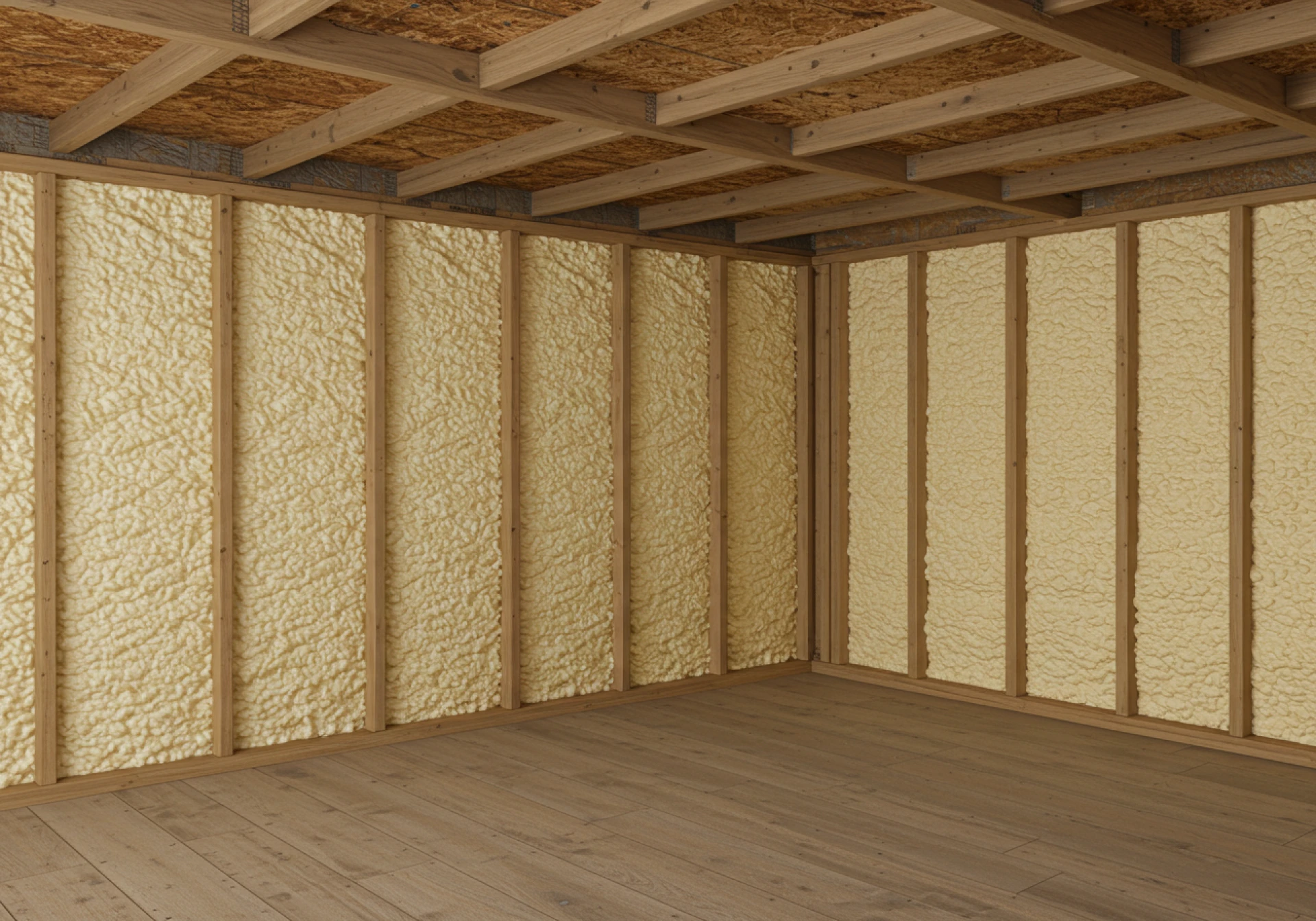
Keeping Pace with Modern Building Science
Our understanding of how homes work has changed dramatically over the last few decades. We now know that a house operates as a system, where insulation, air barriers, and ventilation must all work together.
Energy codes have also become much stricter. A home built in the 1990s might have been insulated to an R-19 standard in the attic. Today, the recommendation in many parts of the country is R-49 or even R-60. A regular insulation upgrade is necessary to bring a home up to modern performance standards, ensuring it is as efficient as a newly built house. This doesn't just save money; it makes the home more resilient to extreme temperatures and rising energy costs.
Bonus Tip: Before upgrading, homeowners can consider a professional home energy audit. An auditor can use tools like a blower door and an infrared camera to pinpoint the exact locations of air leaks and insulation gaps, providing a scientific roadmap for the most effective upgrades.
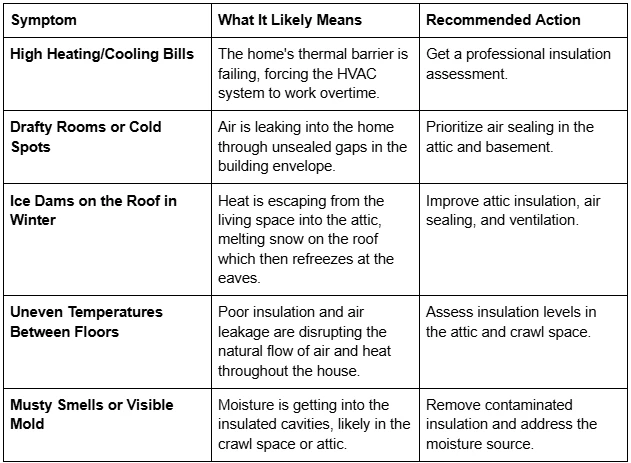
The Visible Signs that an Upgrade is Needed
A home will often provide clear signals that its insulation is no longer performing as it should. Recognizing these signs is the first step toward addressing the problem.
Things to Consider Before Starting an Upgrade
Planning an insulation upgrade involves more than just choosing a contractor. Homeowners should think about their goals and the scope of the project.
- Define Your Main Objective: Is your primary goal to save money, improve the comfort of a specific room, or solve a problem like ice dams? Your main motivation will help determine the best strategy. For example, if comfort in a bonus room is the goal, insulating the floor of that room with spray foam may be the top priority.
- Decide on Scope: Top-Up or Full Replacement? If the existing insulation is in good shape, simply adding more on top (a "top-up") can be a cost-effective solution. However, if there are any signs of moisture or pests, or if extensive air sealing is needed, a full removal and replacement is the better long-term investment.
- Budget for Performance: The cost of an insulation upgrade can vary widely. A simple fiberglass top-up is a low-cost option, while a high-performance upgrade using spray foam to air seal and insulate will cost more upfront. It's important to weigh this initial cost against the long-term energy savings and performance benefits.
Bonus Tip: Before committing to a project, homeowners should check for local utility company rebates or federal tax credits for insulation upgrades. These incentives can significantly reduce the net cost of the project.
Common Questions About Insulation Upgrades
How often should I think about upgrading my insulation?
There's no fixed schedule, but it's a good idea to visually inspect your attic insulation every few years. For homes over 20 years old that have never had an upgrade, it's highly likely that they are under-insulated by today's standards and would benefit significantly from an improvement.
Can I just add a layer of new insulation on top of my old insulation?
Sometimes. If your existing insulation is dry, clean, and not overly compressed, adding a new layer on top is a common practice. However, if the old material is wet, moldy, or filled with pest debris, it absolutely must be removed before new insulation is installed.
Will an insulation upgrade increase my home's value?
Yes. Energy efficiency is a major selling point for modern homebuyers. A well-insulated home with low documented energy bills is more attractive on the market and can be a factor in the home's final appraisal value.
What is the best type of insulation for an upgrade project?
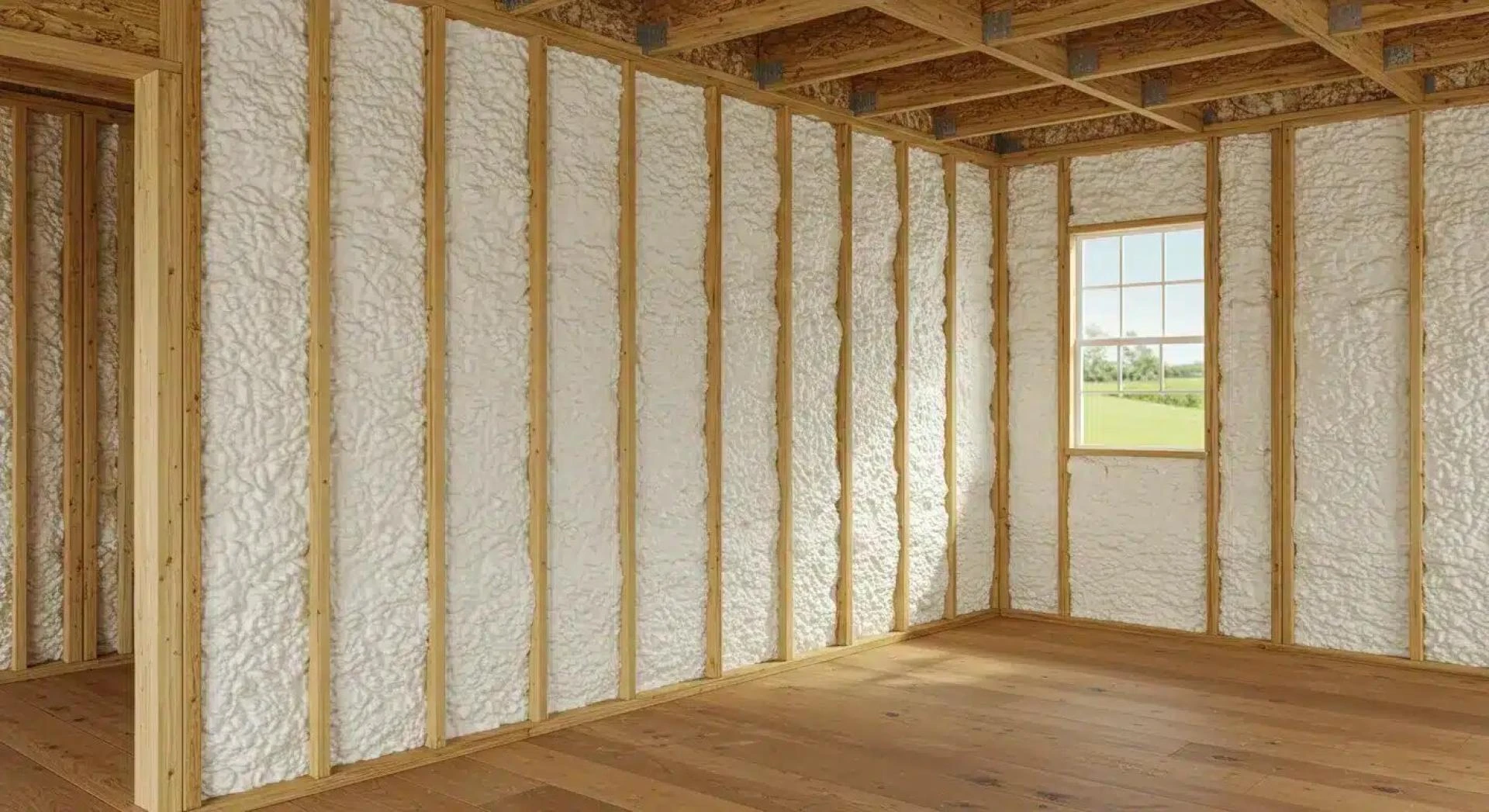
This depends on the situation. For a simple attic top-up, blown-in fiberglass or cellulose are cost-effective. For an older, leaky home, spray foam is often the best choice because it provides both insulation and superior air sealing in one step, addressing the root cause of many energy loss problems.
Is an insulation upgrade a messy process?
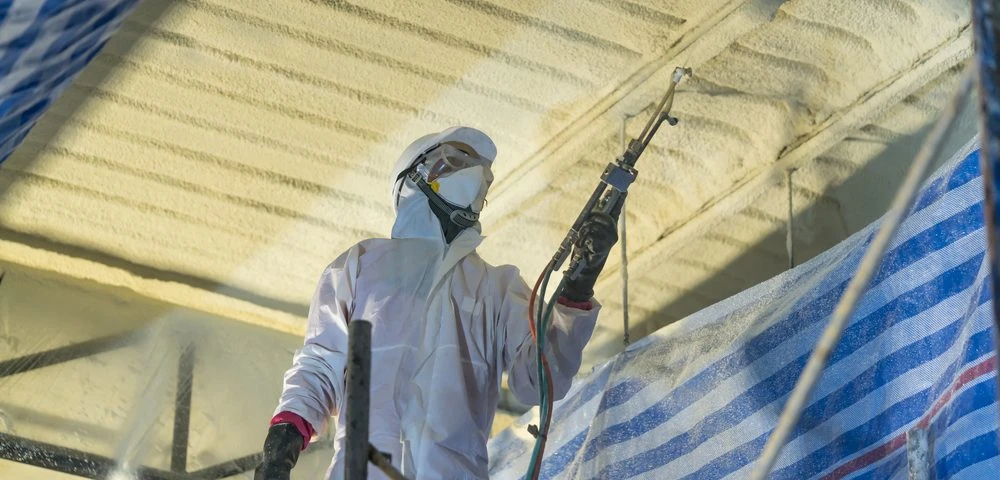
It can be, but a professional crew will take extensive precautions to protect your home. They should use drop cloths, seal off work areas with plastic, and use equipment that minimizes dust. A thorough cleanup should be part of their standard service.
An Essential Part of Home Maintenance
Regular insulation upgrades are a fundamental part of responsible homeownership, much like maintaining the roof or the heating system. Because insulation's performance can decline and building standards improve, an upgrade is a necessary step to ensure a home remains comfortable, healthy, and financially efficient. It's an investment that pays immediate dividends in comfort and delivers financial returns for years to come.
Getting a Professional Evaluation for Your Home
The first step in any upgrade is to understand the current condition of your home's insulation system. A professional assessment can reveal hidden problems and provide a clear path forward. For homeowners looking for a detailed and expert evaluation, a company like Cascadia Spray Foam Insulation of Seattle can offer a comprehensive analysis of your attic, walls, and crawl space. Their team can be reached to schedule a consultation at (425) 386-3500 or by email at [email protected].
Reviewer: Olivia Thompson has spent 10 years working in spray foam insulation, helping companies grow their visibility. She reviewed this article and provided valuable suggestions on how to better align the content with the needs and expectations of customers, ensuring it resonates with the target audience.

























Sign in to leave a comment.