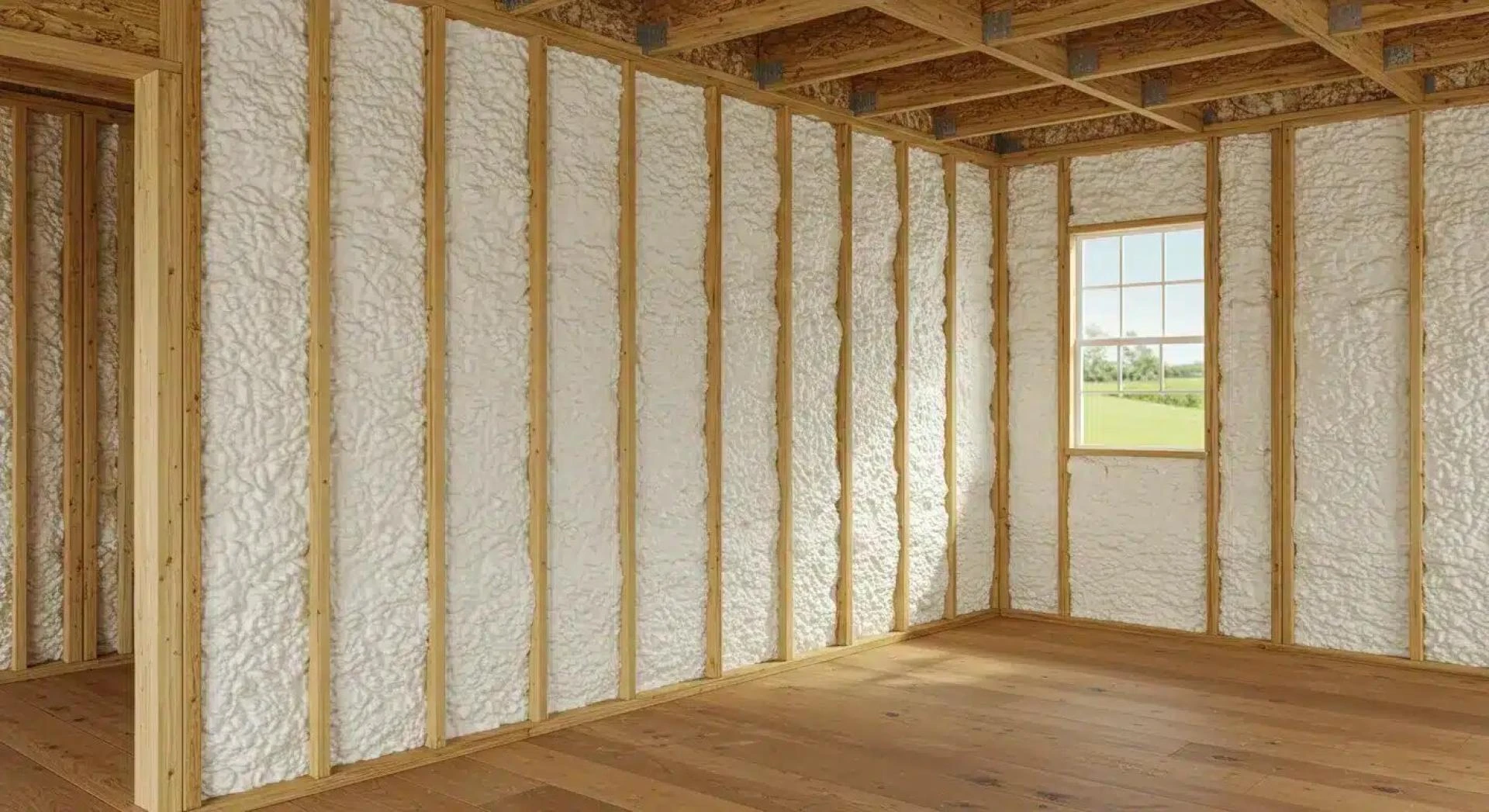

Structural strength depends on residential spray foam insulation because the closed-cell variety acts as a powerful structural adhesive. When applied, it expands and hardens into a dense, rigid plastic that bonds directly to building materials like studs, joists, and sheathing. This process essentially glues the entire building assembly together, significantly increasing its resistance to racking forces from wind and external pressures. The result is not just an insulated cavity but a stronger, more resilient composite structure.
While insulation is primarily chosen for its thermal properties, this structural enhancement is a critical, and often overlooked, benefit. Based on extensive building science and industry experience, this article will explain how closed-cell spray foam contributes directly to a home's durability and long-term stability, moving beyond its role as a simple insulator to become an active structural component.
How Spray Foam Adds Rigidity to Building Assemblies
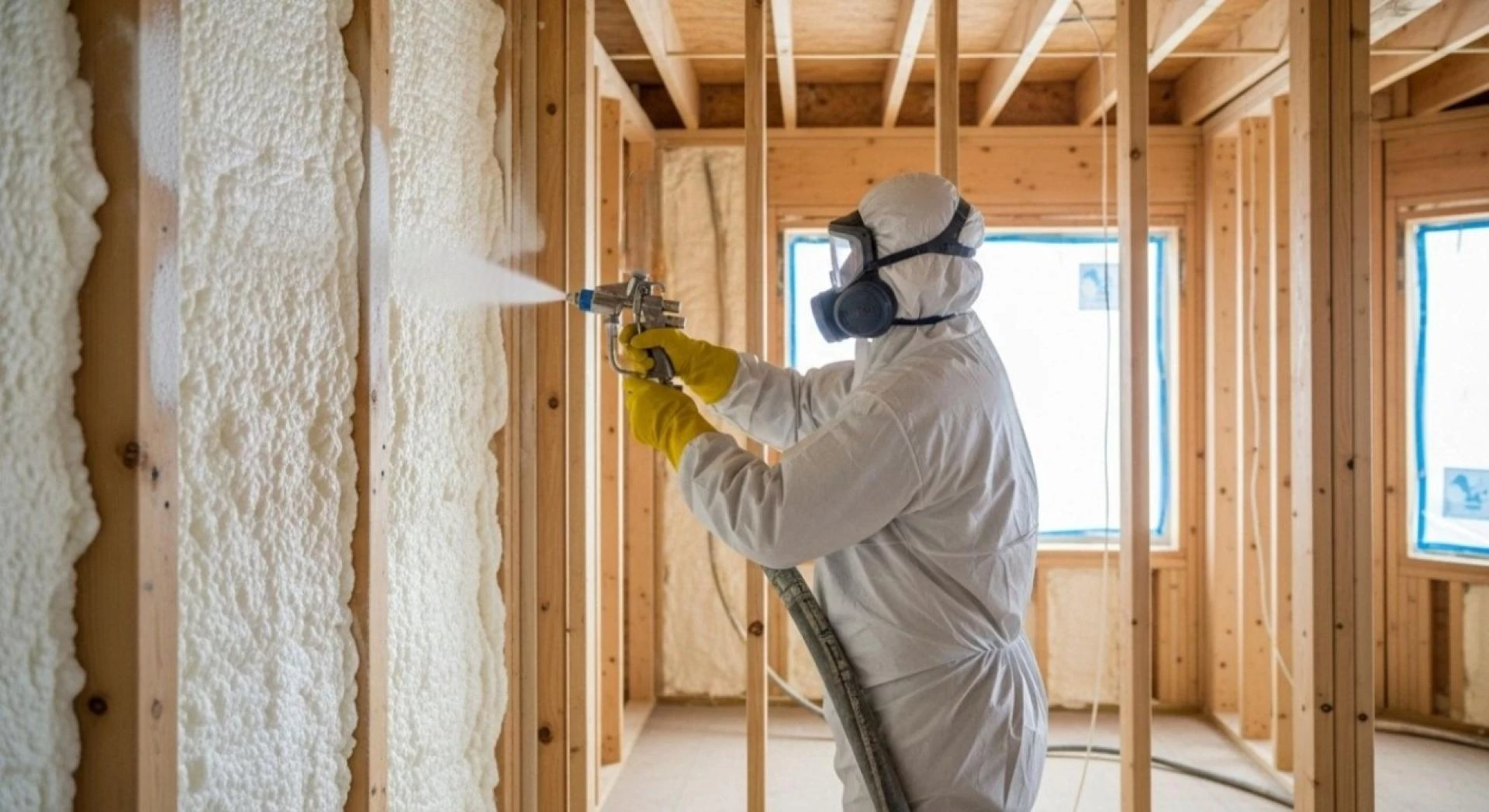
To understand how spray foam strengthens a structure, it's helpful to look at its physical transformation. It's applied as a two-part liquid that, when mixed, creates a chemical reaction. The foam expands to fill a cavity completely and then cures into a solid material. With closed-cell spray foam, this cured material is incredibly dense and strong.
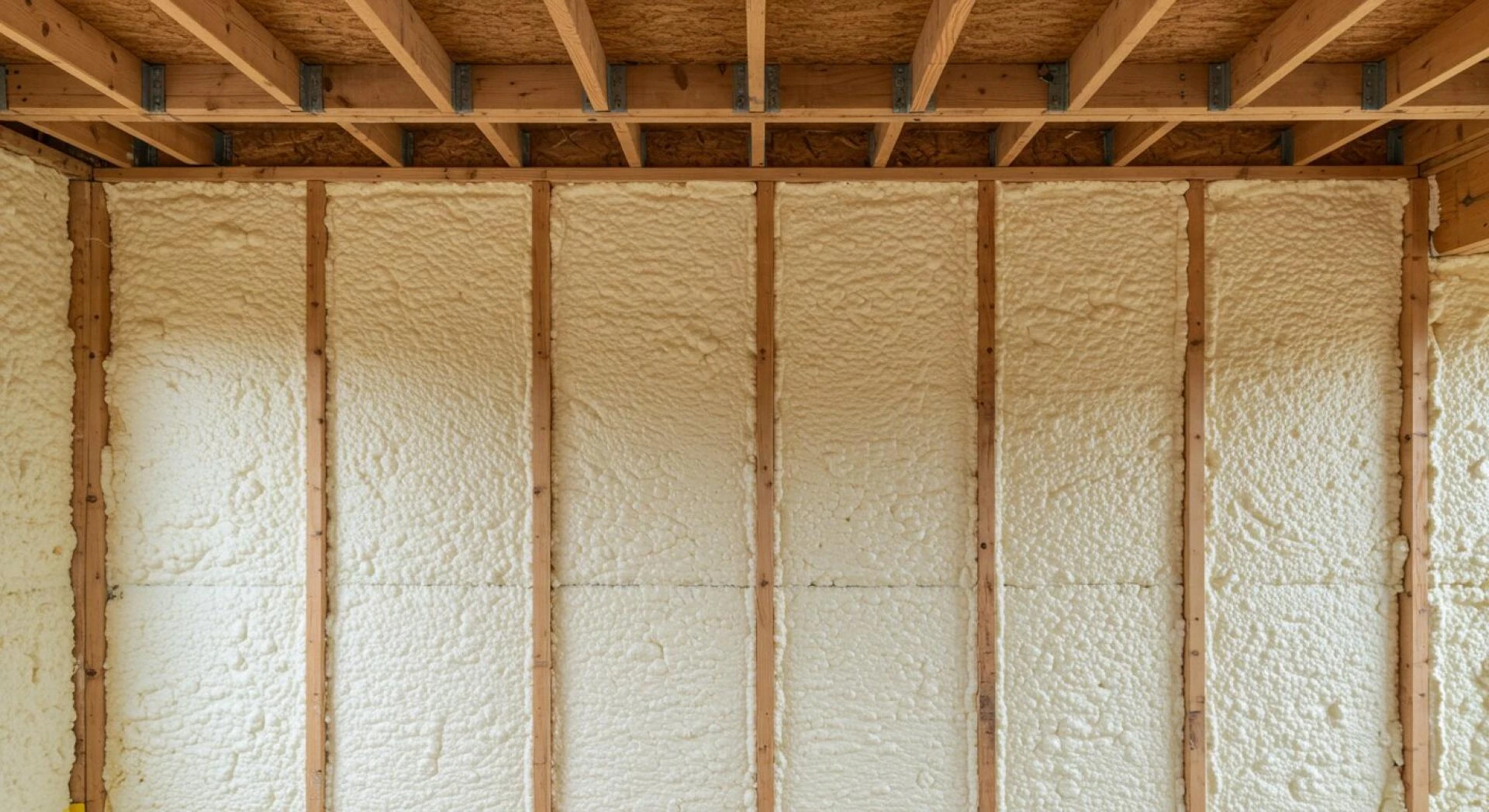
Because it adheres so tenaciously to wood and other surfaces, it effectively fuses the wall studs and sheathing into a single, unified panel. This changes the way the wall handles stress. Instead of individual pieces of lumber working independently, the entire wall assembly works as a system. Some industry tests have shown that a wall insulated with closed-cell spray foam can have a racking strength that is 200% to 300% greater than a wall with traditional insulation. This added rigidity helps the structure resist distortion and maintain its shape under load.
Reinforcing Roofs Against Wind and Weather
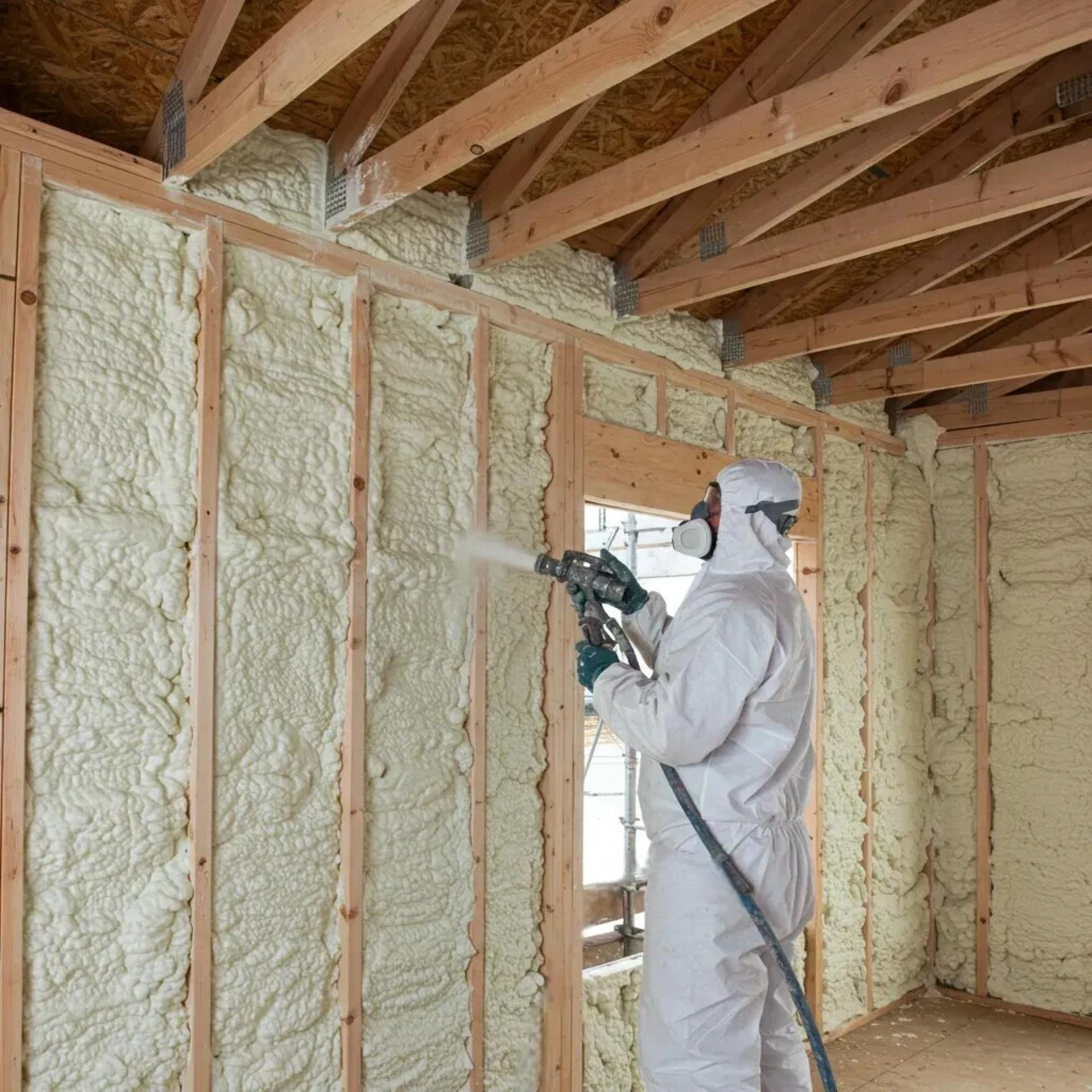
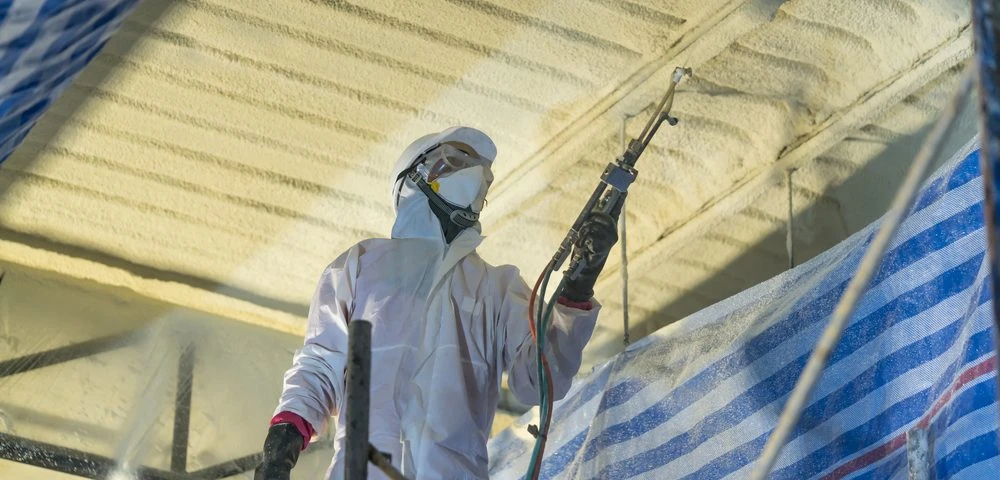
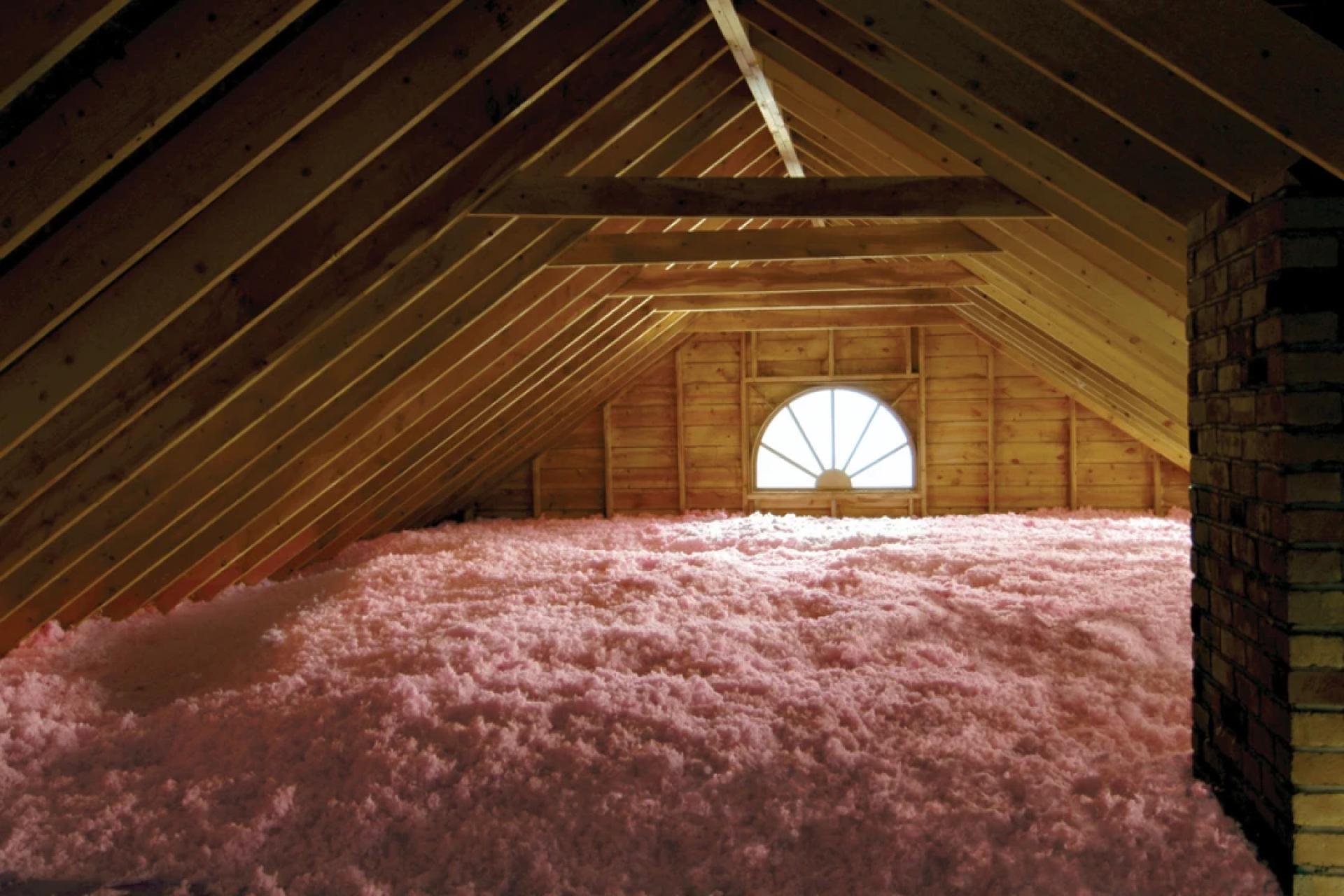
One of the most vulnerable parts of a home during a severe storm is the roof. High winds can create significant pressure differences, leading to a phenomenon known as wind uplift, where the roof is literally pulled away from the house. Closed-cell spray foam applied to the underside of the roof deck provides a powerful defense against this.
The foam creates a continuous bond between the roof sheathing (the plywood or OSB panels) and the roof rafters or trusses. This monolithic bond distributes the load from wind forces across the entire roof structure, rather than concentrating it on individual nails or clips. This can dramatically increase the roof's ability to withstand uplift forces. It also adds a layer of rigidity that helps the roof better manage heavy snow loads, reducing the risk of sagging or structural fatigue over time.
Bonus Tip: For homes located in areas prone to high winds or heavy snowfall, applying at least two inches of closed-cell spray foam to the roof deck is considered a best practice for enhancing structural resilience.
Density and Structural Performance
The structural benefits of spray foam are exclusive to the closed-cell type. The difference lies in their physical structure and density. Open-cell foam is soft and pliable, like a sponge, while closed-cell foam is hard and rigid. The table below outlines the key differences that affect structural performance.
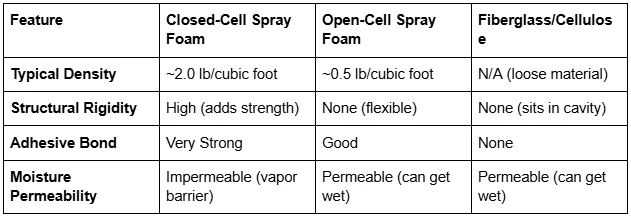
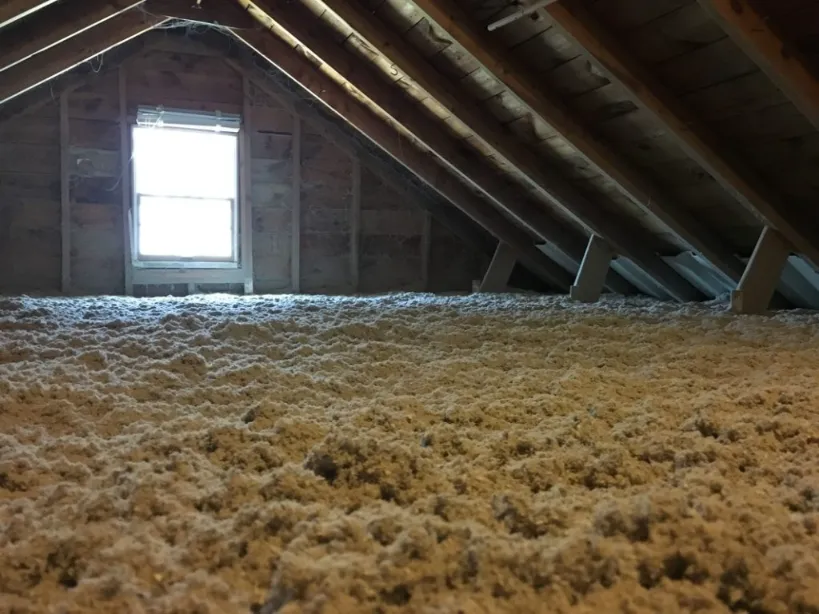
As the table shows, materials like fiberglass and cellulose are simply placed within a wall cavity. They offer excellent thermal resistance but contribute nothing to the wall's strength. In contrast, closed-cell spray foam becomes an integral part of the structure itself.
Long-Term Structural Protection from Moisture and Pests
Beyond adding immediate strength, closed-cell spray foam also protects a home's structural integrity over the long term. Its closed-cell structure makes it waterproof and impermeable to moisture vapor. When applied to foundation walls or the underside of a subfloor, it prevents moisture from seeping into the wood framing. This is a critical benefit, as moisture is the leading cause of wood rot, decay, and mold, all of which can severely weaken a home's structure over time.
Additionally, cured spray foam is an inert plastic. It offers no food value for termites, carpenter ants, or other wood-destroying insects. It also doesn't provide suitable nesting material for rodents. By creating this inhospitable environment, it helps to protect the wooden skeleton of the house from the silent, gradual damage that pests can cause. This dual role of strengthening and protecting is what makes it such a unique building material.
Bonus Tip: In crawl spaces, applying closed-cell spray foam to the foundation walls and rim joists not only insulates but also "encapsulates" the space, protecting the entire floor system above from ground moisture and pests.
Things to Consider Before Making a Decision
While the structural benefits are clear, homeowners should be aware of several key factors.
- Only Closed-Cell Foam is Structural: It is essential to specify closed-cell spray foam if structural reinforcement is a goal. Open-cell foam, while a great insulator and soundproofer, will not add any rigidity to the structure.
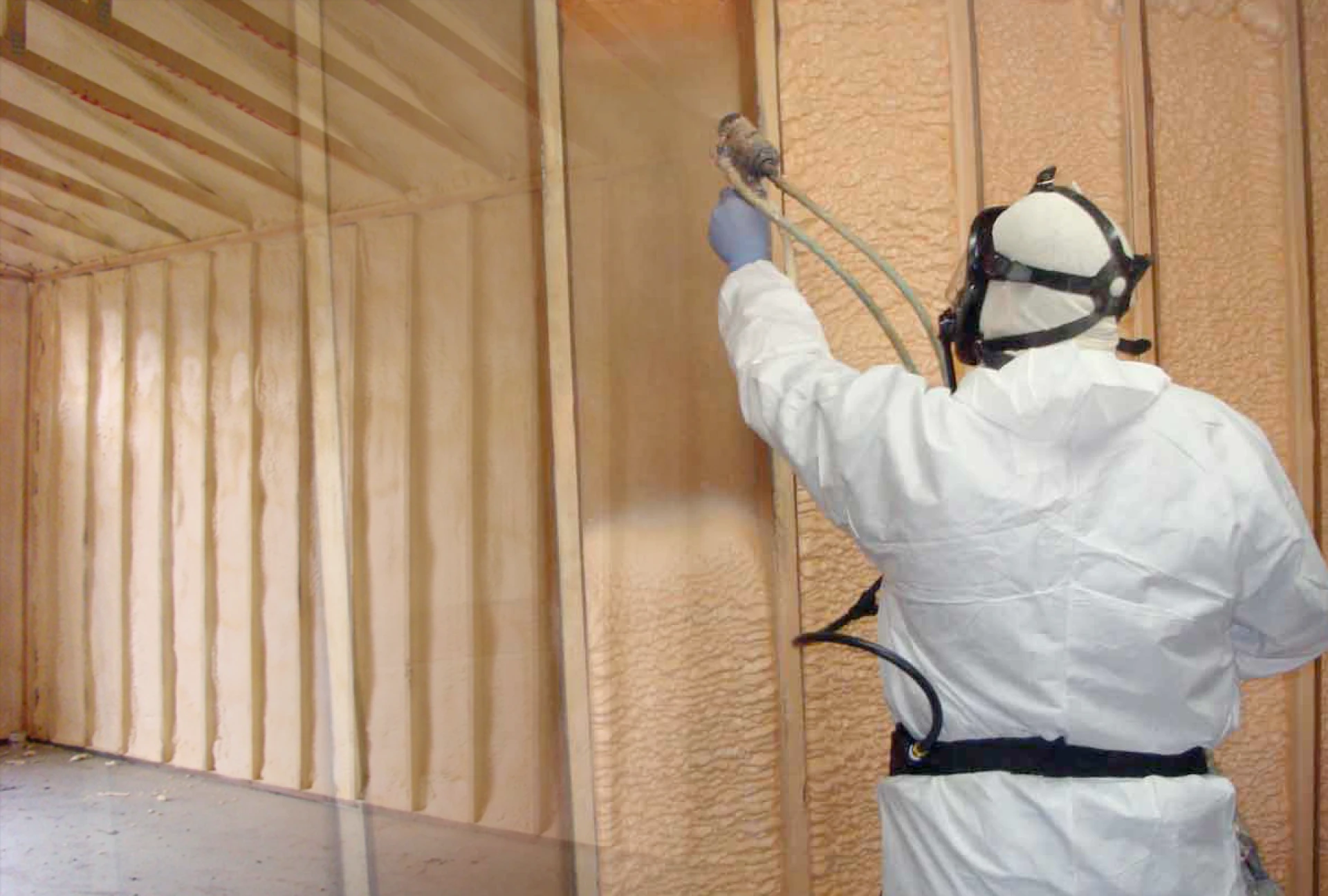
- Professional Installation is Non-Negotiable: The structural properties of the foam depend entirely on a correct chemical ratio and application process. A "bad batch" or improper installation can result in foam that is soft, shrinks, or doesn't adhere properly, negating all structural benefits. Always hire a certified and experienced installer.
- It's a Reinforcement, Not a Repair: Spray foam can strengthen an existing, properly built structure. It cannot be used to fix pre-existing structural problems like rotten wood or a failing foundation. These issues must be addressed by a qualified carpenter or engineer before any insulation is applied.
- Building Code Compliance: While spray foam is widely accepted in building codes, any plans to use it to alter a building's design (for example, reducing the amount of structural bracing) must be approved by a structural engineer and comply with local codes.
Common Questions About Structural Foam
Does open-cell foam also add strength to a house?
No. Open-cell foam is soft and flexible by design. It is an excellent air barrier and soundproofer but has no structural properties. The strength comes from the dense, rigid nature of closed-cell foam.
Can spray foam be used to fix a sagging floor or wall?
No. Spray foam is not a repair product for existing structural failures. A sagging floor or bowing wall indicates an underlying problem that must be corrected by a professional framer or engineer before insulation is considered.
How much strength does closed-cell foam actually add?
The amount varies depending on the specific application, framing, and thickness of the foam. However, independent laboratory tests have consistently shown significant increases in racking strength in walls and uplift resistance in roofs, often by over 200%.
Will the added weight of the foam be a problem for my home's structure?
No. While closed-cell foam is dense, it is also very strong for its weight. A typical application adds a negligible amount of weight that is easily supported by standard home framing.
Does the structural benefit of spray foam decrease over time?
No. Once cured, closed-cell spray foam is a very stable plastic. It will not shrink, sag, or lose its strength over the life of the home. Its structural contribution is permanent.
A Stronger, More Durable Home
The decision to use closed-cell spray foam insulation is an investment in both energy efficiency and the fundamental strength of a home. It is one of the few building products that serves dual roles, acting as a high-performance insulator while also becoming an integrated structural component. By bonding the building frame together, reinforcing it against external forces, and protecting it from long-term threats like moisture and pests, it builds a more durable, resilient, and lasting home.
Getting a Professional Structural Assessment
Understanding how closed-cell spray foam can specifically benefit your home's structure requires an expert evaluation. A professional can assess your home's framing and identify areas where the structural advantages of spray foam would be most impactful. For a detailed consultation, homeowners can turn to a specialized company like Cascadia Spray Foam Insulation of Seattle. Their team can provide insights on the structural and thermal benefits for your property. They can be reached by phone at (425) 386-3500 or by email at [email protected].
Reviewer: Olivia Thompson has spent 10 years working in spray foam insulation, helping companies grow their visibility. She reviewed this article and provided valuable suggestions on how to better align the content with the needs and expectations of customers, ensuring it resonates with the target audience.























Sign in to leave a comment.