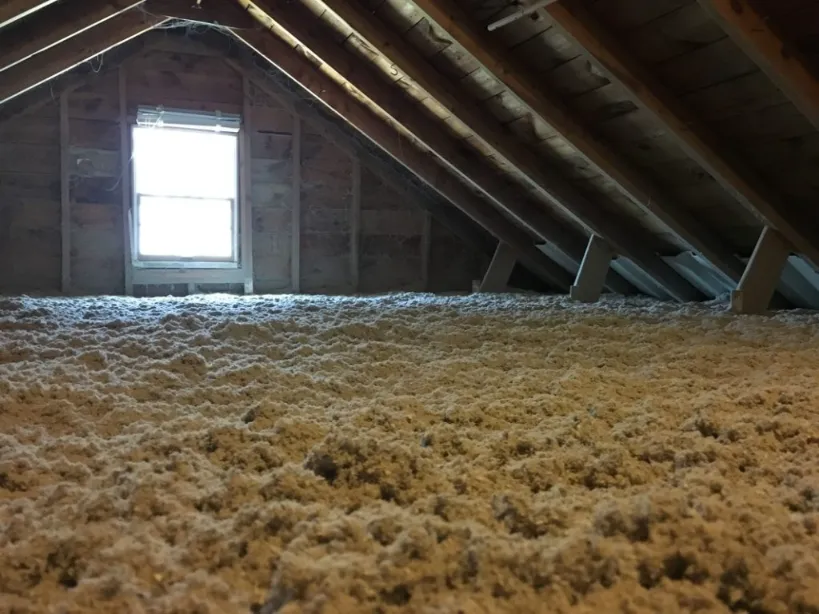

The right attic insulation improves a home's performance by establishing a continuous thermal and air barrier at the highest point of the building envelope, effectively capping the structure to prevent conditioned air from escaping. When an attic is properly insulated and air-sealed, it neutralizes the "stack effect," a phenomenon where warm air rises and leaks out through the roof, creating a vacuum that pulls cold, outdoor air in through the lower levels. By stopping this cycle, the home maintains consistent indoor temperatures, reduces the workload on heating and cooling systems, and eliminates the drafts that cause discomfort in living areas.
Many homeowners view insulation merely as a fluffy material meant to keep a house warm, but its role is far more dynamic. It functions as the primary defense against energy waste and moisture intrusion. A well-performing attic insulation system separates the living environment from extreme outdoor temperatures and humidity. This article examines the physics behind attic efficiency, compares material options, and explains why upgrading this single area often yields the highest return on investment for property owners looking to improve their living space.
The Physics of Attic Efficiency
Heat moves in three ways: conduction, convection, and radiation. In the winter, the heat generated by a furnace naturally moves toward cooler areas. Without a robust barrier in the attic, this heat conducts through the ceiling drywall and radiates into the cold attic space.
Simultaneously, convection currents carry warm air through gaps around light fixtures, plumbing vents, and attic hatches. This escaping air represents a direct financial loss. The right insulation strategy addresses both conduction (using materials with high thermal resistance or R-value) and convection (using air-sealing techniques).
Stopping the Stack Effect
The stack effect is the engine that drives energy inefficiency in most multi-story homes. As heated air escapes the attic, it creates negative pressure in the basement and ground floor. This pressure difference sucks cold outside air into the home through cracks in the foundation, windows, and doors.
By sealing the attic floor or the roof deck, homeowners effectively put a lid on the container. This eliminates the upward draft. Market data indicates that sealing air leaks in the attic can reduce heating and cooling costs by an average of 15% to 20%, proving that airflow management is just as critical as thermal resistance.
Reducing Strain on Mechanical Systems
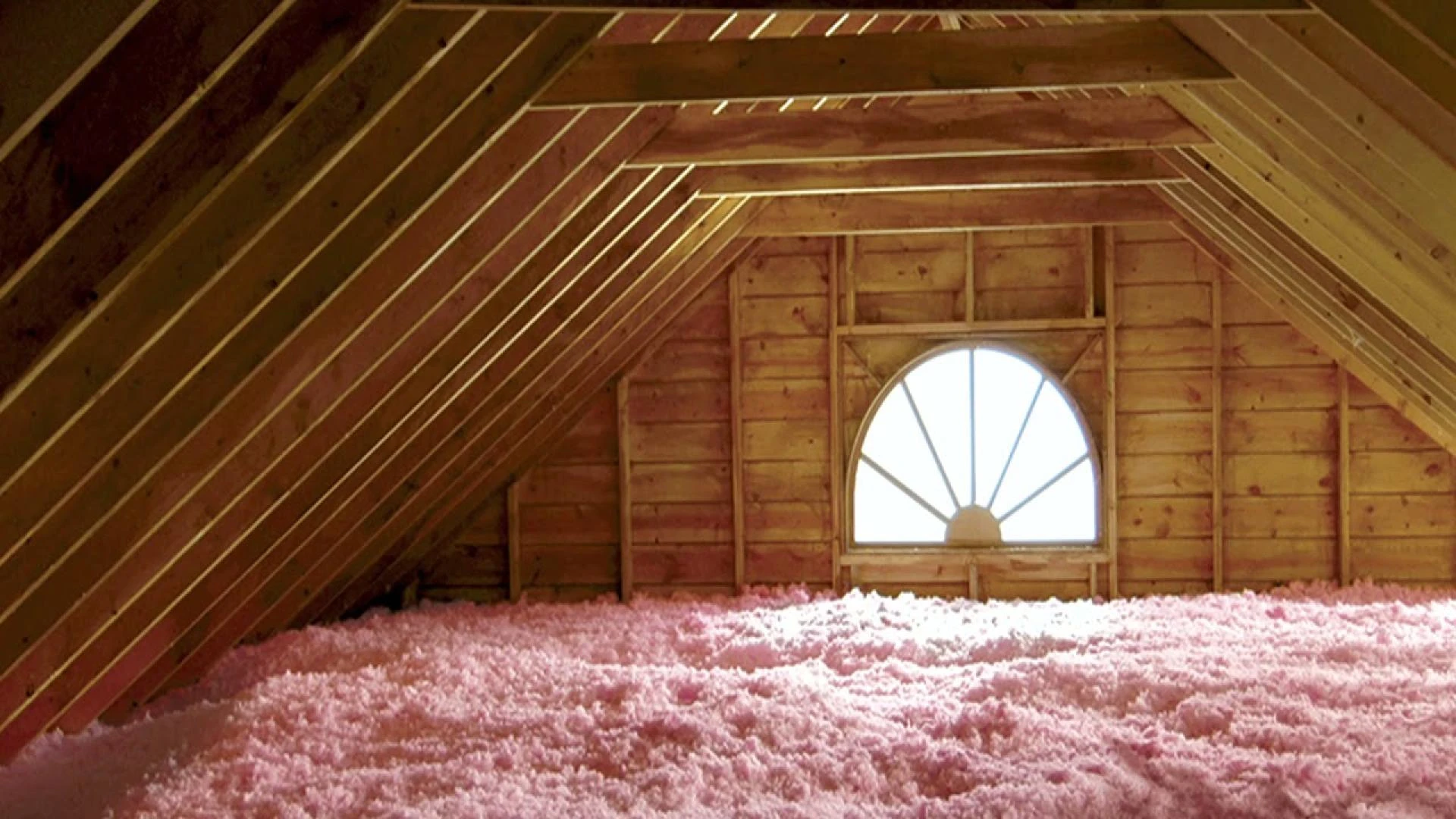
When the attic is secure, the HVAC system operates in a stable environment. It does not have to fight against a constant influx of unconditioned air. This stability allows the furnace and air conditioner to run for shorter, more efficient cycles.
Reduced runtime translates to less wear and tear on motors, fans, and compressors. Over time, this extends the lifespan of expensive mechanical equipment and delays the need for replacement. A high-performance attic essentially helps the rest of the house's systems last longer.
Bonus Tip: Inspect Ductwork
If HVAC ducts run through the attic, they should be buried in insulation or encapsulated with spray foam. Ducts in an unconditioned attic can lose significant energy. Insulating them ensures the air arriving in the bedroom is the same temperature as the air leaving the furnace.
Moisture Management in Pacific Northwest Climates
For homes in Seattle and the surrounding region, managing moisture is a primary function of attic insulation. Warm air carries water vapor. If this vapor leaks into a cold attic during the winter, it can condense on the underside of the roof deck.
This condensation leads to mold growth and wood rot, often referred to as "attic rain." The right insulation prevents this by stopping the warm, moist air from reaching cold surfaces. In Climate Zone 4C, preventing airflow from the living space to the attic is the most effective way to protect the roof structure from moisture damage.
Comparing Attic Insulation Options
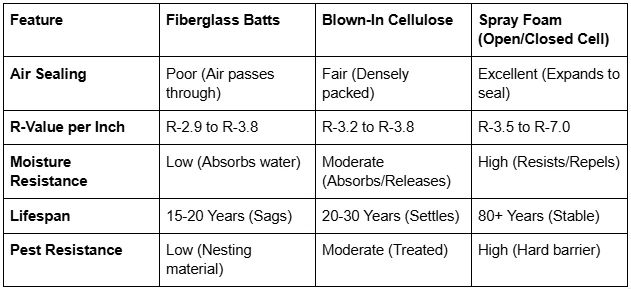
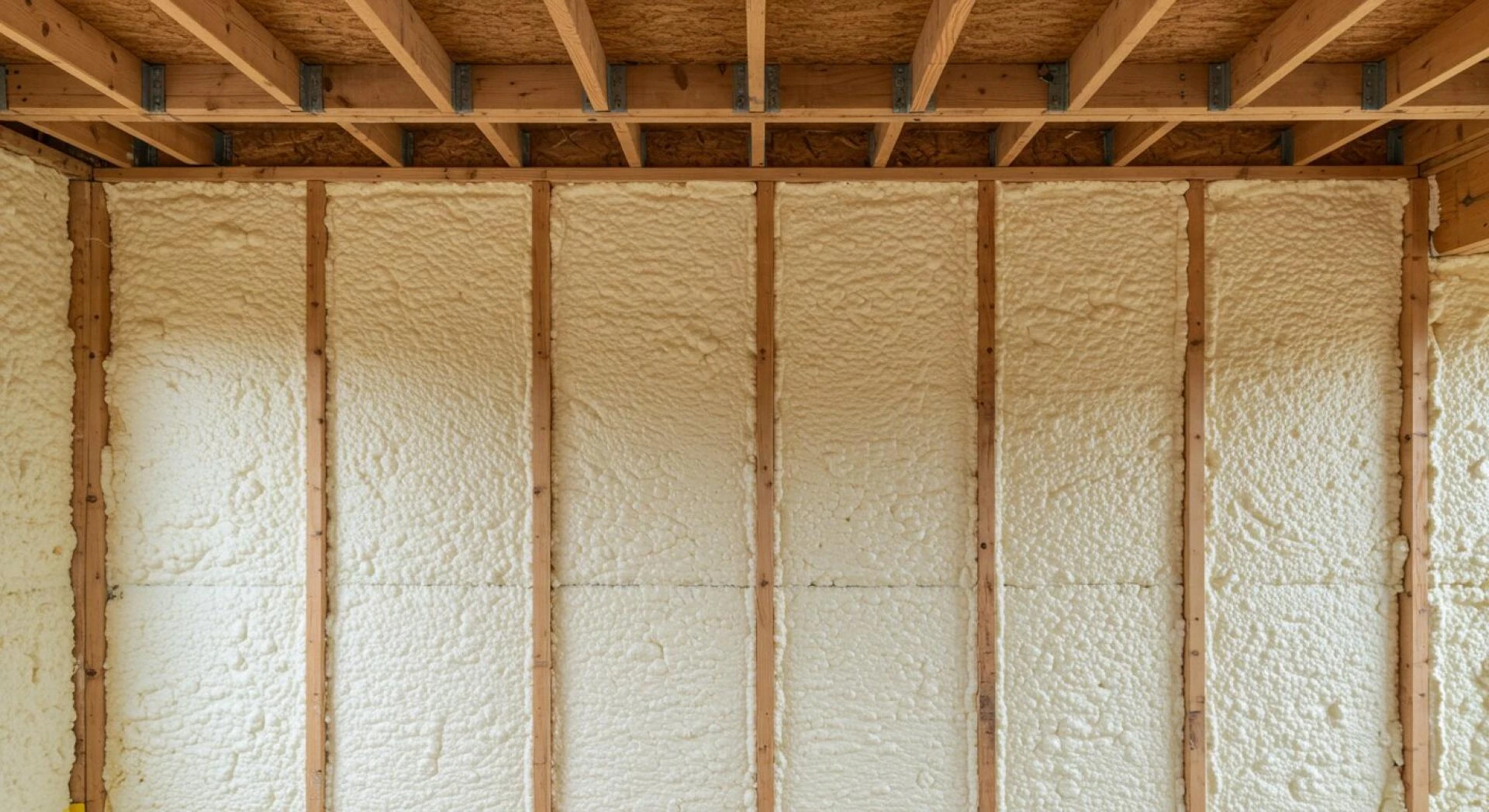
Selecting the right material involves balancing performance, longevity, and budget. While fiberglass is common, modern materials like spray foam offer superior air-sealing capabilities.
The following table outlines the key differences between common attic insulation materials.
Things to Consider Before Making a Decision
Before upgrading attic insulation, property owners must evaluate the current state of their home and their long-term goals. The "right" insulation depends on how the attic is used and the condition of the existing structure.
Vented vs. Unvented Assemblies
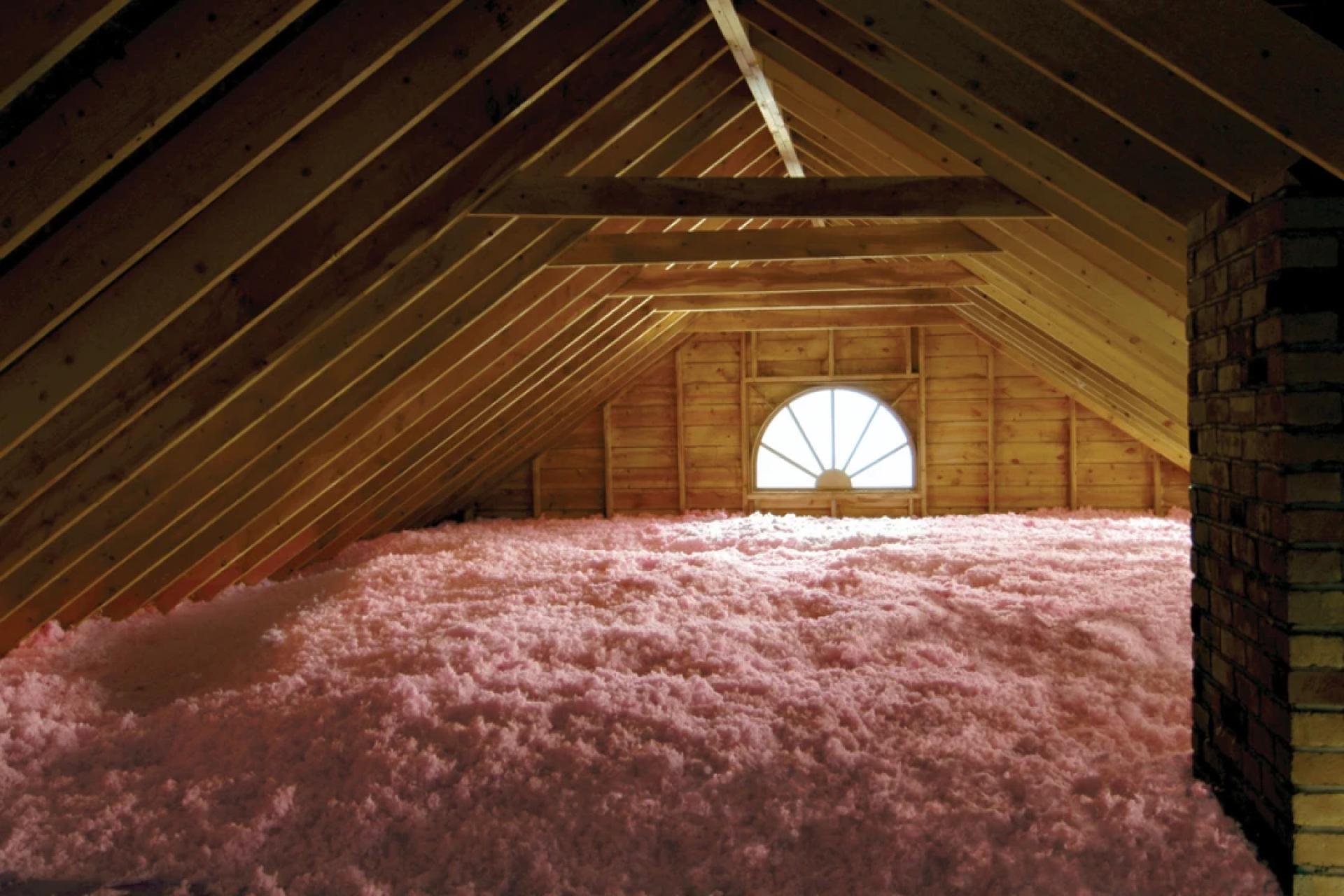
A traditional "vented" attic places insulation on the attic floor, keeping the attic space cold and ventilated with outdoor air. This is effective if the air sealing on the floor is perfect.
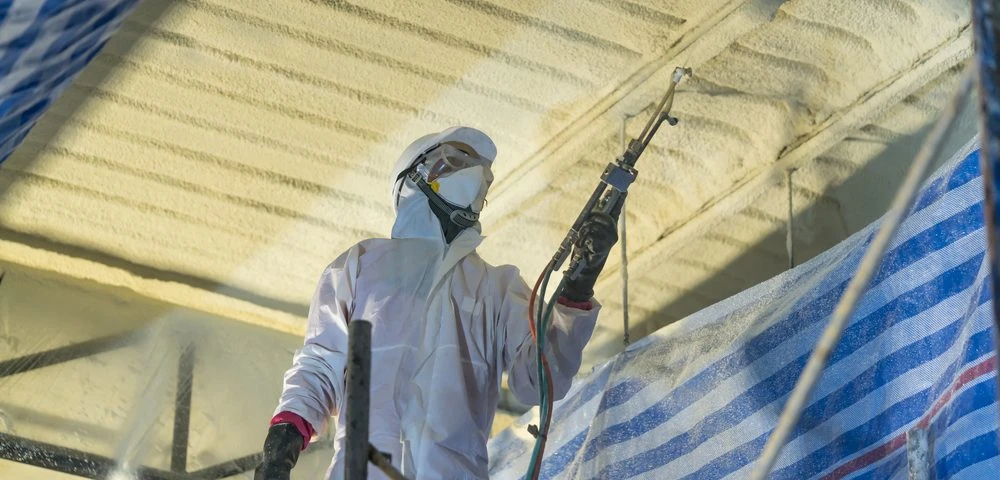
An "unvented" attic assembly involves applying spray foam directly to the underside of the roof deck. This brings the attic space inside the thermal envelope. This approach is superior for homes with HVAC equipment or ductwork in the attic, as it keeps the equipment in a conditioned environment.
Removal of Old Insulation
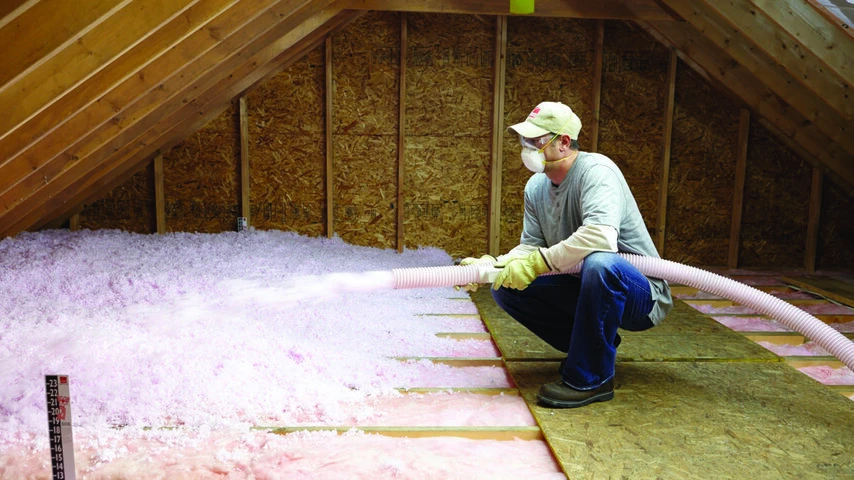
Adding new material over old, dirty insulation is often a mistake. Old insulation may contain rodent droppings, dust mites, and mold spores. It can also hide air leaks that need to be sealed.
Removing the old material allows installers to inspect the electrical wiring and ceiling joists. It provides a clean surface for air sealing gaps with foam or caulk before the new insulation is installed. This preparation step is vital for achieving maximum performance.
Bonus Tip: Check for Knob-and-Tube Wiring
In older Seattle homes, active knob-and-tube wiring cannot be covered by insulation due to fire risks. An electrical inspection is a necessary prerequisite before adding insulation to any pre-1950s home.
Common Questions About Attic Insulation
How do I know if my attic insulation is sufficient?
A quick visual check can help. If the insulation is level with or below the floor joists, you likely need more. Also, looking for "valleys" or low spots can indicate settling. Uneven temperatures between the upper and lower floors are a strong operational indicator of poor attic performance.
Will adding insulation damage my roof shingles?
There is a myth that insulating the roof deck (unvented attic) "cooks" the shingles. Studies show that the temperature increase is negligible, typically only a few degrees, and does not significantly impact the lifespan of modern asphalt shingles.
Can I just add more insulation on top of what I have?
You can, provided the old insulation is dry and free of pests. However, doing so without air sealing the floor first will reduce the effectiveness of the new layer. Air leaks will still carry heat through the new material if the bypasses underneath are not blocked.
Does attic insulation help in the summer?
Yes. It prevents the intense heat radiating from the roof from penetrating the living space. This keeps the upper floors cooler and reduces the load on air conditioning units, which is increasingly important during Seattle's warmer summers.
Is spray foam safe for residential attics?
Yes, when installed by certified professionals who follow proper ventilation and re-entry protocols. Once cured, the foam is inert and off-gases no harmful fumes. It also improves indoor air quality by sealing out dust and allergens from the attic.
Final Thoughts on Home Performance
Upgrading attic insulation is a foundational step in creating a high-performance home. It addresses the physics of heat loss and air movement at their most critical point. By establishing a solid thermal barrier, homeowners can transform a drafty, inefficient house into a comfortable, energy-smart residence.
For those living in the Pacific Northwest, the added protection against moisture intrusion makes this upgrade essential for structural preservation. Whether choosing to top up existing insulation or convert to a modern unvented attic system, the result is a home that works better, costs less to operate, and provides a healthier environment for its occupants.
Learn more about how open-cell spray foam trends are shifting toward sustainable and flexible insulation solutions designed for modern buildings.
Expert Assistance for Your Attic
For Seattle homeowners ready to improve their home's efficiency, professional guidance ensures the job is done correctly. The team at Cascadia Spray Foam Insulation of Seattle specializes in attic retrofits and energy-efficient upgrades tailored to the local climate. They provide comprehensive assessments to determine if a vented or unvented assembly is best for the specific property.
To discuss your attic project or to schedule an inspection, readers can contact the office at (425) 386-3500. Detailed inquiries about services can also be sent via email to [email protected].
Reviewer: Olivia Thompson has spent 10 years working in spray foam insulation, helping companies grow their visibility. She reviewed this article and provided valuable suggestions to better align the content with customers' needs and expectations, ensuring it resonates with the target audience.





















Sign in to leave a comment.