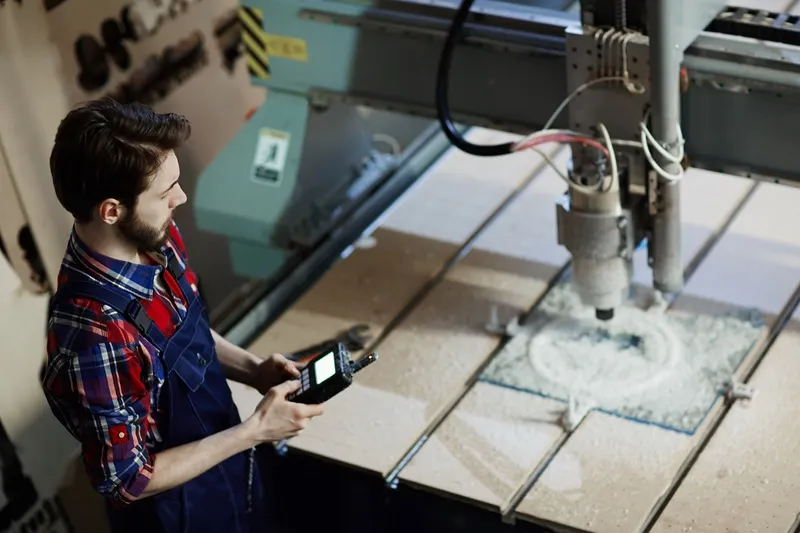

For many Australian manufacturers, reducing waste is no longer just about saving money. It has become part of running a smarter and responsible business. Rising material costs, tighter production schedules and growing customer expectations are encouraging businesses to look closely at every stage of their manufacturing process. Even small improvements in efficiency can make a noticeable difference over the course of a year.
One area that has seen significant change is the way materials are cut and prepared. Traditional cutting methods have served manufacturers well for decades, but they often produce offcuts, inconsistencies and unnecessary material loss. Precision laser cutting offers a different approach. By creating clean, accurate cuts with minimal waste, it allows businesses to make better use of every sheet of material while maintaining a consistently high standard of quality.
For manufacturers producing everything from retail displays to industrial components, laser cutting has become more than a production tool. It has become an important part of building a more efficient business.
Every sheet of material has value
Whether a business works with acrylic, timber, stainless steel or other materials, every sheet represents an investment. When material is wasted, that investment is reduced before the finished product has even been assembled.
Many manufacturers have experienced the frustration of seeing usable material left behind because of inefficient layouts or cutting methods. Those small pieces may not seem significant on a single job, but when multiplied across hundreds or thousands of projects, the cost becomes substantial.
Precision laser cutting helps address this challenge by making better use of available material. Components can often be arranged more efficiently before cutting begins, reducing unnecessary offcuts and allowing manufacturers to maximise each sheet. The result is less waste, better productivity and improved value from every order.
Accuracy changes everything
When components are produced with precise dimensions, they fit together properly from the beginning. There is less need for adjustments, rework or replacing incorrectly cut pieces. Every successful cut means fewer discarded materials and less time spent correcting mistakes.
This level of accuracy is particularly valuable for businesses producing repeat orders. Customers expect every product to match the last one they received. Precision cutting makes that possible while also reducing the amount of material lost during production.
Instead of treating waste as an unavoidable part of manufacturing, many businesses are discovering that careful planning and accurate cutting significantly reduce it.
Better planning before the first cut
Modern laser cutting workflows allow manufacturers to arrange multiple parts across a sheet before production begins. This planning process helps position each component in a way that uses the material efficiently while maintaining the quality of every finished piece.
For businesses producing multiple products from the same material, this flexibility is particularly useful. Different parts can often be combined into a single cutting layout, reducing unused sections and improving productivity without compromising quality.
This thoughtful approach benefits both manufacturers and customers by reducing unnecessary costs throughout the production process.
Small production runs become more practical
Traditional manufacturing often encouraged businesses to produce large quantities at once. While this approach worked well in some situations, it also created unnecessary waste when products changed or demand was lower than expected.
Laser cutting supports smaller production runs much more effectively.
Manufacturers can produce only the quantity required rather than filling warehouses with excess stock. If a design changes or a customer requests modifications, adjustments can often be made before the next production run without discarding large numbers of finished products.
This flexibility helps businesses respond more quickly to changing customer needs while avoiding unnecessary material waste.
Acrylic is one material benefiting from precision
Acrylic continues to grow in popularity across many Australian industries. It is widely used for signage, retail displays, architectural features and decorative products because of its appearance and versatility.
However, acrylic also demands careful handling. Poor cutting methods can create rough edges, cracking or unnecessary waste that increases production costs.
Professional acrylic laser cutting produces smooth, accurate edges while minimising material loss. Because the cuts are so precise, manufacturers are able to make better use of each sheet and reduce the amount of acrylic that ends up discarded.
For businesses producing custom displays or branded products, this combination of quality and efficiency is particularly valuable.
Custom work no longer means unnecessary waste
One common misconception is that customised products always create more waste than standard production.
In reality, modern laser cutting has made custom manufacturing much more efficient.
Businesses creating custom stencils, branded signage, personalised displays or promotional products can now produce individual designs without needing expensive tooling or large production runs. Digital files can be adjusted quickly, allowing manufacturers to respond to customer requests without starting the entire production process again.
This means businesses can offer greater flexibility while still managing materials responsibly.
For customers, it also means receiving products designed specifically for their needs rather than settling for standard solutions.
Reducing waste also improves productivity
Material waste is only one part of the equation.
When fewer mistakes occur, production moves more smoothly. Employees spend less time correcting errors, replacing damaged materials or repeating processes that should have been completed correctly the first time.
This improved workflow benefits the entire manufacturing operation.
Projects can often move from design to production more efficiently, helping businesses meet deadlines while maintaining quality standards. Customers receive their orders sooner and manufacturers spend more time creating products rather than fixing avoidable problems.
Waste reduction and productivity often improve together because both rely on careful planning and consistent execution.
Supporting more sustainable manufacturing
Many Australian businesses are looking for practical ways to reduce their environmental impact.
While no manufacturing process eliminates waste completely, using materials more efficiently is an important step in the right direction. Producing fewer offcuts means fewer materials require disposal and fewer replacement sheets need to be purchased.
Customers are also becoming more aware of how products are made. Many appreciate working with businesses that actively look for ways to improve efficiency and reduce unnecessary waste without compromising quality.
Laser cutting supports these goals by helping manufacturers achieve better outcomes with the materials they already have.
Why experience still matters
Technology plays an important role, but successful manufacturing is never about machines alone.
Experienced operators understand how different materials respond during cutting. They know how to position components efficiently, choose appropriate settings and identify opportunities to improve production without affecting quality.
This combination of technical knowledge and practical experience allows manufacturers to achieve consistently strong results across a wide range of projects.
Whether producing industrial components, retail displays or custom stencils, attention to detail remains one of the biggest factors in reducing waste and maintaining quality.
Final thoughts
Australian manufacturers continue looking for ways to improve efficiency while managing rising costs and meeting customer expectations. Precision laser cutting has become an important part of that journey because it allows businesses to use materials more effectively, reduce unnecessary waste and produce consistently accurate results.
From acrylic laser cutting for retail displays to custom stencils for specialised applications, precision manufacturing helps businesses achieve more with every sheet of material. Better planning, accurate cutting and flexible production all contribute to lower waste and higher quality outcomes.
As manufacturing continues to evolve, businesses that focus on efficiency rather than excess will be well placed to meet changing customer needs while making the most of every project. Precision laser cutting is helping make that possible, one carefully planned cut at a time.

























Sign in to leave a comment.