

The digital world never sleeps, and neither does social media. From scheduling posts to analysing performance, today’s social media managers juggle countless tasks. But thanks to automation, the job looks very different from what it did even a few years ago.
So, how exactly is automation changing the game, and what does it mean for the humans behind the screens? Let’s explore.
From Manual Work to Smart Workflows
Not too long ago, managing social media meant doing everything manually, like posting updates, tracking performance, and replying to comments in real time.
Now, automation tools like Buffer, Hootsuite, and Later have taken over most of the repetitive work. They help you:
- Schedule posts weeks or even months in advance.
- Maintain consistent posting times across multiple platforms.
- Monitor engagement and performance automatically.
This shift allows social media managers to focus on what truly matters: strategy, creativity, and storytelling.
Example:
A social media manager handling multiple clients can now plan and schedule campaigns for an entire month using Buffer, while dedicating more time to brainstorming creative ideas for brand engagement.
Automation isn’t replacing creativity; it’s amplifying it.
Smarter Insights, Faster Decisions
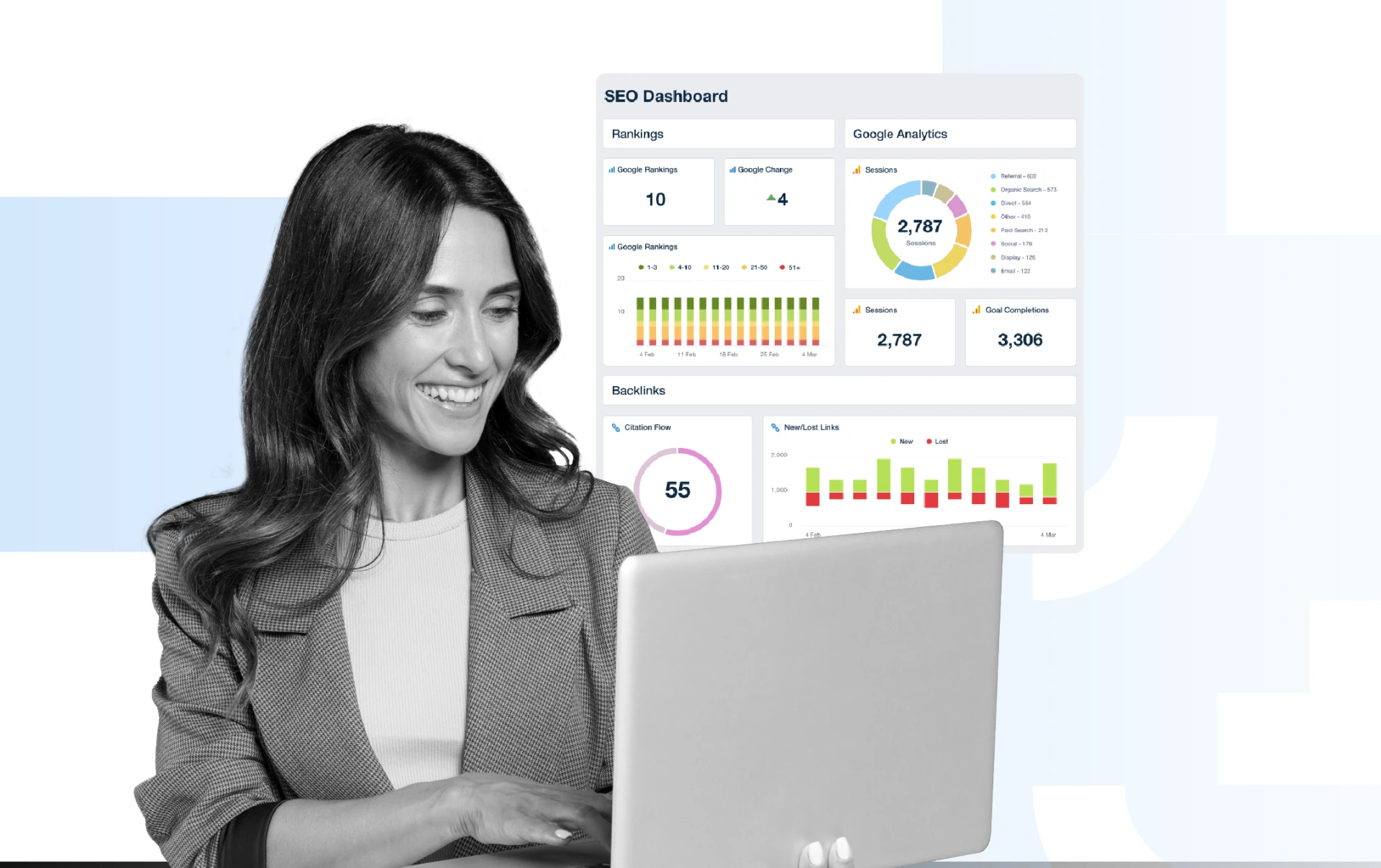
Analytics used to mean endless spreadsheets and manual number-crunching. But now, AI-powered tools turn raw data into meaningful insights almost instantly.
Today’s automation platforms can:
- Identify top-performing content automatically.
- Suggest the best time to post for maximum reach.
- Highlight what’s driving conversions or sales.
Example:
An eCommerce brand can use Sprout Social or HubSpot to learn that product demo videos on Instagram generate 65% more engagement than still images, leading them to invest more in short-form video.
And when you hire social media manager, this data can be aligned with campaign insights and audience analytics ensuring your social and search strategies reinforce each other for better visibility and growth.
Personalisation at Scale
One of automation’s biggest advantages is the ability to deliver personalised content to different audience segments without spending hours doing it manually.
Modern tools can automatically adjust:
- Post captions based on user interests or location.
- Recommendations based on engagement history.
- Visuals or CTAs depending on demographic data.
Imagine launching a nationwide campaign where audiences in London see different messages from those in Manchester, all automatically tailored for relevance.
But here’s the key: automation can personalise content, not emotions. The human touch, empathy, humour, tone still comes from the manager who knows the audience best.
Better Brand Protection Through Automation
In a world where brand reputation can change overnight, automation helps managers stay one step ahead.
With social listening tools like Brandwatch or Mention, teams can:
- Detect negative sentiment before it becomes a PR crisis.
- Track keywords, mentions, and trending topics in real time.
- Respond to customer queries faster.
Example:
When a clothing brand faces backlash over a campaign, automated alerts can notify the social team instantly, helping them respond with transparency and empathy before the situation escalates.
Automation supports quick action, but only human judgment decides how to respond.
The New Skill Set of Social Media Managers
Automation is changing what social media managers actually do. Instead of focusing on posting, they now play more strategic and analytical roles.
A modern social media manager is expected to be:
- A data analyst, interpreting metrics to guide campaigns.
- A creative strategist, designing engaging stories and visuals.
- A community builder, nurturing brand loyalty and trust.
And in many cases, they collaborate closely with other digital experts. For instance, when you hire social media manager, your digital strategy benefits from consistent branding, stronger engagement, and performance-driven content across platforms.
Why the Human Touch Still Matters?
Despite all the efficiency that automation offers, audiences still crave authenticity.
Automation can write a caption, but it can’t sense humour, cultural nuances, or emotions.
Think of brands like Aldi UK or Innocent Drinks. Their social media success comes from witty, conversational posts that feel human. That spark of personality is something no algorithm can replicate.
Automation should handle the “how”, while people focus on the “why”, the emotional connection that makes followers stay and engage.
Conclusion
Automation isn’t replacing social media managers, it’s redefining them. It helps professionals work smarter, not harder, by handling the repetitive side of the job while giving them more time to be creative, strategic, and authentic.
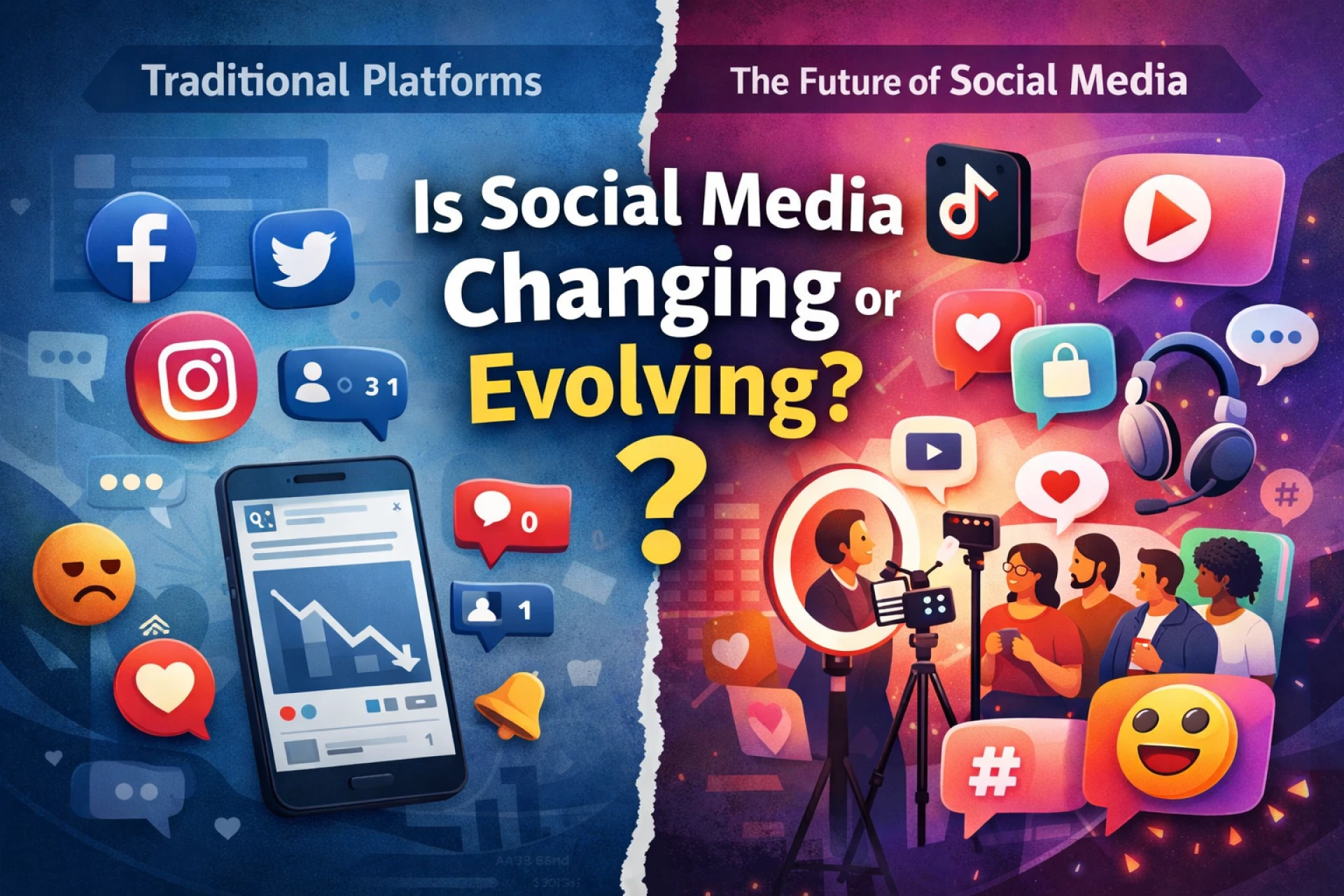
As social media continues to evolve, the brands that will thrive are those that find the perfect balance using automation for efficiency, and human insight for storytelling.
And remember, digital success rarely happens in silos. When you hire social media manager who understands both creativity and data, your brand’s online presence becomes more cohesive, engaging, and impactful.

























Sign in to leave a comment.