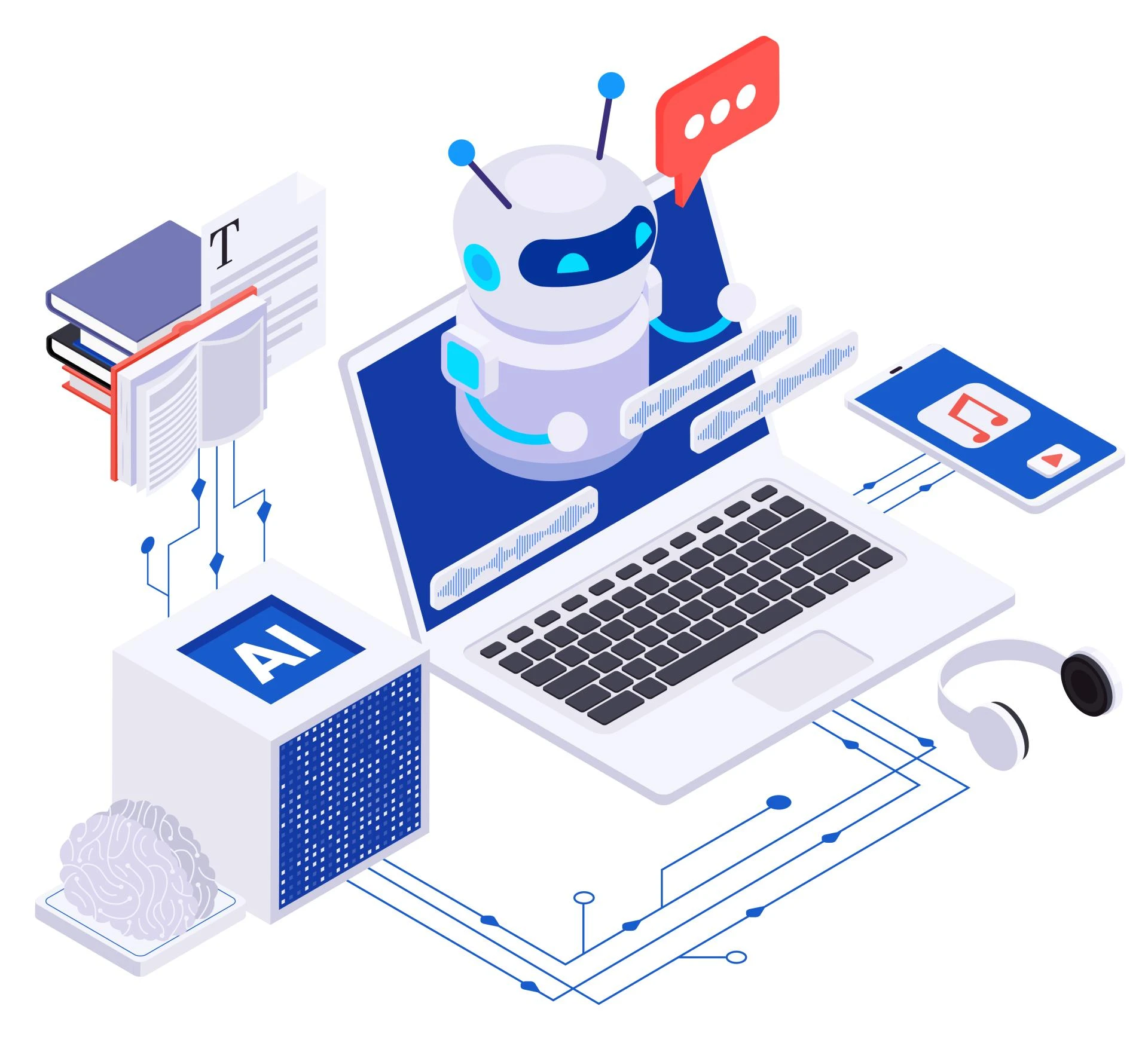

Search engine optimisation has always been about adapting to change. From keyword stuffing in the early 2000s to today’s focus on user intent, SEO has evolved with every algorithm update. Now, with artificial intelligence (AI) reshaping how search engines work, we stand on the edge of a transformation that is bigger than any before. For business owners and digital marketers, understanding this shift is not optional, it is essential.
So, what does the future of SEO with AI look like? Let’s explore both the opportunities and the challenges ahead.
AI Is Changing How Search Engines Work
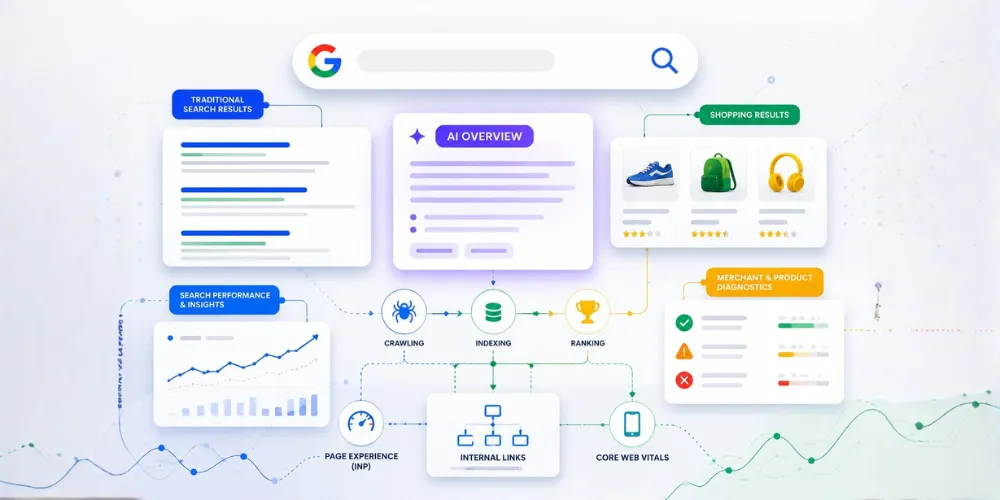
Search engines like Google are no longer just matching keywords to web pages; they are trying to understand context and intent. AI-powered updates such as Google’s RankBrain, BERT, and the more recent Search Generative Experience (SGE) focus on giving users the most relevant and helpful results, even if they don’t use the “right” keywords.
For example, if someone searches “best running shoes for flat feet”, the AI behind the search engine analyses not just the words but also the intent someone is looking for a recommendation tailored to a specific need. Websites that provide clear, trustworthy, and in-depth answers are far more likely to appear at the top.
This means SEO experts need to go beyond keyword placement and focus on creating content that directly addresses real problems.
Opportunities AI Brings to SEO
AI is not just changing search engines, it is also giving SEO professionals new tools and opportunities.
- Content Creation and Optimisation: AI-powered writing assistants can help draft blogs, product descriptions, and FAQs quickly. While these tools can speed up the process, human creativity and strategy are still vital to make content engaging and authentic.
- Predictive Analytics: AI can analyse user behaviour patterns and predict what type of content will resonate with audiences. For example, if data shows that customers are searching for “eco-friendly packaging solutions” more often, businesses can create timely content around this trend.
- Improved Personalisation: AI allows search engines to deliver results that are more personalised. For businesses, this means they can reach the right audience at the right time, increasing the chances of conversion.
- Automation of Repetitive Tasks: From keyword tracking to technical audits, AI tools can handle repetitive SEO tasks efficiently, freeing up time for strategic planning.
If used well, these opportunities can help businesses stay ahead of competitors. However, this does not replace the need to hire an SEO expert, someone who can interpret the data, understand the bigger picture, and ensure your brand communicates with real people, not just algorithms.
The Challenges Ahead
As promising as AI is, it also brings a new set of challenges to SEO.
- Over-Reliance on AI Content: With so many AI tools available, there is a risk of creating content that feels generic or lacks human depth. Google has made it clear that while AI content is not penalised, quality and originality matter most. A business publishing hundreds of AI-generated blogs may not perform well if the content does not add real value.
- Constant Algorithm Changes: AI-driven search engines are evolving rapidly, which means SEO strategies must adapt faster than ever. What works today may not work six months from now. This uncertainty makes it even more important to hire an SEO expert who can track these changes and adjust strategies accordingly.
- Ethical Concerns and Accuracy: AI is only as good as the data it learns from. Sometimes, it can produce misleading or inaccurate information. Businesses relying on AI content without review risk spreading misinformation, which can harm both rankings and reputation.
- Increased Competition for Visibility: With AI summarising answers directly on search result pages (like Google’s SGE), users may find the information they need without clicking on a website. This creates a challenge for businesses to stand out and drive traffic.
How Should Businesses Adapt?
The future of SEO is not about resisting AI but learning how to work with it. Here are a few strategies businesses can adopt:
- Focus on Quality, Not Quantity: Instead of flooding the internet with articles, invest in creating fewer but more comprehensive and useful pieces of content.
- Think Beyond Keywords: Build content around user intent and problems. If people search for “how to reduce energy bills in winter”, don’t just target “reduce energy bills”, provide practical tips, examples, and solutions.
- Combine AI with Human Expertise: AI tools can handle analysis and automation, but strategy, creativity, and human connection require an expert’s touch. That’s why many businesses choose to hire an SEO expert who can balance both technology and human insight.
- Optimise for Voice and Conversational Search: As AI makes search engines smarter, people are searching in more natural, conversational ways (e.g., “What’s the best way to learn coding online?”). Your content should reflect this shift.
Conclusion
AI is not here to replace SEO, it is here to transform it. Businesses that learn to embrace this change will stay ahead, while those who resist may struggle to remain visible online.
The future of SEO will be about understanding human needs first and using AI as a tool to deliver better answers. And while AI tools are powerful, they cannot replace the strategic thinking, creativity, and adaptability of a human professional. That is why businesses looking to thrive in this new era often decide to hire an SEO expert who can bridge the gap between technology and real-world customer engagement.
In short, the next chapter of SEO is about partnership: AI providing the data and automation, and experts providing the strategy and authenticity. Together, they will shape the way businesses connect with audiences in the years ahead.

































Sign in to leave a comment.