

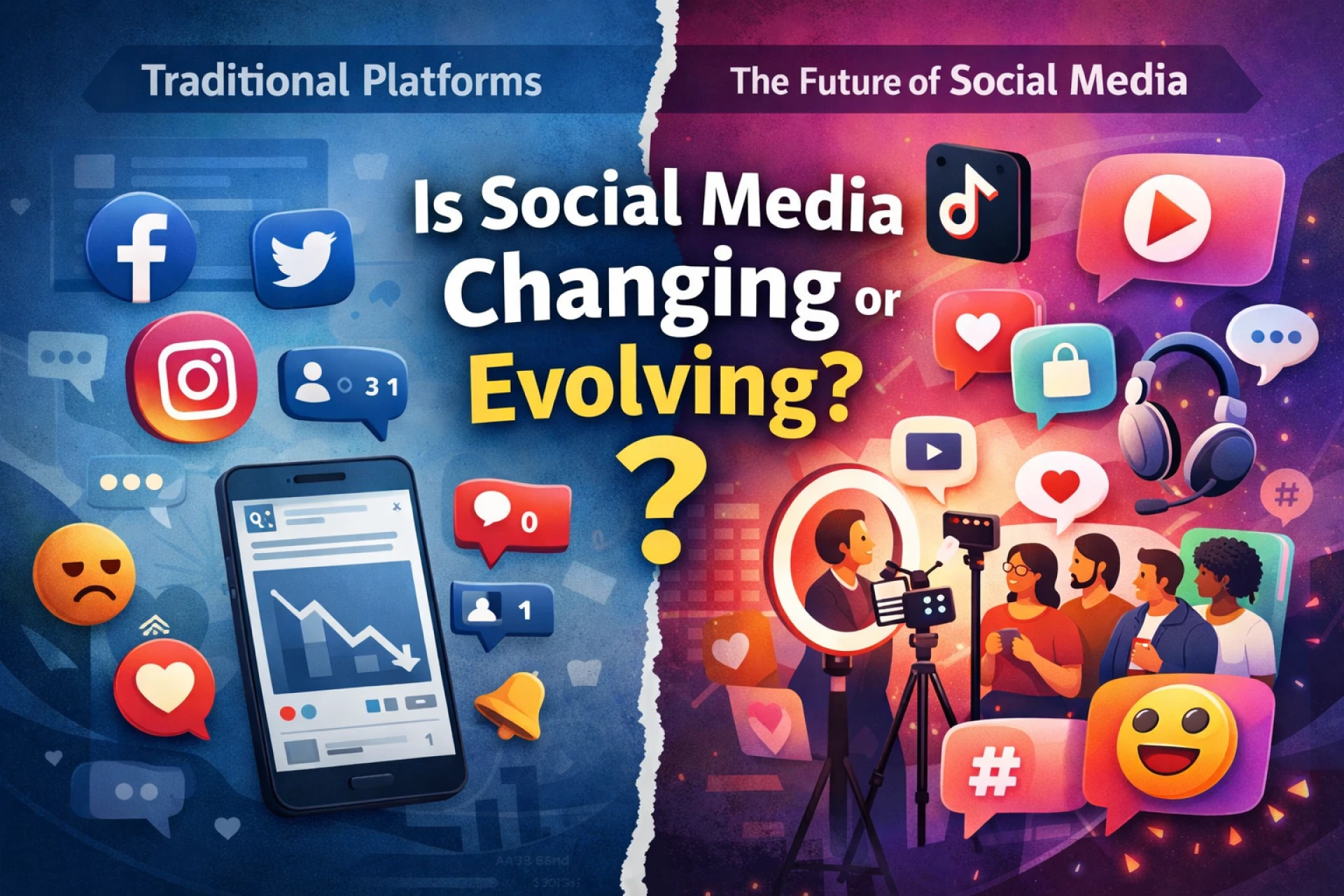
Social media is no longer just a space for posting updates or reacting to customer comments. For growing brands, it has become a powerful business tool that requires a clear vision, consistent strategy, and measurable outcomes. This is where many companies begin to realise the need to hire a social media manager, and not just to handle day-to-day posting, but to take their brand from reactive engagement to long-term strategic growth.
Moving Beyond Ad-Hoc Posting
Many small businesses handle social media reactively at first. For example, a founder might post about new products whenever they remember, or a team member might share updates only when something exciting happens. While this keeps the account active, it doesn’t create consistent engagement or growth.
A social media manager brings structure. Instead of random posting, they develop a content calendar that aligns with business goals. This means scheduling posts around campaigns, launches, or seasonal events and ensuring the messaging is consistent across platforms.
For instance, instead of announcing a sale once on Instagram, a social media manager would create a mini-campaign that includes teaser posts, stories, and follow-up content, increasing reach and impact.
Shifting from Reaction to Proactive Strategy
When brands operate reactively, they tend to respond only after things happen. For example, they might reply to a customer complaint only after it escalates, or jump on a trend only after competitors have already taken the lead. This can make a brand look like it’s playing catch-up rather than setting the pace.
A social media manager helps businesses shift to a proactive approach. They monitor industry trends in advance, prepare content that positions the brand as a thought leader, and keep an eye on analytics to predict what will resonate with the audience.
For example, instead of waiting for a customer complaint to go public, a social media manager might create FAQs, explainer videos, or highlight customer support channels, reducing the risk of negative visibility.
Data-Driven Growth Instead of Guesswork
One of the biggest differences between reactive and strategic social media is the use of data. Brands that post casually often don’t measure results in detail. They may notice likes or comments, but they don’t connect these to sales or customer growth.
A social media manager dives deeper. They track engagement rates, click-throughs, conversions, and even sentiment analysis to see how the audience feels about the brand. This data is then used to refine strategies.
For instance, if video content drives more website visits than static posts, a social media manager will shift focus towards creating more videos. This ensures social media isn’t just about visibility but also about measurable business outcomes.
Building Brand Personality and Trust
Reactive posting often misses the opportunity to build a strong, recognisable brand voice. If multiple team members post without coordination, the tone can feel inconsistent, professional one day, casual the next. This can confuse audiences and make it harder to establish trust.
A social media manager creates a clear brand identity across platforms. They define the tone of voice, visual style, and messaging that reflects the company’s values. For example, a growing wellness brand might focus on calm, educational content, while a tech startup could embrace a more dynamic, playful tone. Consistency builds recognition, and recognition builds trust — both of which are essential for growth.
From Likes to Leads
Ultimately, growing brands don’t just want likes and followers; they want leads, customers, and loyal communities. A social media manager ensures that every campaign is designed with this in mind. Instead of posting for the sake of visibility, they align content with customer journeys. For example, a post might spark curiosity, a follow-up video might educate, and a final call-to-action could drive users to book a demo or make a purchase.
This structured approach turns casual engagement into meaningful business results. Growing brands that once struggled to connect the dots between social media activity and revenue often see a clear link once a social media manager is in place.
Conclusion
Transitioning from a reactive to a strategic approach is a natural step for any brand that’s serious about scaling. While reactive posting may keep the lights on, it rarely builds long-term growth. A social media manager bridges this gap by turning scattered efforts into a cohesive strategy that delivers measurable results.
For brands ready to grow, the question is no longer if they should hire a social media manager, but when. The sooner they make the shift, the faster they can move from simply being present online to truly making an impact.
































Sign in to leave a comment.