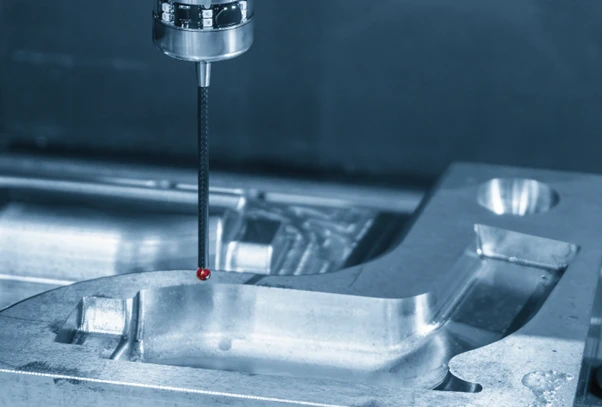

In today’s competitive manufacturing landscape, efficiency, accuracy, and scalability have become essential for survival. Traditional CNC machining, while already precise, often relies heavily on manual intervention, which can lead to delays, inconsistencies, and higher operational costs. This is why many manufacturers are now looking for smarter ways to automate cnc operations and bring more consistency into their production workflows.
Automation in CNC machining is no longer limited to large factories with massive budgets. With modern software, robotics, and smart integration tools, even small to mid-sized machining shops can benefit from automation. From reducing human error to improving machine utilization, automation is reshaping how CNC processes are planned, executed, and optimized.
This article explores how automation is changing CNC machining, why it matters for modern manufacturers, and what steps businesses can take to implement it successfully.
Understanding Automation in CNC Machining
Automation in CNC machining refers to the use of advanced systems such as robotics, software controls, sensors, and data-driven tools to reduce manual involvement in machining processes. Instead of relying on operators for every task, automated CNC systems handle material loading, tool changes, quality checks, and even workflow scheduling.
By integrating automation, manufacturers can maintain consistent production standards while freeing skilled operators to focus on higher-value tasks such as programming, optimization, and quality improvement.
Automation does not eliminate human roles; rather, it enhances productivity by allowing machines and people to work together more efficiently.
Key Benefits of CNC Automation
Increased Productivity
Automated CNC machines can operate continuously with minimal downtime. This means production can continue during off-hours, weekends, or overnight shifts, significantly increasing output without increasing labor costs.
Improved Accuracy and Consistency
Automation reduces the risk of human error. Automated tool positioning, part handling, and monitoring systems ensure every component meets the same quality standards, even during long production runs.
Lower Operational Costs
While automation requires an initial investment, it often leads to long-term cost savings. Reduced scrap, fewer reworks, optimized machine usage, and lower labor dependency all contribute to improved profitability.
Better Workforce Utilization
Instead of performing repetitive tasks, skilled operators can focus on programming, system monitoring, and process improvement. This leads to better job satisfaction and higher overall efficiency.
Why Manufacturers Are Choosing to Automate CNC Processes
The manufacturing industry is facing increasing pressure from global competition, rising labor costs, and tighter delivery timelines. Customers now expect faster turnaround times without compromising quality.
Automation helps manufacturers:
- Meet growing production demands
- Maintain consistent quality standards
- Adapt quickly to design changes
- Scale operations without proportional increases in staff
By automating CNC machining, companies can remain competitive while future-proofing their operations.
How to Automate CNC Machining Successfully
Best Practices to Automate CNC Operations Effectively
To automate cnc machining successfully, businesses must approach automation strategically rather than rushing into complex systems without preparation.
1. Start with Process Evaluation
Before automation, analyze existing workflows. Identify repetitive tasks, bottlenecks, and error-prone processes that would benefit most from automation.
2. Choose the Right Automation Level
Not all shops require full automation. Some may benefit from simple solutions like automated tool changers or pallet systems, while others may require robotic arms or integrated production cells.
3. Invest in Compatible Software
Automation works best when machines, software, and data systems are well connected. CNC programming software, machine monitoring tools, and data analytics platforms play a critical role in successful automation.
4. Train Your Workforce
Automation adoption should include proper training for operators and engineers. Skilled personnel are essential to manage automated systems, troubleshoot issues, and continuously improve performance.
5. Monitor and Optimize Continuously
Automation is not a one-time setup. Regular monitoring, performance analysis, and optimization help maximize ROI and ensure long-term success.
Common Challenges in CNC Automation
While automation offers many advantages, it also comes with challenges that manufacturers should be aware of.
High Initial Investment
Automation systems can be expensive upfront. However, when evaluated against long-term gains such as reduced labor costs and higher productivity, the investment often proves worthwhile.
Integration Complexity
Older machines may require upgrades or customization to integrate with modern automation systems. Careful planning and expert support are essential during this phase.
Change Management
Employees may initially resist automation due to fear of job loss. Clear communication and training help demonstrate that automation enhances roles rather than replacing them.
The Role of Data and Smart Manufacturing
Modern CNC automation is closely linked with data-driven manufacturing. Sensors, monitoring tools, and analytics platforms collect real-time data on machine performance, tool wear, and production efficiency.
This data allows manufacturers to:
- Predict maintenance needs
- Reduce unplanned downtime
- Optimize cutting parameters
- Improve overall equipment effectiveness (OEE)
As Industry 4.0 continues to evolve, CNC automation will become even more intelligent and interconnected.
Is CNC Automation Right for Your Business?
Automation is not a one-size-fits-all solution. The decision depends on factors such as production volume, part complexity, workforce skills, and long-term growth plans.
Small shops may start with semi-automation, while larger manufacturers may adopt fully automated production cells. The key is aligning automation goals with business objectives rather than following trends blindly.
Final Thoughts
Automation is rapidly becoming a necessity rather than a luxury in CNC machining. By adopting automation thoughtfully, manufacturers can improve efficiency, maintain quality, and stay competitive in an increasingly demanding market.
Whether you are just beginning your automation journey or looking to refine existing systems, understanding the fundamentals of CNC automation can help you make informed decisions and achieve sustainable growth.





















Sign in to leave a comment.