
Introduction
Many organizations struggle with tracking employee attendance accurately. Manual systems, outdated punch cards, and spreadsheets often lead to errors, time theft, and payroll issues. These problems may seem small at first, but over time they impact productivity, employee trust, and business performance.
As companies grow, the need for a reliable and automated solution becomes clear. Businesses today want systems that save time, reduce mistakes, and provide real-time insights. This is where a Biometric Attendance System plays an important role. It helps organizations move away from guesswork and toward data-driven workforce management.
By using advanced technology, companies can ensure accurate attendance tracking and improve overall efficiency across teams.
What is a Biometric Attendance System?
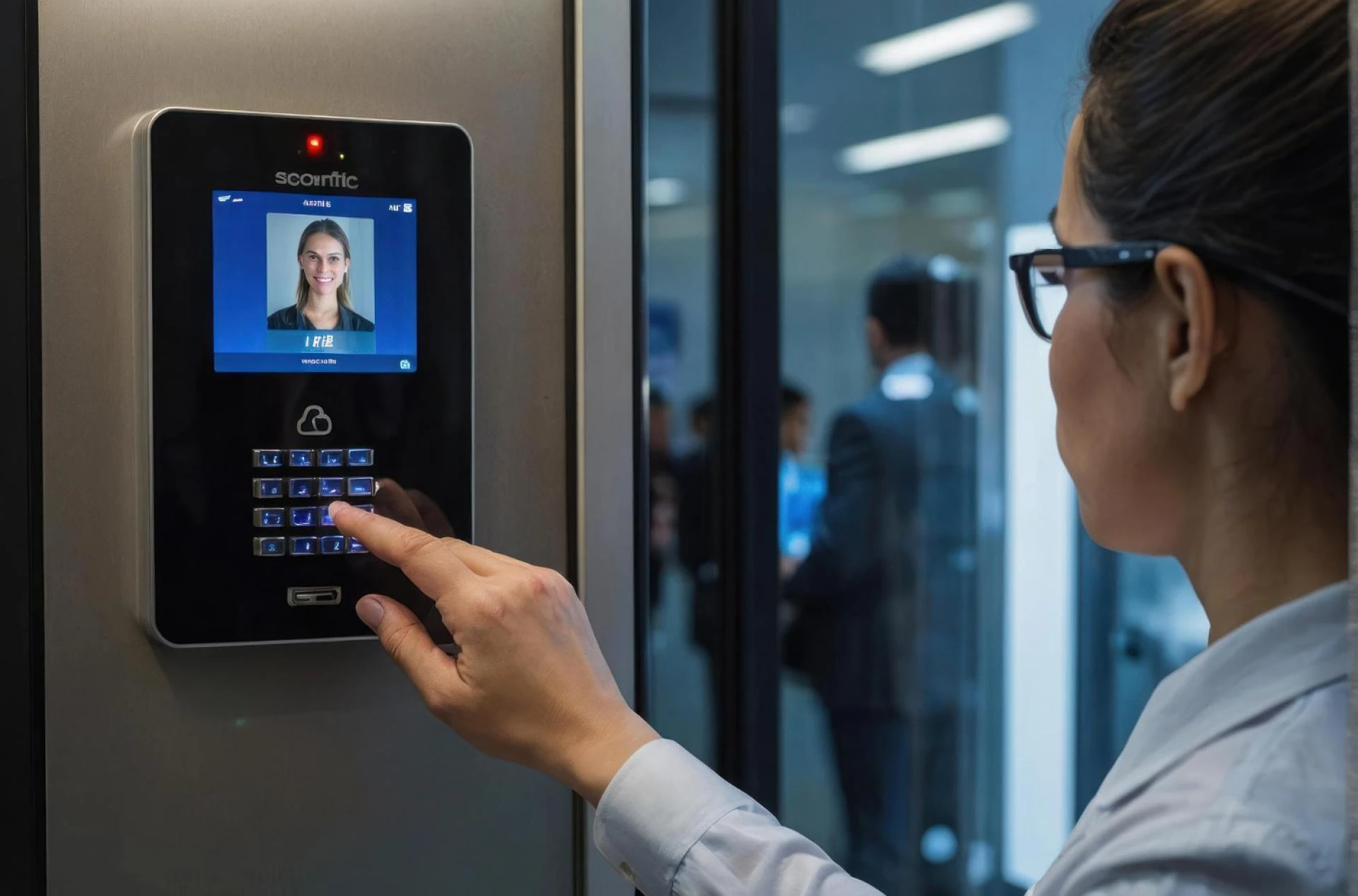
A Biometric Attendance System is a digital solution that records employee attendance using unique biological traits. These can include:
- Fingerprints
- Facial recognition
- Iris scans
Unlike traditional systems, it verifies identity based on physical features, making it highly secure and reliable.
For example:
- A fingerprint attendance system scans and matches fingerprint patterns.
- A face recognition attendance system uses facial features to verify identity.
These systems are often connected to attendance management software, which stores and processes data automatically.
In simple terms, it ensures that the right employee is marked present at the right time—without manual input.
Key Problems with Traditional Attendance Methods
Before adopting modern systems, many businesses rely on outdated attendance methods. These come with several challenges:
1. Buddy Punching
Employees may clock in or out on behalf of others. This practice, known as buddy punching, leads to false attendance records and financial losses.
2. Manual Errors
Paper-based or spreadsheet systems often result in:
- Incorrect entries
- Missing data
- Calculation mistakes
These errors directly affect payroll and compliance.
3. Time-Consuming Processes
HR teams spend hours:
- Verifying attendance
- Calculating work hours
- Resolving disputes
This reduces focus on more strategic tasks.
How Biometric Attendance System Improves Workforce Accuracy and Productivity
Eliminates Time Fraud
One of the biggest advantages is the ability to eliminate buddy punching. Since biometric data is unique to each person, no one can mark attendance for someone else.
This ensures:
- Honest reporting
- Fair work culture
- Reduced financial loss
Real-Time Tracking
Modern systems offer real-time attendance monitoring, allowing managers to track employee presence instantly.
Benefits include:
- Better shift planning
- Quick decision-making
- Improved workforce visibility
This makes the employee attendance tracking system more efficient and transparent.
Accurate Payroll Integration
Attendance data directly affects salary calculations. A Biometric Attendance System helps:
- Reduce payroll errors
- Track exact working hours
- Automatically calculate overtime
When integrated with payroll tools, it ensures smooth and accurate salary processing.
Better Workforce Discipline
When employees know their attendance is tracked accurately, they tend to be more punctual and responsible.
This leads to:
- Reduced absenteeism
- Improved accountability
- Stronger workplace discipline
Increased Productivity
Accurate attendance data supports employee productivity tracking. Managers can analyze:
- Work patterns
- Attendance trends
- Performance consistency
This helps in identifying areas for improvement and boosting overall output.
Key Features of Modern Biometric Systems
Today’s biometric solutions are designed to support growing business needs. Key features include:
Fingerprint and Face Recognition
Modern systems support:
- Fingerprint attendance system for quick verification
- Face recognition attendance system for contactless access
This improves both speed and hygiene.
Cloud-Based Tracking
Cloud integration allows:
- Remote access to attendance data
- Easy scalability
- Secure data storage
It also supports businesses with multiple locations.
Integration with HR Software
A biometric attendance machine can easily integrate with:
- Payroll systems
- Leave management tools
- HR automation tools
This helps automate attendance process and reduces manual effort.
Reporting and Analytics
Advanced systems provide detailed reports such as:
- Daily attendance summaries
- Monthly reports
- Late arrivals and absenteeism
These insights help improve decision-making and workforce planning.
Role in HR Digital Transformation
The shift toward HR digital transformation is changing how organizations manage employees. A Biometric Attendance System plays a key role in this transition.
It supports:
- Automation of repetitive tasks
- Improved data accuracy
- Better employee experience
When combined with workforce management solutions, it creates a seamless HR ecosystem.
For example, tools like Timelabs integrate attendance with performance and payroll, helping businesses manage their workforce more effectively without adding complexity.
Business Benefits and ROI
Investing in a Biometric Attendance System delivers measurable returns for businesses.
Cost Savings
- Prevents time fraud
- Reduces administrative workload
- Minimizes payroll errors
Efficiency Improvement
- Saves HR time
- Speeds up attendance tracking
- Helps improve workforce efficiency
Data-Driven Decisions
With accurate data, businesses can:
- Optimize staffing
- Plan shifts better
- Improve employee performance
This leads to smarter decisions and long-term growth.
Improved Compliance
Automated systems ensure:
- Accurate records
- Easy audits
- Better legal compliance
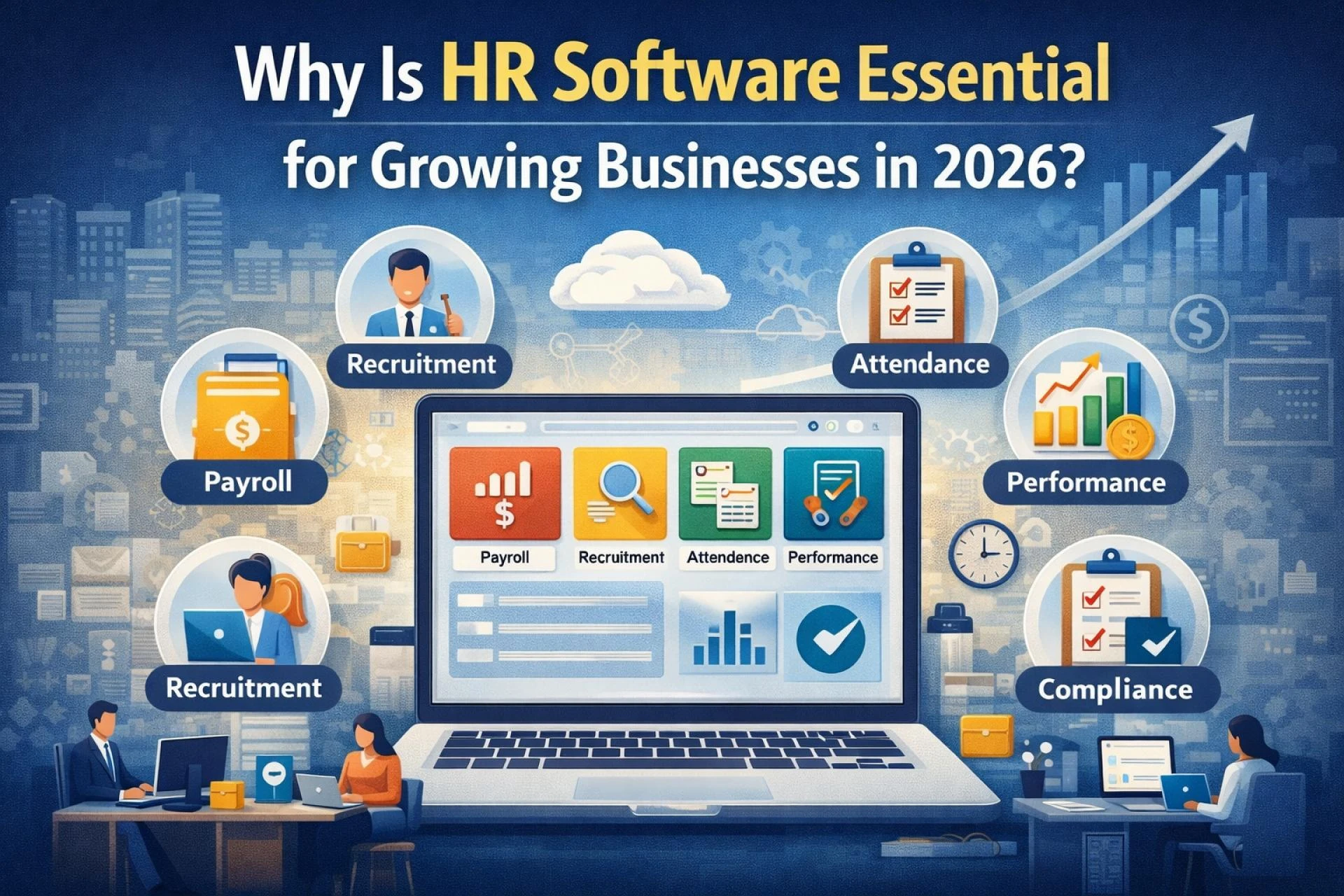
Also Read: Why Is HR Software Essential for Growing Businesses in 2026?
Conclusion
Managing attendance accurately is no longer optional for modern businesses. Errors, time fraud, and manual processes can slow down growth and affect employee trust. A Biometric Attendance System solves these challenges by offering secure, automated, and real-time tracking.
From eliminating buddy punching to enabling accurate payroll and productivity insights, it plays a critical role in improving workforce management. It also supports broader HR digital transformation, helping organizations become more efficient and data-driven.
As businesses continue to evolve, adopting smart attendance solutions will not just be an upgrade-it will be a necessity for sustained productivity and operational excellence.

























Sign in to leave a comment.