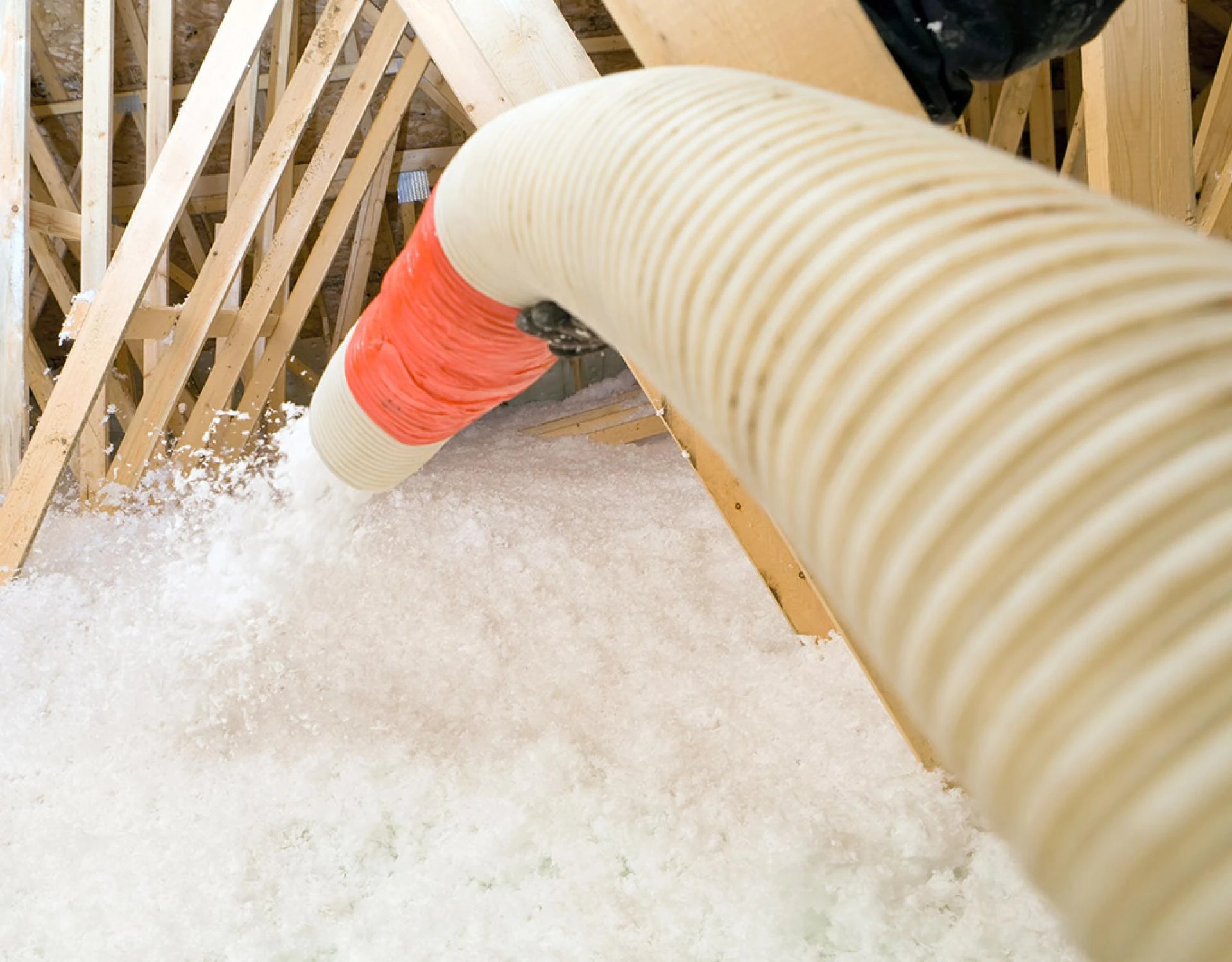
Achieving a balanced home environment involves maintaining consistent temperatures throughout every room and minimizing strain on heating and cooling systems. In Glen Burnie, Maryland, where coastal winds and humidity often dictate indoor comfort, blown-in insulation serves as a powerful tool for stabilizing this balance. By creating a seamless thermal blanket in attics and wall cavities, this material eliminates the gaps and compression points common with traditional rolled insulation.
Industry professionals recognize that a balanced home requires a uniform thermal boundary. Blown-in insulation in Glen Burnie, MD, typically consisting of cellulose or loose-fill fiberglass, provides this uniformity by filling every nook and cranny of a space. This comprehensive coverage prevents heat from finding easy escape routes, ensuring that the living room feels just as comfortable as the upstairs bedroom, regardless of the season.

The Mechanics of Consistent Coverage
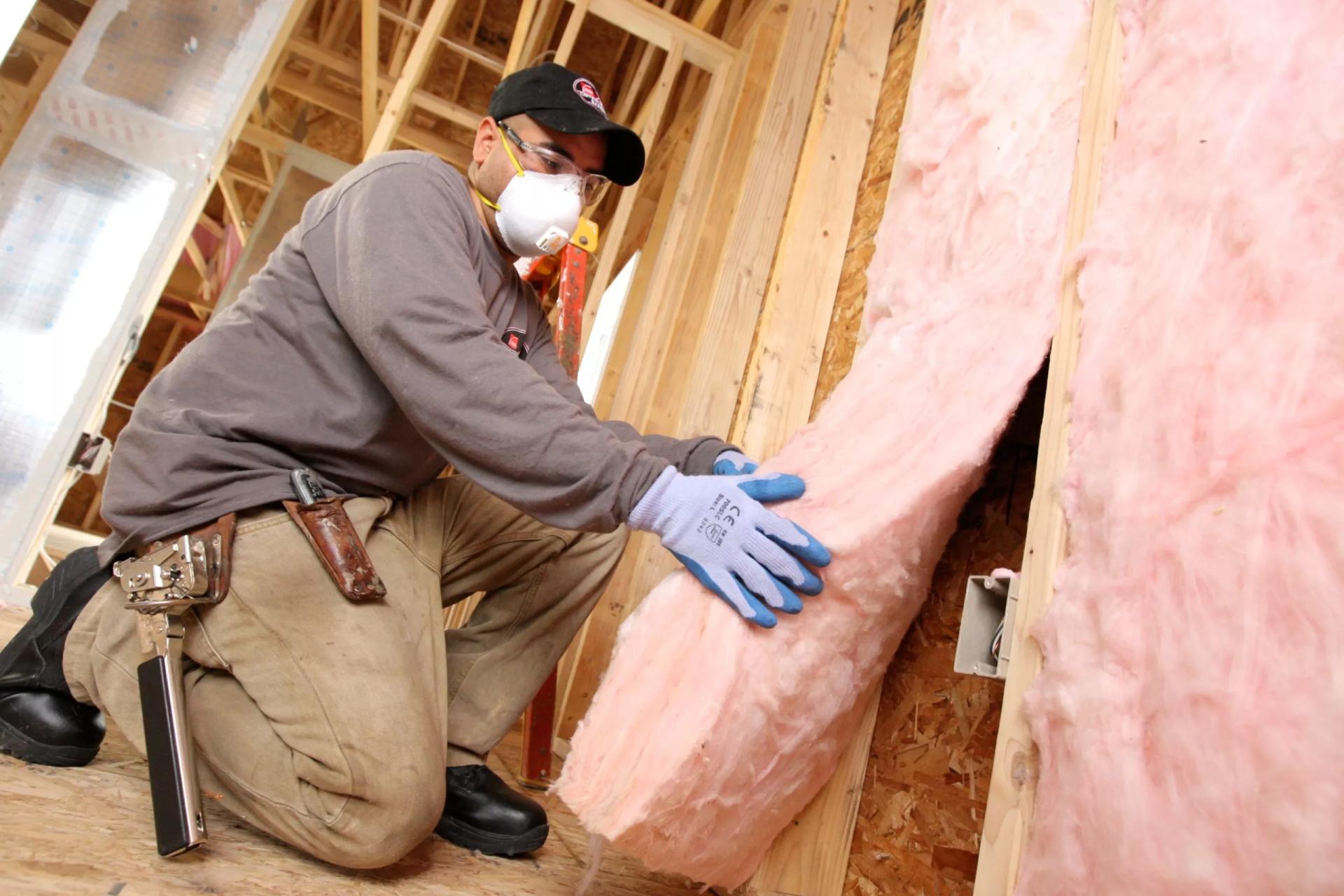
Standard insulation batts come in pre-cut widths, which works well for perfectly spaced wall studs but fails in irregular spaces. Most attics contain framing, wiring, plumbing pipes, and recessed light fixtures that interfere with these pre-cut sheets. When installers force batts around these obstacles, gaps open up, and the material compresses, losing its ability to resist heat flow.
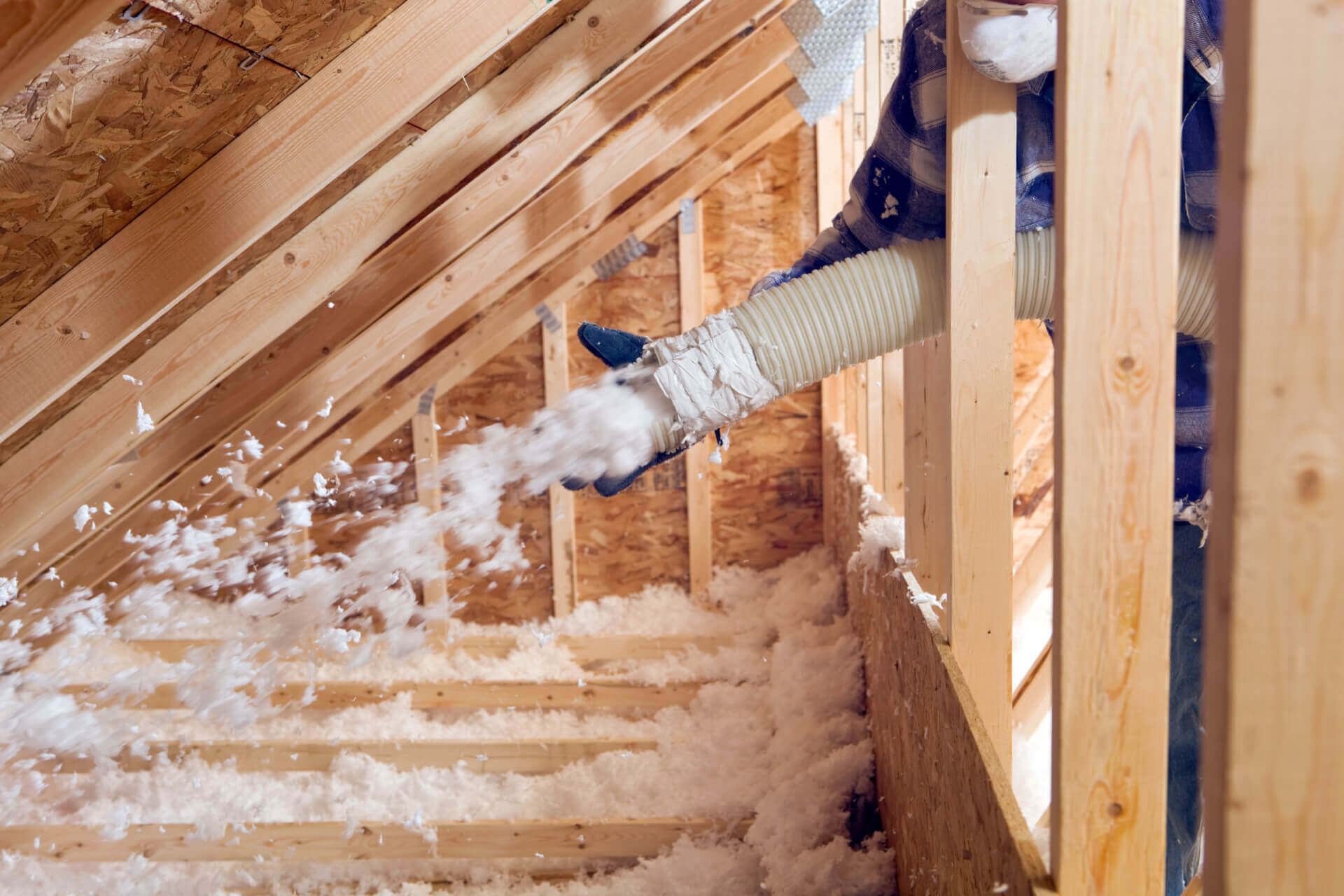
Blown-in insulation solves this physical challenge by behaving like a fluid during installation. The machine breaks up the material and propels it into the space, allowing it to settle naturally around obstructions. This results in a continuous layer of protection that maintains its specified R-value across the entire surface area.
Eliminating Thermal Bridging
Thermal bridging occurs when heat bypasses the insulation through the wood framing or gaps in the coverage. While wood has some insulating properties, it is far less efficient than insulation materials. A loose-fill application covers the tops of the ceiling joists, breaking the thermal bridge.
- It creates a "monolithic" layer that hides the wood framing from extreme attic temperatures.
- It fills irregular gaps where walls meet the ceiling line.
- It prevents the "striping" effect often seen in thermal imaging of batt-insulated ceilings.
- It significantly reduces the radiant heat transfer from the roof deck to the living space.
Addressing Irregular Attic Spaces
Many homes in the Glen Burnie area feature complex rooflines with varied pitches and tight corners. Reaching these areas with rolls of insulation is difficult and often results in poor workmanship. The pneumatic hose used for blown-in applications allows installers to direct material into deep eaves and low-clearance zones that would otherwise remain uninsulated.
Bonus Tip: Depth Markers
Professional installers staple depth rulers, known as attic cards, to the joists before starting the work. These markers ensure that the material reaches the correct depth to achieve the target R-value, providing visual proof that the home balance goals are being met.
Comparing Insulation Methods
Understanding how loose-fill compares to other standard methods helps property owners make informed choices. The following table illustrates the performance differences relevant to maintaining home balance.
| Feature | Blown-In Cellulose | Fiberglass Batts | Blown-In Fiberglass |
|---|---|---|---|
| Coverage Quality | Excellent (Fills voids) | Moderate (Gaps likely) | Good (Fills voids) |
| Airflow Reduction | Moderate (Dense pack) | Poor (Air passes through) | Low (Looser fit) |
| Settling Rate | Minimal (if stabilized) | Can sag over time | Minimal |
| R-Value per Inch | ~3.2 - 3.8 | ~3.1 - 3.4 | ~2.2 - 2.7 |
| Fire Resistance | Treated Class 1 | Non-combustible | Non-combustible |
Climate Considerations for Glen Burnie Properties
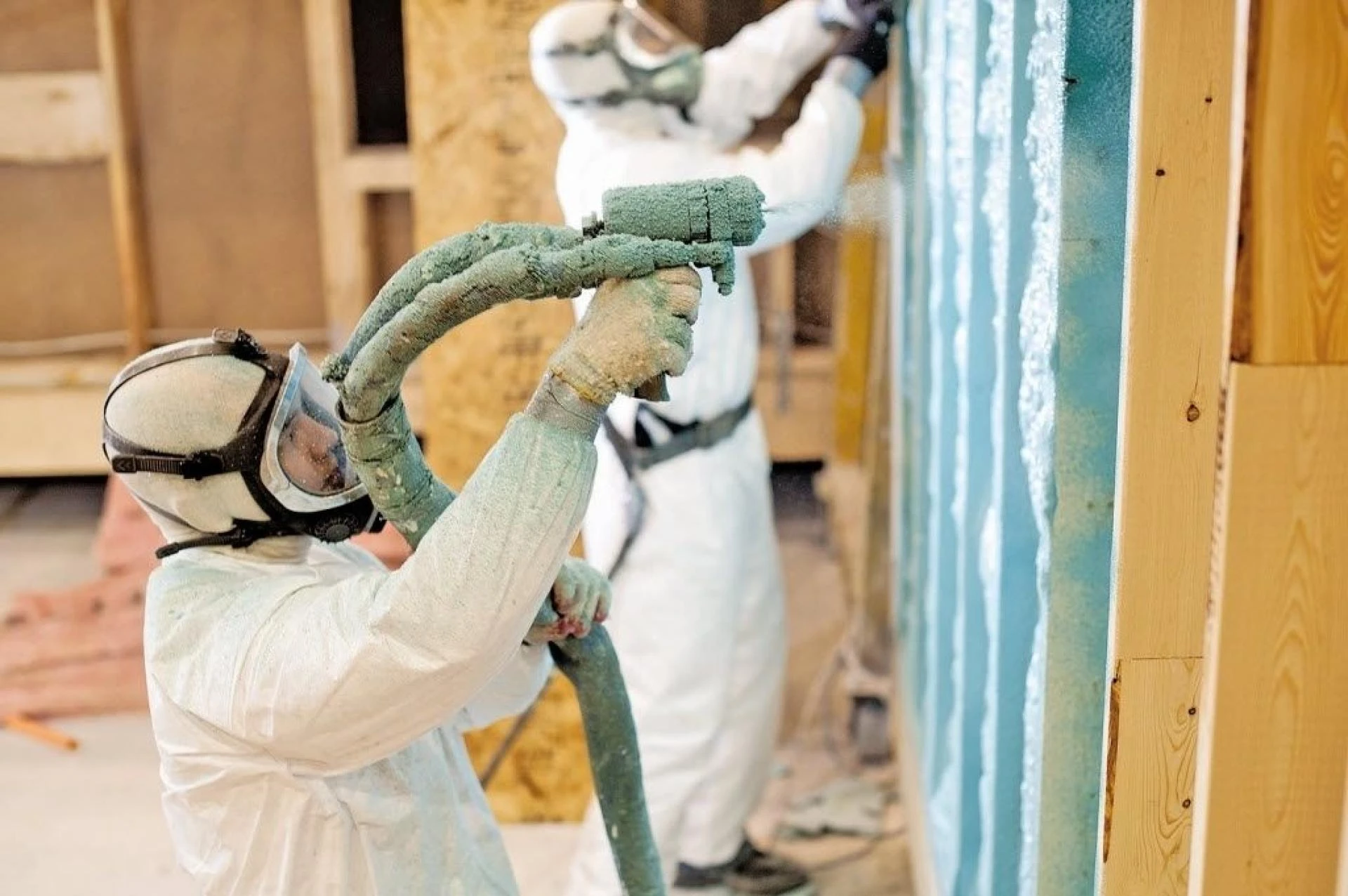
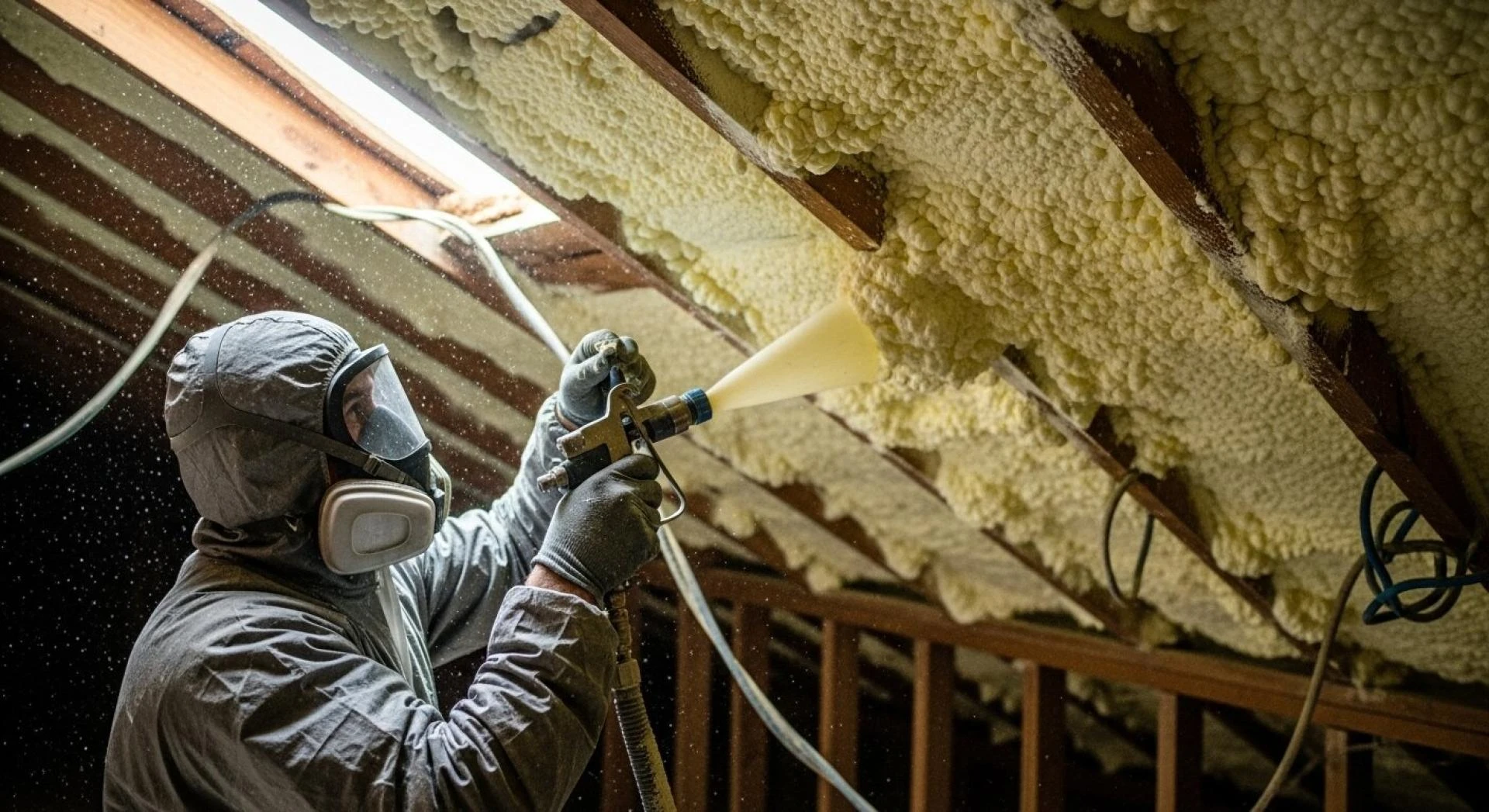
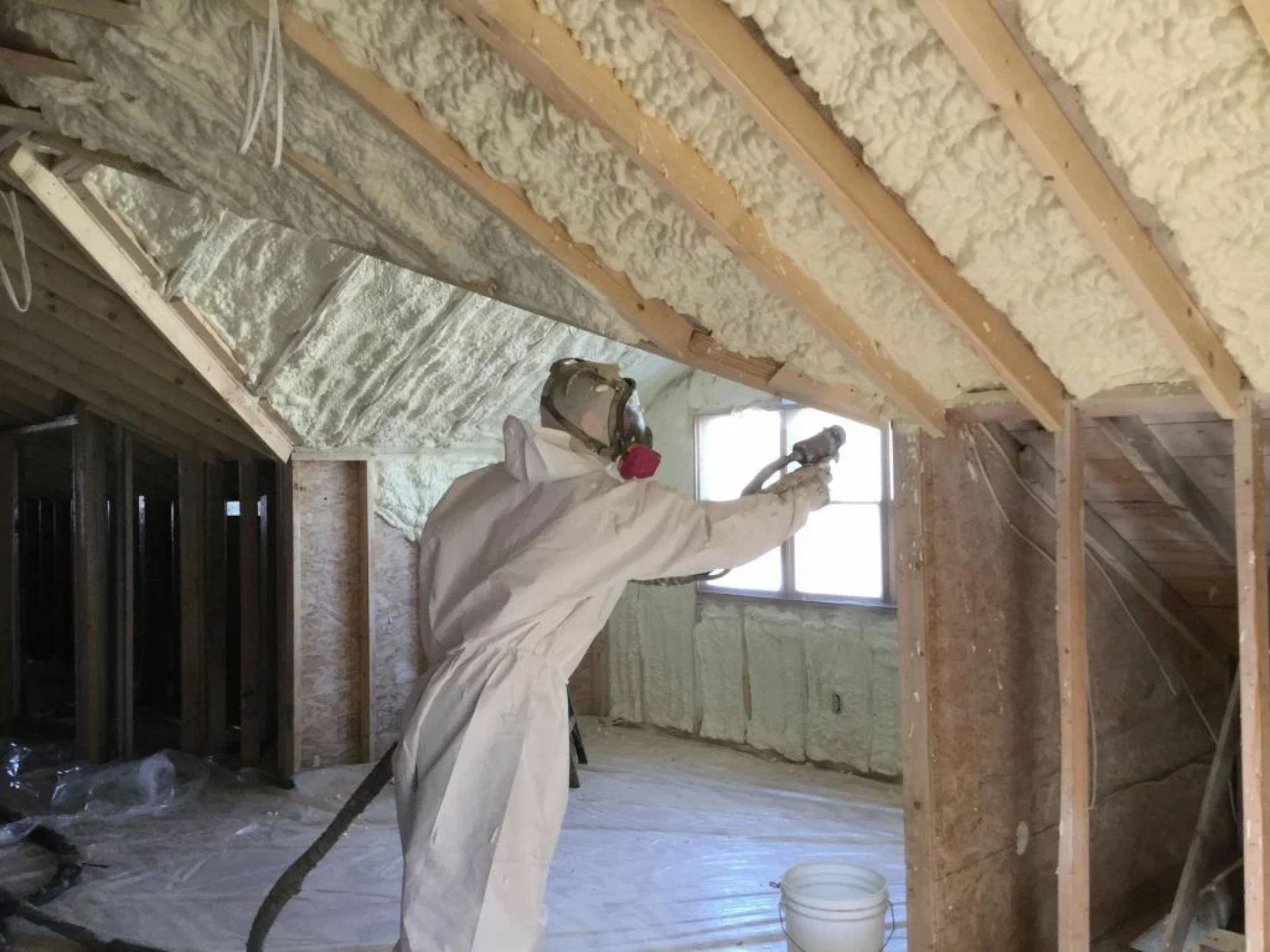
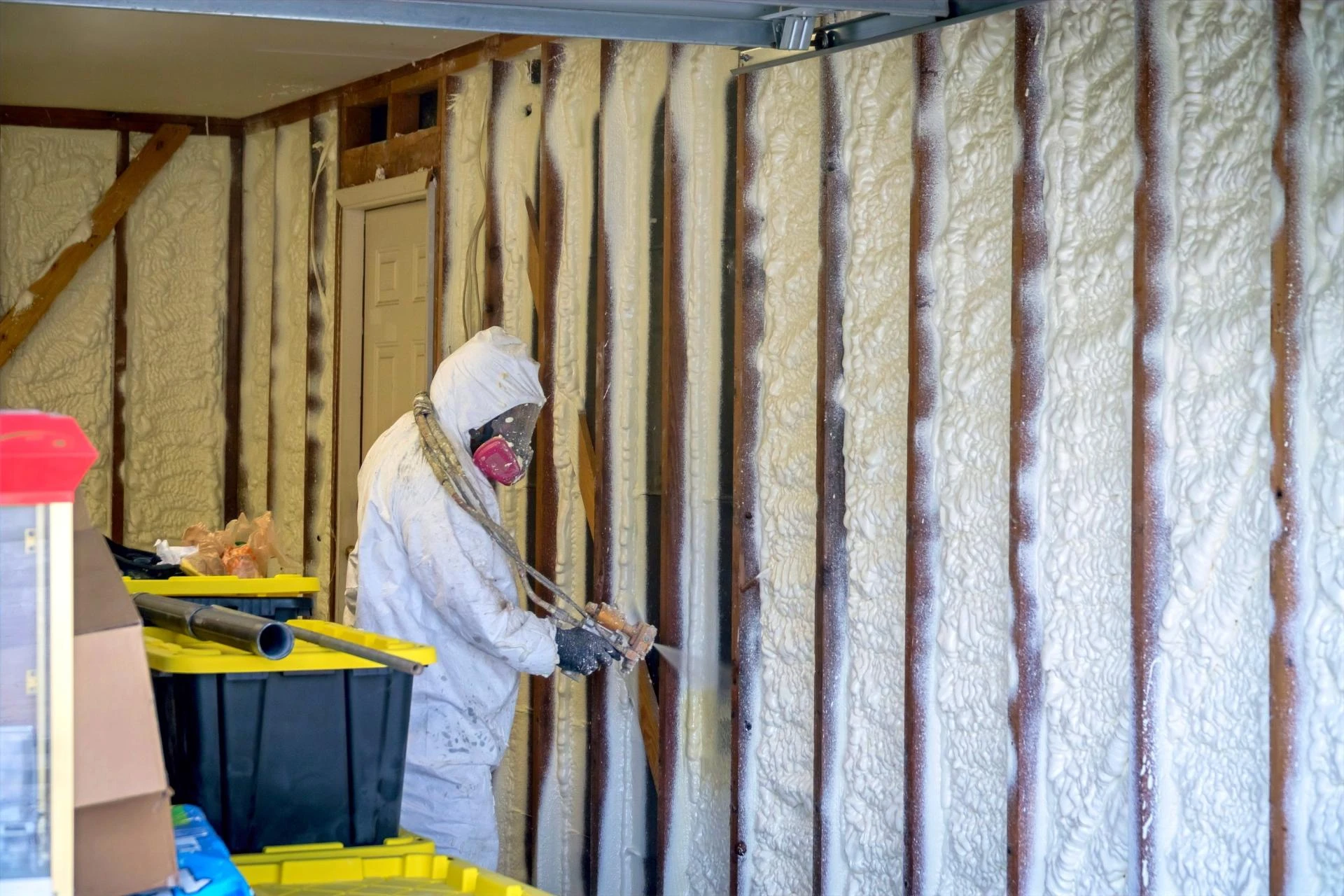
The local climate introduces high humidity, which can compromise building materials. While spray foam is the gold standard for moisture control, blown-in insulation plays a vital role in thermal management when used in ventilated attics. It keeps the attic floor warm in winter, preventing condensation from forming on the drywall ceiling below.
Property owners must address air leakage before adding blown-in material. Without sealing the cracks and holes first, air will simply move through the loose fibers. Combining air sealing with a heavy layer of blown-in insulation creates a hybrid system that delivers excellent performance at a moderate price.
The Role of Attic Ventilation
Insulation works in tandem with ventilation to protect the home structure. In the summer, a thick layer of blown-in insulation prevents the superheated attic air from radiating down into the bedrooms. Proper soffit and ridge vents ensure that this hot air escapes, keeping the insulation dry and effective.
- Baffles are installed to keep soffit vents clear of insulation.
- Fresh air flow removes moisture vapor that migrates from the house.
- Cooler attic temperatures extend the lifespan of roof shingles.
- Balanced ventilation prevents ice dams during winter freezes.
Things to Consider Before Making a Decision
Before scheduling an installation, property owners should evaluate the condition of their existing insulation. If the old material is wet, moldy, or infested with rodents, covering it up will only hide the problem. Removal is often necessary to sanitize the space and properly seal air leaks.
Weight is another factor. Cellulose is heavier than fiberglass. While modern drywall can easily support the weight, older homes with plaster or fragile ceiling structures might be better suited for lighter blown-in fiberglass. A professional assessment determines which material best suits the building's structural limits.
Questions People Ask About Blown-In Insulation
Will blown-in insulation settle and lose effectiveness over time? Cellulose insulation settles slightly after installation, but manufacturers account for this by instructing installers to apply it at a "settled density." This ensures that even after the material relaxes, it maintains the target R-value permanently.
Is blown-in insulation safe for electrical wiring? Yes, both cellulose and fiberglass are treated to be fire-resistant. However, insulation should not cover older knob-and-tube wiring, which needs to dissipate heat. A pre-installation inspection identifies if this type of wiring is present.
Does this type of insulation help with soundproofing? Dense-pack cellulose is an exceptional sound insulator. Its density absorbs sound waves, making it a popular choice for reducing noise from rain, airplanes, or traffic. It also dampens sound transfer between floors in multi-story homes.
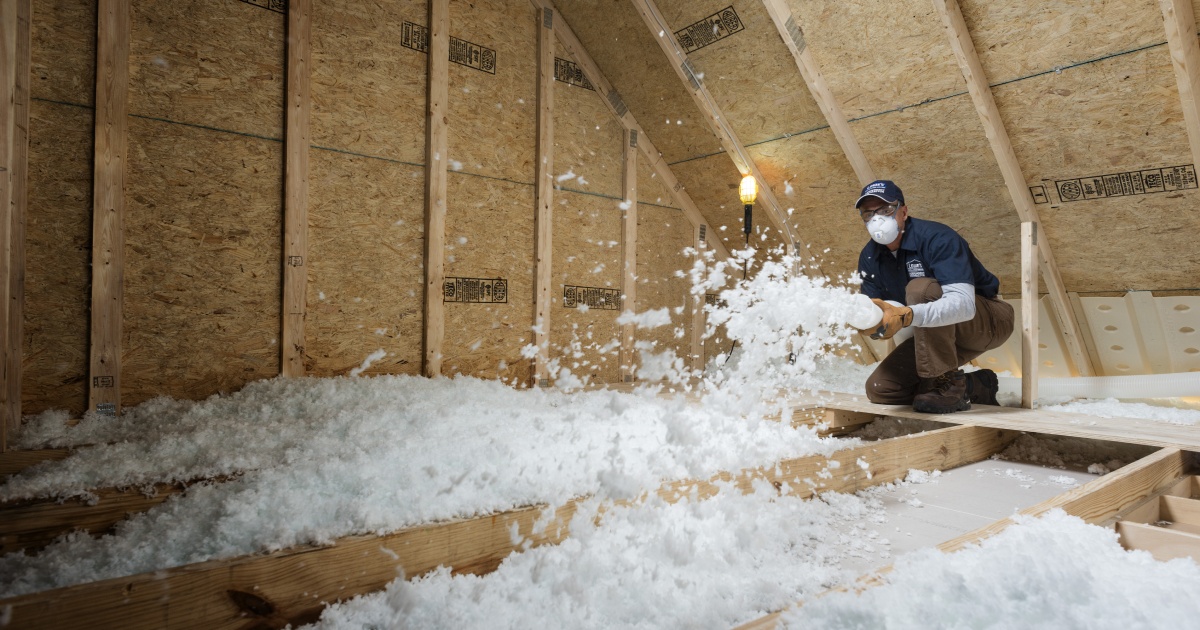
How long does the installation process take? For a standard residential attic, the process is typically completed in less than one day. The setup involves running a hose from a truck-mounted machine to the attic, keeping the mess contained and minimizing disruption.
Can I add blown-in insulation over existing batt insulation? Yes, "capping" existing insulation is a common practice to boost R-value. As long as the existing material is dry and in decent condition, adding a fresh layer of loose-fill on top significantly improves thermal resistance.
Restoring Comfort and Efficiency
Creating a balanced home environment requires a strategic approach to thermal resistance. Blown-in insulation offers a practical, effective solution for eliminating hot and cold spots throughout a property. By filling the gaps left by other materials, it ensures that heating and cooling systems operate efficiently and that occupants enjoy a consistent indoor climate. This upgrade represents a wise investment in both immediate comfort and long-term energy savings.
Connecting With Local Insulation Professionals
For homeowners in Glen Burnie, MD, seeking to stabilize their indoor temperatures, Peninsula Insulation offers expert guidance and precise installation services. Their team understands the specific requirements of the coastal region and ensures that every project begins with proper preparation and air sealing. They focus on delivering comprehensive solutions that improve the home's overall health and balance.
To discuss attic upgrades or energy efficiency improvements, interested parties can reach out directly.
Email: [email protected] Phone: (410) 770-2624
Author: Wil Perkins is the founder of Peninsula Insulation and a long-time resident of Easton, Maryland. With a hands-on approach and nearly five years in the insulation business, Wil leads a team known for professional service and quality work. He’s committed to providing the best Spray Foam Insulation solutions and lasting results for every project.
Reviewer: Emily Martinez has 12 years of experience in spray foam insulation. She reviewed this article and suggested ways to make the content more useful for contractors looking to grow their customer base.























Sign in to leave a comment.