Upgrading a home's wall insulation with a blown-in product is one of the most effective ways to increase its property value. This improvement directly impacts a home's marketability by enhancing energy efficiency, which translates into lower monthly utility bills, a major selling point for any prospective buyer. Additionally, it creates a more comfortable and quiet indoor environment, features that are highly valued but often hard to quantify. When appraisers and buyers see that a home has been retrofitted with modern wall insulation, they recognize a lasting upgrade that improves the building's performance and protects it from the elements, justifying a higher price.
This isn't just about feeling warmer in the winter. The financial return comes from both long-term energy savings and a tangible boost in resale value. This article will break down how blown-in wall insulation experts add value, from the immediate financial benefits to the less obvious but equally important improvements in home comfort and structural health. The information is drawn from extensive industry experience in residential energy retrofitting and home performance.
The Financial Case for Wall Insulation
When a home is put on the market, energy efficiency is no longer a niche feature; it's a mainstream expectation. Studies show that energy-efficient homes can sell for a premium, as buyers are willing to pay more for a house that will cost them less to operate.
- Higher Resale Value: Home improvement data consistently shows that insulation upgrades offer one of the best returns on investment. While a kitchen remodel might be more visible, buyers understand the practical value of low energy bills. The National Association of Realtors has reported that for every dollar saved annually on energy costs, a home's value can increase by as much as twenty dollars.
- Increased Buyer Appeal: A well-insulated home is a strong marketing tool. Real estate listings that highlight "low utility costs" or "new wall insulation" attract savvy buyers who are looking for a move-in-ready, cost-effective home. It signals that the property has been well-maintained.
- Faster Sales: Homes with documented energy-saving features often spend less time on the market. Buyers see these upgrades as problems they won't have to solve themselves, making the home a more attractive and straightforward purchase.
A Quieter and More Comfortable Home
Beyond the numbers, the improved quality of life that comes from a well-insulated home adds significant perceived value. These are the benefits that a buyer feels immediately upon walking through the door during a showing.
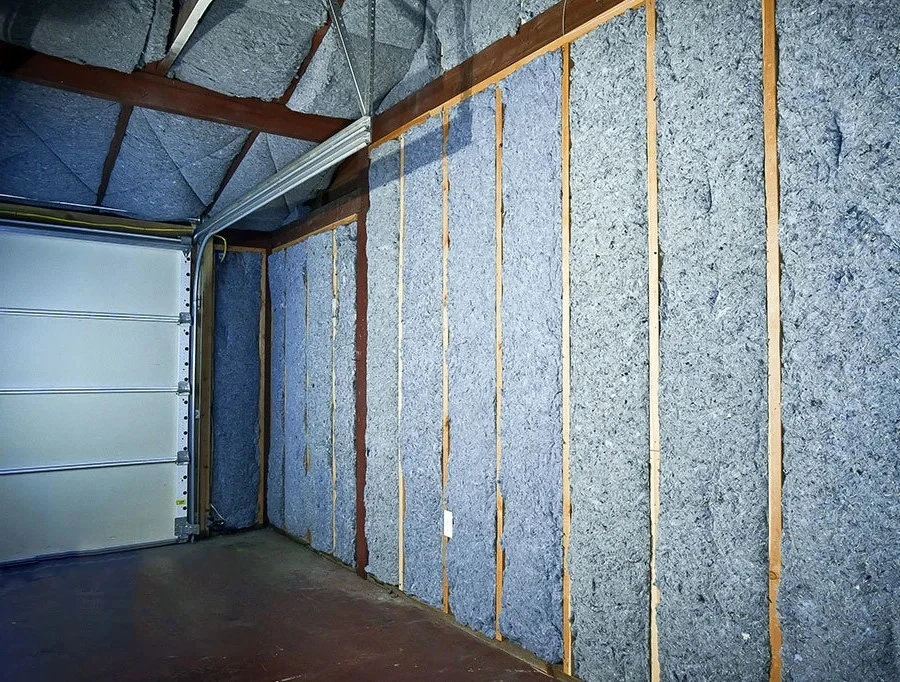
A major, often overlooked benefit of blown-in wall insulation is its sound-dampening quality. The dense material fills the entire wall cavity, creating a barrier that absorbs sound waves. This is especially true for cellulose insulation, which is made from tightly packed recycled paper fibers. It can dramatically reduce noise transfer from outside, such as traffic or loud neighbors, and also quiet sound traveling between rooms inside the house. A peaceful home environment is a luxury that many buyers are willing to pay for.
The most noticeable improvement is thermal comfort. Blown-in insulation eliminates the empty air pockets inside walls that allow drafts and cold spots to form. The result is a home with stable, consistent temperatures in every room, year-round. This means the house feels cooler in the summer and warmer in the winter without constantly adjusting the thermostat.
Choosing the Right Retrofit Insulation
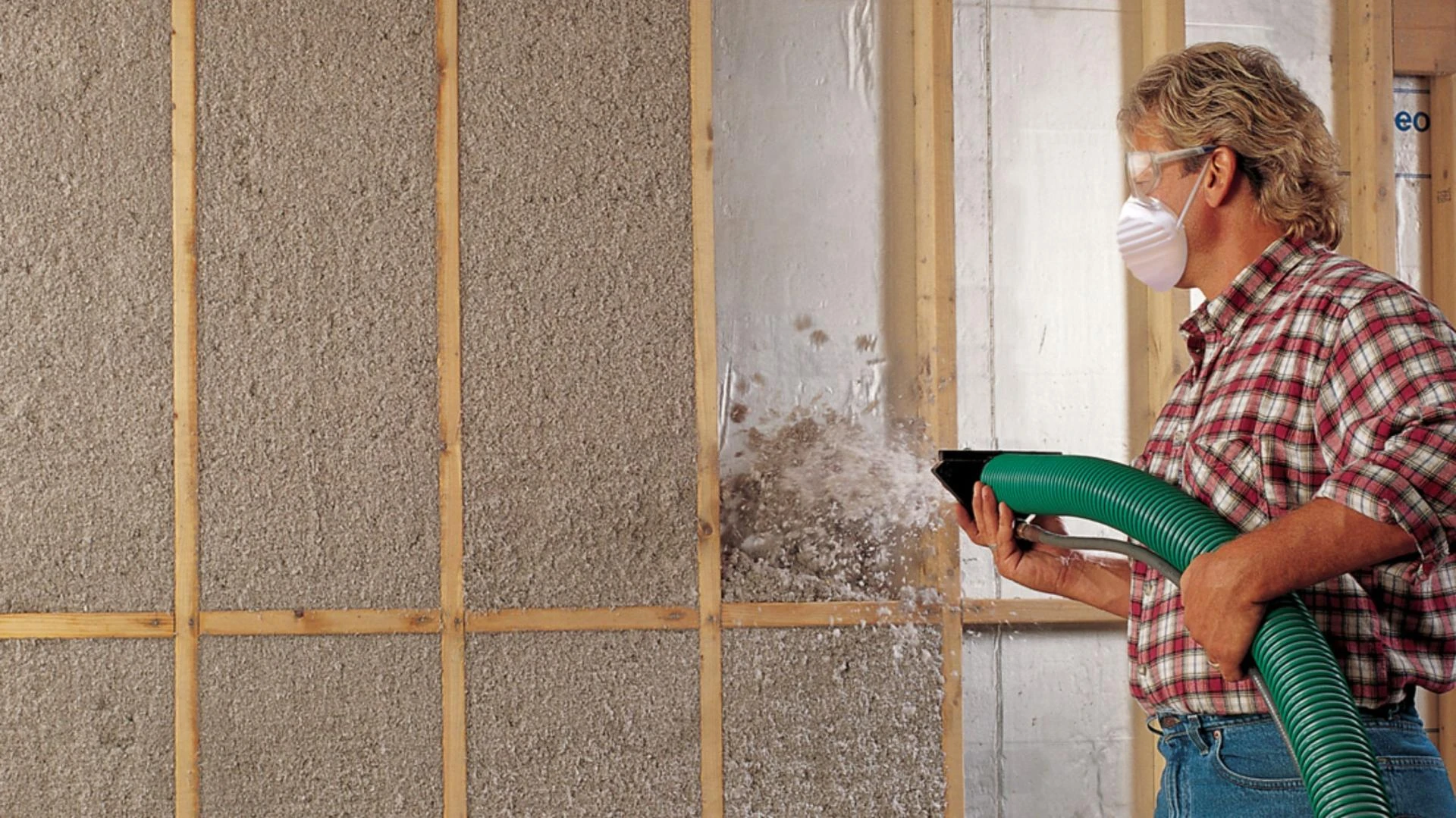
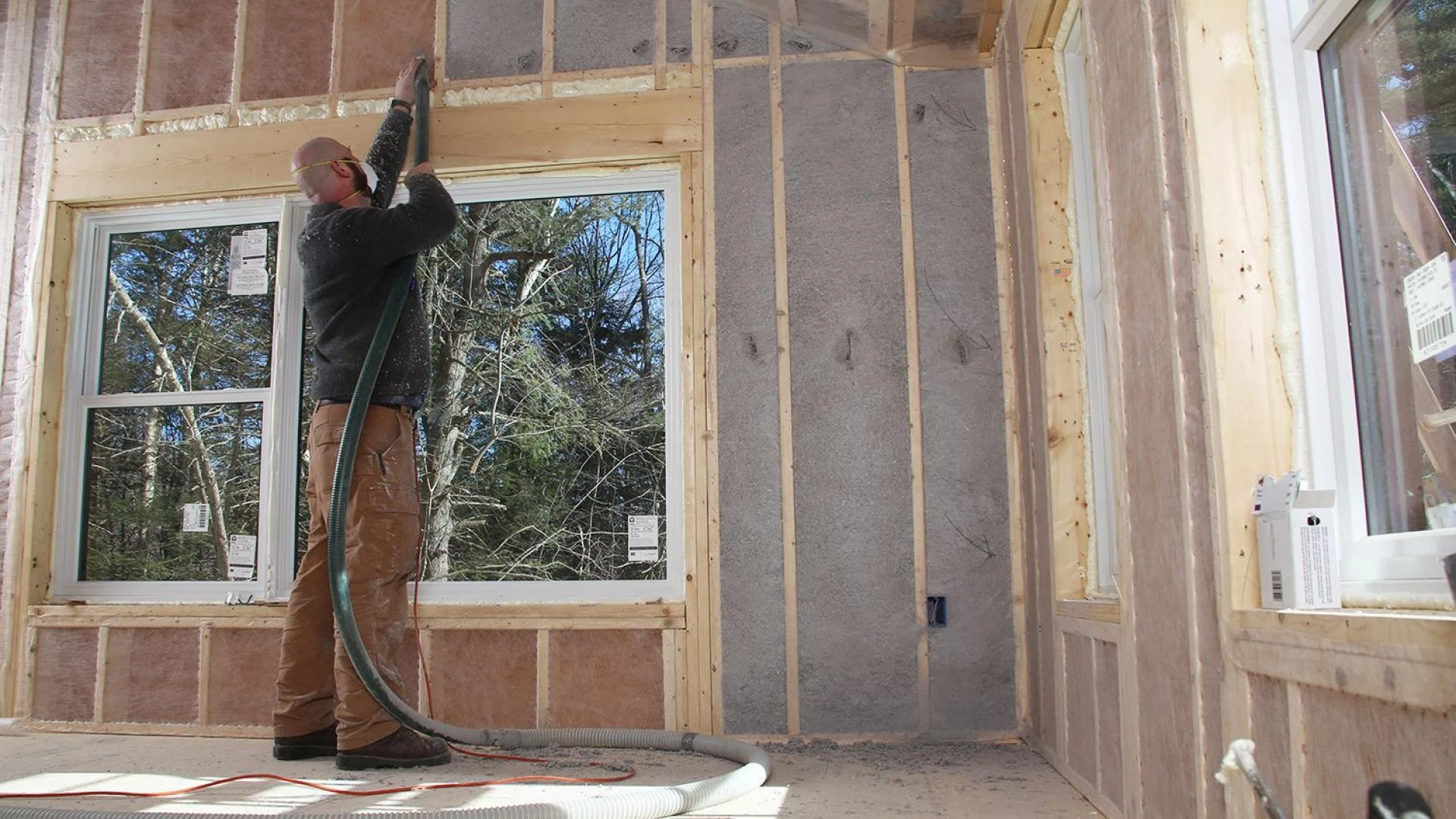
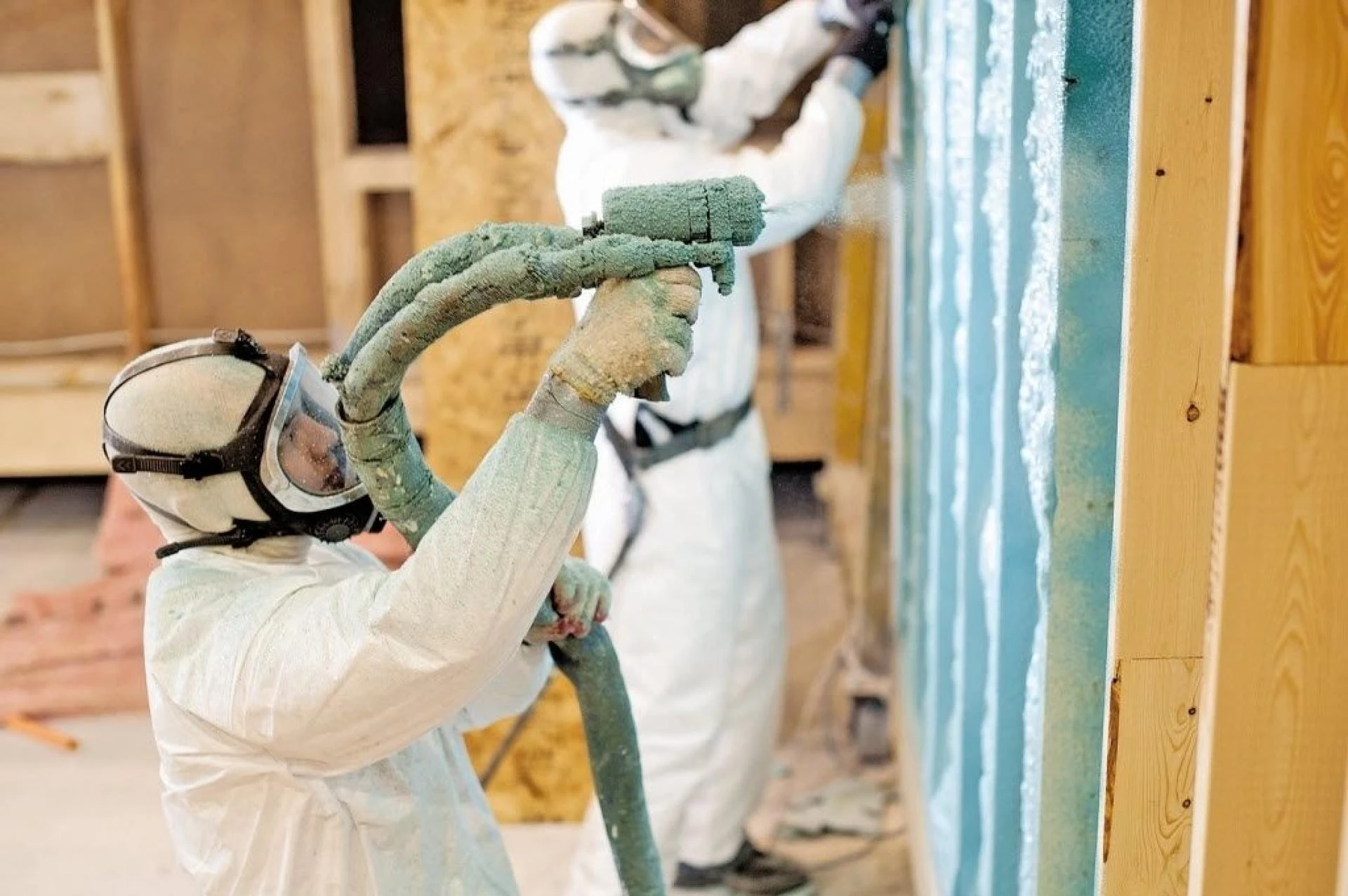
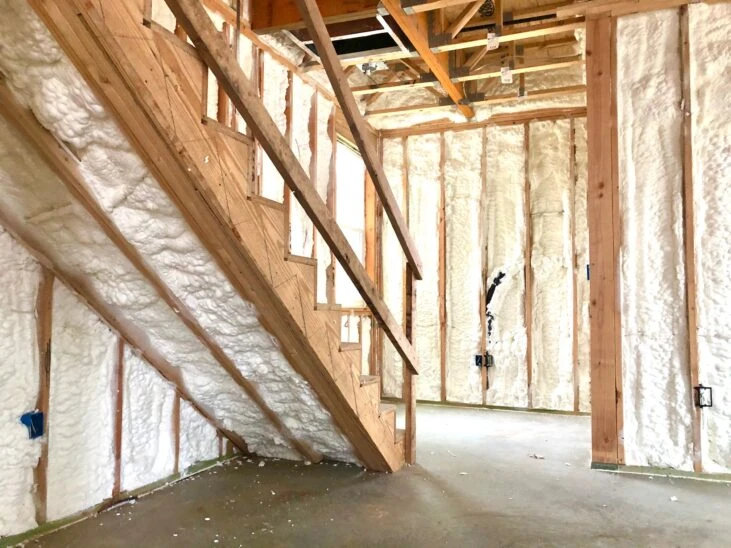
When insulating existing walls, the process is called "dense-packing." A professional drills small, strategically placed holes in each wall cavity and blows the insulation in under pressure until it's tightly packed. This ensures a complete fill without any voids. There are a few common material choices for this process.
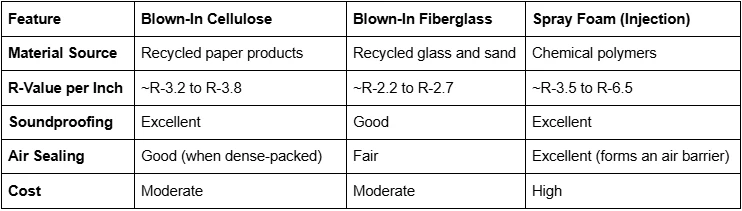
Bonus Tip: For homes in regions with high humidity, like the Southeast, fiberglass may have a slight edge due to its natural resistance to moisture. In colder, drier climates like the Midwest, the higher R-value and air-sealing properties of dense-packed cellulose are often preferred.
Things to Consider Before Making a Decision
Before starting a wall insulation project, there are several important factors to evaluate to ensure the job is done correctly and safely.
- Inspect Wall Cavities: It's important to know what's inside the walls before you start. An installer should use a small camera or other methods to check for obstructions, existing fire-blocking, or old wiring. Homes built before the 1940s may have knob-and-tube wiring, which cannot be safely covered with insulation.
- Air Sealing is Still Necessary: Just like in an attic, air sealing should be part of the job. While dense-packing reduces airflow, it doesn't stop it completely. Key air leakage points in the home's shell should be addressed for the best results.
- The Installation Process Matters: The performance of blown-in wall insulation depends entirely on the quality of the installation. The material must be packed to the correct density to prevent it from settling over time and to achieve its full R-value. This is a job that requires professional equipment and experience.
- Exterior vs. Interior Access: The installer will need to drill holes to inject the insulation. This can often be done from the home's exterior, which is less disruptive. If the exterior is brick or stone, the work may need to be done from the inside, which involves patching and painting drywall.
Bonus Tip: Always get a clear statement of work from the contractor that details how they will access the wall cavities, what material they will use, and how they will patch and finish the access holes.
Questions People Ask About Wall Insulation
Can you insulate walls that already have some old insulation?
It depends. If the old insulation is just a few thin, settled batts at the bottom of the cavity, new blown-in insulation can often be installed on top. If the cavity is full of old, damaged, or wet material, it may need to be removed first, which is a much more involved process.
Will drilling holes in my walls damage my home?
When done by a professional, the process is very clean. The holes are typically small (around 2-3 inches) and are patched to match the existing wall surface. On siding, a section is often temporarily removed, and the hole is drilled in the sheathing underneath, making it completely invisible once the siding is replaced.
Is the insulation material safe?
Yes. Modern cellulose and fiberglass insulation are manufactured to be safe. Cellulose is treated with non-toxic borates to make it fire, mold, and pest-resistant. Fiberglass is naturally fire-resistant and is made without formaldehyde. Once installed inside a wall, the material is completely sealed off.
How do I know if my walls need insulation?
If your home was built before the 1970s, there's a good chance the walls have little to no insulation. Signs of under-insulated walls include rooms that are difficult to heat or cool, cold exterior walls in the winter, and high energy bills. An infrared camera inspection during an energy audit can show you exactly where heat is being lost.
Is insulating interior walls worth it?
Insulating interior walls isn't for thermal control, but it's one of the best ways to soundproof your home. It's a great option for walls around bathrooms, home offices, theaters, or bedrooms to create quieter, more private spaces.
A Lasting Investment in Your Property
Installing blown-in wall insulation is more than just a home improvement project; it's a long-term investment in a property's value and appeal. It directly tackles rising energy costs, improves daily comfort, and makes a home more attractive to future buyers. By creating a quieter, more temperature-stable, and less expensive home to run, it delivers benefits that pay off for as long as you own the house and again when it's time to sell.
Getting a Professional Wall Insulation Assessment
The best way to determine if your home could benefit from blown-in wall insulation is to have a professional conduct an evaluation. An expert can assess your current insulation levels, identify any potential issues within the wall cavities, and provide a clear plan of action. For homeowners who want a thorough and reliable assessment, the team at Armored Insulation offers detailed consultations. They can provide a no-obligation quote and explain the process. Interested homeowners can reach them by calling (270) 727-5566 or by sending an email to [email protected].
Author: Jared Baker, Owner and Director of Business at Armored Insulation, brings deep local insight and strong business expertise to his work as a native of Mayfield. He has successfully built multiple ventures and plays a key role in upholding the company’s focus on delivering top-tier service.
Reviewer: Mia Clark reviewed this article, offering input from her 9 years of experience in the spray foam industry to help companies make their services easier to understand and market effectively.



















Sign in to leave a comment.