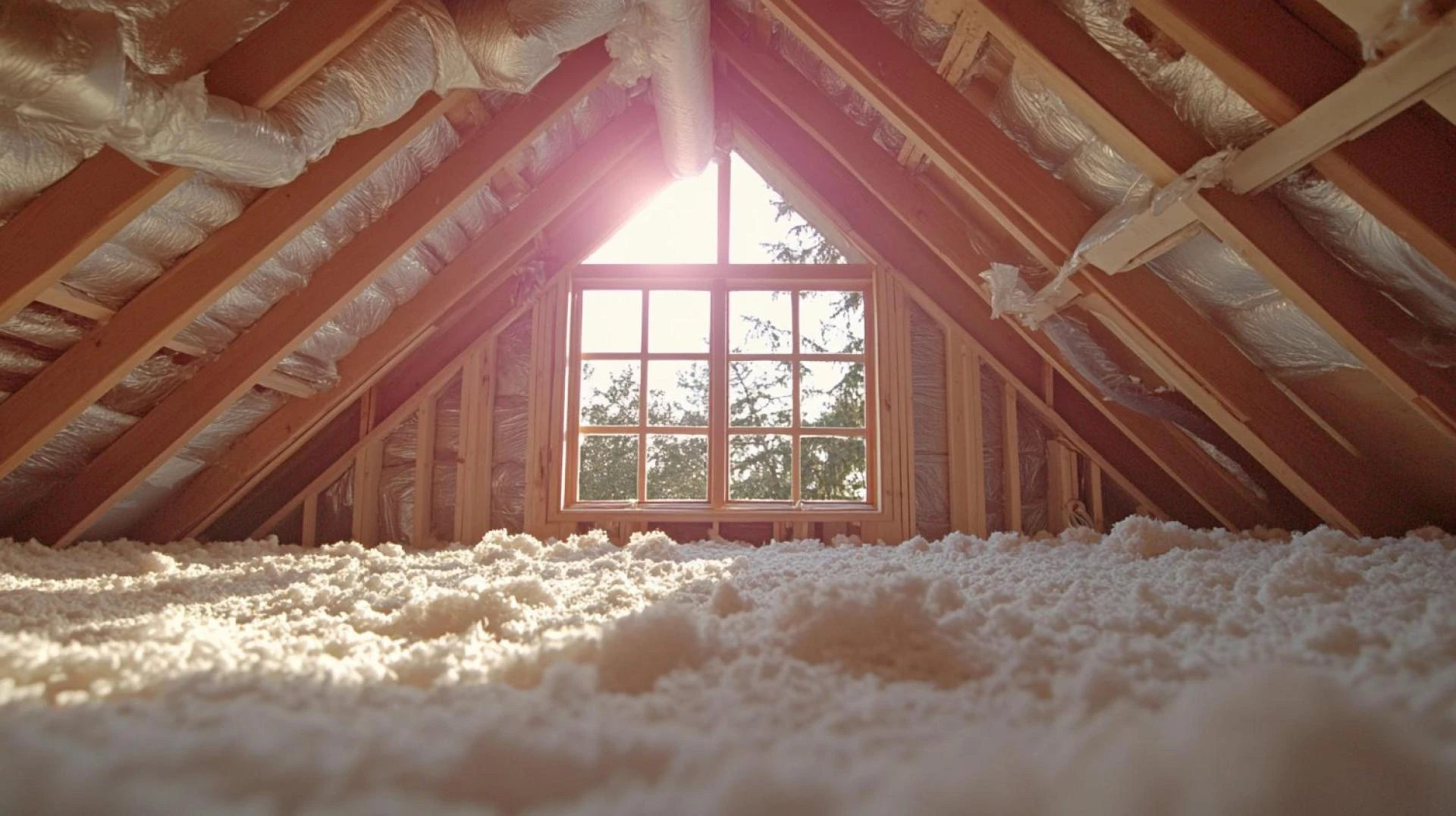
Blown-in insulation is one of the most common and effective ways to improve a home's energy efficiency, especially in an attic. However, because it's a product that most homeowners don't see or interact with very often, it's surrounded by a number of persistent myths and misconceptions. These misunderstandings can cause people to make poor decisions about their home's insulation, leading to lost energy savings and comfort. Some of the most common myths are that it will settle and lose its effectiveness over time, that it's a serious fire hazard, that it's bad for air quality, and that it's a messy DIY project that anyone can do.
In reality, a modern blown-in insulation professional is a high-performance, safe, and durable product when it is installed by a qualified professional. This guide, drawing on the practical knowledge of experienced insulation contractors, will debunk seven of the most common myths and provide the facts that homeowners need to make an informed choice.
Myth 1 It Will Settle and Become Ineffective Over Time
This is one of the oldest and most persistent myths, and it's based on a kernel of truth from older, outdated products. It is true that early forms of cellulose and fiberglass insulation could settle by as much as 20-30% over time, which would significantly reduce their R-value.
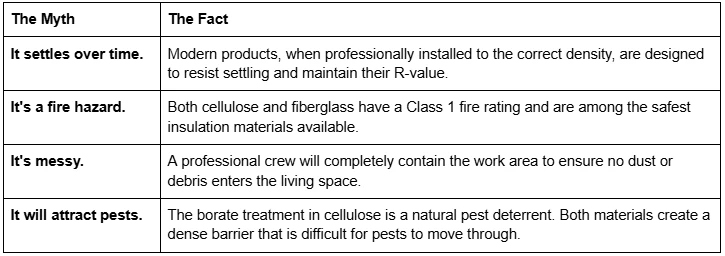
However, modern blown-in insulation products are manufactured to a much higher standard. Today's fiberglass and cellulose are lighter and more resilient, and they are designed to resist settling. When a professional installer blows the insulation to the correct density using calibrated equipment, it will maintain its loft and its full R-value for decades. A professional installation is key here; an improper, low-density installation can still be prone to some settling, which is why hiring a reputable contractor is so important.
Myth 2 It's a Serious Fire Hazard
Some people, particularly when they hear that cellulose is made from paper, immediately assume that it's a major fire risk. This is completely false.
Modern blown-in cellulose insulation is heavily treated with non-toxic borate fire retardants. This treatment makes the cellulose insulation one of the most fire-resistant insulation materials available. It has a Class 1 fire rating, which is the highest rating possible. Blown-in fiberglass is also naturally non-combustible, as it is made from glass. Far from being a fire hazard, a thick, dense layer of blown-in insulation in an attic can actually help to slow the spread of a fire by limiting the amount of oxygen that can get to the wooden framing.
Myth 3 It's Messy and Will Get All Over My House
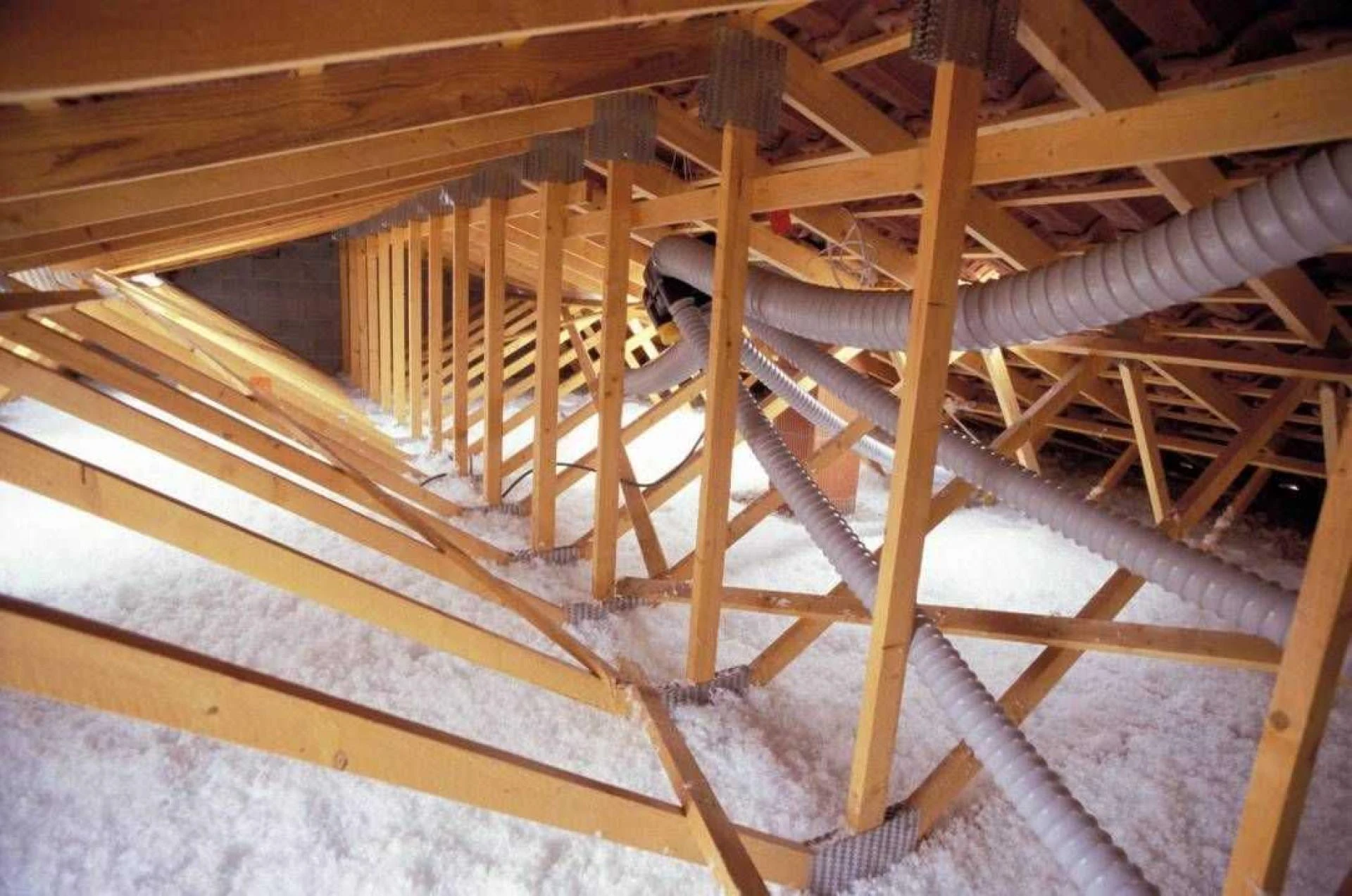
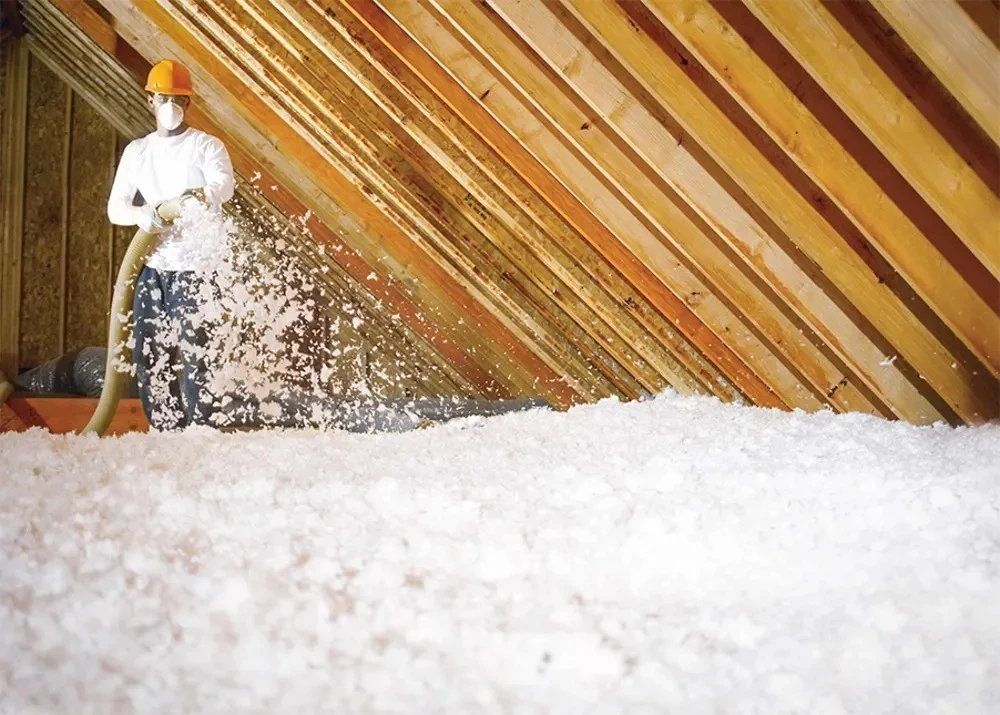
The image of a chaotic, dusty installation is a common concern for homeowners. It’s true that the process of blowing insulation can create some dust in the immediate work area. However, a professional installation crew takes extensive precautions to ensure that the mess is completely contained.
A professional team will:
- Lay down tarps or plastic sheeting from the front door all the way to the attic access hatch.
- Seal off the attic hatch with plastic to prevent any dust from entering the living space.
- Use a long hose that runs directly from their truck to the attic, minimizing the amount of equipment and material that needs to be brought into the house.
- Perform a thorough cleanup of the work area after the job is complete.
When the job is done by a professional, the only thing the homeowner should notice is a more comfortable and energy-efficient home.
Myth 4 It's Bad for Indoor Air Quality
Some homeowners worry that the small fibers or dust from the insulation will find their way into the home and affect the air they breathe. This is a valid concern, but one that is addressed by modern materials and professional installation.
Modern fiberglass is manufactured to be low-dust and contains a high percentage of recycled content. Modern cellulose is made from recycled paper and is treated with borates, which are a low-toxicity mineral. More importantly, a key part of any professional insulation upgrade is air sealing. Before the insulation is blown, a good contractor will seal all the small cracks and gaps in the ceiling plane. This prevents air from the attic from communicating with the living space, which not only stops energy loss but also creates a barrier that keeps any dust or fibers from the insulation contained in the attic where they belong.
Bonus Tip: For homeowners who are particularly sensitive to dust or allergens, a high-quality blown-in insulation job is often a great choice because the dense, seamless blanket it creates is very effective at stopping the infiltration of outdoor allergens like pollen.
Fact vs Fiction A Quick Guide to Blown-In Insulation
Myth 5 It Will Attract Pests
The idea of a fluffy pile of insulation becoming a home for rodents or insects is a major concern for many people. In reality, modern blown-in insulation is actually a very poor choice of home for pests.
The borate treatment in cellulose insulation has the added benefit of being a natural pest and mold inhibitor. Pests like rodents, cockroaches, and termites find the borate-treated paper to be an irritant and will generally avoid it. While fiberglass does not have this same chemical deterrent, when it is installed as a dense, thick blanket, it is very difficult for pests to tunnel through or nest in. It does not provide a food source, and its small glass fibers can be an irritant to rodents. In many cases, a new layer of blown-in insulation can help to control pests by sealing off the small entry points they use to get into the attic.
Myth 6 Any Amount of Insulation is Better Than Nothing
While this is technically true, it's a misleading statement that often leads to under-insulating a home. The Department of Energy provides specific recommendations for the amount of insulation a home needs based on its climate zone. For a region like Kentucky, for example, the recommendation for an attic is to have an R-value of between R-49 and R-60.
Simply "topping up" an attic with a few inches of new insulation might seem like a good idea, but if it doesn't bring the total level up to this recommended standard, the homeowner is missing out on a huge portion of the potential energy savings and comfort improvements. A professional contractor will calculate the amount of existing insulation and then add enough new material to create a thick, continuous blanket that meets or exceeds the current code requirements.
Bonus Tip: A simple way to check your attic's R-value is with a ruler. For blown-in fiberglass, you need about 16-18 inches to achieve an R-49. For cellulose, you need about 13-14 inches. If you have less than a foot of insulation, you are likely under-insulated.
Myth 7 It's an Easy DIY Project
Rental stores often advertise their DIY insulation blowers as an easy weekend project. While it is technically possible for a homeowner to do it themselves, it is very difficult to achieve a professional-quality result.
A professional installer uses a much more powerful, truck-mounted machine that is calibrated to install the insulation at the proper density to ensure it performs correctly and doesn't settle. They are also trained to work safely and efficiently in a cramped attic, to properly install ventilation baffles, and, most importantly, to perform the critical air sealing work before the insulation is blown. The small amount of money saved on a DIY job is often lost through the poor performance of an incomplete or improperly installed product.
Things to Consider Before Your Project
When a homeowner is ready to move past the myths and get the facts about a blown-in insulation upgrade, there are a few key things to think about.
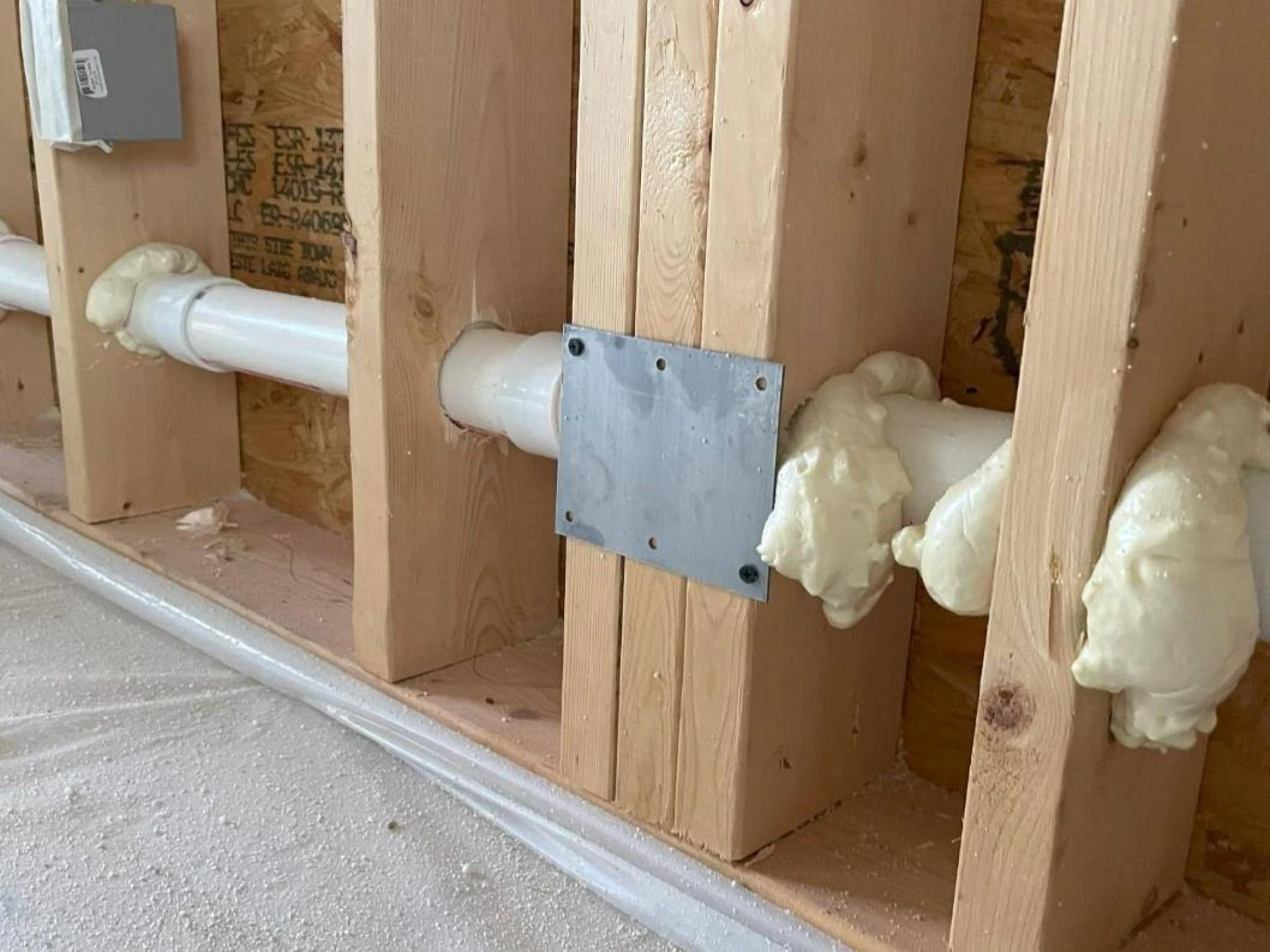
- Air Sealing is a Must: The single most important step for a successful attic insulation project is a thorough air sealing of the attic floor. A homeowner should ensure this is a standard part of any contractor's proposal.
- Ventilation is Also Key: The contractor should inspect the attic's ventilation and make sure that the soffit vents are not blocked. They should install baffles to keep the new insulation from covering these vents.
- The Contractor's Quality Matters: As discussed, the performance of blown-in insulation is highly dependent on the quality of the installation. A homeowner should choose an experienced, insured, and reputable contractor.
Questions People Ask About
What is the difference between blown-in fiberglass and cellulose?
Both are excellent products. Fiberglass is made from spun glass and is naturally moisture and mold resistant. Cellulose is made from recycled paper and is treated with borates to be fire and pest resistant. A professional contractor can help a homeowner choose the right product for their specific needs.
How long does a blown-in attic insulation project take?
For an average-sized attic, a professional crew can typically complete the entire job, including the air sealing and cleanup, in a single day.
Do I need to remove my old attic insulation before adding new?
In most cases, no. If the existing insulation is dry and in good condition, the new blown-in insulation can be installed directly on top of it. The old insulation only needs to be removed if it is wet, moldy, or heavily contaminated by pests.
Is blown-in insulation a good choice for walls?
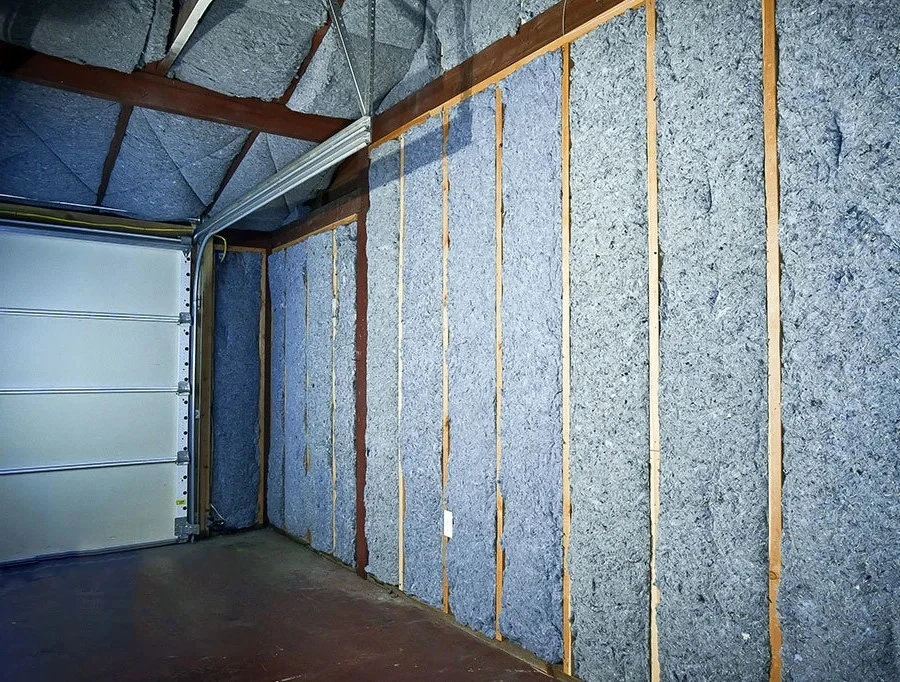
Yes, it can be. "Dense-pack" cellulose or fiberglass can be blown into enclosed wall cavities to add insulation to an existing home. This is a great way to improve the comfort and efficiency of older homes that were built with uninsulated walls.
How much does a professional blown-in insulation project cost?
The cost will vary depending on the size of the attic, the amount of existing insulation, and the extent of the air sealing work that is needed. However, it is generally a very cost-effective home improvement with a high return on investment through energy savings. A recent industry analysis often places attic insulation as one of the home improvements with the highest ROI.
The Clear Choice for a Comfortable Home
Modern blown-in insulation is a safe, effective, and durable product that offers a fantastic return on investment for homeowners. By understanding the facts and moving past the outdated myths, homeowners can feel confident in choosing this simple and proven method to make their homes more comfortable, lower their energy bills, and improve their indoor air quality for years to come. Applying this knowledge to a specific home, however, is the next logical step.
Get an Expert Opinion and a Factual Assessment
To get a clear and factual assessment of a home's specific insulation needs, the best first step is a professional consultation. An experienced insulation contractor can inspect a home, answer any questions, and provide a detailed estimate based on facts, not myths. For homeowners in the Mayfield area, a team like Armored Insulation can provide a comprehensive evaluation. To schedule an appointment, they can be reached by email at [email protected] or by phone at (270) 727-5566.
Author: Jared Baker, Owner and Director of Business at Armored Insulation, is a Mayfield native with deep local insight and strong business expertise. He plays a key role in upholding the company’s focus on delivering top-tier service.
Reviewer: Mia Clark used her 9 years of experience in spray foam to review this article and offered input focused on helping companies make their services easier to understand and market effectively.}






















Sign in to leave a comment.