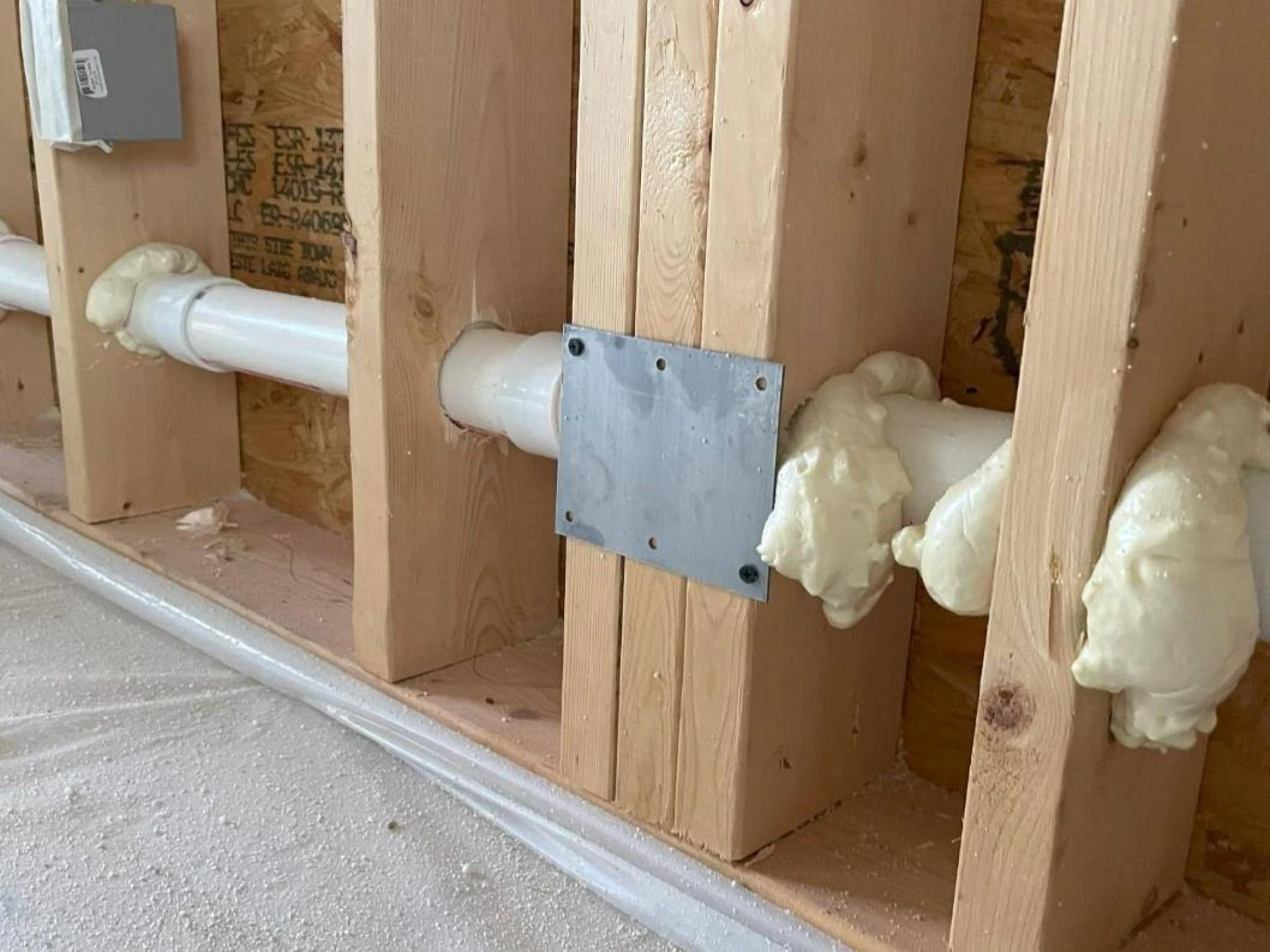
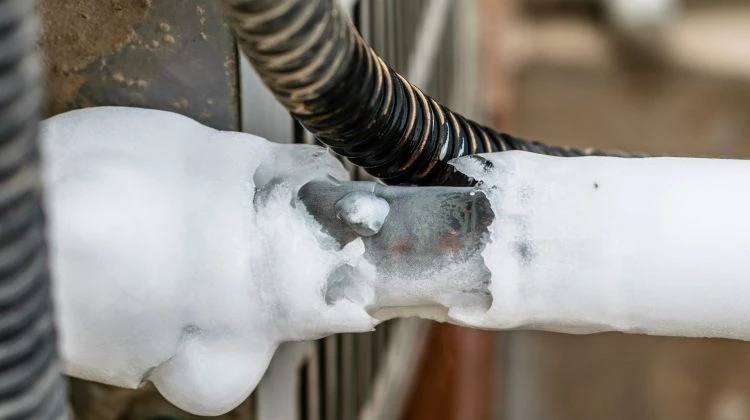
When a winter cold snap hits, the threat of a burst pipe is a major concern for any homeowner. A frozen pipe can lead to thousands of dollars in water damage and a massive headache. While many people reach for traditional pipe wrap, Expert spray foam insulation offers a far more comprehensive and effective way to protect your plumbing. Spray foam protects pipes from freezing by completely air sealing the space around them, which stops the infiltration of cold air. It also provides a powerful thermal barrier that keeps the ambient temperature in the cavity well above freezing.
This method moves beyond simply covering the pipe; it conditions the entire environment where the plumbing is located. This creates a durable, long-term solution that traditional methods cannot match. This guide, with input from building professionals and local business experts, will explain the science behind why pipes freeze and how a modern insulation approach provides the best possible defense against a winter catastrophe.
Why Pipes Freeze in the First Place
A pipe doesn't freeze just because it's cold outside. It freezes because it is exposed to moving, freezing air for a prolonged period, which strips the heat away from the pipe and the water inside it. The most vulnerable pipes are those located in unconditioned or poorly insulated areas of the home, such as:
- Crawl spaces
- Unfinished basements, especially along the rim joists
- Exterior walls, particularly those on the north side of the house
- Attics
- Garages
In these locations, gaps and cracks in the home's foundation and framing allow frigid outside air to blow directly onto the plumbing. A simple fiberglass batt placed in the wall cavity does very little to stop this air movement. According to industry data, water damage from burst pipes is one of the most common preventable homeowner insurance claims, often costing over $10,000 to repair.
The Two-Fold Protection of Spray Foam
Spray foam insulation offers a robust, two-part solution that addresses both the cause and the symptoms of heat loss around plumbing.
1. The Power of Air Sealing
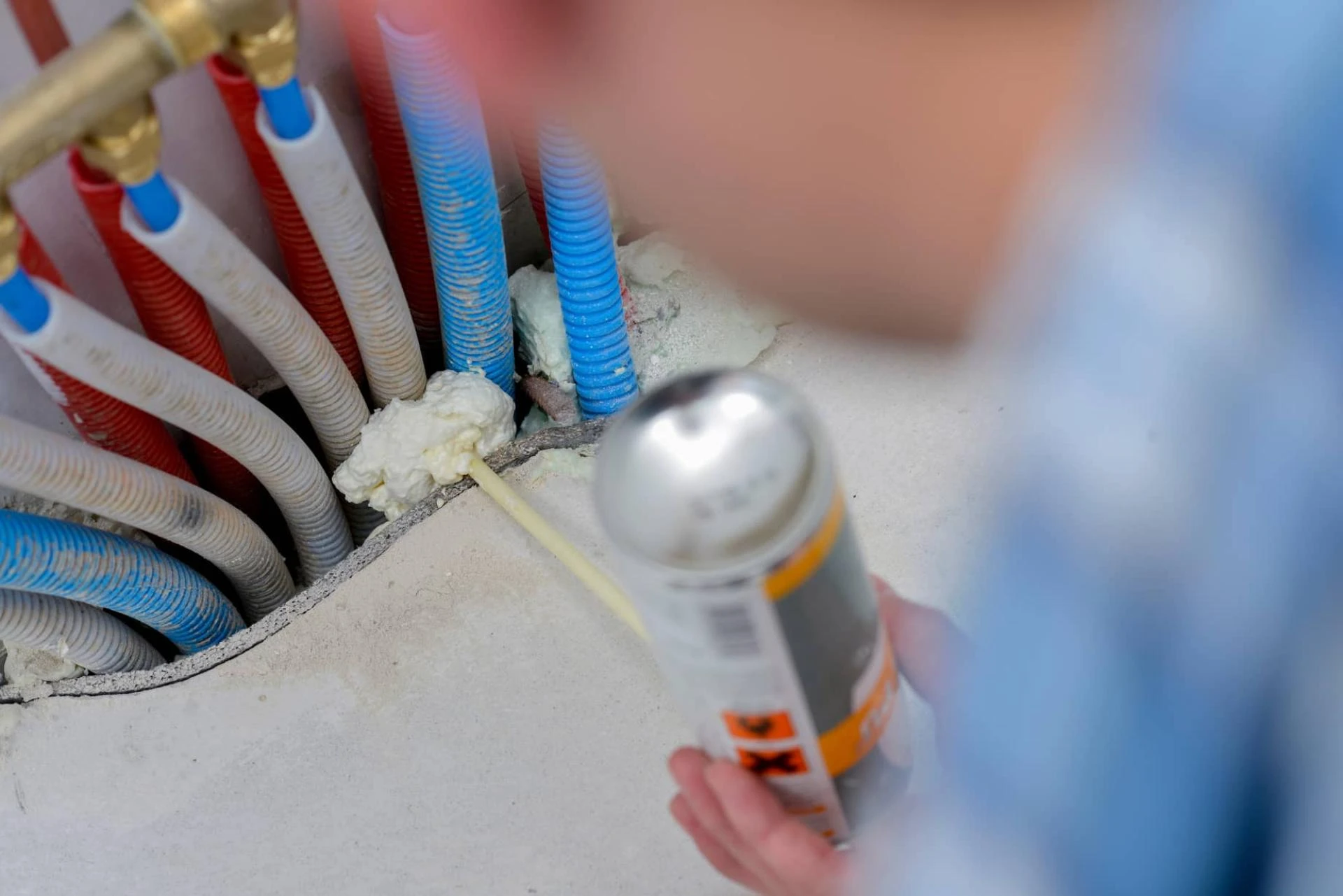
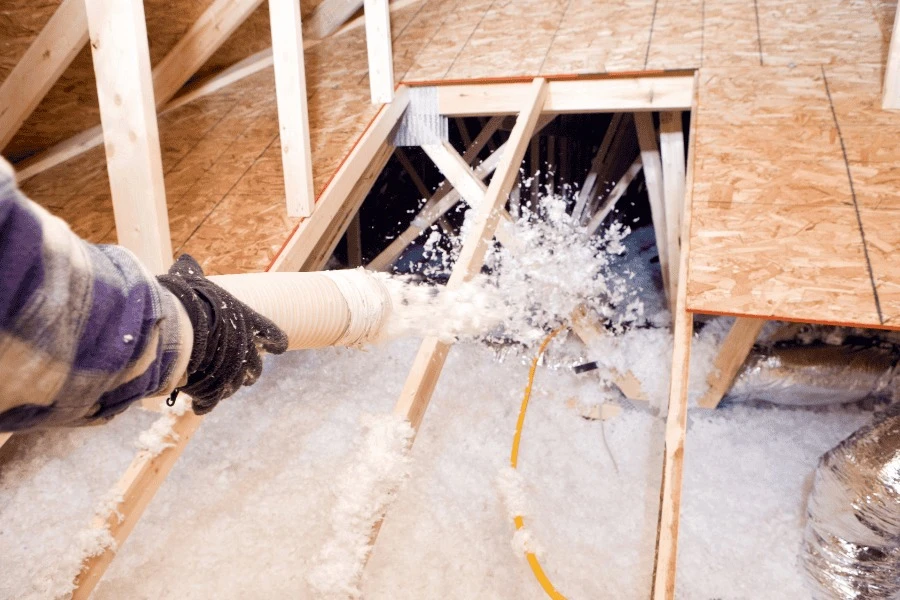
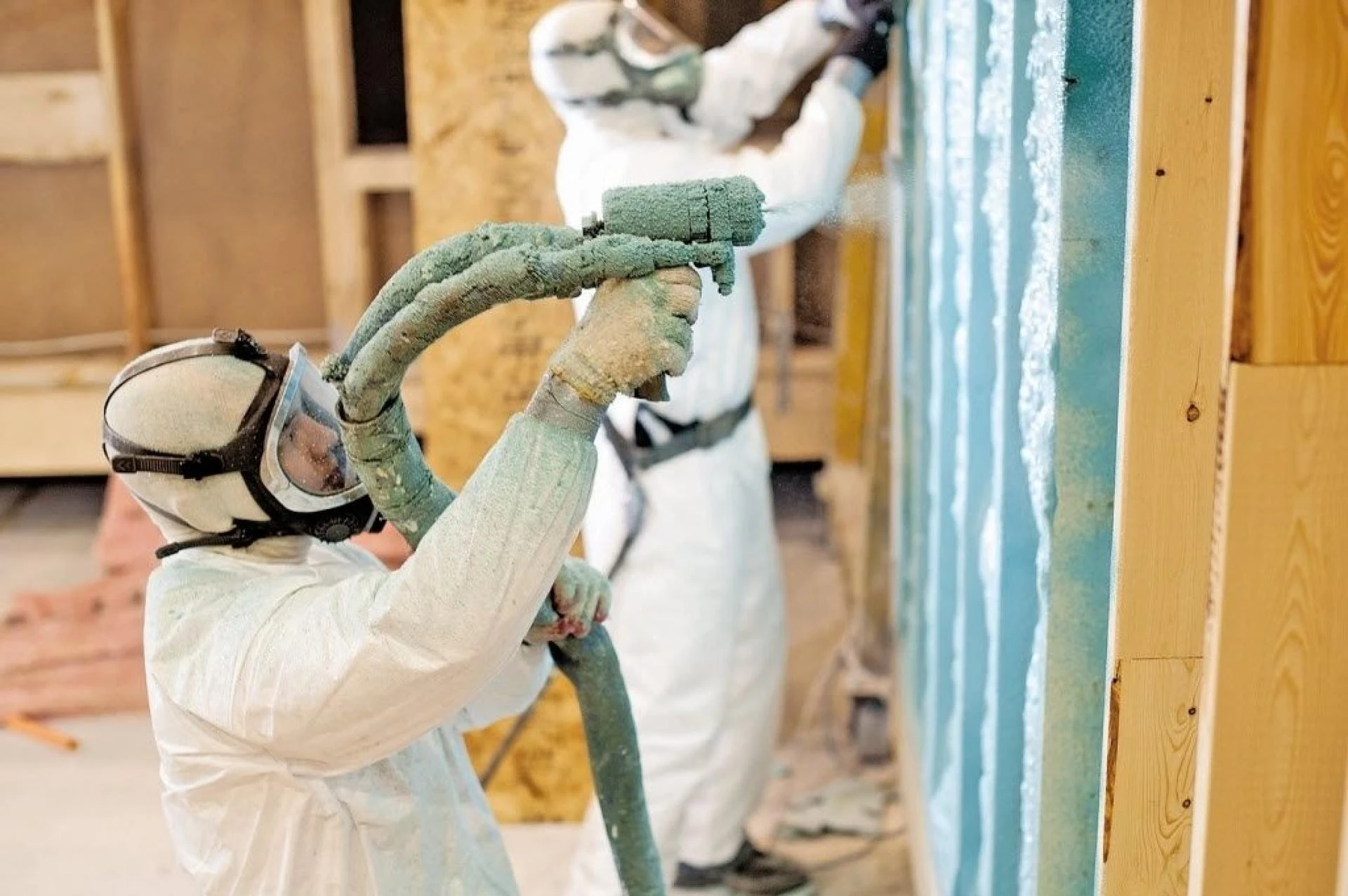
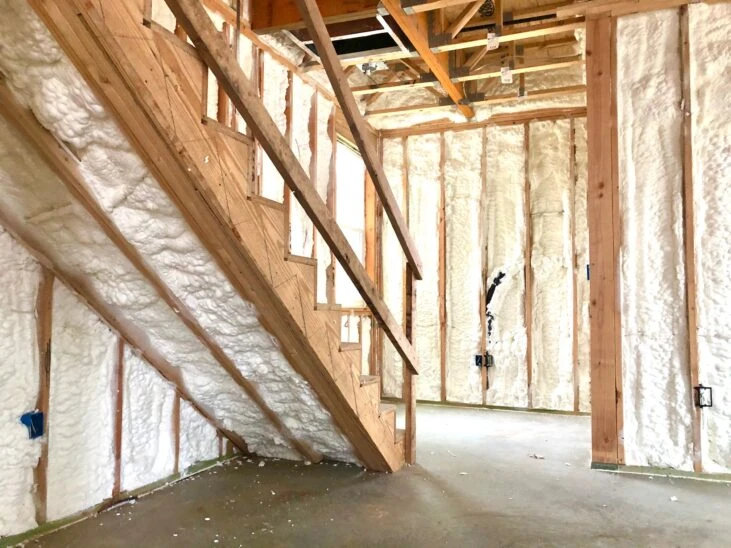
The most important step in protecting pipes is to stop the cold air from reaching them. This is where spray foam excels. When it is applied, the liquid expands to fill every single crack, gap, and seam in the area. It adheres directly to the foundation, the wood framing, and the subfloor, creating a continuous, seamless air barrier.
This airtight seal completely stops the cold winter winds from infiltrating the crawl space or basement. By preventing this convective heat loss, the ambient temperature around the pipes remains much more stable and is influenced by the conditioned air in the home rather than the frigid air outside.
2. A Superior Thermal Barrier
Even in a perfectly sealed space, heat will eventually move from a warmer area to a colder one. This is where insulation's R-value comes into play. Closed-cell spray foam has an exceptionally high R-value (around R-7 per inch), meaning it is highly effective at slowing down the transfer of heat.
By insulating the foundation walls or the underside of the floor with spray foam, you create a powerful thermal break between your plumbing and the outside cold. This ensures that any residual heat in the space is kept in, and the cold is kept out, providing a deep level of protection even during prolonged power outages when the furnace isn't running.
Bonus Tip: Focus on insulating the "cold side" of the pipe. For pipes in a crawl space, this means insulating the foundation walls and rim joist, not insulating the floor joists above. This approach creates a conditioned space that protects the pipes, ducts, and the floor all at once.
Spray Foam vs. Traditional Pipe Wrap
Many people try to solve the problem with foam sleeves or fiberglass wrap that goes directly onto the pipe. While this is better than nothing, it's a far less effective solution.
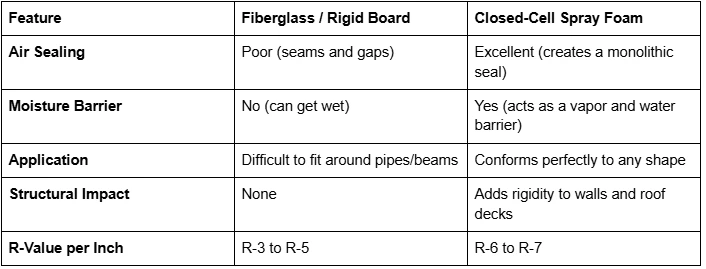
Simply put, wrapping the pipe is a temporary bandage. Insulating the entire space with spray foam is a permanent cure.
The Best Choice for Vulnerable Areas: Closed-Cell Foam
For protecting pipes in basements and crawl spaces, closed-cell spray foam is the ideal material. Its dense, rigid structure offers several key advantages in these below-grade environments.
- It's Waterproof: Basements and crawl spaces can be damp. Closed-cell foam is a waterproof material and acts as a vapor barrier, so it won't absorb moisture or lose its insulating properties if it gets wet.
- It's Durable: It is a tough, rigid material that won't be damaged by occasional bumps or pests.
- It Adds Structural Strength: Because it adheres so strongly to the surfaces it's applied to, it can add structural rigidity to older foundation walls and the floor system above.
Bonus Tip: When insulating a crawl space, sealing the vents and insulating the foundation walls with closed-cell spray foam (creating an "encapsulated crawl space") is the gold standard. This not only protects the pipes but also dramatically improves indoor air quality and energy efficiency for the entire home.
Things to Consider Before Starting the Project
Protecting your pipes with spray foam is a smart investment, but it's important to approach it correctly.
- Insulate the Space, Not the Pipe: It is generally not recommended to spray foam directly onto the pipes themselves. This can make future plumbing repairs very difficult. The correct strategy is always to insulate the walls or floor of the cavity that contains the pipes.
- Don't Isolate Pipes from Heat: In some rare cases, pipes in an exterior wall rely on a small amount of heat from the inside of the house to stay warm. A professional installer will understand how to insulate the wall correctly to block the outside cold while still allowing some indoor heat to reach the plumbing.
- Hire a Professional: This is not a DIY job. A certified professional has the equipment and expertise to apply the foam safely and effectively, ensuring you get the full protective benefit.
Frequently Asked Questions
Will insulating my crawl space also make my floors warmer?
Yes, absolutely. A cold, drafty crawl space is one of the main reasons for cold floors on the main level of a home. Insulating and air sealing the crawl space will make the floors above noticeably warmer and more comfortable.
What happens if I lose power for a few days? Will the pipes still be safe?
A home that is well-insulated and air sealed with spray foam will lose its heat much, much more slowly than a leaky, poorly insulated home. This means the temperature in the crawl space or basement will stay above freezing for far longer during a power outage, providing a critical buffer of protection for your pipes.
Does this also protect my drain pipes?
Yes. While drain pipes are less likely to burst because they aren't under pressure, a frozen drain line can still cause a messy and inconvenient backup. Insulating the space protects all the plumbing within it, both supply and drain lines.
What's the most important area to insulate to prevent frozen pipes?
For most homes in Kentucky, the rim joist area in the basement or crawl space is the single most vulnerable spot. This is where the wooden structure of the house sits on top of the concrete foundation, and it is notoriously leaky.
A Permanent Solution for Winter Peace of Mind
The fear of a burst pipe is something no homeowner should have to worry about every winter. By taking a modern, building-science-based approach and insulating the spaces where your plumbing lives, you can eliminate the threat of freezing temperatures. An investment in spray foam insulation is an investment in a durable, worry-free home.
Get a Professional Plumbing Protection Assessment
To implement this permanent solution, the first step is having a professional identify the areas where your plumbing is most vulnerable. An expert can assess your basement, crawl space, and other areas and provide a clear plan to protect your pipes for good.
The team at Armored Insulation has deep local knowledge and a strong focus on providing top-tier service to the community. They specialize in creating high-performance insulation solutions that solve problems like frozen pipes. For a comprehensive home assessment, they can be reached at (270) 727-5566 or by email at [email protected].
Author: Jared Baker, Owner and Director of Business, brings deep local insight and strong business expertise to Armored Insulation as a native of Mayfield. While continuing a full-time role as a Staff Officer with a federal natural resources agency, he has successfully built multiple local service ventures. As Armored’s Business and Marketing Manager, he plays a key role in upholding the company’s focus on delivering top-tier service.
Reviewer: Mia Clark used her 9 years of experience in spray foam to review this article for technical accuracy and clarity.

























Sign in to leave a comment.