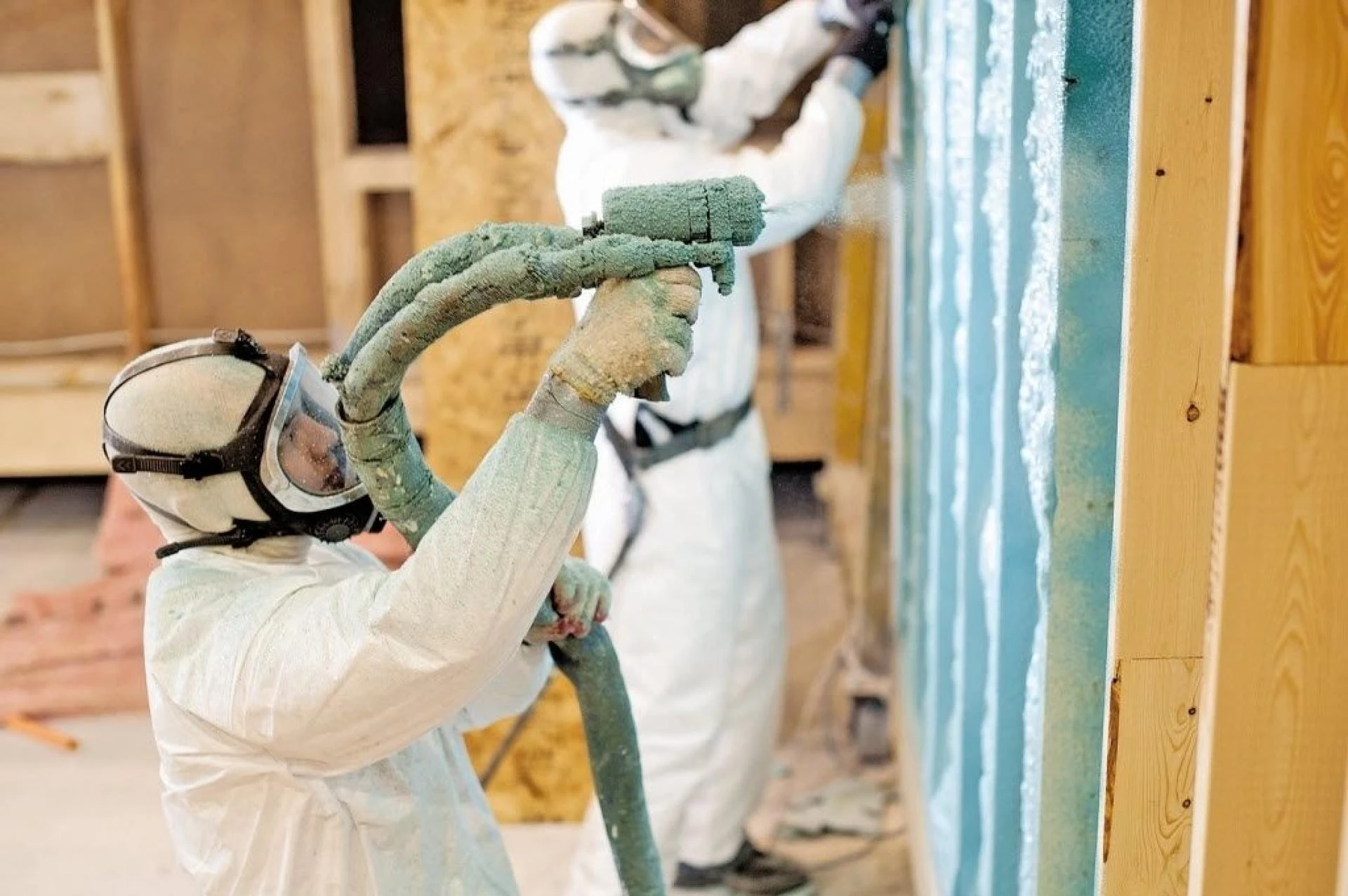
Spray foam insulation makes homes more comfortable by doing much more than just managing temperature. Its real strength lies in its ability to expand and create a complete air seal. This stops drafts, eliminates hot and cold spots, and creates a consistent feeling throughout the house. By controlling air movement, spray foam also helps manage indoor humidity, which is a major factor in how comfortable a space feels. It effectively creates a barrier that separates the indoor environment from outside weather conditions, leading to a quieter, more stable, and genuinely more pleasant living space.
This article will explain exactly how spray foam achieves this level of comfort, breaking down the science behind air sealing, moisture control, and even sound reduction. The information is based on extensive industry experience, offering a straightforward guide for any homeowner looking to understand the real benefits of this insulation method.
The Air Seal Advantage for Consistent Comfort
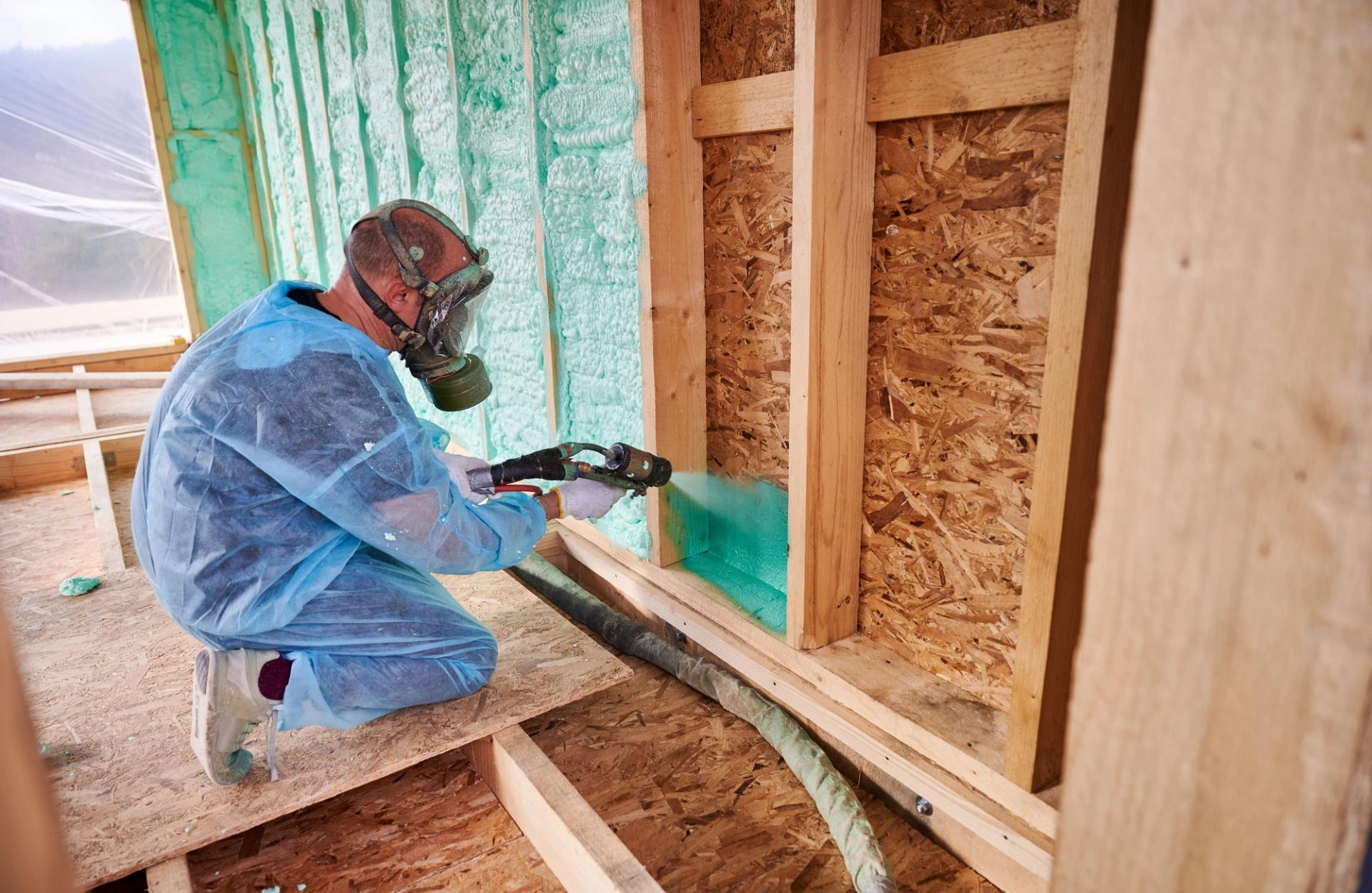
The single biggest reason spray foam improves home comfort is its ability to form a monolithic air barrier. Traditional insulation, like fiberglass batts or blown-in cellulose, can leave tiny gaps and cracks around fixtures, pipes, and framing. While these gaps might seem small, they add up, allowing unconditioned outside air to leak into the home and conditioned inside air to escape. Studies suggest that this air leakage can account for a significant portion of a home's energy loss.
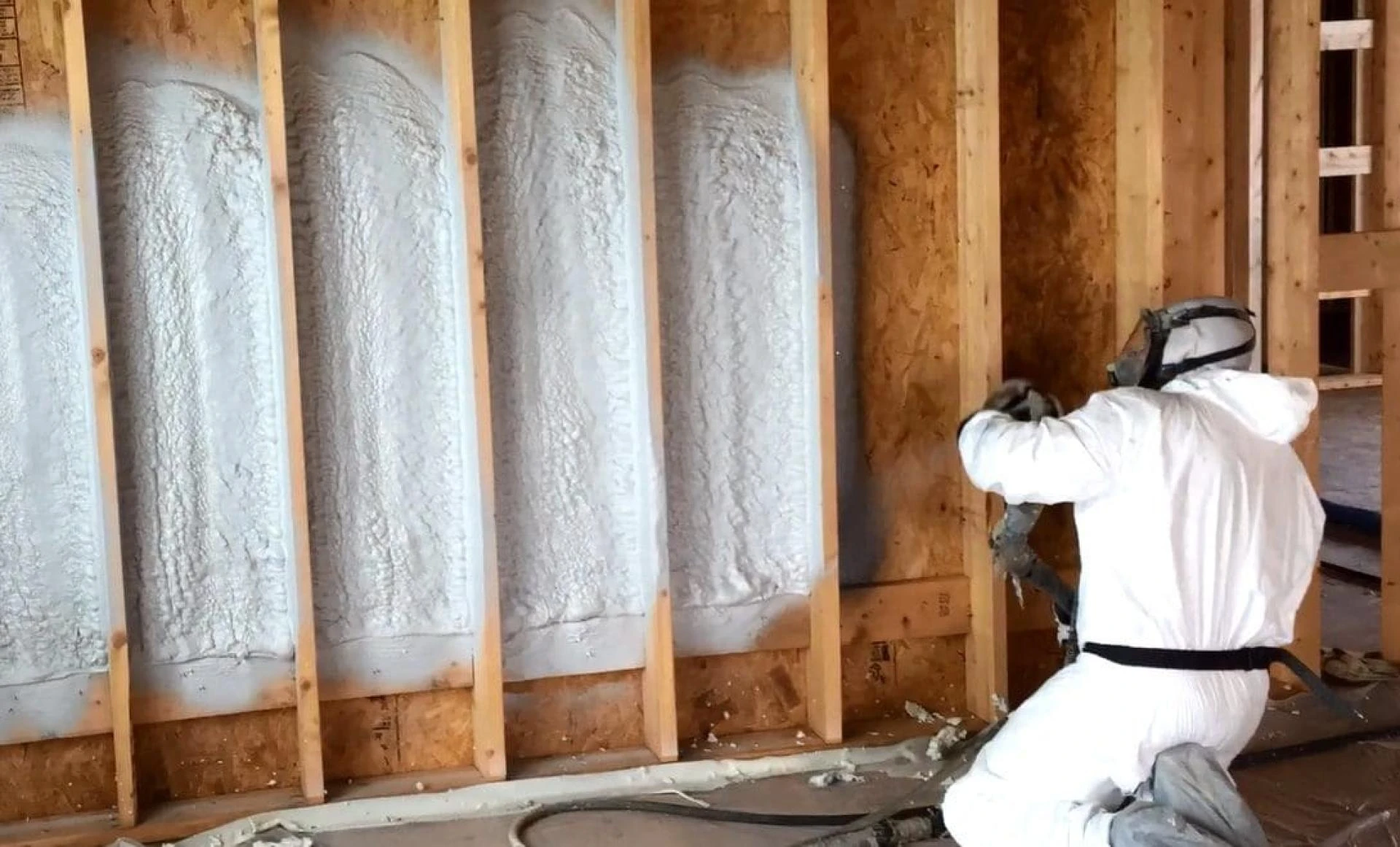
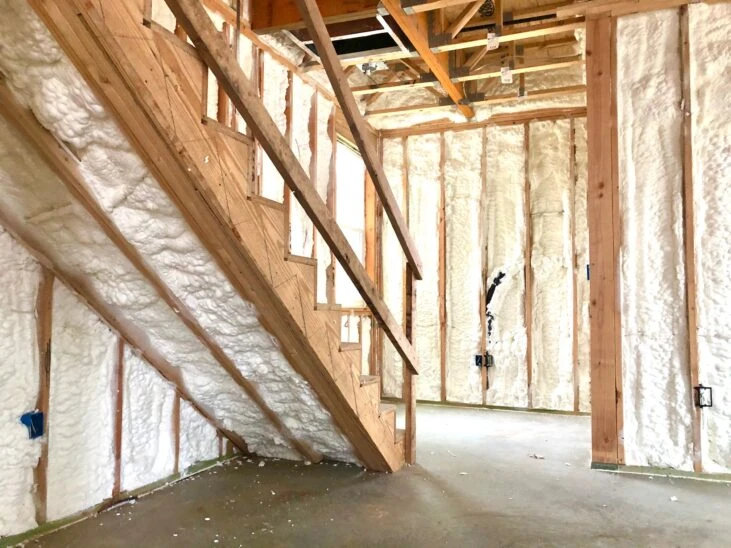
Spray foam is applied as a liquid that expands to fill every single crack and crevice, creating a truly airtight seal. This has a direct impact on comfort:
- No More Drafts: The cold drafts you feel near windows, outlets, or baseboards in the winter are a result of air leakage. An air seal eliminates them.
- Consistent Temperatures: It prevents "temperature stratification," where the upstairs is much hotter than the downstairs in the summer. The conditioned air stays where it's supposed to be.
- HVAC Systems Work Less: When a home is sealed, the heating and cooling system doesn't have to run constantly to fight against incoming air. This leads to longer, more gentle cycles and a more stable indoor temperature.
Taming Humidity for a Less Sticky Home
Comfort isn't just about the number on the thermostat; it's also about humidity. A room at 72 degrees can feel perfectly pleasant with low humidity but sticky and uncomfortable if the air is damp. This is a common problem in regions with humid climates, where summer air is often thick with moisture.
This is another area where spray foam, particularly closed-cell foam, excels.
- Closed-Cell as a Vapor Barrier: Closed-cell spray foam is "vapor impermeable," meaning water vapor can't pass through it. When applied to basement walls or crawl spaces, it stops ground moisture from seeping into the home.
- Reduced Indoor Humidity: By sealing air leaks, spray foam prevents humid outdoor air from infiltrating the building envelope. This means your air conditioner or dehumidifier has a much easier job, leading to lower indoor humidity levels and a crisper, more comfortable feel.
Bonus Tip: For homes in extremely humid climates, pairing a sealed building envelope from spray foam with a whole-home dehumidifier can create the ultimate comfort system. The foam stops the moisture from getting in, and the dehumidifier fine-tunes the indoor environment.
The Quiet Benefit of Sound Dampening
An often-overlooked aspect of home comfort is acoustics. Constant noise from outside traffic, neighbors, or even from within the house (like plumbing or a loud entertainment system) can be stressful. Spray foam offers excellent sound-dampening qualities.
Open-cell spray foam, with its soft and sponge-like texture, is particularly effective at absorbing sound waves. When installed in interior walls, it can create a noticeable difference. It's a popular choice for home offices, nurseries, and media rooms where peace and quiet are a priority. Even when used in exterior walls and attics for thermal reasons, the sound reduction is a significant secondary benefit that makes a home feel more serene and private.
Choosing the Right Foam for the Job
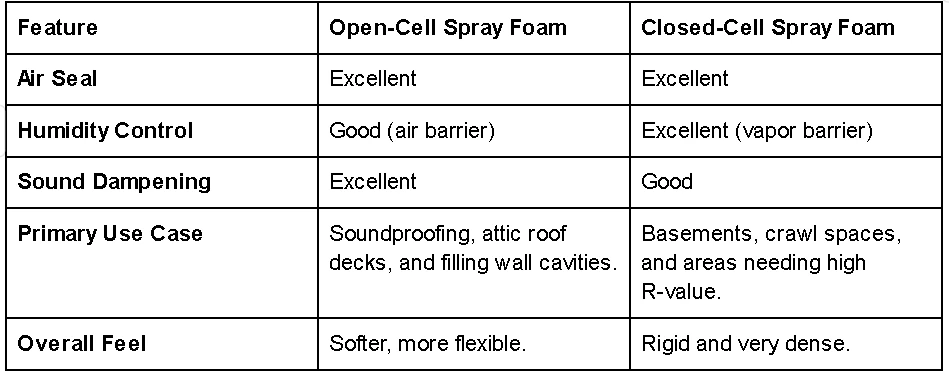
The type of foam used and its location in the home are directly related to the kind of comfort you'll achieve. This table breaks down the best uses for each type.
Things to Consider Before Making a Decision
Before moving forward with a spray foam project, there are a few practical points to think about.
First, consider the home itself. Is it new construction or an existing home? Retrofitting an older home with spray foam is entirely possible and very effective, but it may require removing old, underperforming insulation first. This should be discussed with the contractor upfront.
Second, think about the home's ventilation. By making a home very airtight, you are also reducing its natural air exchange. This is great for efficiency but means mechanical ventilation might be necessary to ensure fresh, healthy indoor air. A professional insulation contractor should be able to discuss options like an Energy Recovery Ventilator (ERV) or a Heat Recovery Ventilator (HRV).
Finally, an initial investment in spray foam is higher than for traditional insulation. However, this cost should be weighed against the long-term gains in comfort and energy savings. Many homeowners find that the reduction in their monthly utility bills provides a solid return on their investment over time.
Bonus Tip: Before insulating, consider getting a professional energy audit. An auditor can use tools like a blower door test to pinpoint exactly where your home's biggest air leaks are, helping the insulation crew focus on the most problematic areas.
Questions People Ask About Home Comfort and Spray Foam
Does spray foam help with allergies?
Yes, it can. By creating a thorough air seal, spray foam significantly reduces the amount of pollen, dust, and other outdoor allergens that can enter a home through small cracks and gaps.
Will my house feel too stuffy after spray foam is installed?
A tightly sealed home does need a way to get fresh air. Modern building science solves this with mechanical ventilation systems that bring in fresh, filtered air without wasting energy. A professional installer can help determine if your home needs one.
Can I install spray foam myself to save money?
Spray foam insulation is not a DIY project. It involves mixing volatile chemicals at precise temperatures and pressures and requires specialized equipment and extensive safety training. It should always be handled by certified professionals.
How does spray foam affect a home's resale value?
It generally has a positive effect. A home that is well-insulated, energy-efficient, and comfortable is more attractive to potential buyers. The lower utility bills can be a strong selling point.
Will it make all the rooms in my house the exact same temperature?
Spray foam goes a long way toward evening out temperatures, but other factors like the quality of your ductwork, window placement, and the balance of your HVAC system also play a part. It addresses the building envelope, which is the biggest piece of the puzzle.
Achieving a Truly Comfortable Home
Spray foam insulation provides a comprehensive solution for home comfort that goes far beyond what traditional materials can offer. By creating an effective air seal, controlling moisture, and dampening sound, it addresses the key elements that make a house feel pleasant and livable. The result is a home that is not only more energy-efficient but also quieter, healthier, and more enjoyable year-round. When considering this upgrade, think about your home’s specific comfort problems to decide if spray foam is the right solution for you.
Finding a Professional Insulation Contractor
For homeowners looking to improve their home's comfort, the next logical step is to get a professional assessment from an experienced contractor. A qualified team can evaluate the home's specific needs and recommend the most effective solutions. Companies like Armored Insulation offer detailed consultations to help property owners understand their options. To get expert advice or to schedule an inspection, they can be contacted by phone at (270) 727-5566 or via email at [email protected].
Author: Jared Baker, Owner and Director of Business at Armored Insulation, applies his deep local insight as a Mayfield native and strong business expertise to his work. He is instrumental in maintaining the company's commitment to high-quality service.
Reviewer: Mia Clark reviewed this article, offering input from her 9 years of experience in the spray foam industry to help companies make their services easier to understand and market effectively.
























Sign in to leave a comment.