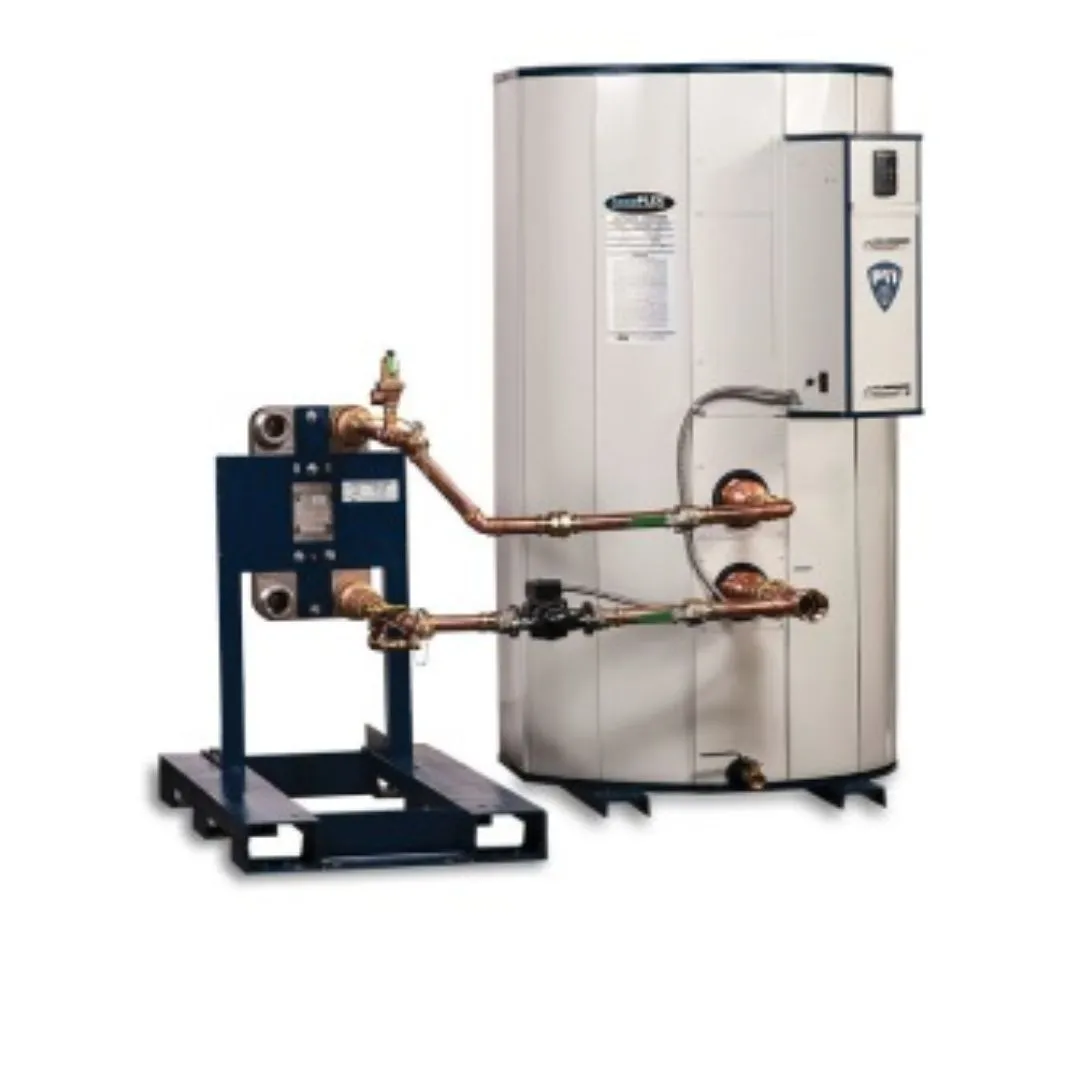

Industrial systems rely on precise heat transfer to maintain efficiency and safety. Selecting the wrong coil or shell can lead to reduced performance, energy waste, and expensive downtime. A shell & coil selection program provides engineers with the tools and data they need to choose the right configuration for each application, preventing mistakes and optimizing system reliability. Modern industrial operations cannot afford missteps in heat exchanger design. From chemical processing plants to manufacturing facilities, any incorrect choice in shells or coils can compromise productivity, safety, and budgets. By leveraging a structured selection program, operators ensure that every system performs efficiently and reliably from day one.
Why Accurate Component Selection Matters
Many industrial failures occur due to mismatched heat transfer components. Improperly sized shells or coils can result in poor thermal efficiency, increased wear on equipment, and frequent maintenance issues. A selection program calculates parameters such as flow rates, temperature differences, and pressure drops, ensuring every component meets system demands.
By considering the exact requirements of each process, operators avoid guesswork and reduce the risk of costly errors before installation. This proactive approach saves time, energy, and money while improving operational stability.
For example, in a facility handling corrosive fluids, selecting the wrong coil material can lead to rapid corrosion, leaks, or even safety hazards. A selection program evaluates compatibility, ensuring the chosen components withstand the intended process without risk.
Predictive Design to Avoid Operational Downtime
Unexpected system shutdowns can disrupt production and increase operational costs. Using a shell & coil selection program, engineers can simulate different design options and assess how each will perform under real conditions.
This predictive capability allows teams to identify potential bottlenecks, uneven heat distribution, or pressure imbalances before they become problems. Facilities can implement designs with confidence, reducing unplanned downtime and keeping industrial processes running smoothly.
For instance, in a multi-stage chemical reaction setup, consistent heat distribution is critical. A selection program ensures that every stage receives the proper temperature and flow, preventing delays, waste, or unsafe operating conditions.
Optimizing Thermal Efficiency for Cost Savings
One of the main advantages of using a selection program is maximizing energy efficiency. Oversized or undersized components can waste fuel and increase operating expenses. Accurate calculations ensure the heat transfer system maintains optimal efficiency.
By matching the right shell and coil design to specific temperature and flow requirements, facilities can reduce energy consumption while maintaining consistent performance. This not only saves money but also extends the lifespan of equipment.
Consider a food processing plant where water or steam temperature must be consistent. If coils are undersized, heat transfer will be inadequate, slowing production. Oversized coils may require more energy than necessary. A shell & coil selection program identifies the optimal size, balancing energy use and performance.
Reducing Maintenance and Repair Challenges
Incorrectly selected heat transfer components often lead to excessive wear, scaling, or corrosion. This drives up maintenance costs and can cause unexpected failures.
A shell & coil selection program ensures that components operate within safe limits and are compatible with the process fluids. Reduced mechanical stress lowers the frequency of repairs, simplifies maintenance, and increases the reliability of industrial systems over time.
With proper selection, maintenance schedules become predictable. Facility managers can plan inspections and service intervals with confidence, avoiding the disruption of emergency repairs. This results in more efficient resource allocation and less downtime.
Improving Safety Across Industrial Operations
Safety is a key concern in any facility. Heat exchangers operating beyond their limits can create hazards such as pressure build-up, leaks, or thermal stress.
By using a selection program, engineers ensure that components meet the necessary pressure and temperature ratings. This reduces the risk of equipment failure and protects both operators and the facility. Safe, reliable operation is essential for industrial compliance and peace of mind.
For example, a pharmaceutical facility must maintain exact temperatures in certain production lines. Incorrect coil selection could result in dangerous deviations, affecting product quality and posing safety risks. The program helps prevent these issues before installation.
Data-Driven Decisions for Engineers
A structured selection program provides actionable insights based on precise calculations. Engineers can analyze multiple configurations, compare material options, and assess flow and pressure scenarios.
These data-driven recommendations eliminate guesswork, helping teams select components that balance cost, efficiency, and durability. This approach leads to smarter decision-making and prevents costly trial-and-error installations.
The program can also generate documentation and reports, allowing engineers to justify their choices to management, regulators, or clients. Transparent, accurate data supports both operational and compliance requirements.
Real-World Benefits for Industrial Facilities
Facilities that implement a shell & coil selection program experience measurable improvements:
- Reduced energy consumption with efficient heat transfer
- Lower repair and replacement costs
- Increased uptime and operational reliability
- Safer operations for personnel and equipment
- Simplified maintenance with fewer emergency interventions
For example, a manufacturing plant can ensure consistent heating across production lines, while a chemical facility can safely handle corrosive fluids without risking equipment failure. Similarly, a food processing unit can maintain steady temperatures during pasteurization or sterilization, protecting product quality.
Future-Proofing Industrial Systems
Modern industrial operations require flexibility. Facilities may expand production, introduce new processes, or upgrade systems. A shell & coil selection program provides modular, adaptable solutions that can accommodate growth.
By planning for future capacity and evaluating potential process changes, facilities avoid costly redesigns. A program ensures that systems can scale or integrate additional components without compromising performance. This long-term perspective minimizes future risks and provides consistent operational efficiency.
Sum Up:
A professional shell and coil heat exchanger selection program is essential for preventing costly mistakes, optimizing energy use, and ensuring operational reliability. Facilities can save money, extend equipment life, and maintain safe, efficient operations.
Invest in a shell & coil selection program today to make informed decisions, prevent errors, and secure long-term industrial performance. Consult experts to evaluate your system and implement the right configuration for your needs. Reliable heat transfer starts with the right choice.





























Sign in to leave a comment.