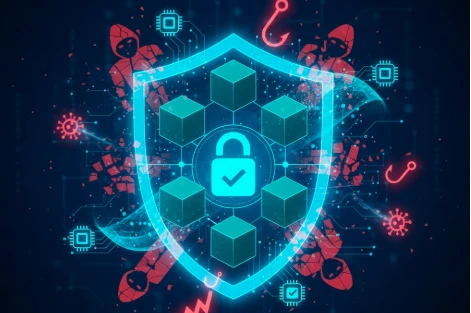

When we talk about online security these days, it feels like we're always playing catch-up with hackers and scammers. Just when companies think they've locked down their systems, someone finds a new way to break in. But here's something interesting that's been gaining serious attention: custom blockchain development services are changing how businesses protect themselves from fraud and cyber attacks.
Let's be honest – blockchain got famous because of Bitcoin and all those cryptocurrency stories. Some people made millions, others lost their shirts, and most of us just watched from the sidelines wondering what the fuss was about. But the technology behind all that crypto chaos? That's proving to be incredibly useful for stopping the bad guys.
Understanding Why Traditional Security Keeps Falling Short
Before jumping into blockchain solutions, it's worth looking at why regular security measures struggle so much. Think about how most companies store data right now. They use centralized databases – basically, everything sits in one place (or a few places). It's like keeping all your valuables in one safe. Sure, that safe might have a great lock, but if someone cracks it, they've hit the jackpot.
According to recent industry reports, data breaches cost businesses an average of millions of dollars per incident. Beyond the money, there's damaged reputation, lost customer trust, and regulatory headaches. The traditional approach of building higher walls and adding more locks hasn't been enough.
What Makes Blockchain Different (Without the Technical Jargon)
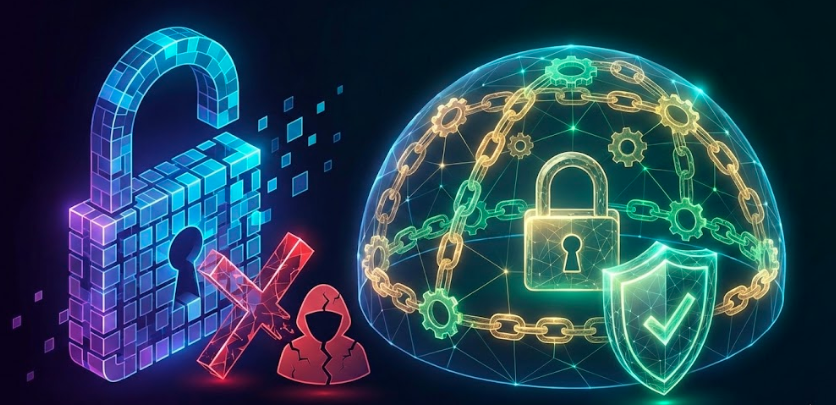
Here's where things get interesting. Blockchain works completely differently from traditional databases. Instead of storing information in one central location, it spreads data across a network of computers. Each "block" of information links to the previous one, creating a chain (hence the name – pretty straightforward, right?).
The clever part is this: once information goes into a block and gets confirmed by the network, changing it becomes nearly impossible. You'd need to hack not just one computer, but the majority of computers in the entire network at the exact same time. For large networks, that's about as likely as winning the lottery while getting struck by lightning.
Real Ways Custom Blockchain Solutions Stop Fraud
Making Supply Chains Honest
One area where custom blockchain development really shines is supply chain management. Companies can track products from manufacturing through delivery, with each step recorded on the blockchain. This makes it incredibly hard for someone to slip counterfeit goods into the system.
A pharmaceutical company, for example, might use blockchain to verify that medicine is genuine. Each bottle gets a unique code that follows it through the entire journey. Patients and pharmacies can scan that code and see the complete history – where it was made, how it was stored, every hand it passed through. Fake medications can't fake that kind of verified trail.
Protecting Financial Transactions
The finance world has been particularly hungry for blockchain solutions. Traditional payment systems involve multiple intermediaries – your bank, their bank, payment processors, and so on. Each step creates another potential point of failure or fraud.
Custom blockchain platforms can cut through this complexity. Smart contracts (which are basically just automatic agreements written in code) can execute transactions when certain conditions are met, without needing a middleman. This doesn't just reduce fraud opportunities; it also speeds things up and cuts costs.
Securing Identity and Personal Data
Identity theft remains one of the fastest-growing crimes. The problem with current systems is that our personal information gets copied and stored in dozens of different databases. Each one is another target for hackers, which is why many organizations are now combining blockchain innovation with advanced cybersecurity services in USA to strengthen data protection strategies.
Blockchain-based identity solutions flip this model. Instead of companies holding your data, you control it. When someone needs to verify your identity, they don't get access to all your information – they just get confirmation of what they specifically need to know. It's the difference between showing someone your entire wallet versus just proving you're old enough to buy something.
The Custom Development Advantage
Here's something that doesn't get talked about enough: off-the-shelf blockchain solutions often don't cut it for serious security needs. Every business faces different risks and has unique requirements. That's where custom development matters.
Companies like Webtrack Technologies in the USA have been building tailored blockchain solutions that address specific industry challenges. Custom development means the security features match actual threats, not just generic ones. It's the difference between a custom-fitted suit and something off the rack – both cover you, but one fits your exact needs.
Adapting to Industry Regulations
Different industries face different compliance requirements. Healthcare has HIPAA, finance has various banking regulations, and so on. Custom blockchain development can bake these compliance needs right into the system architecture. The blockchain itself becomes proof of compliance, with every action automatically logged and verifiable.
Challenges and Limitations (Being Realistic Here)
Let's pump the brakes for a second. Blockchain isn't magic, and it's not perfect. There are real challenges that anyone considering this technology needs to understand.
First, blockchain systems can be slower than traditional databases. All that verification and distribution takes time. For some applications, that's fine. For others that need split-second transactions, it can be a dealbreaker.
Second, there's the energy question. Some blockchain networks use enormous amounts of electricity. Newer approaches are more efficient, but it remains a consideration, especially for companies trying to reduce their environmental impact.
Third, and this is important: blockchain can't fix bad data. The technology ensures that data can't be changed after it's recorded, but if garbage goes in, garbage stays in. You still need solid processes for verifying information before it hits the blockchain.

Cost Considerations (Without Talking Specific Numbers)
Building custom blockchain solutions requires investment. There's development time, testing, integration with existing systems, and ongoing maintenance. For smaller businesses, these costs can feel steep.
However, the calculation changes when you factor in potential losses from fraud and data breaches. One major security incident can cost far more than implementing strong preventive measures. Plus, blockchain solutions often reduce other operational costs over time by eliminating intermediaries and streamlining processes.
Emerging Use Cases Worth Watching
The applications keep expanding in interesting directions. Here are a few that show promise:
Voting Systems: Several municipalities have experimented with blockchain-based voting to prevent tampering and increase transparency. The results have been mixed, but the concept addresses real concerns about election security.
Healthcare Records: Imagine if your complete medical history lived on a blockchain that you controlled. Doctors could access what they need with your permission, and you'd have a perfect record that couldn't be altered or lost when you switch providers.
Intellectual Property: Artists and creators are using blockchain to prove ownership and track how their work gets used. This helps prevent unauthorized copying and ensures proper attribution and payment.
What Experts Are Saying
Industry specialists have noted that blockchain's impact on cybersecurity will likely be evolutionary rather than revolutionary. One security researcher pointed out in a tech forum discussion that "blockchain solves specific problems brilliantly, but it's not a replacement for comprehensive security strategy."
That's actually a really important point. Blockchain should be part of a larger security approach, not the entire solution. Companies still need firewalls, encryption, employee training, and all the other security fundamentals.
Looking Ahead: What's Still Unclear
The technology keeps evolving, and honestly, there's still a lot we don't know about how it will develop. Quantum computing might eventually threaten current blockchain encryption methods, though developers are already working on quantum-resistant approaches.
Regulatory frameworks are still catching up. Governments are trying to figure out how to oversee blockchain systems without stifling innovation. How this balance gets struck will significantly impact adoption.
There's also the question of interoperability. Right now, different blockchain networks often can't talk to each other easily. For blockchain to reach its full potential in fighting fraud, these systems need to work together seamlessly.
Final Thoughts on the Road Ahead
After looking at all this, it's clear that custom blockchain development services offer powerful tools for reducing fraud and cyber risks. The technology provides transparency, immutability, and decentralization – three things that make life much harder for cybercriminals.
But let's keep expectations realistic. Blockchain won't eliminate fraud entirely. Criminals adapt, and new challenges will emerge. What blockchain does is shift the playing field significantly in favor of legitimate businesses and users.
For companies considering blockchain solutions, the key is understanding your specific vulnerabilities and how blockchain addresses them. Custom development matters because generic solutions rarely match unique security needs perfectly.
The future likely involves blockchain working alongside other security technologies – artificial intelligence for threat detection, advanced encryption, behavioral analytics, and more. Together, these tools create layers of protection that are much harder to breach than any single approach.
As we move forward, watching how blockchain security solutions evolve will be fascinating. The technology is still relatively young, and we're probably only scratching the surface of what's possible.
Frequently Asked Questions
How long does it take to implement a custom blockchain solution?
Development timelines vary widely depending on complexity and requirements. Simple applications might take a few months, while comprehensive enterprise systems could require a year or more. The key is thorough planning upfront to avoid delays later.
Can blockchain systems work with existing business software?
Yes, though integration requires careful planning. Custom development allows blockchain solutions to connect with legacy systems through APIs and middleware. This means companies don't need to replace everything at once.
Is blockchain technology only for large corporations?
Not at all. While enterprise implementations get more attention, small and medium businesses can benefit too. The key is finding applications that make sense for your scale and budget. Some companies start with pilot projects before expanding.
What happens if something goes wrong with a blockchain system?
This depends on the specific implementation. Well-designed systems include governance mechanisms for addressing issues. Custom development should include disaster recovery plans and protocols for handling unexpected situations while maintaining security.

























Sign in to leave a comment.