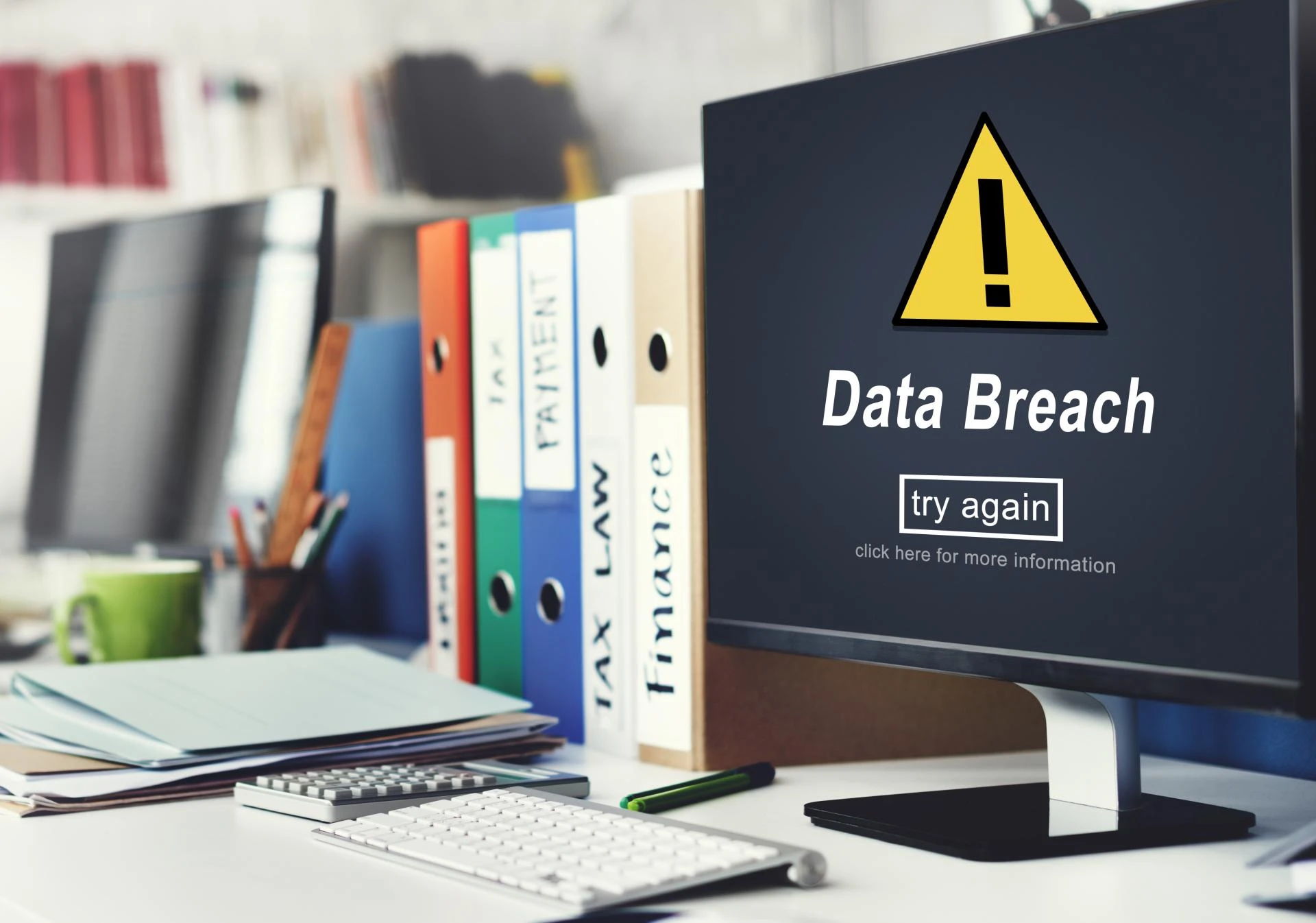

The Moment Everything Goes Wrong
Imagine waking up to an alert. Customer data is exposed. Systems are locked. Your team is scrambling. This is not a distant nightmare it happens to thousands of businesses every year across the United States.
A data breach is not just a technical problem. It is a business crisis. And when your cybersecurity strategy is not strong enough, the damage can spread faster than you can contain it. Understanding what goes wrong and why is the first step toward protecting what you have built.
Understanding the Problem First
Why Cybersecurity Strategies Fail
Most organizations believe they are protected until the moment they realize they are not. The truth is, a weak or outdated security plan creates invisible gaps that attackers are very good at finding. That’s why many businesses in USA are now turning to cybersecurity services to identify hidden vulnerabilities, strengthen their defense systems, and ensure their data, networks, and operations remain protected against evolving cyber threats.
Here are the most common reasons a security framework breaks down during a breach:
Poor threat detection is one of the biggest issues. When your systems cannot identify unusual activity in real time, attackers have more time to move through your network quietly. This is called lateral movement, and it is extremely dangerous.
Lack of incident response planning is another major gap. Many companies have firewalls and antivirus tools, but no clear plan for what to do when those tools fail. Without a solid incident response plan, teams waste precious hours deciding who does what.
Outdated software and unpatched vulnerabilities give attackers an easy door. A known software flaw that has not been fixed is like leaving your front door unlocked. Cybercriminals actively search for these weak points using automated tools.
Weak access controls also play a huge role. If too many employees have access to sensitive systems, the attack surface becomes much larger. A single compromised account can open the entire network.
Human error and social engineering remain the number one entry point for breaches. Phishing attacks, fake emails, and manipulative phone calls trick real people into handing over credentials without even knowing it.
What Actually Happens During the Breach
The Anatomy of a Security Failure
When a cybersecurity strategy fails, the breach does not happen all at once. It unfolds in stages, and each stage causes more damage.
Stage 1 — Initial Access: The attacker finds a way in. This could be through a phishing email, a stolen password, or an unpatched software vulnerability. At this point, most organizations have no idea anything is happening.
Stage 2 — Reconnaissance and Escalation: Once inside, the attacker maps the network. They look for high-value targets like databases, financial records, or intellectual property. They quietly escalate their privileges to gain deeper access.
Stage 3 — Data Exfiltration: Sensitive data is copied and sent outside your network. This could be personally identifiable information (PII), payment data, health records, or business trade secrets. By the time this is detected, the damage is already done.
Stage 4 — Disruption or Ransom: Some attackers choose to lock your systems using ransomware. Others stay quiet and continue stealing data over weeks or months. Both outcomes are devastating.
Read More About Here: How Cybersecurity Services Protect U.S. Businesses from Cyber Threats
The Real-World Impact
The consequences of a failed security strategy go far beyond fixing your systems. Businesses face regulatory fines under laws like HIPAA, GDPR, and CCPA. Customers lose trust. Reputation damage can take years to recover from. In many cases, small and mid-sized businesses never fully recover after a major breach.
The average cost of a data breach in the United States now exceeds $9 million, making it one of the most expensive crises a company can face.
Practical Steps to Take When a Breach Happens
Even when things go wrong, the right response can significantly reduce damage. Here is what your team should do immediately:
Contain the breach first. Disconnect affected systems from the network. Do not turn them off completely this can destroy forensic evidence. Isolate, do not eliminate.
Activate your incident response team. Every organization should have a designated team or point of contact for security incidents. If you do not have one, this is the first thing to fix after the breach is resolved.
Identify the scope of the breach. Work with your IT or security team to understand what data was accessed, how the attacker got in, and how long they had access. Digital forensics tools can help trace the attack vector.
Notify the right parties. Depending on your industry and location, you may be legally required to notify customers, partners, and regulatory bodies within a specific timeframe. Failing to do this adds legal risk on top of the breach itself.
Document everything. Keep a detailed record of what happened, what was affected, and every action your team took. This is essential for both legal compliance and future prevention.
Patch the vulnerability. Once the breach is contained, close the door that the attacker used. Apply security patches, reset compromised credentials, and review access permissions.
When to Call a Professional
Some breaches are beyond the scope of an internal IT team. You should bring in outside cybersecurity experts when:
- The scope of compromise is unclear or still growing
- Ransomware has encrypted critical systems
- Your business handles regulated data like health or financial records
- Your team does not have dedicated security operations expertise
- A third-party vendor or partner is involved in the breach
Professional cybersecurity firms bring tools like SIEM (Security Information and Event Management) platforms, endpoint detection and response (EDR) solutions, and experienced threat hunters who can find what others miss.
BOFU: Building a Stronger Strategy After the Breach
How to Prevent the Next One
A breach is painful, but it also reveals exactly where your defenses were weakest. Use that information to build a more resilient security posture.
Focus on Zero Trust Architecture the idea that no user or device should be trusted by default, even inside your network. Combine this with multi-factor authentication (MFA), regular penetration testing, and continuous security awareness training for your team.
Invest in proactive threat intelligence so your team knows what attacks are trending before they reach you. And make sure your backup and recovery systems are tested regularly, not just installed and forgotten.
FAQ: Quick Answers for Common Questions
What is the first sign of a data breach?
Unusual login activity, unexpected system slowdowns, or unfamiliar files on your network are common early warning signs.
How long does a data breach go undetected?
On average, breaches go undetected for over 200 days in the United States. This is why real-time monitoring is critical.
Can a small business recover from a data breach?
Yes, but recovery depends on how quickly the breach is detected and how strong the incident response plan is.
What is the difference between a data breach and a cyberattack?
A cyberattack is any malicious attempt to damage or access a system. A data breach specifically involves unauthorized access to sensitive information.
Is cyber insurance worth it?
For most businesses, yes. Cyber insurance can cover breach notification costs, legal fees, and recovery expenses.
Final Thoughts
A failed cybersecurity strategy during a data breach is not just an IT problem it is an organizational one. The gaps are almost always visible in hindsight: no incident response plan, outdated software, weak access controls, or undertrained staff.
The good news is that these are all fixable. The right combination of technology, process, and people can dramatically reduce both the likelihood and the impact of a breach.
If your business operates anywhere in the United States from New York and Chicago to Los Angeles, Houston, or Atlanta and you are unsure whether your current security strategy would hold up under pressure, it may be time for an honest evaluation.
Webtrack Technologies works with businesses across the U.S. to identify security gaps before attackers do. If you would like a clearer picture of where your defenses stand, reaching out for a security assessment is a smart first step.





























Sign in to leave a comment.