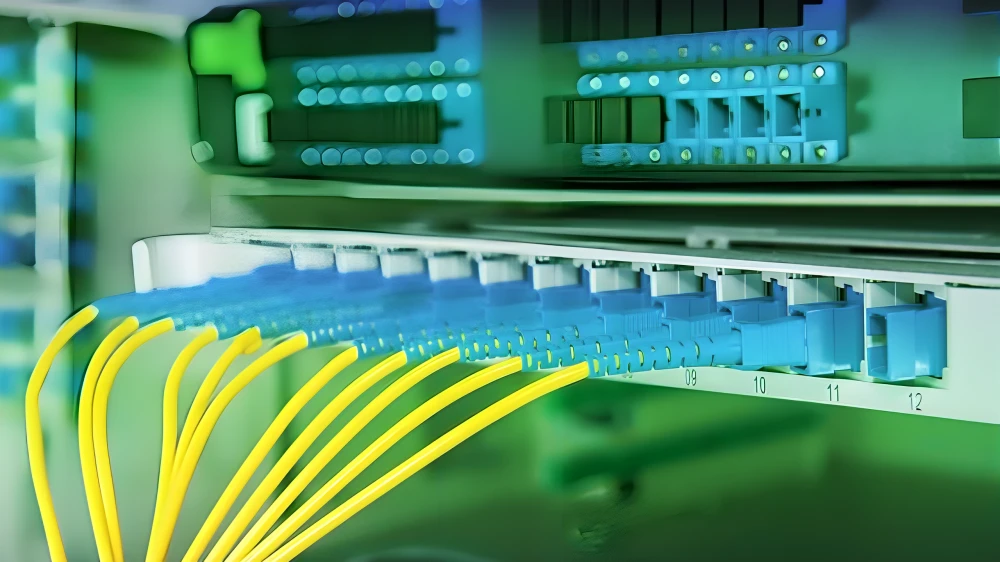

In many sectors, data is now a core business asset. Large files, real-time apps, and strict recovery targets are common in modern operations. Many data centers still use shared Ethernet networks for storage traffic. These networks also carry office and internet traffic, but this combination can slow business systems at the worst moment.
Fiber Channel gives companies a different path. It is a dedicated storage network that was built for speed and stability. It moves storage traffic away from busy user networks. This gives better control over throughput and service levels.
For organizations that run heavy databases, virtual machines, or backup jobs, Fiber Channel can turn the storage layer into a fast, steady platform that supports digital projects for years.
If a business aims to improve its data transfer speeds but isn’t too sure how Fiber Channel does it, then this article will explain the complexities. So, read on to find out more!
What Is Fiber Channel?
Fiber Channel is a high-speed network for storage. It connects servers to disk arrays and tape devices in a storage area network. In many data centers, this Fiber Channel stays beside the main Ethernet network. One network moves user traffic. The other moves storage traffic. The protocol was created to keep latency low and performance predictable by using fixed frame sizes and strong flow control.
Many tasks are handled in hardware on switches and host bus adapters. This reduces work on the servers and keeps data moving between compute and storage systems.
Dedicated High Speed Paths For Data
On a shared Ethernet network, many types of traffic compete for the same links. File sharing, web access, and voice traffic all use the same paths. When links get busy, queues build on switches. This can slow storage transfers and delay key workloads.
A dedicated fiber channel fabric avoids this problem by offering:
- Separate links for storage traffic that do not carry office or web use.
- Switch ports that connect only servers and storage devices.
- Less background noise and fewer random bursts of traffic.
With this design, the network keeps data moving at a steady rate. The effective throughput for storage transfers stays high even when the rest of the company network is busy.
Scalable Bandwidth For Growing Data
Business data rarely shrinks. New apps, sensors, and reports keep adding load to shared storage. A core platform must scale with this growth without a full redesign every year.
Fiber channel supports a clear roadmap for higher speeds:
- Many installations run 16G or 32G links today.
- Newer platforms support even higher line rates.
- Ports can be grouped to create larger logical links.
This step-by-step model keeps planning simple. An IT team can expand capacity in stages. Key projects such as backup, replication, and big data analytics then gain the bandwidth headroom that they need.
Reliability That Protects Throughput
Unstable links hurt real speed. Every dropped frame forces another send. This wastes time and link capacity. For core systems, even small error rates can create bursty performance and support tickets.
Fiber channel was built as a lossless transport. It uses strong flow control and end-to-end checks. Frames are rarely dropped in normal operation. Vendors also support redundant paths at many levels.
Links, switches, and controllers can all fail over when needed. When the fabric stays stable, data transfer speeds stay smooth as well. This helps operations teams meet their service level goals.
Management Tools For Predictable Performance
A busy enterprise needs more than raw speed. It needs control over who gets that speed. The storage team must allocate bandwidth to different apps and watch for hot spots. They must act fast when a new project adds fresh demand.
Fiber channel environments provide zoning and quality of service features that support this work:
- Zoning limits which devices can talk to each other and improves security.
- Priority settings give key servers access to more bandwidth when links fill.
- Performance dashboards show real throughput and latency on every port.
These tools help staff tune the fabric so that important workloads keep their transfer rates even during peak demand.
Conclusion
Fiber channel is not a cure for every network challenge. It is a focused tool for storage traffic that helps businesses raise data transfer speeds, cut latency, and protect stability. When a company depends on shared data to run sales, operations, and analytics, this focus becomes a clear advantage.
By giving critical systems a tuned path between servers and storage, Fiber Channel supports higher throughput and more stable operations. Databases, virtual machines, analytics jobs, and backup tools gain a platform that keeps pace with business goals.
For many enterprises, the right answer is a mixed design. Ethernet supports users and general apps. Fiber Channel supports the most critical storage flows. Together, they turn the storage network into a strategic asset that helps the company move data at the speed that modern business expects.





























Sign in to leave a comment.