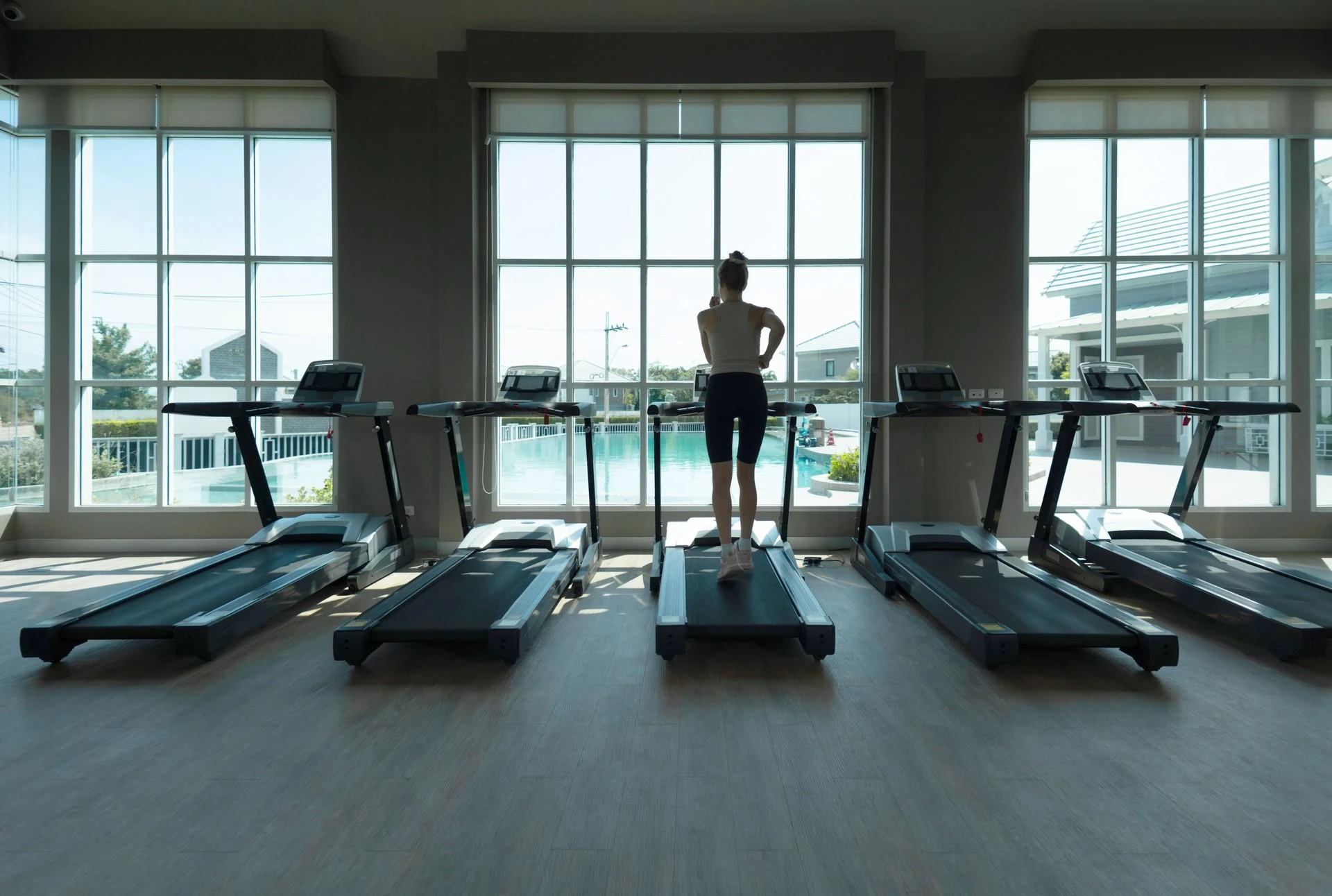

When setting up a gym, many people focus on equipment, lighting, or décor—but the gym floor design is just as important. The right flooring can keep people safe, improve performance, and even make the gym feel more welcoming. Whether it’s a home gym or a large fitness center, a well-thought-out floor plan makes a huge difference.
If you’re planning a gym, especially if you’re looking at commercial gym floor plans, here’s why the floor matters and how it affects safety and performance.
What Is Gym Floor Design?
Gym floor design is all about choosing the right materials, layout, and structure for your workout space. It’s not just about looking good—it’s about function, comfort, and safety.
A good gym floor:
- Protects the people using it
- Supports the type of exercises done
- Reduces noise
- Makes cleaning and maintenance easy
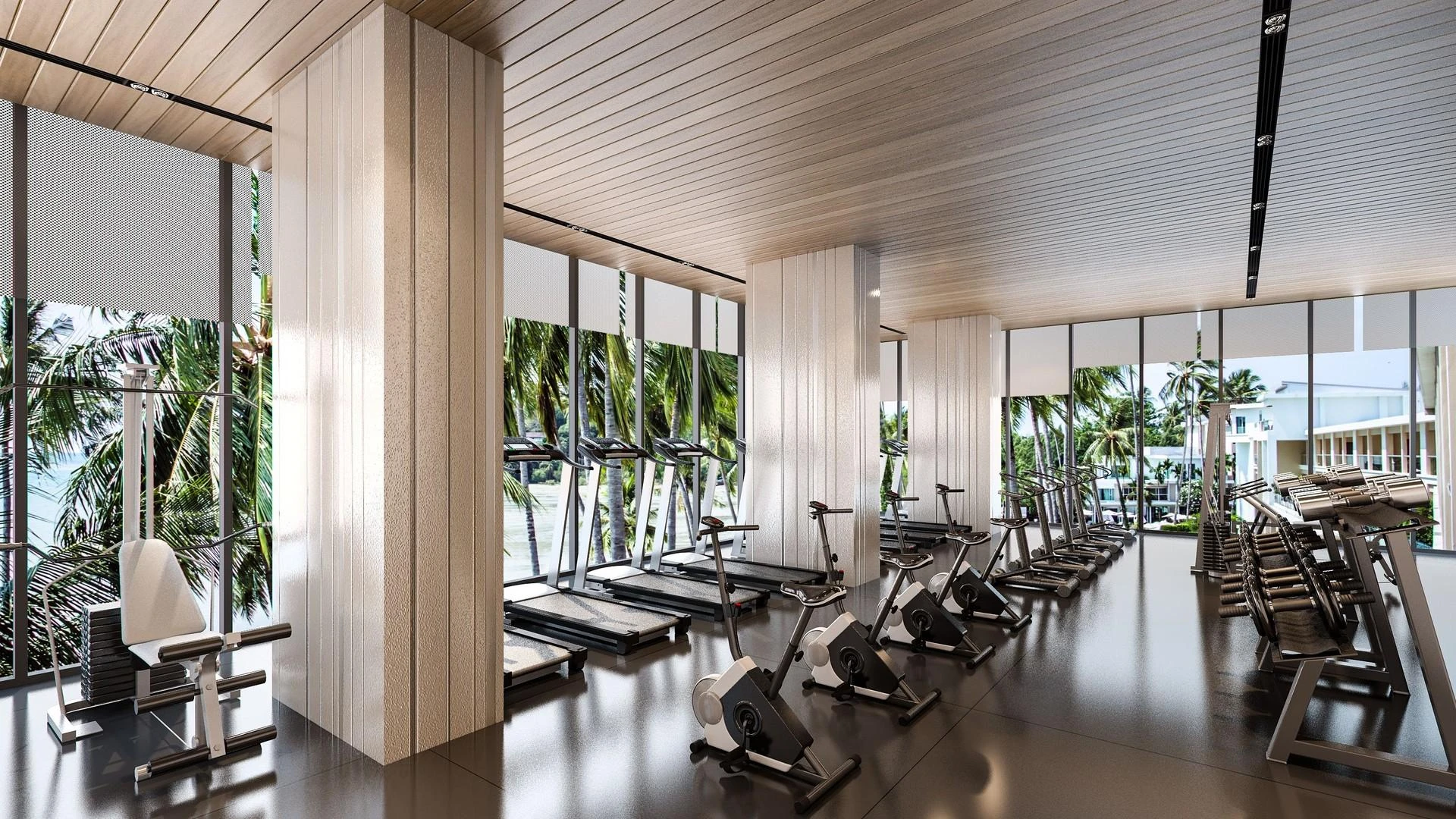
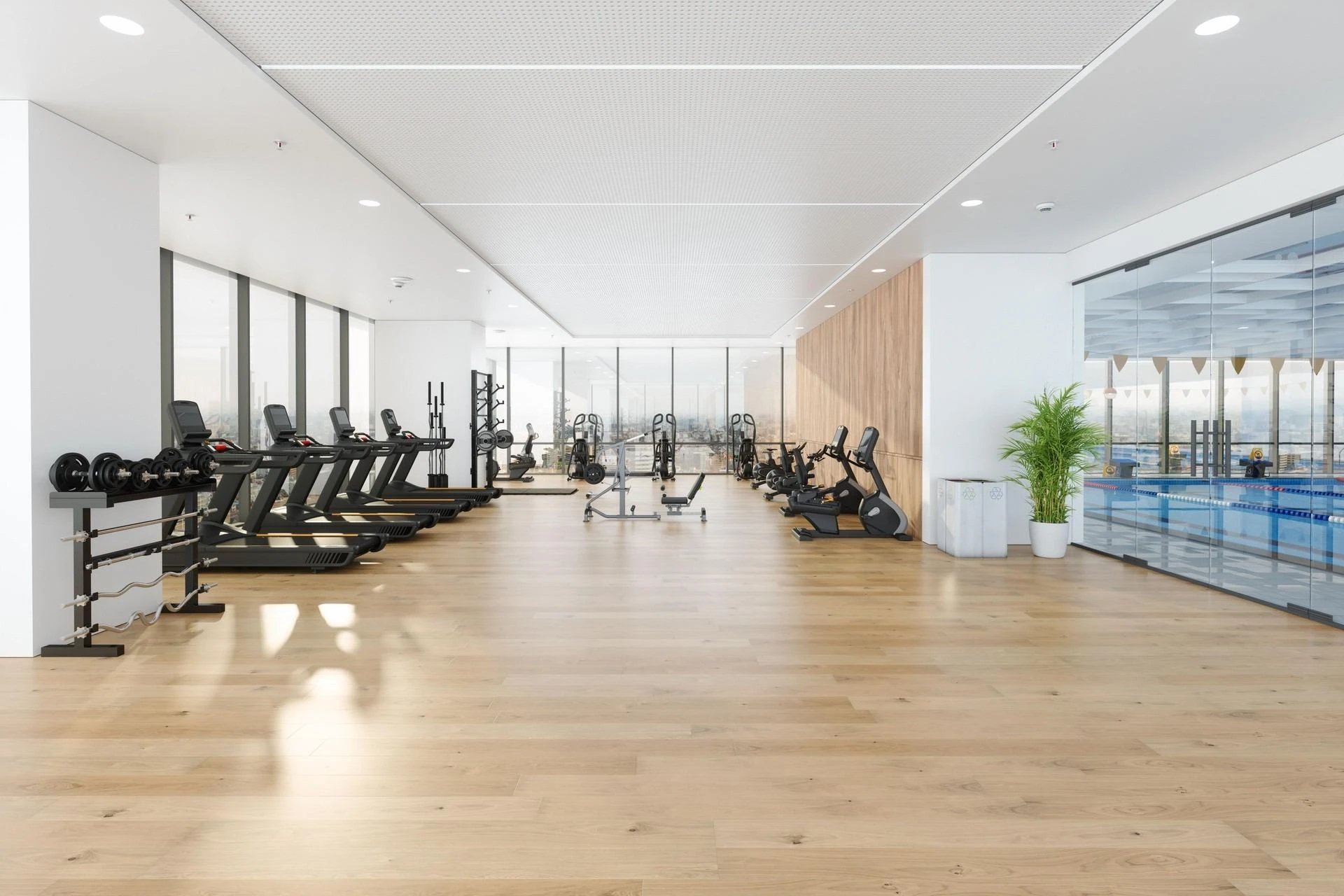
For larger gyms, commercial gym floor plans take it a step further, planning zones for different workouts, equipment, and foot traffic.
How Gym Floor Design Improves Safety
Safety is the biggest reason to pay attention to floor design. A poorly designed floor can cause slips, trips, or injuries from dropped weights. Here’s how a smart floor helps:
1. Shock Absorption
Rubber mats or cushioned flooring absorb impact. This protects knees, ankles, and joints, especially during high-intensity workouts or heavy lifting.
2. Non-Slip Surfaces
The right surface prevents slips and falls, even when the floor gets sweaty.
3. Weight Protection
Durable flooring protects both the floor and your equipment from damage, especially with heavy machines or free weights.
4. Clear Zones for Movement
In commercial gym floor plans, zones for cardio, strength training, and stretching are clearly defined, reducing the chance of accidents in crowded gyms.
How Floor Design Boosts Performance
A gym floor isn’t just about safety—it also helps people work out better.
- Energy Return: Some floors have a slight bounce, which helps during jumping exercises and reduces fatigue.
- Comfort: Cushioned floors make workouts more comfortable, allowing longer sessions.
- Motivation: A clean, well-designed floor looks professional and motivating, encouraging users to push harder.
- Noise Reduction: Proper flooring reduces sound from dropping weights or running on treadmills, making the gym environment better for everyone.
Tips for Effective Gym Floor Design
Here’s what to consider when planning a gym floor, whether at home or for commercial use:
- Choose the Right Material
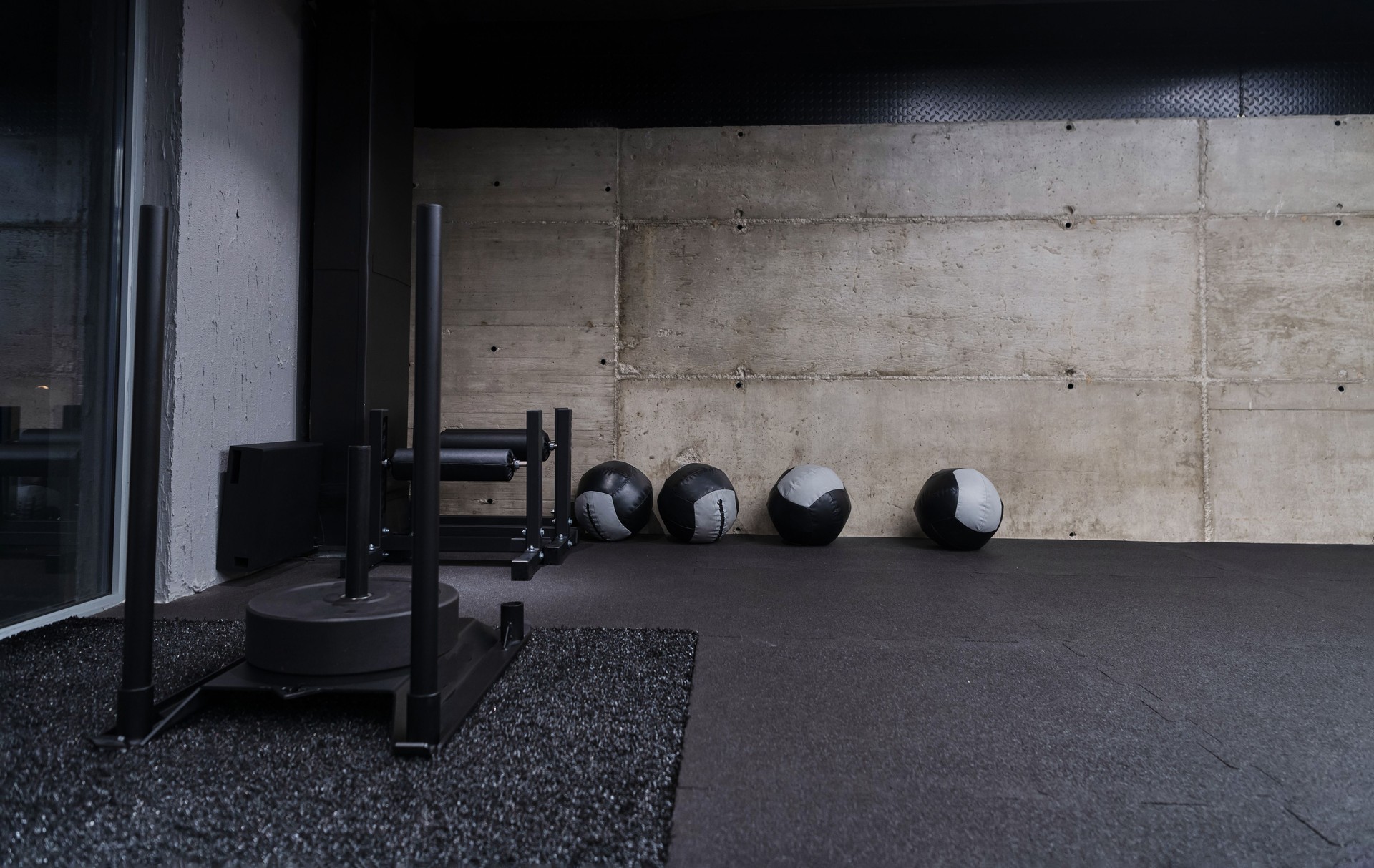
- Rubber mats for weights
- Foam or vinyl for group exercise areas
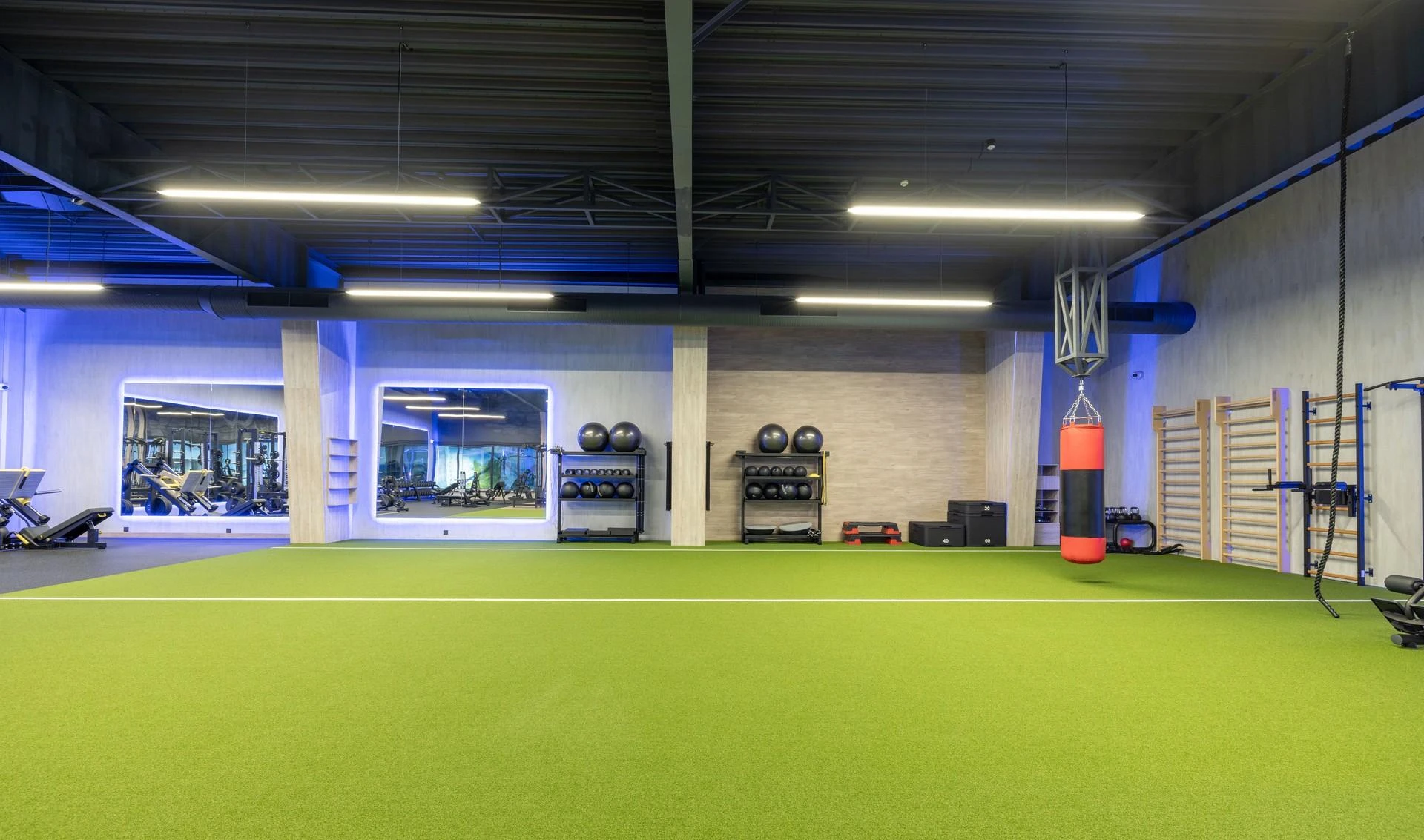
- Turf for functional training
- Plan Zones
In larger gyms, separate areas for cardio, strength, and stretching. This prevents crowding and keeps the floor safe. - Consider Maintenance
Floors should be easy to clean and durable for long-term use. - Think About Acoustics
Noise-absorbing flooring improves the workout experience, especially in commercial gyms.
Why Professional Planning Helps
Hiring a professional for your gym floor design or consulting commercial gym floor plans ensures:
- Optimal safety and layout
- Long-lasting flooring materials
- Efficient use of space
- Better overall workout experience
Professionals know which materials work best for different exercises and how to design zones that improve flow and reduce injuries.
Final Thoughts
The right gym floor design isn’t just a small detail—it’s a foundation for safety, performance, and user satisfaction. Proper flooring protects joints, prevents accidents, enhances workouts, and even motivates people to train harder.
For home gyms or larger fitness centers, investing in professional planning and thoughtful commercial gym floor plans pays off in comfort, safety, and long-term performance.




























Sign in to leave a comment.