

Designing a successful fitness facility requires more than placing equipment in an open room. A well-planned layout directly impacts safety, user experience, and business performance. This is why working with a professional commercial gym designer is essential when developing an effective gym floor plan design. With the right strategy, businesses can create a space that is functional, visually appealing, and optimized for long-term success.
The Importance of Professional Gym Design
A commercial gym is a high-traffic environment with diverse users and activities. Poor layout decisions can lead to overcrowding, inefficient workflows, and safety risks. A thoughtfully designed gym, on the other hand, enhances usability and encourages consistent member engagement.
A professional commercial gym designer helps:
- Optimize available space
- Improve traffic flow and accessibility
- Ensure compliance with safety standards
- Enhance the overall aesthetic appeal
- Support business growth and retention
The goal is to create a space where users feel comfortable, motivated, and safe.
What Does a Commercial Gym Designer Do?
A commercial gym designer specializes in planning and creating fitness environments tailored to specific business goals. Their role goes beyond layout planning—they integrate functionality, branding, and user experience into a cohesive design.
Key responsibilities include:
- Assessing the available space
- Understanding target audience and usage patterns
- Creating detailed gym floor plan design layouts
- Selecting appropriate equipment
- Planning utilities such as lighting and ventilation
- Ensuring safety and compliance requirements
By combining technical knowledge with creative vision, designers deliver spaces that perform efficiently and look impressive.
Key Elements of Effective Gym Floor Plan Design
1. Functional Zoning
A well-organized gym is divided into dedicated areas for different activities, such as:
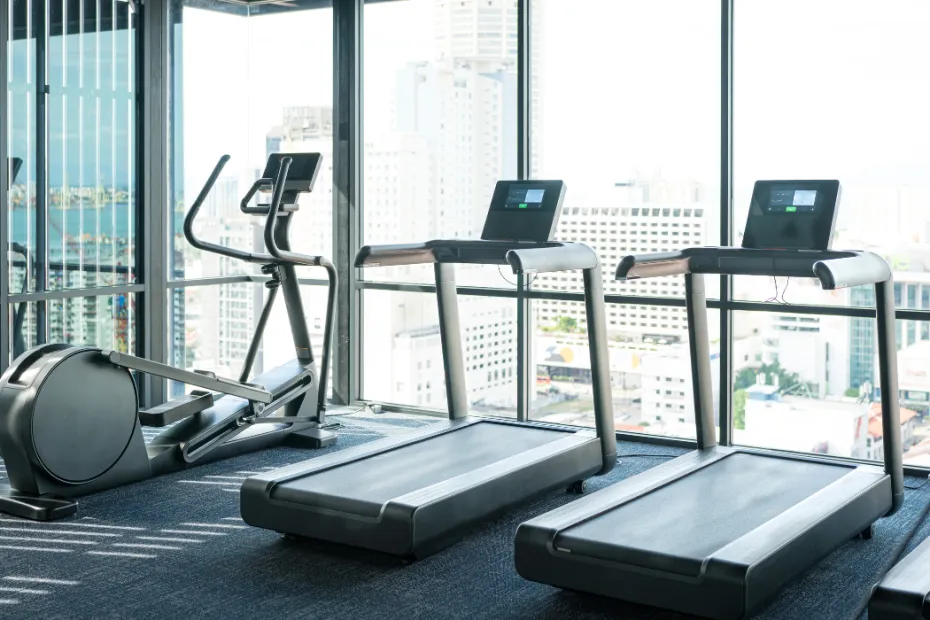
- Cardio training zone
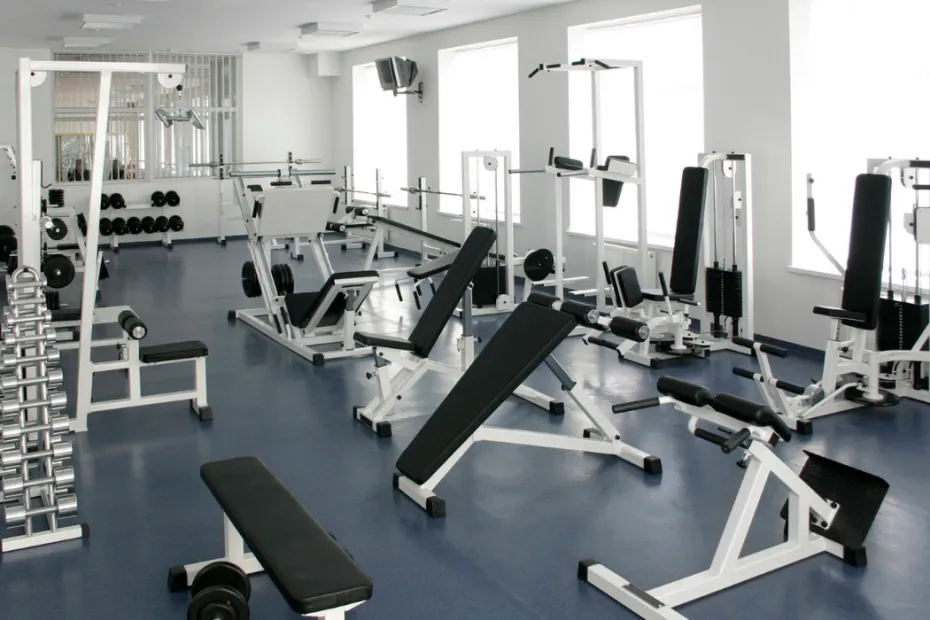
- Strength and weightlifting area
- Functional training space
- Stretching and recovery zone
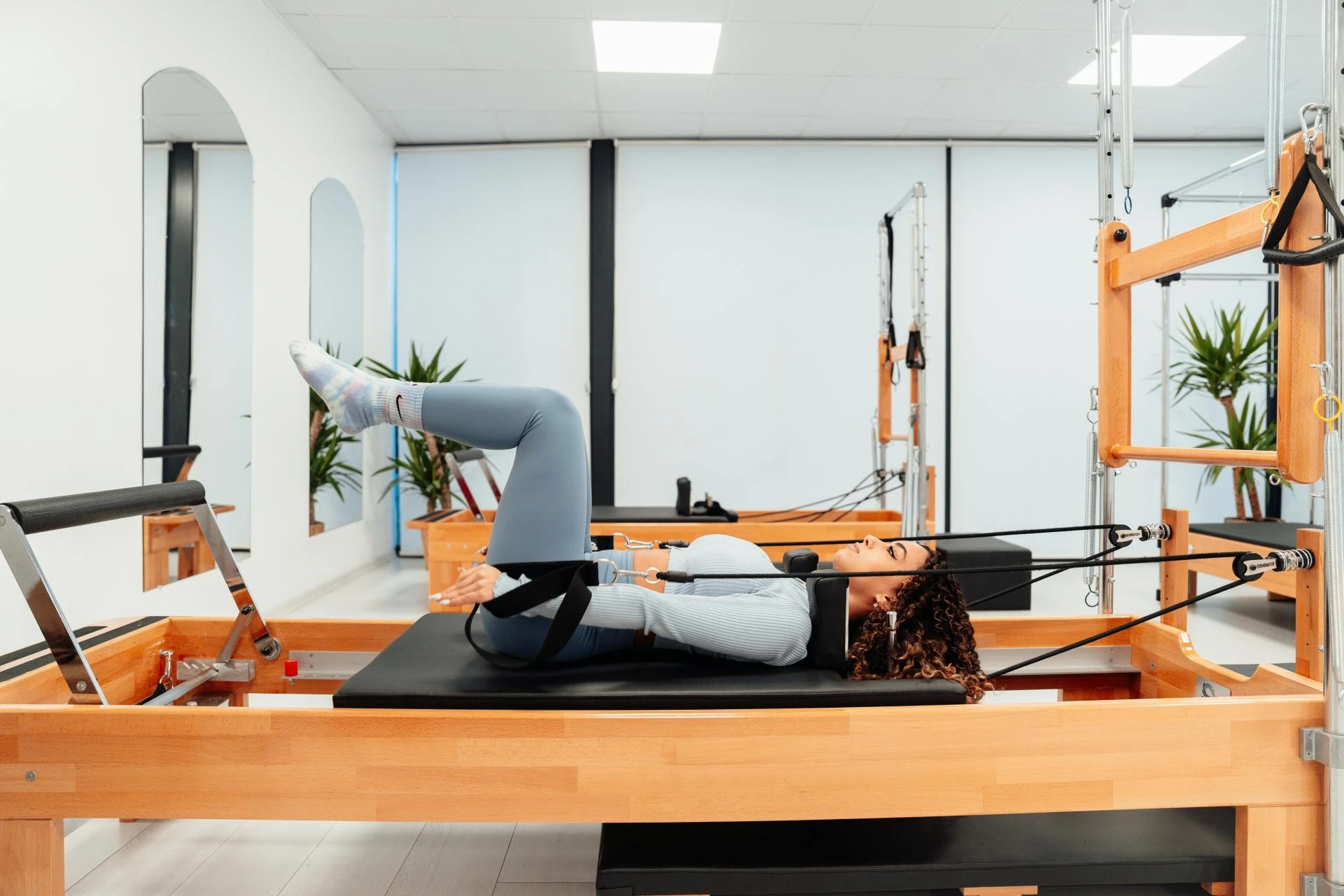
- Group fitness or studio area
Proper zoning reduces congestion and allows members to navigate the space easily.
2. Optimized Traffic Flow
Smooth movement within the gym is crucial. A commercial gym designer ensures that pathways between zones are clear and logical, minimizing interruptions and improving user experience.
3. Equipment Placement and Spacing
Each piece of equipment requires adequate space for safe usage. Proper spacing prevents accidents and ensures comfort, especially during peak hours.
4. Safety and Compliance
A well-designed gym must meet safety standards, including:
- Emergency exits and clear signage
- Non-slip flooring
- Proper ventilation systems
- Adequate lighting
Compliance not only protects users but also safeguards the business from potential liabilities.
5. Aesthetic and Branding Integration
A modern gym should reflect the brand identity of the business. Color schemes, lighting, and interior design elements contribute to a motivating and professional environment.
Customizing Gym Floor Plans for Different Needs
Every fitness facility has unique requirements. A commercial gym designer customizes gym floor plan design based on:
- Size and layout of the space
- Target audience (beginners, athletes, corporate users)
- Type of services offered
- Budget constraints
- Future expansion plans
Customization ensures that the gym aligns with business objectives and user expectations.
The Role of Technology in Modern Gym Design
Technology is playing an increasingly important role in fitness spaces. Modern gym floor plan design often includes:
- Smart fitness equipment with tracking capabilities
- Digital booking systems for classes
- Interactive training zones
- Integrated audio-visual systems
These features enhance the overall user experience and make the facility more engaging.
Common Mistakes to Avoid
Without expert guidance, businesses may encounter several design issues:
- Overcrowded layouts
- Poor zoning and unclear pathways
- Ignoring user demographics
- Lack of flexibility in space usage
- Insufficient lighting or ventilation
A commercial gym designer helps avoid these mistakes, ensuring a well-balanced and efficient design.
Benefits of a Well-Planned Gym Layout
Investing in professional gym floor plan design offers numerous advantages:
- Improved member satisfaction and retention
- Increased safety and compliance
- Better space utilization
- Enhanced brand image
- Higher operational efficiency
A well-designed gym not only attracts new members but also encourages long-term engagement.
Future Trends in Gym Design
The fitness industry is evolving rapidly, and gym layouts are adapting to new trends such as:
- Hybrid fitness spaces combining physical and digital training
- Multi-functional workout areas
- Wellness-focused zones including recovery and relaxation
- Sustainable and eco-friendly design elements
A forward-thinking commercial gym designer ensures that your facility remains relevant and competitive.
Conclusion
Creating a successful fitness facility requires careful planning, expertise, and attention to detail. Partnering with a professional commercial gym designer ensures that your gym floor plan design is optimized for functionality, safety, and user experience.
By focusing on smart zoning, efficient traffic flow, and modern design elements, businesses can build fitness spaces that stand out in a competitive market. A well-designed gym is not just a place to work out—it is a strategic investment that supports growth, member satisfaction, and long-term success.
Frequently Asked Questions (FAQ)
1. What does a commercial gym designer do?
A commercial gym designer plans and creates fitness spaces, ensuring they are functional, safe, and aligned with business goals.
2. Why is gym floor plan design important?
It determines how efficiently space is used, affecting user experience, safety, and operational performance.
3. How much space is needed for a commercial gym?
Space requirements vary depending on the type of gym and equipment, but efficient design can maximize even smaller areas.
4. Can gym floor plans be customized?
Yes. Designers tailor layouts based on target audience, services offered, and available space.
5. What are common gym design mistakes?
Overcrowding, poor traffic flow, lack of zoning, and ignoring safety standards are common issues.
6. How long does it take to design a gym layout?
The timeline depends on the project size and complexity, typically ranging from a few weeks to a few months.
7. Is hiring a commercial gym designer necessary?
While not mandatory, hiring a professional ensures better planning, efficient space usage, and long-term success.

























Sign in to leave a comment.