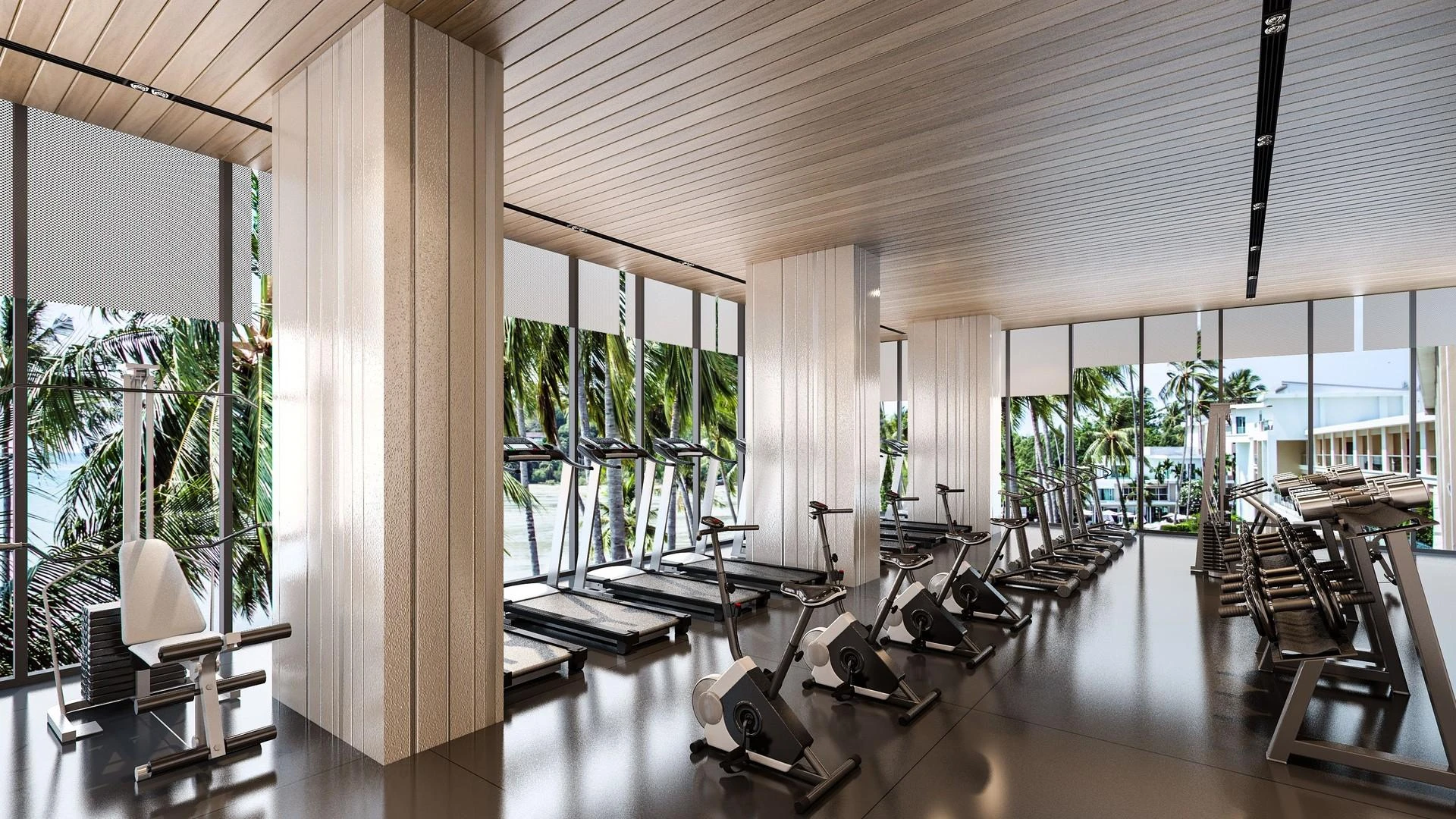

Opening or renovating a fitness center is an exciting venture—but without the right expertise, it can quickly become overwhelming. From creating an efficient gym floor plan to selecting the right equipment layout, lighting, and member flow, every detail impacts your gym’s success. That’s why hiring a commercial gym designer is one of the smartest investments you can make for your fitness facility.
Whether you’re launching a boutique studio, a large-scale training center, or upgrading an existing space, a professional designer ensures your gym is functional, visually appealing, and built for long-term profitability.
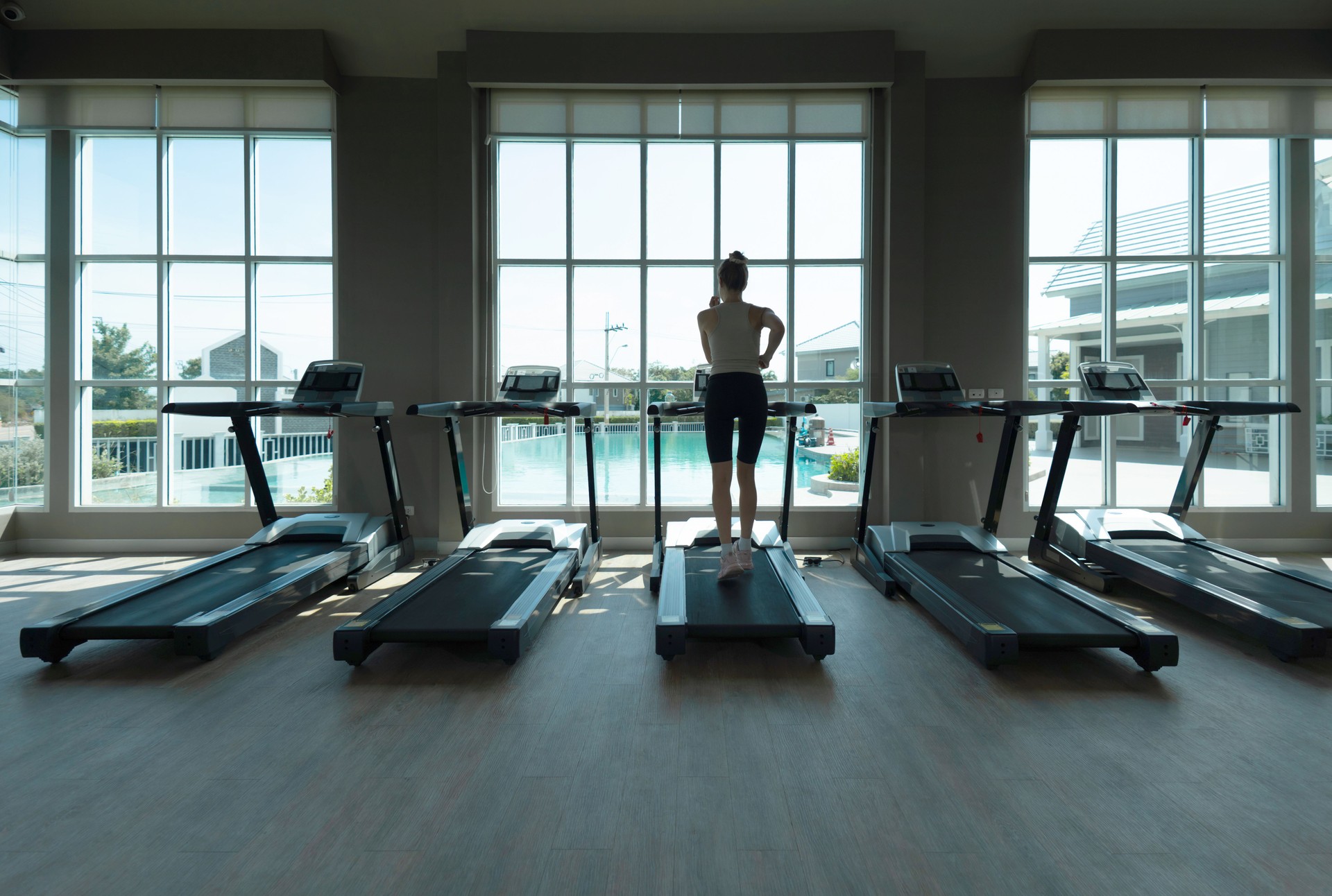
1. Strategic Space Planning and an Optimized Gym Floor Plan
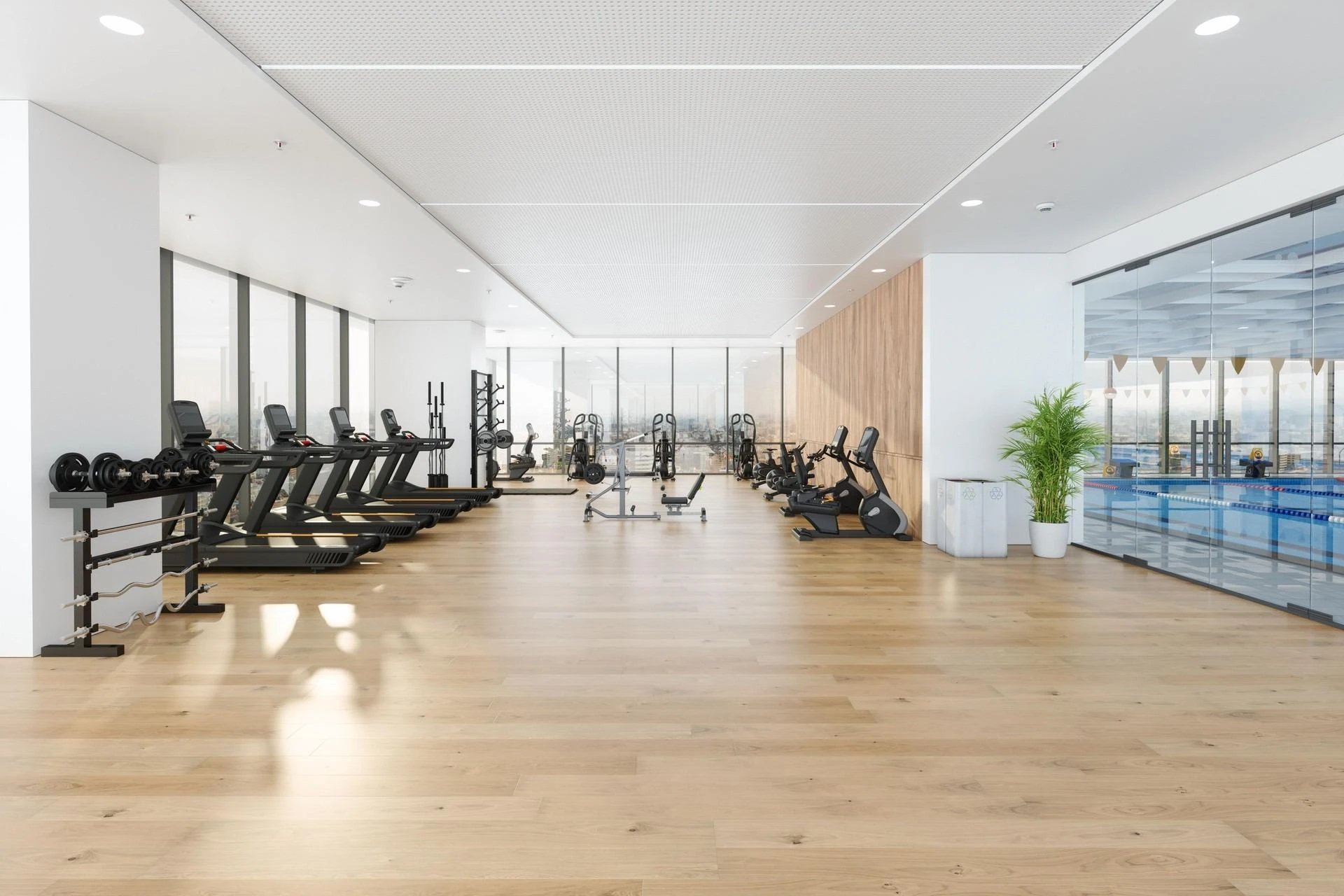
One of the biggest mistakes gym owners make is underestimating the importance of a well-designed gym floor plan. Simply filling a space with equipment doesn’t create a great workout environment. A commercial gym designer carefully analyzes your square footage, ceiling height, structural limitations, and traffic flow to develop a layout that maximizes every inch.
An optimized gym floor plan:
- Improves member flow and reduces congestion
- Separates strength, cardio, and functional training zones
- Ensures safe spacing between machines
- Meets fire and building code regulations
- Creates logical pathways for members and staff
A commercial gym designer understands how people move within a fitness environment. They plan entry points, locker room access, stretching areas, and high-traffic zones to avoid bottlenecks. The result is a seamless experience that keeps members comfortable and engaged.
2. Enhanced Member Experience
First impressions matter. When members walk into your facility, they immediately notice lighting, layout, cleanliness, and overall atmosphere. A professional commercial gym designer creates a welcoming and motivating environment that reflects your brand identity.
A thoughtfully designed gym floor plan enhances:
- Visibility across workout zones
- Access to equipment without overcrowding
- Comfort and privacy where needed
- Natural light utilization and energy efficiency
When your gym feels organized and easy to navigate, members are more likely to stay longer, return frequently, and recommend your facility to others. A designer ensures that your space not only looks professional but also supports performance and comfort.
3. Maximizing Revenue Potential
A commercial gym designer doesn’t just think about aesthetics—they think about profitability. The way your gym floor plan is structured directly affects your revenue streams.
For example, designers strategically allocate space for:
- Personal training zones
- Small group training areas
- Functional fitness sections
- Retail displays and smoothie bars
- Premium recovery services
Without proper planning, you might waste valuable square footage on underutilized areas. A commercial gym designer evaluates your business model and aligns the layout with your income goals. This ensures that every part of your gym contributes to financial growth.
4. Equipment Selection and Placement Expertise
Choosing the right equipment is critical—but placing it correctly is equally important. A commercial gym designer works closely with equipment suppliers and understands the spatial requirements of various machines.
They consider:
- Clearance requirements for safety
- Electrical and power outlet placement
- Structural support for heavy equipment
- Flooring needs for weightlifting areas
- Acoustic considerations
An improperly arranged gym floor plan can create safety hazards and reduce usability. By hiring a commercial gym designer, you ensure that equipment placement enhances performance while maintaining compliance with safety standards.
5. Compliance with Building Codes and Regulations
Fitness facilities must comply with local building codes, fire regulations, accessibility laws, and health standards. Overlooking these requirements can lead to costly delays, fines, or forced renovations.
A commercial gym designer understands:
- ADA accessibility guidelines
- Emergency exit placement
- Ventilation and HVAC requirements
- Load-bearing capacity considerations
- Local zoning regulations
By incorporating compliance into the initial gym floor plan, you avoid expensive modifications later. This proactive approach saves both time and money during construction and inspection phases.
6. Strong Brand Identity and Market Positioning
Your gym’s design communicates your brand before a single word is spoken. Whether you’re targeting elite athletes, families, or corporate professionals, your layout and design must reflect that identity.
A commercial gym designer aligns the gym floor plan with:
- Your target audience
- Brand colors and themes
- Interior finishes and materials
- Lighting design
- Signage placement
For example, a high-performance training facility may prioritize open turf areas and heavy lifting zones, while a boutique studio may emphasize ambiance, mirrors, and specialized training rooms. Professional design ensures consistency across every detail, strengthening your market positioning.
7. Long-Term Cost Efficiency
Many gym owners attempt to design their own layouts to save money, but poor planning often leads to expensive corrections. Moving heavy equipment, upgrading flooring, or reconfiguring walls can significantly increase costs after installation.
A commercial gym designer anticipates future growth and scalability. They create a gym floor plan that accommodates:
- Membership expansion
- Additional equipment
- New training programs
- Technology upgrades
By planning ahead, you avoid frequent renovations and disruptions to your members. Investing in professional design from the beginning often results in lower long-term operational costs.
8. Improved Staff Workflow and Operational Efficiency
A successful fitness facility doesn’t just serve members—it must also support staff productivity. A well-thought-out gym floor plan improves communication, supervision, and maintenance.
A commercial gym designer considers:
- Staff visibility across workout areas
- Efficient front desk placement
- Equipment maintenance access
- Storage space optimization
- Cleaning and sanitation flow
When operations run smoothly behind the scenes, members experience a more organized and professional environment.
9. Competitive Advantage in a Growing Industry
The fitness industry is highly competitive. Members have countless options, from boutique studios to large franchises. A professionally designed facility immediately stands out.
A commercial gym designer helps you:
- Differentiate from competitors
- Offer a premium experience
- Optimize layout for social media appeal
- Create memorable workout environments
An intelligently designed gym floor plan not only attracts new members but also builds loyalty through comfort and convenience.
Final Thoughts
Hiring a commercial gym designer is not an expense—it’s a strategic investment in your facility’s success. From creating an optimized gym floor plan to ensuring compliance, maximizing revenue, and enhancing brand identity, a professional designer brings expertise that directly impacts your bottom line.
If you want your fitness facility to thrive in a competitive market, deliver an exceptional member experience, and operate efficiently for years to come, partnering with an experienced commercial gym designer is the smart choice. The right design lays the foundation for long-term growth, profitability, and member satisfaction.



























Sign in to leave a comment.