
Creating a gym is much more than placing machines in an empty room. A well-planned workout space can improve comfort, safety, motivation, and even workout results. Whether it is a commercial fitness center, a private studio, or a home setup, the way equipment is arranged plays a huge role in the overall experience.
Think of a gym like a kitchen. Even if you have expensive appliances, cooking becomes frustrating when everything is placed randomly. The same idea applies to fitness spaces. A thoughtful layout helps people move naturally, avoid crowding, and enjoy their workouts without confusion.
Today, many gym owners are focusing on smarter planning instead of simply buying more equipment. A balanced approach creates a space that feels welcoming, functional, and easy to use for beginners and experienced members alike.
Why Gym Layout Matters
People often judge a gym within the first few minutes of entering. If the space feels cramped, confusing, or cluttered, they may not return. On the other hand, a clean and organized setup instantly creates a positive impression.
A good layout offers several benefits:
- Better movement throughout the gym
- Reduced waiting time for equipment
- Improved safety during workouts
- Easier cleaning and maintenance
- Higher member satisfaction
- Better use of available space
Imagine entering a supermarket where products are scattered randomly. Finding anything would become stressful. Gyms work the same way. Clear organization helps people focus on fitness instead of searching for equipment.
Understanding Different Workout Zones
One of the smartest ways to organize a gym is by dividing it into zones. Each section serves a specific purpose and keeps the flow smooth.
Cardio Area
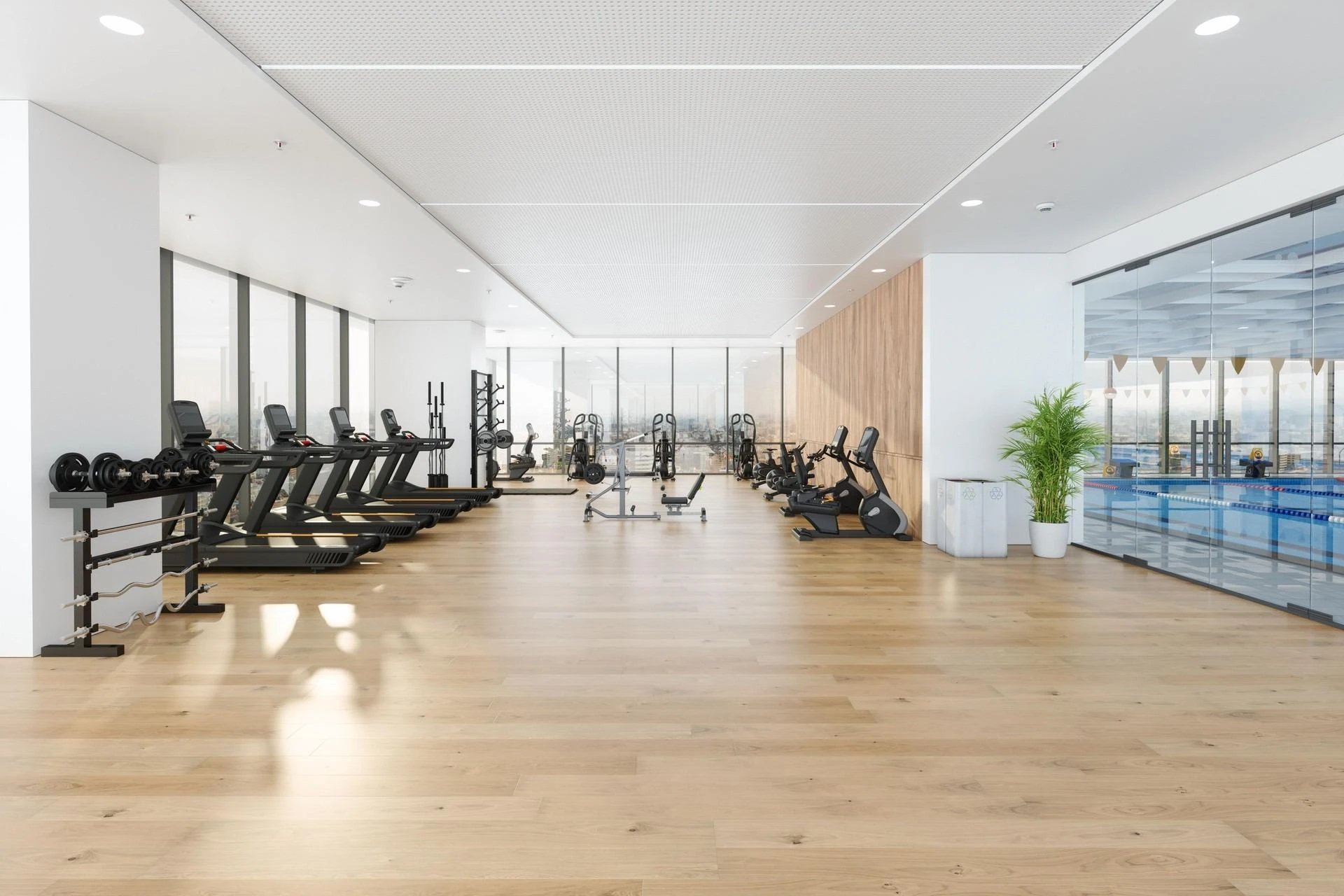
This section usually includes treadmills, bikes, rowing machines, and ellipticals. Most people spend longer periods here, so spacing is important. Machines should not feel squeezed together.
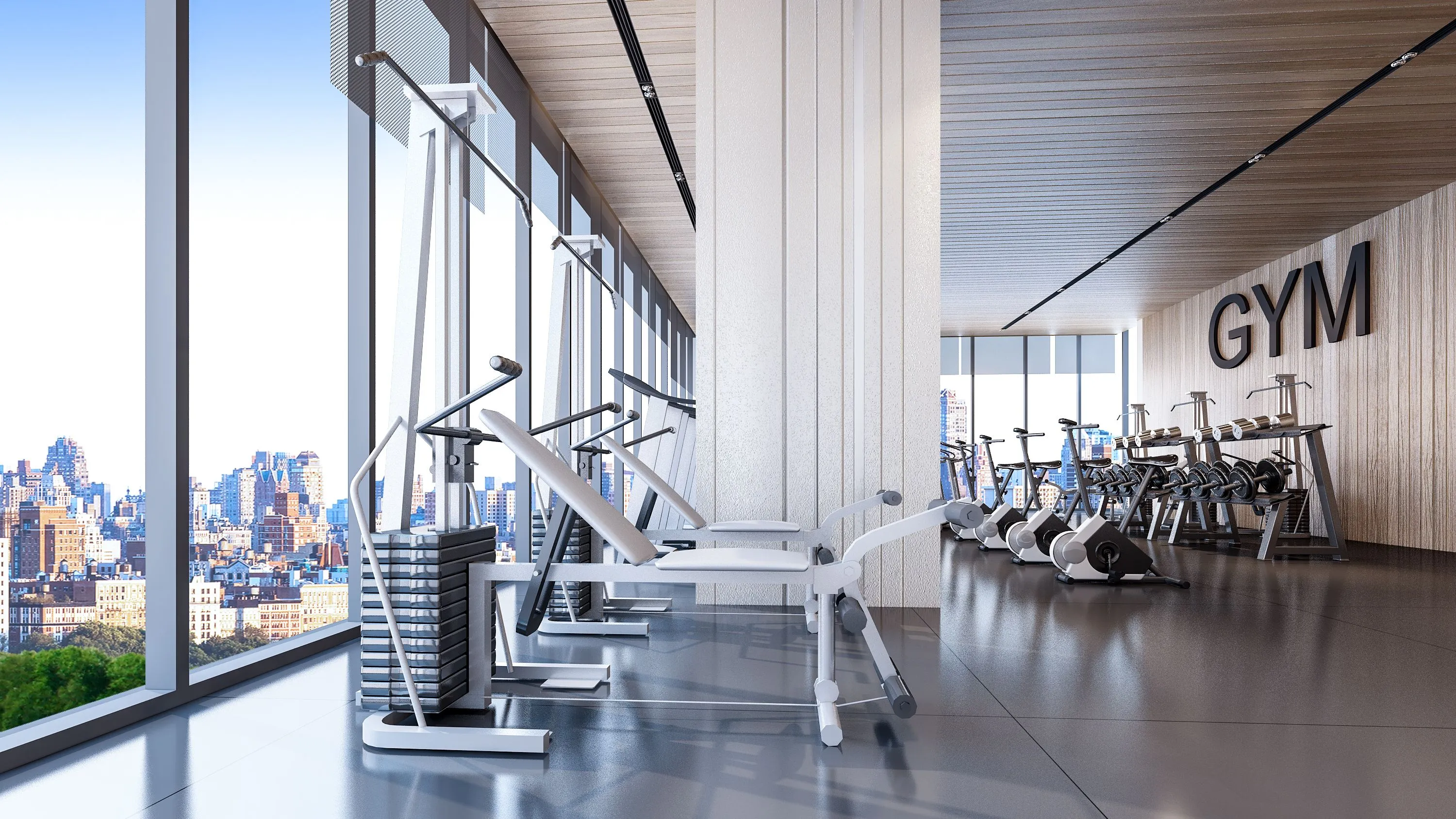
Many gyms place cardio equipment near windows because natural light makes workouts feel less tiring. Watching outside activity can also reduce boredom during long sessions.
Strength Training Zone
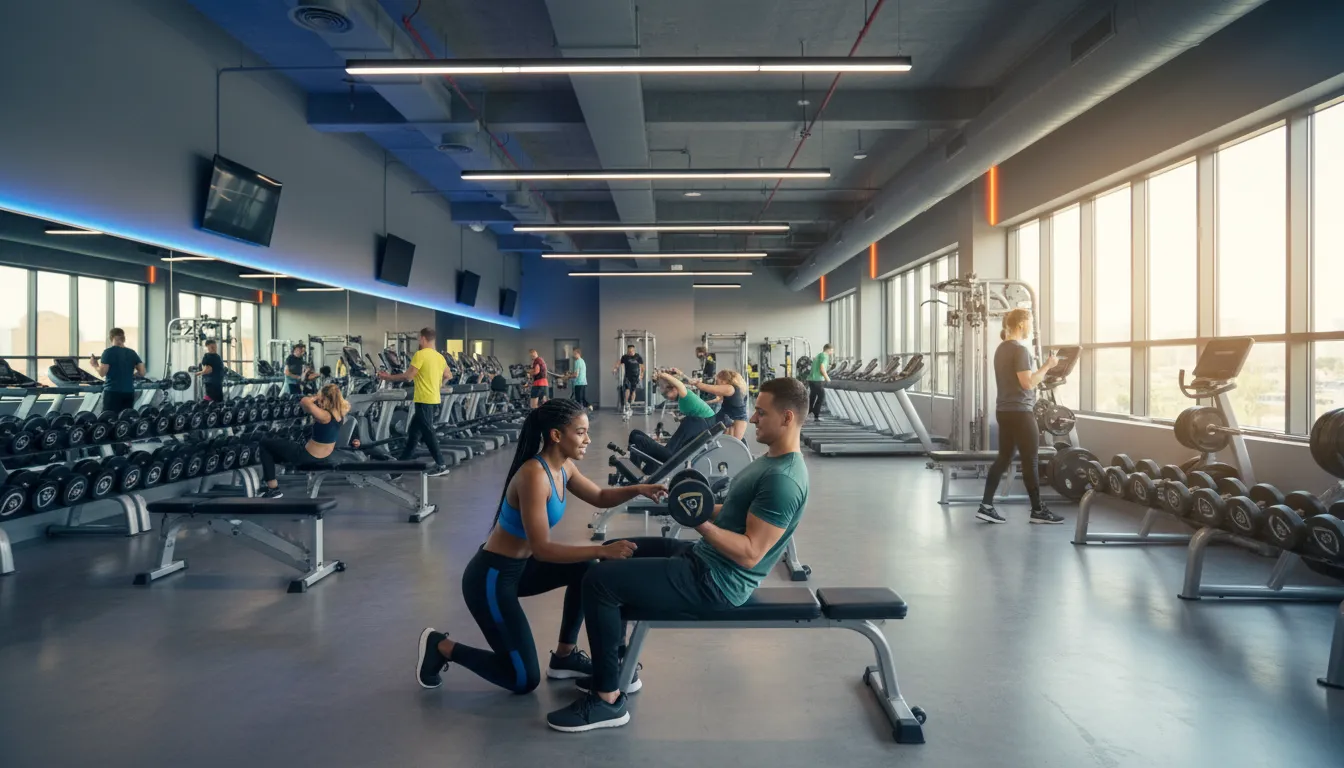
This area includes weight machines, dumbbells, benches, and squat racks. Since people lift heavy weights here, extra room is necessary for safety.
A crowded strength section can feel intimidating. Giving members enough personal space encourages confidence and reduces accidents.
Functional Training Space
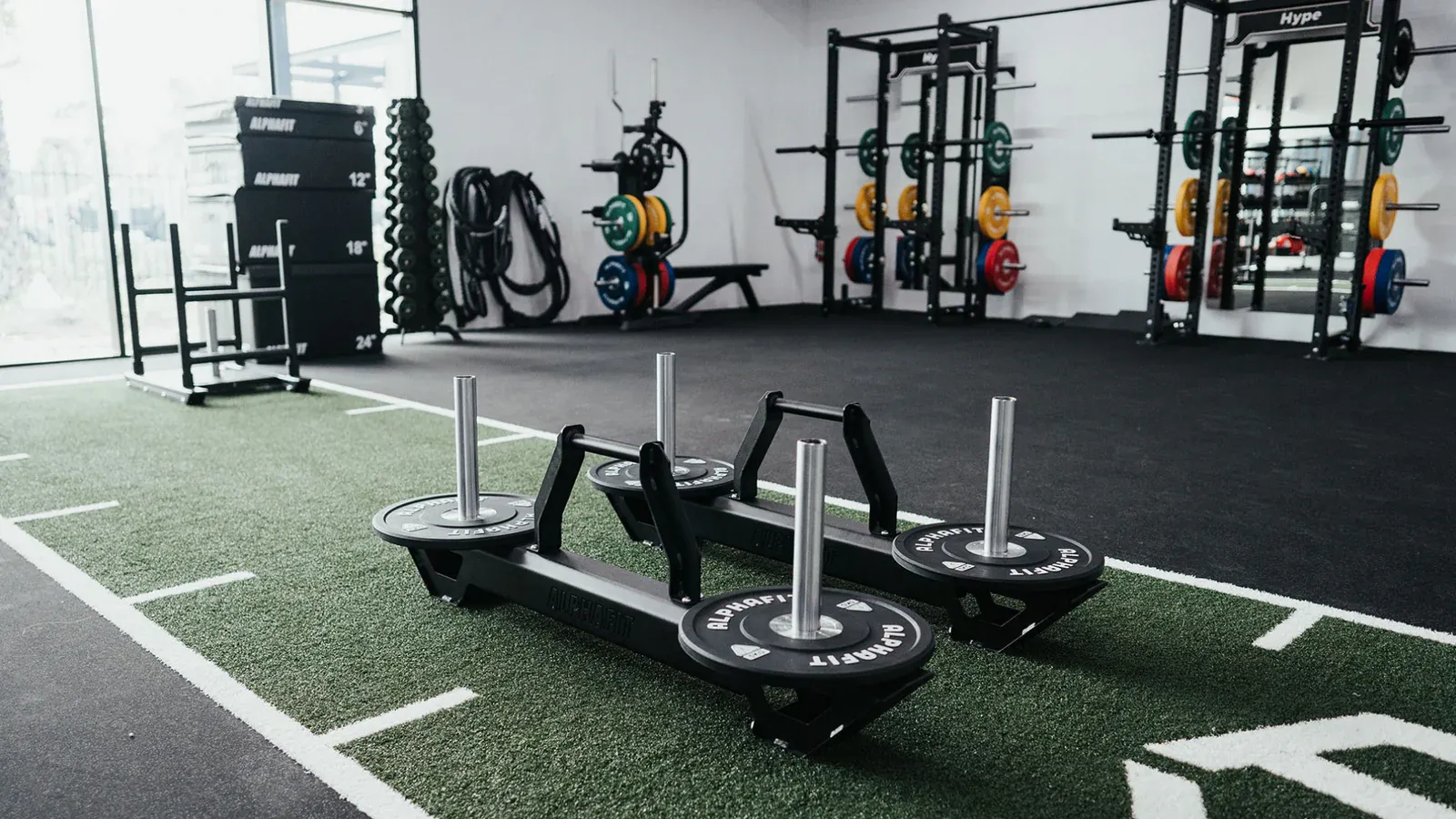
Functional training has become very popular in modern gyms. This section may include kettlebells, battle ropes, medicine balls, sleds, and open floor space.
Think of it as the playground section of the gym. People move freely instead of staying fixed to one machine. Open layouts work best for this area.
Stretching and Recovery Corner
Many people overlook recovery zones, but they are essential. Stretching mats, foam rollers, and mobility tools help members cool down properly after workouts.
A quiet corner away from heavy equipment creates a calmer atmosphere for recovery exercises.
Space Planning Makes a Huge Difference
Not every gym has thousands of square feet available. Smart planning becomes even more important in smaller spaces.
A compact gym should avoid oversized equipment that blocks movement. Folding benches, wall-mounted storage, and multi-purpose machines can save room while keeping the gym functional.
Large gyms, on the other hand, need balance. Too much empty space can feel cold and uninviting. The goal is to create a layout that feels active without becoming overcrowded.
Professional companies like Custom Fitness Design often focus on making every inch useful instead of simply filling rooms with equipment.
Traffic Flow Is More Important Than People Think
Traffic flow refers to how people move through the gym. Poor flow creates frustration very quickly.
For example:
- Members should not cross through heavy lifting zones to reach cardio machines.
- Walkways should remain clear.
- Emergency exits should never be blocked.
- Popular equipment should have enough surrounding space.
Think about walking through a busy airport. Clear pathways reduce stress and confusion. Gyms need the same type of logical movement.
Lighting Can Change the Entire Feeling
Lighting affects energy levels more than most people realize.
Bright lighting works well in active training areas because it creates alertness and focus. Softer lighting may work better in yoga or recovery sections.
Natural light is especially valuable. A gym with windows often feels more open and inviting compared to a dark room with harsh artificial lights.
Mirrors also help reflect light and make smaller gyms appear larger.
Flooring Should Match the Activity
Gym flooring is not just about appearance. Different workout areas need different types of surfaces.
Rubber Flooring
Common in weightlifting sections because it absorbs impact and protects the floor.
Turf Flooring
Popular in functional training areas for sled pushes and agility exercises.
Foam Mats
Useful for stretching, yoga, and mobility exercises.
Using the wrong flooring is similar to wearing dress shoes for hiking. It may technically work, but it creates unnecessary problems.
Noise Control Creates a Better Experience
Gyms can become noisy very quickly. Music, machines, dropped weights, and conversations all add up.
Without proper planning, the environment may feel overwhelming.
Simple ways to reduce excessive noise include:
- Using rubber flooring
- Adding acoustic panels
- Separating cardio and strength zones
- Placing speakers strategically
A balanced sound environment keeps the gym energetic without becoming stressful.
Storage Helps Keep the Gym Organized
Small details often create the biggest difference in appearance. Loose dumbbells, resistance bands, or yoga mats can make even a luxury gym feel messy.
Storage solutions help maintain order:
- Wall-mounted racks
- Dumbbell shelves
- Basket storage for accessories
- Vertical storage systems
An organized gym feels safer and more professional.
Designing for Different Fitness Levels
A gym should feel comfortable for everyone, not just advanced athletes.
Beginners usually prefer open spaces with clear instructions and less intimidation. Experienced users may look for specialized equipment and heavier training areas.
A smart layout creates balance between these needs. Equipment placement can naturally separate beginner-friendly zones from more intense training spaces.
Ventilation and Air Quality Matter
Workouts generate heat quickly. Poor airflow can make gyms feel uncomfortable and unpleasant.
Fresh air improves the overall experience and helps people train longer without fatigue.
Good ventilation systems:
- Reduce odors
- Control humidity
- Improve comfort
- Maintain healthier air quality
Even the best-looking gym will struggle if it feels stuffy and overheated.
Technology Is Changing Modern Gym Layouts
Fitness spaces today often include digital features:
- Interactive workout screens
- Smart mirrors
- Virtual training systems
- Charging stations
- App-connected equipment
Technology should blend naturally into the design instead of making the gym feel cluttered.
Modern users appreciate convenience, but simplicity still matters most.
Home Gyms Need Smart Planning Too
Home fitness spaces have grown rapidly in recent years. Many people assume a home gym only requires buying equipment, but layout still matters greatly.
Even homeowners today are paying closer attention to home gym design layout ideas so they can create workout spaces that feel comfortable, organized, and motivating without needing a large room.
A crowded garage gym can feel stressful and limit workouts. Even small home setups benefit from organized zones and open movement areas.
For example:
- Adjustable dumbbells save space
- Foldable benches create flexibility
- Wall storage keeps the room clean
- Mirrors make compact rooms feel larger
A well-planned home gym encourages consistent exercise because the space feels inviting instead of chaotic.
Common Gym Layout Mistakes
Many gym owners repeat the same design problems.
Overcrowding Equipment
Trying to fit too many machines into one room often backfires. Members feel cramped and movement becomes difficult.
Ignoring Safety Space
Heavy lifting areas require enough clearance. Tight spaces increase injury risks.
Poor Equipment Placement
Placing incompatible equipment together creates awkward traffic patterns.
Forgetting Future Growth
A gym should allow room for future upgrades and changing fitness trends.
Avoiding these mistakes saves money and improves member satisfaction in the long run.
The Role of Professional Planning
Many successful fitness businesses work with specialists during the planning process. Experts understand how spacing, lighting, flooring, and traffic flow affect the user experience.
Custom Fitness Design is one example of a company that helps create efficient fitness environments based on available space and user needs.
Professional guidance often prevents expensive mistakes before construction even begins.
Creating a Comfortable Atmosphere
People stay loyal to gyms where they feel comfortable. Layout affects emotions more than many realize.
A welcoming gym should feel:
- Open but not empty
- Energetic but not chaotic
- Organized but not sterile
Plants, colors, lighting, and spacing all contribute to the overall mood.
Some gyms focus on intense training energy, while others aim for a relaxing wellness atmosphere. The design should match the target audience.
The Future of gym design layout
Fitness trends continue evolving every year. Modern gyms now focus on flexibility instead of rigid equipment rows.
People want spaces that support:
- Group workouts
- Recovery sessions
- Functional movement
- Technology integration
- Multi-purpose training
Future layouts will likely become even more adaptable. Movable equipment, modular zones, and hybrid workout areas are already becoming more common.
The best gym spaces are no longer judged only by equipment quantity. They are judged by how comfortable, efficient, and motivating they feel.
Conclusion
A successful gym is not simply about buying expensive machines. The way the space is arranged directly affects safety, comfort, motivation, and member satisfaction.
Good design helps people move naturally, enjoy workouts, and stay consistent with their fitness goals. From traffic flow and lighting to storage and recovery areas, every detail contributes to the overall experience.
Whether building a commercial facility or a personal workout room, careful planning creates a space that feels welcoming and functional. A thoughtful approach turns an ordinary room into an environment where people genuinely enjoy exercising.
That is why investing time into proper layout planning is one of the smartest decisions any gym owner can make.


























Sign in to leave a comment.