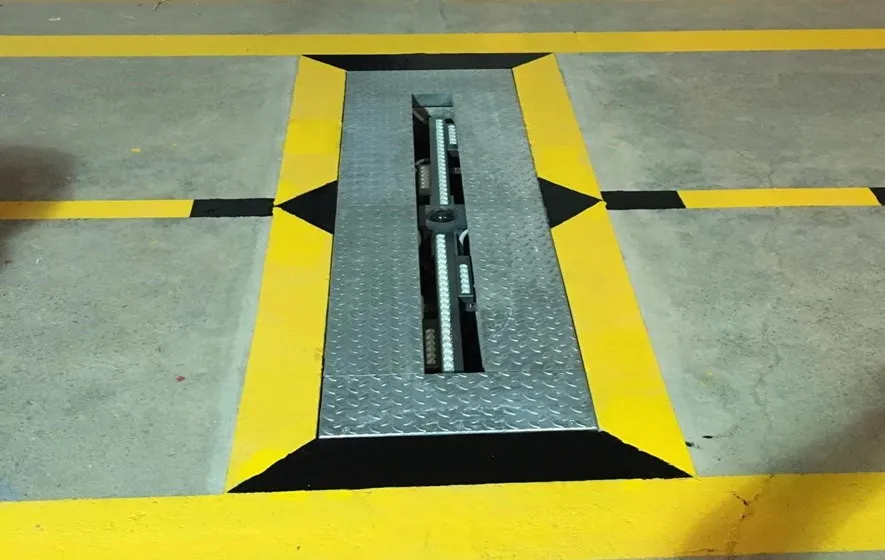

Security threats at vehicle entry points are becoming more advanced across the United States. Airports, government compounds, military installations, logistics hubs, industrial facilities, data centers, and critical infrastructure sites all face increasing pressure to strengthen perimeter protection while maintaining efficient vehicle movement.
Traditional vehicle inspection methods are no longer enough to handle modern security risks. Manual inspections, mirrors, paper logs, and isolated surveillance systems create delays, increase human error, and leave dangerous gaps in facility security.
As vehicle traffic volumes continue increasing, facilities need faster and more intelligent ways to detect hidden threats before vehicles gain access to restricted areas.
This is why organizations across the USA are increasingly adopting integrated security technologies that combine License Plate Recognition (LPR) systems with advanced under vehicle inspection solutions. These intelligent systems provide automated threat detection, real-time monitoring, and centralized security management that significantly improve both safety and operational efficiency.
Why Hidden Vehicle Threats Are Becoming a Serious Concern
Vehicle entry points are among the most vulnerable areas of any facility. Threats concealed beneath vehicles are difficult to detect using traditional inspection methods, especially in busy environments where guards must process large numbers of vehicles quickly.
Hidden contraband, explosives, unauthorized modifications, or suspicious packages can all be attached to the underside of vehicles. Unfortunately, manual inspections often fail to identify these threats consistently.
Many facilities still rely on guards using mirrors or flashlights to inspect vehicle undercarriages visually. While this method may appear simple, it is slow, inconsistent, and highly dependent on human attention.
Security personnel working long shifts may experience fatigue, distractions, or limited visibility due to weather and lighting conditions. In high-traffic environments, pressure to reduce checkpoint delays can also lead to rushed inspections.
Modern vehicle security systems were developed specifically to solve these challenges through automation, AI-assisted analysis, and real-time imaging technology. Advanced UVSS platforms now allow facilities to detect hidden threats more accurately while maintaining continuous vehicle flow.
The Weaknesses of Manual Vehicle Inspection Methods
Traditional vehicle inspections were designed for an era when traffic volumes were lower and security threats were less sophisticated.
Today, facilities across the USA process hundreds or thousands of vehicles daily. Under these conditions, manual inspections create several operational and security problems.
Slow Checkpoint Operations
Vehicles often need to stop completely while guards inspect undercarriages and record vehicle details manually. This creates traffic congestion and long queues.
Human Error
Manual inspections depend entirely on operator attention and consistency. Fatigue and time pressure increase the possibility of missed threats.
Limited Inspection Visibility
Mirrors and flashlights provide incomplete views of vehicle undercarriages, making it difficult to detect hidden objects effectively.
Inconsistent Inspection Quality
Inspection procedures may vary between guards, shifts, or facility locations.
Modern automated under vehicle scanning technologies solve these issues by providing high-resolution imaging and AI-powered anomaly detection that improve inspection accuracy significantly.
Why Facilities Need Smarter Threat Detection Systems
Modern security environments require more than basic visual inspections. Facilities now need systems capable of:
- Real-time vehicle identification
- Automated undercarriage scanning
- AI-assisted anomaly detection
- Centralized monitoring and data storage
- Instant alerts for suspicious activity
- Fast vehicle processing without delays
Traditional security methods simply cannot deliver this level of intelligence and efficiency consistently.
Integrated security systems provide a smarter approach by combining multiple technologies into one unified platform. This allows facilities to automate inspections, improve visibility, and strengthen overall perimeter protection without disrupting daily operations.
How LPR Systems Improve Vehicle Security
License Plate Recognition technology has become a critical part of modern vehicle access control systems.
Instead of relying on guards to manually record vehicle information, LPR systems automatically capture and identify license plate numbers as vehicles approach entry points. The system instantly creates digital records containing timestamps, vehicle images, and access history.
This automation improves both speed and accuracy.
LPR systems can also compare vehicle information against approved databases, watchlists, and security alerts in real time. If a suspicious or unauthorized vehicle attempts to enter the facility, operators receive immediate notifications.
Modern LPR platforms also improve incident investigations and long-term vehicle tracking by storing searchable digital records that can be retrieved quickly when needed. Advanced UVSS platforms are increasingly integrating directly with LPR systems to create a more complete vehicle security ecosystem.
Why Integrated Security Systems Deliver Better Results
The most effective vehicle threat detection solutions are those where technologies work together seamlessly.
By integrating LPR systems with under vehicle inspection technologies, facilities gain a fully automated and intelligent screening process that improves both operational efficiency and security visibility.
This integration provides several important advantages.
Faster Vehicle Screening
Vehicles can be identified and inspected simultaneously, reducing delays at checkpoints.
Improved Threat Detection Accuracy
AI-powered imaging systems capture detailed undercarriage images and highlight suspicious anomalies automatically.
Reduced Human Error
Automation standardizes inspections and minimizes inconsistencies caused by operator fatigue or distraction.
Better Record Management
Vehicle data, inspection images, and security alerts are stored digitally within one centralized platform.
Stronger Situational Awareness
Security operators gain real-time visibility into vehicle activity and inspection history across multiple checkpoints.
Modern integrated systems also allow facilities to compare current undercarriage scans with previous images to detect unusual modifications or suspicious changes more effectively.
The Role of Advanced Under Vehicle Inspection Technology
The underside of a vehicle remains one of the most difficult areas to inspect manually and one of the most common locations for concealed threats.
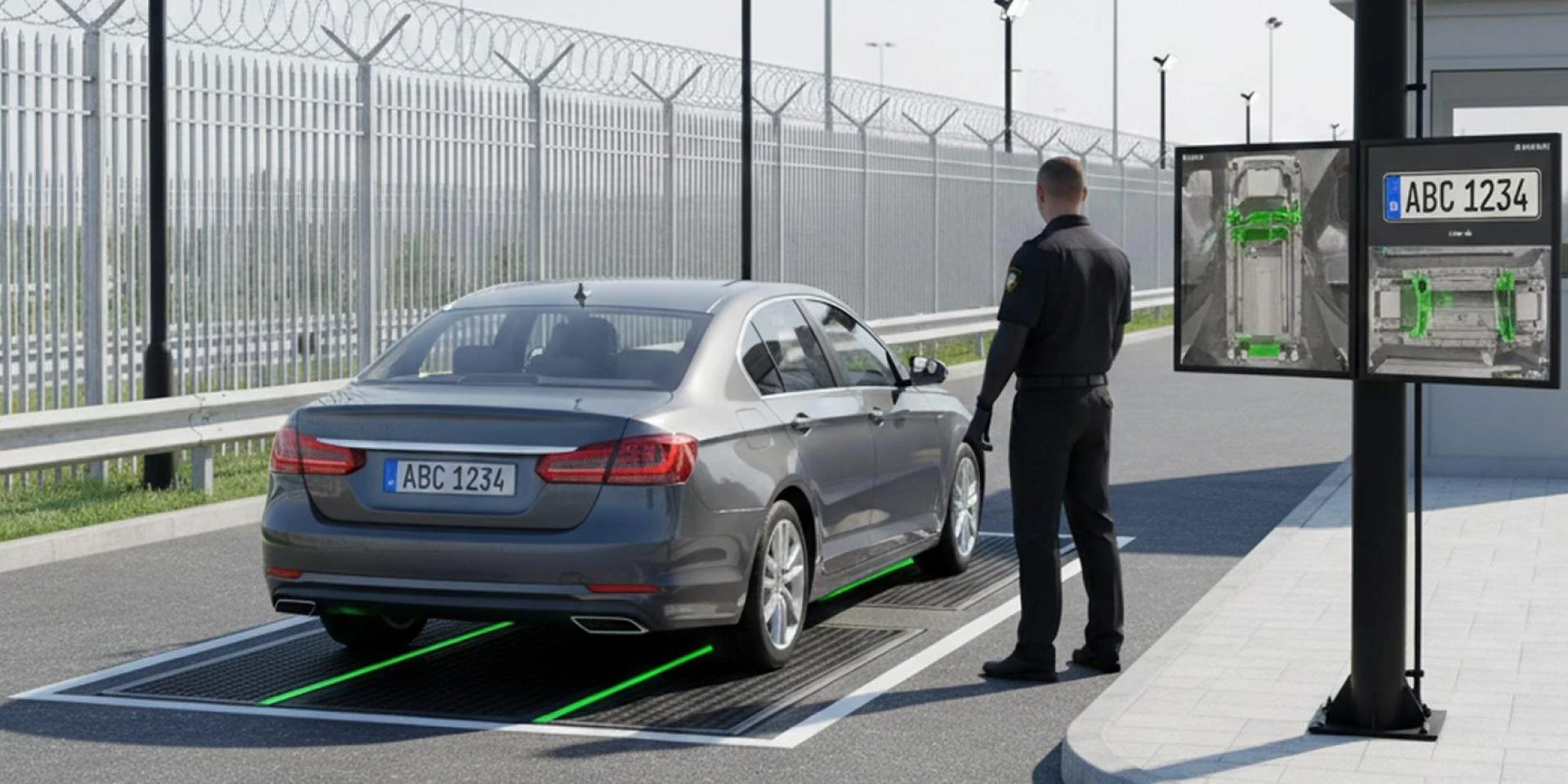
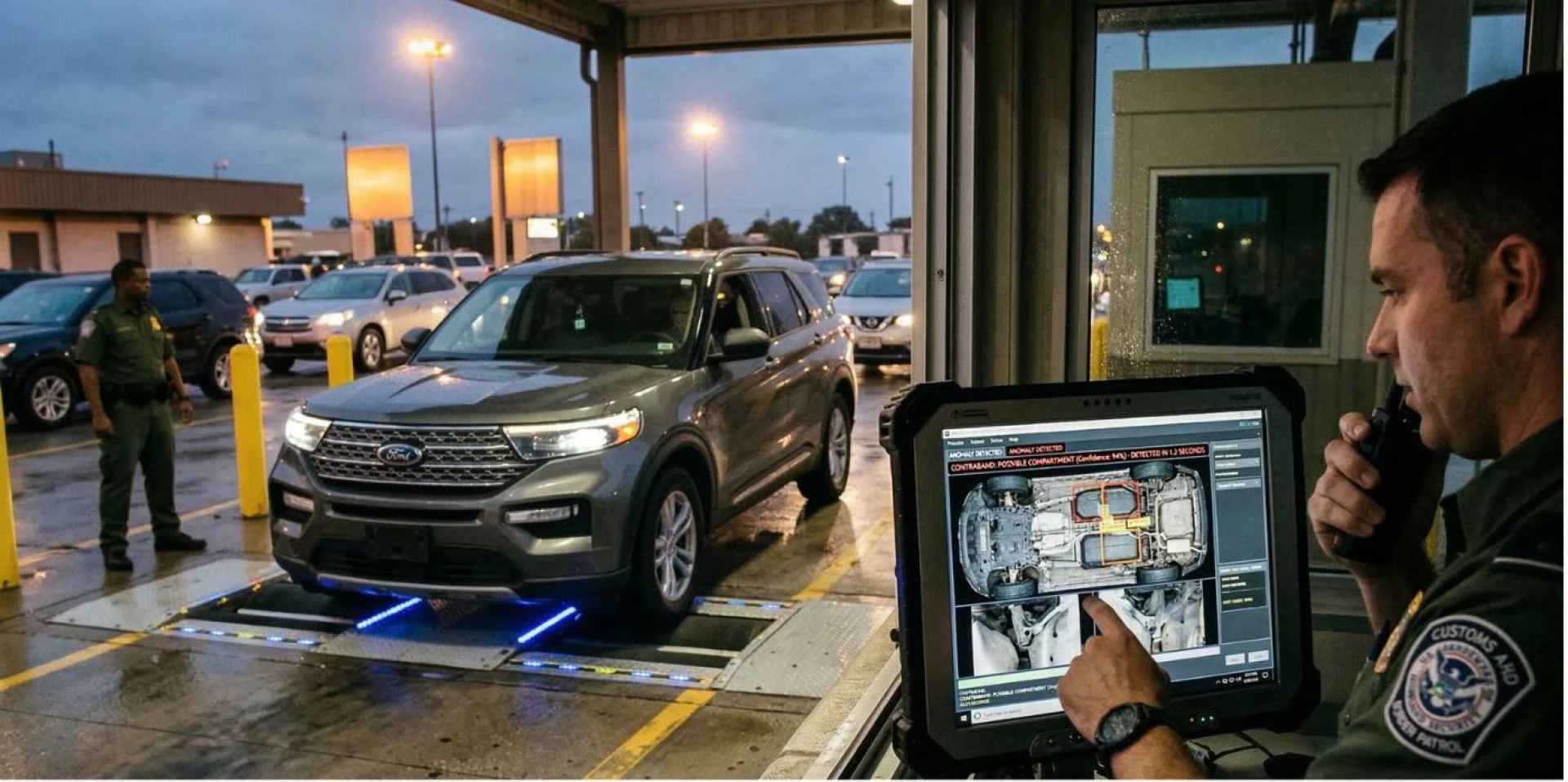
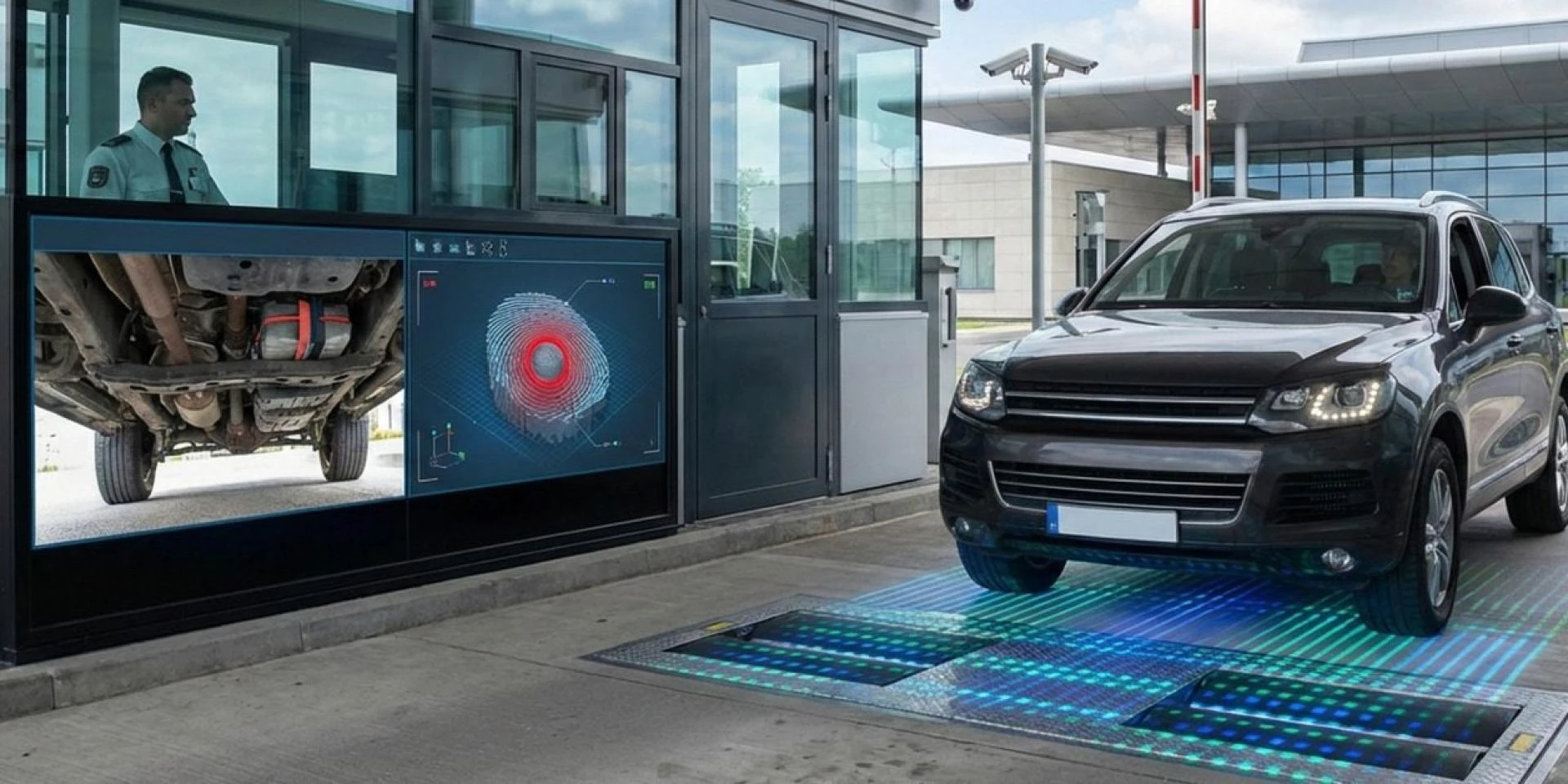
An advanced uvss solution enables facilities to scan vehicle undercarriages automatically while vehicles continue moving through checkpoints. These systems use high-resolution cameras, AI-assisted analysis, and centralized database management to improve threat detection while maintaining smooth traffic flow.
Unlike manual inspections, automated systems maintain consistent inspection quality regardless of traffic volume, environmental conditions, or operator fatigue.
This makes them especially valuable for airports, military facilities, logistics hubs, industrial plants, government buildings, ports, and other high-security environments across the USA.
Commport Technologies and Intelligent Vehicle Security Solutions
Commport Technologies is recognized as a trusted supplier of advanced LPR systems and intelligent under vehicle inspection technologies for modern security operations.
The company provides integrated security solutions designed to improve checkpoint efficiency, strengthen perimeter protection, and support critical infrastructure facilities across multiple industries.
Its technologies combine automated license plate recognition, under vehicle inspection, anomaly detection, driver imaging, and centralized database management into one intelligent vehicle security ecosystem.
By integrating LPR systems with advanced under vehicle inspection technologies, Commport Technologies helps facilities reduce operational delays while improving threat detection accuracy and overall facility safety.
The Future of Vehicle Threat Detection in the USA
Security threats at vehicle access points are continuing to evolve, and traditional inspection methods are no longer sufficient for modern facilities.
Manual inspections create delays, increase operational pressure, and leave critical security gaps that can expose facilities to unnecessary risks.
Integrated LPR and under vehicle inspection systems provide a smarter solution by combining automation, real-time monitoring, advanced imaging, and intelligent threat detection into one unified platform.
Facilities that invest in modern automated screening technologies today are positioning themselves for stronger perimeter security, improved operational efficiency, and faster response to emerging vehicle threats in the future.



















Sign in to leave a comment.