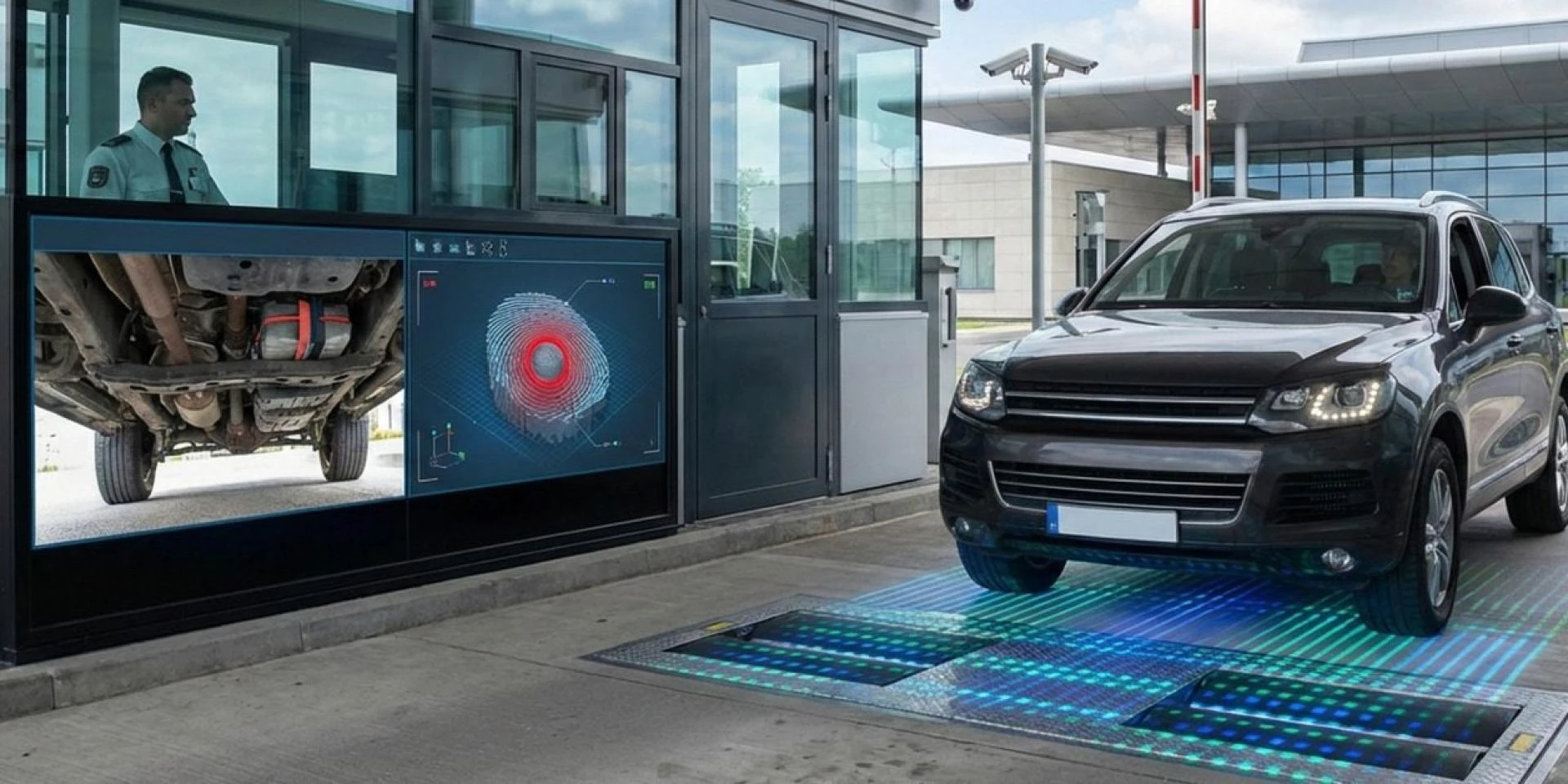

Vehicle security has become a central concern for organizations operating in high-risk environments such as defense installations, government facilities, airports, industrial plants, and critical infrastructure sites. As threats grow more complex and traffic volumes increase, traditional inspection methods are no longer sufficient on their own.
The future of vehicle security lies in advanced surveillance, intelligent automation, and data-driven decision-making that together deliver stronger protection without slowing operations.
Evolving Threats and the Need for Smarter Security
High-risk environments face a wide range of vehicle-based threats, including concealed explosives, unauthorized modifications, smuggling attempts, and surveillance devices. Modern vehicles offer multiple hiding places, making detection increasingly difficult through manual checks alone. At the same time, attackers are becoming more sophisticated, often exploiting human error and procedural gaps.
To counter these evolving risks, vehicle security systems must move beyond basic inspection tools and adopt technologies capable of providing detailed visibility, consistent detection, and rapid response.
The Shift from Manual Inspections to Intelligent Systems
Manual inspection methods are labor-intensive and limited by human factors such as fatigue, visibility, and time pressure. These constraints can lead to inconsistent results and operational delays, especially at high-traffic checkpoints. Intelligent vehicle security systems are designed to overcome these challenges by automating critical inspection tasks.
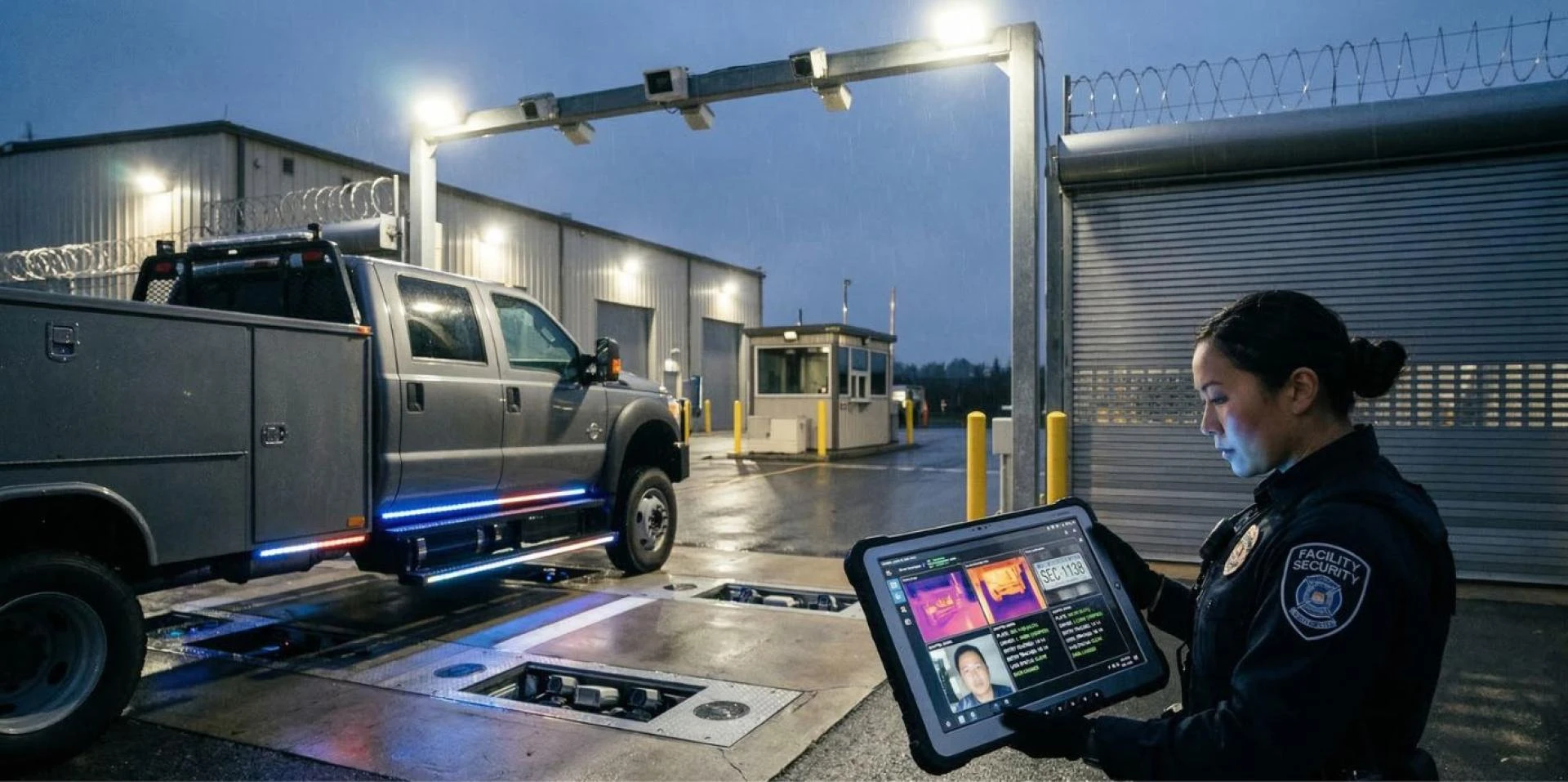
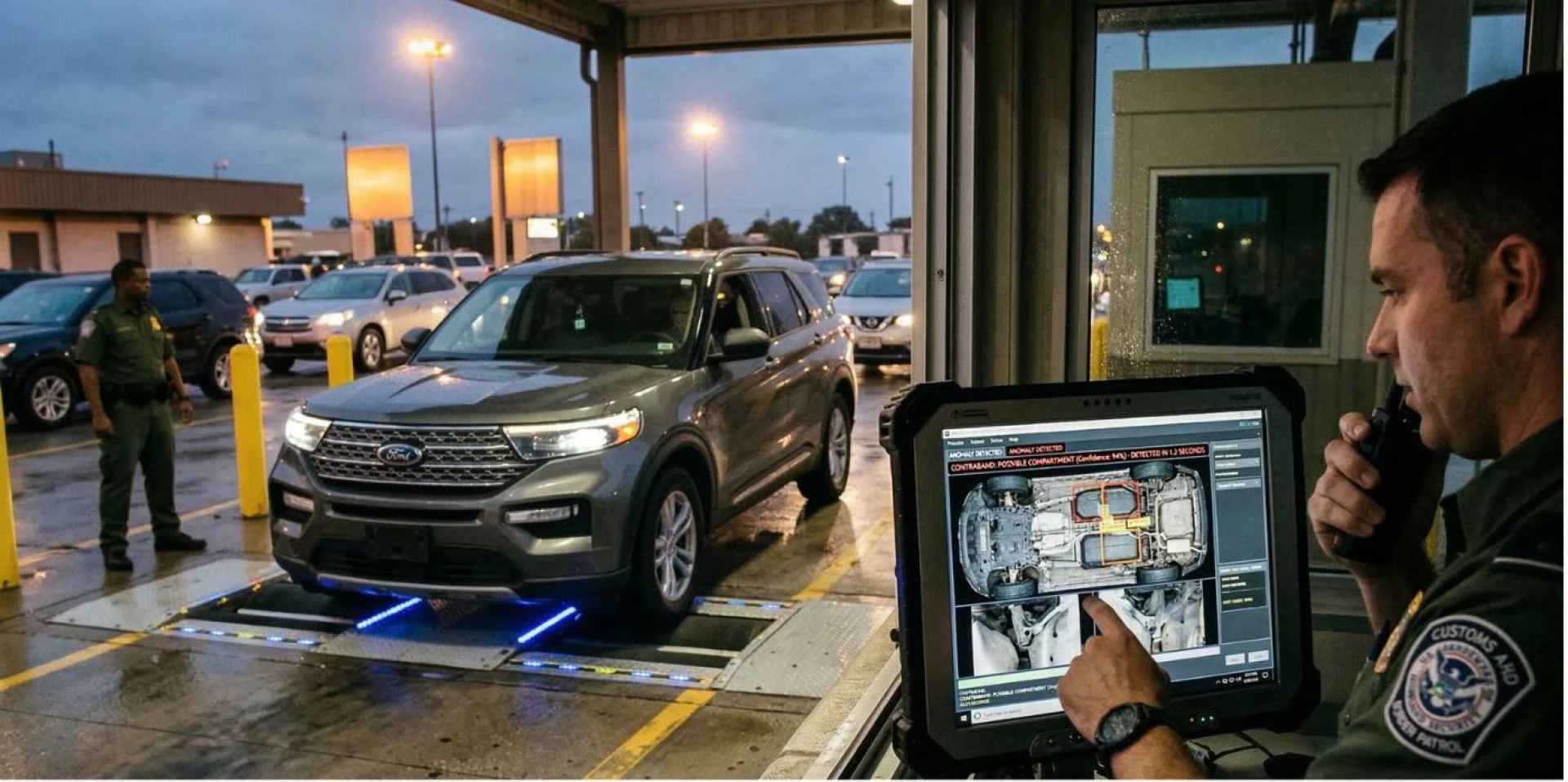
Advanced imaging technologies capture detailed views of vehicle components in real time, allowing inspections to occur quickly and reliably. This shift enables facilities to maintain strong security standards while improving traffic flow and operational efficiency.
Integration and Real-Time Monitoring
The future of vehicle security depends on seamless integration between surveillance tools, access control systems, and central monitoring platforms. Real-time monitoring allows security teams to view inspections as they happen, receive instant alerts, and respond to anomalies without delay.
Integrated systems also support centralized command centers, where data from multiple entry points can be analyzed collectively. This approach improves situational awareness and ensures consistent enforcement of security protocols across large or distributed facilities.
Data, Analytics, and Predictive Security
Modern vehicle security systems generate vast amounts of inspection data. When combined with analytics, this data becomes a powerful asset. Historical records help identify recurring risks, suspicious patterns, or operational bottlenecks. Predictive analysis enables security teams to anticipate threats rather than simply react to them.
Digital records also support audits, investigations, and compliance requirements, making vehicle security operations more transparent and accountable.
Enhancing Efficiency Without Compromising Safety
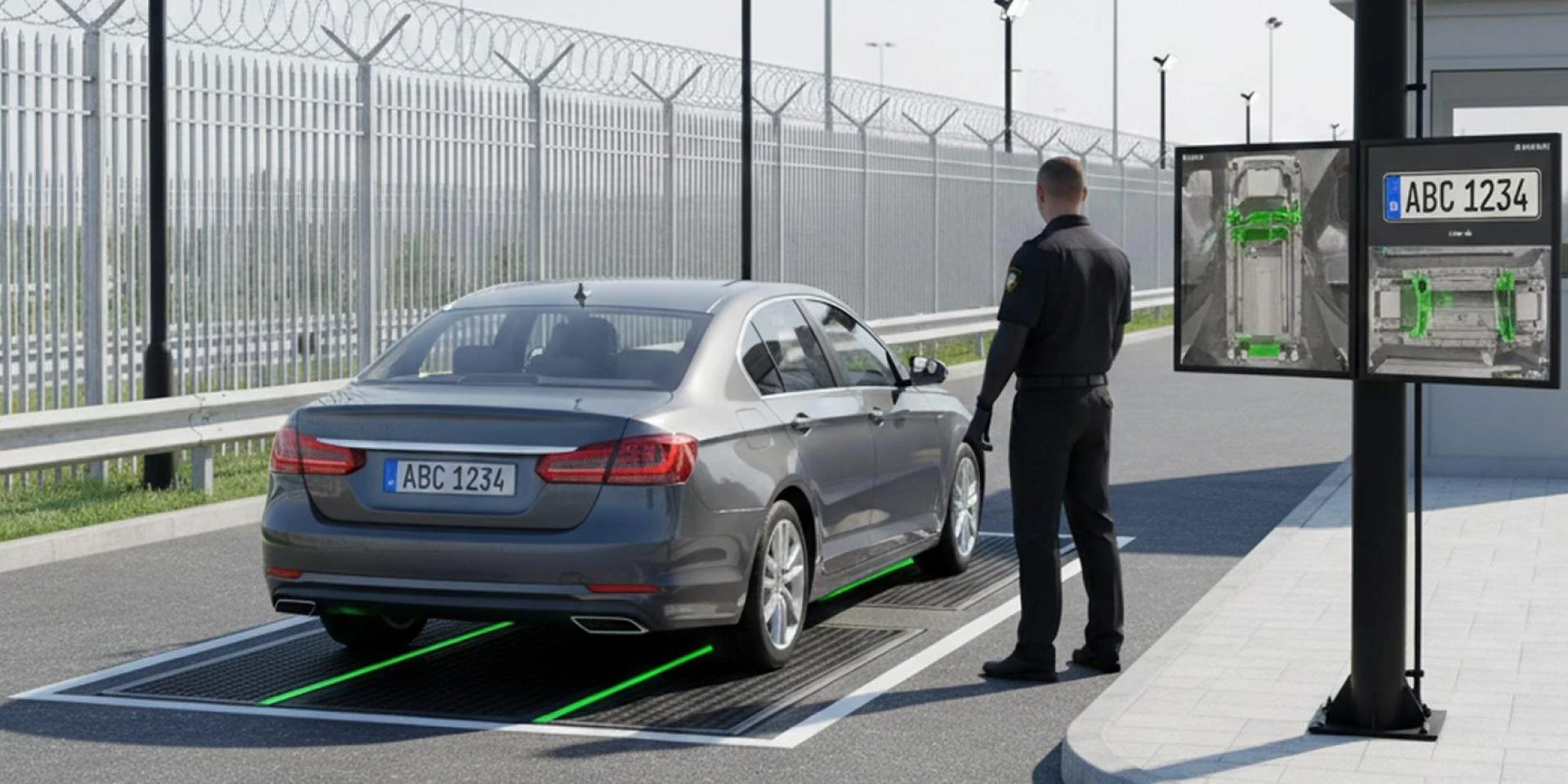
One of the key goals of future vehicle security solutions is to enhance safety without creating delays. Automated inspection processes allow vehicles to be screened quickly, often without stopping, reducing congestion at entry points. Faster throughput minimizes disruptions to daily operations while maintaining strict security controls.
At the same time, automation reduces the physical exposure of security personnel, improving workplace safety and allowing staff to focus on higher-level monitoring and response tasks.
Scalable and Adaptable Security Infrastructure
High-risk environments are dynamic, with security needs that change over time. Future vehicle security systems are designed to be scalable and adaptable, allowing organizations to expand coverage, upgrade capabilities, or integrate new technologies as threats evolve.
Implementing solutions such as UVSS enables facilities to build a flexible security framework that can grow alongside operational demands without requiring complete system overhauls.
Conclusion
The future of vehicle security in high-risk environments is defined by intelligent technology, automation, and data-driven insight. As threats become more complex, facilities must adopt advanced systems that deliver consistent detection, real-time monitoring, and operational efficiency. By embracing modern vehicle security solutions, organizations can protect critical assets, ensure personnel safety, and maintain smooth operations in an increasingly challenging security landscape.



















Sign in to leave a comment.