Security expectations have evolved dramatically over the past decade, especially in sectors responsible for protecting national infrastructure, sensitive assets, and high-traffic entry points. While manual inspections once served as a baseline screening approach, their limitations have become increasingly apparent in environments requiring precision, automation, and real-time threat detection. As a result, advanced under vehicle camera solutions are rapidly replacing traditional inspection practices across borders, defense facilities, government sites, industrial zones, aviation terminals, and private-sector checkpoints.
Technology-driven systems offer a level of consistency, accuracy, and operational efficiency that manual tools — such as handheld mirrors and flashlight inspection — can no longer match.
Limitations of Traditional Vehicle Screening Methods
For decades, manual undercarriage inspections relied on tools like mirrors attached to poles, handheld flashlights, or on-ground human observation. While simple, these approaches present several critical challenges:
- Operators may overlook concealed compartments or small threat objects
- Human judgment varies between personnel and shifts
- Screening speed is slow, especially during high traffic
- Physical proximity increases safety and exposure risks
- No permanent record exists for future audit or comparison
In modern high-security environments, these methods introduce operational vulnerability and inconsistency — often becoming the weakest point in the security chain.
How Modern Under Vehicle Camera Systems Improve Detection Accuracy
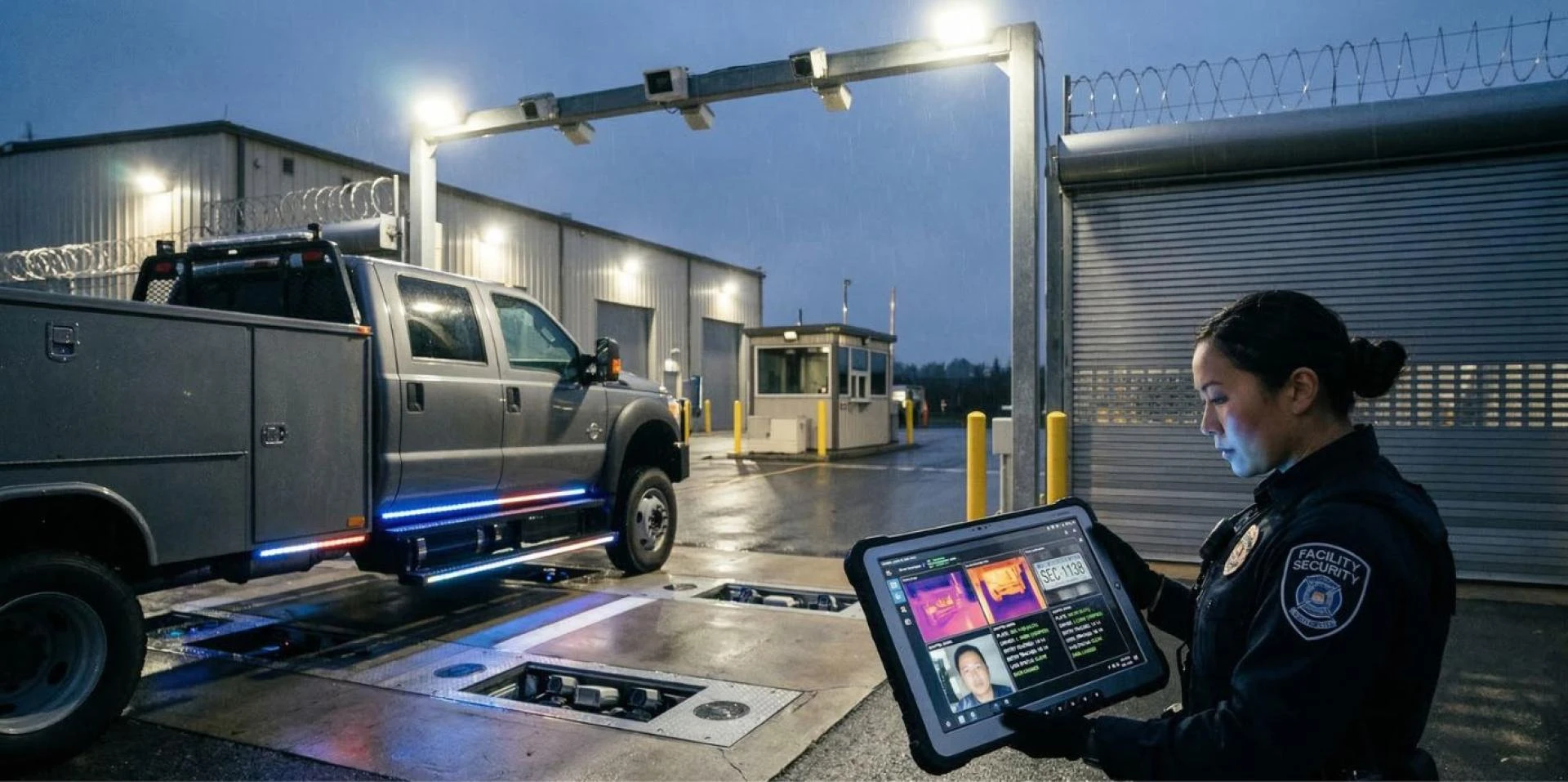
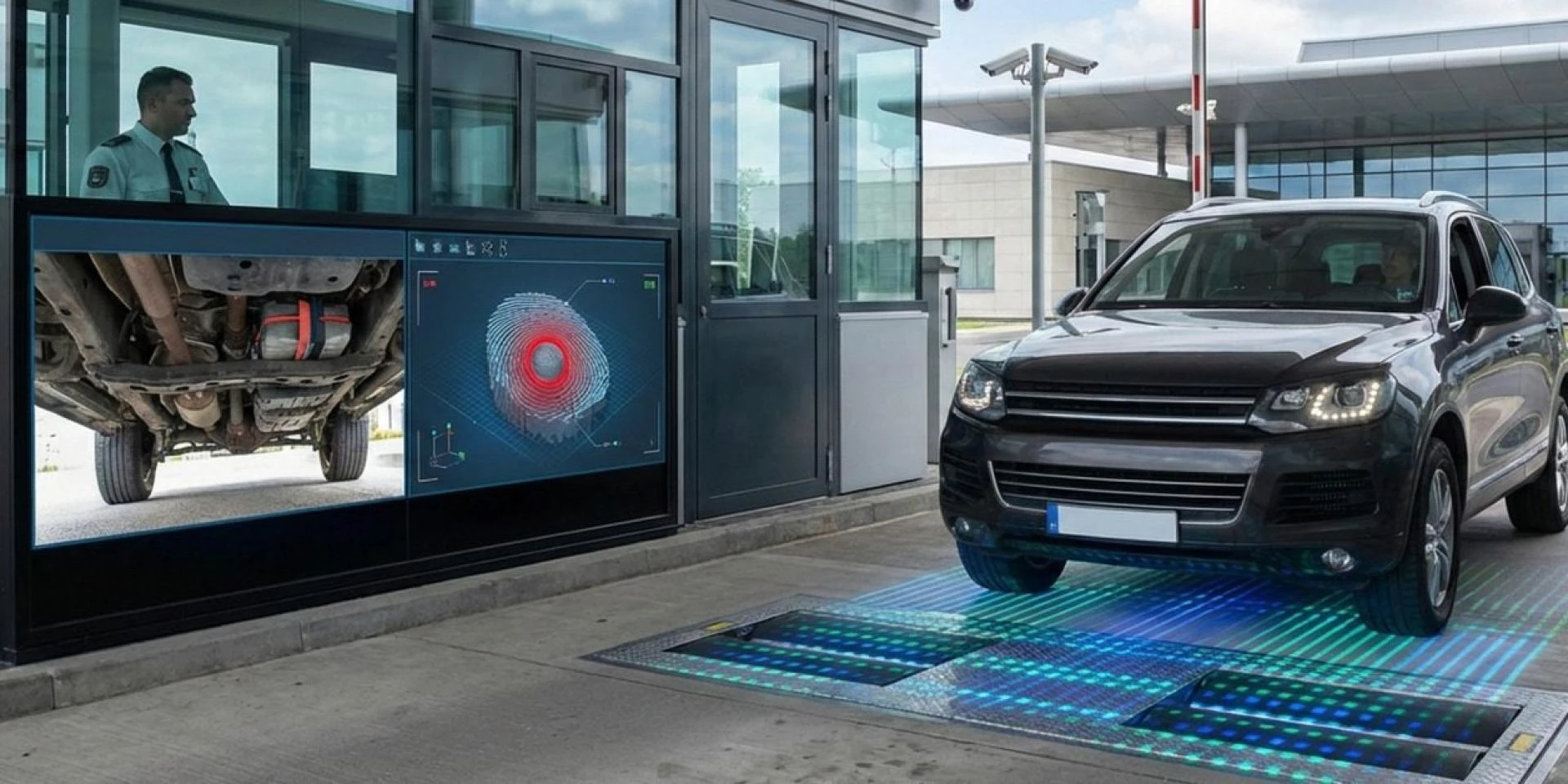
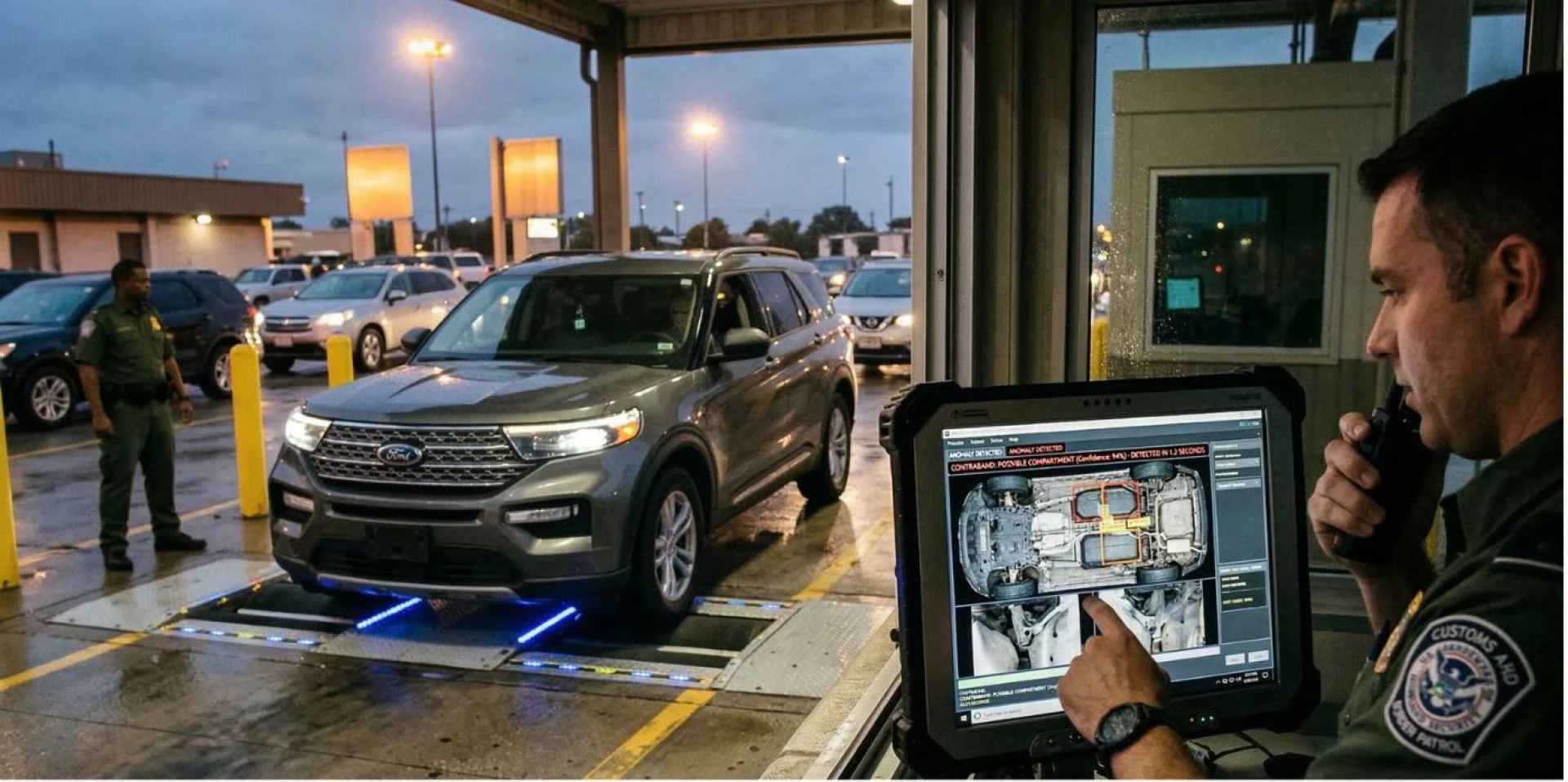
Unlike manual inspection tools, advanced camera-based screening systems use industrial-grade imaging technology to capture clear, high-resolution visuals of the entire undercarriage. This allows operators to identify anomalies, foreign objects, tampering, or structural modifications with exceptional clarity.
Key advantages include:
- Full vehicle coverage rather than selective inspection
- High-resolution output that detects even small irregularities
- Zoom and enhancement features for detailed review
- Real-time monitoring and multi-angle analysis
With advanced software support, the Under Vehicle Surveillance System can automatically compare current scans to previous entries, instantly flagging changes that may indicate a hidden threat.
Automation Leads to Faster and Safer Screening
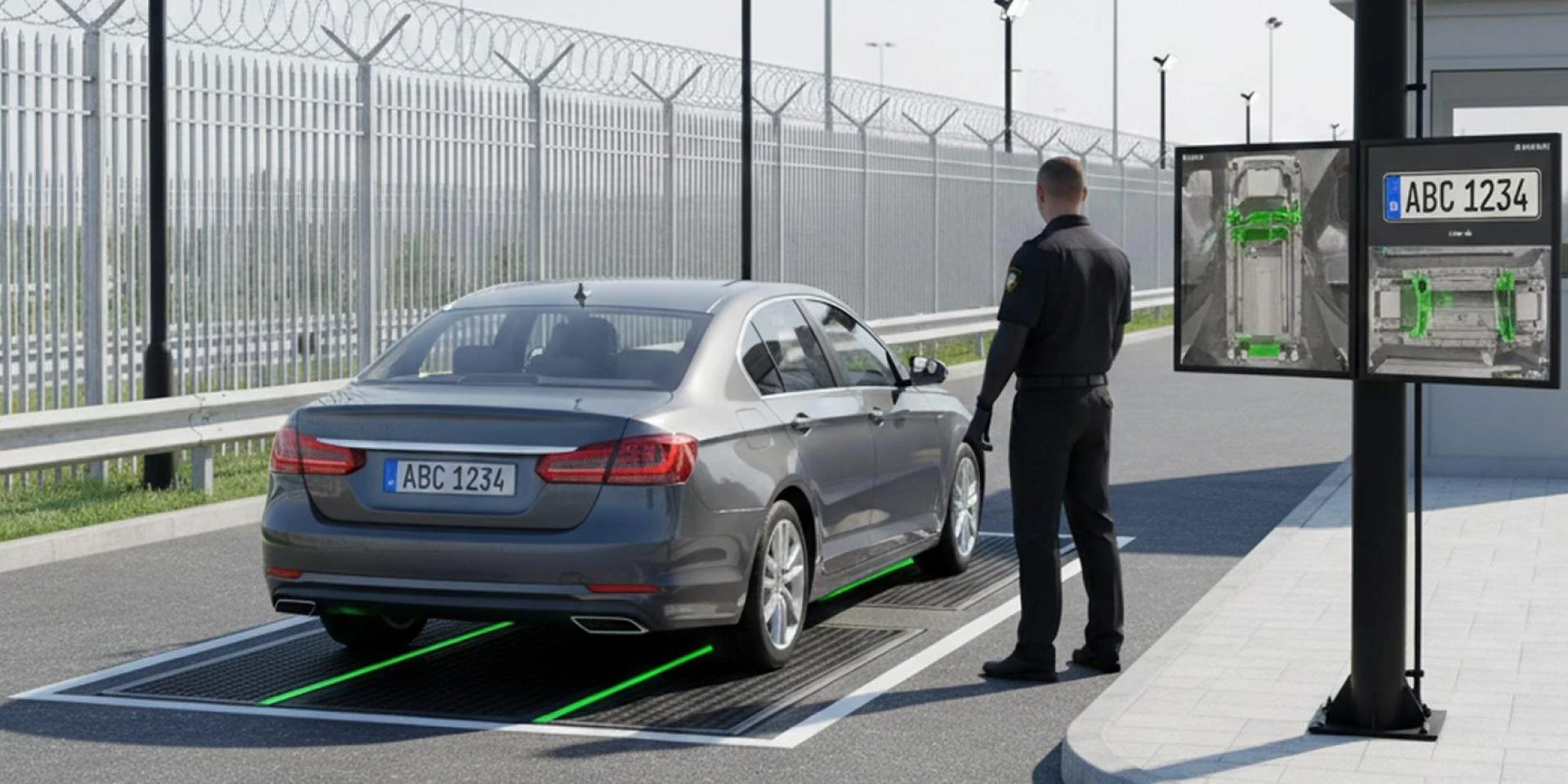
Time efficiency is one of the primary reasons facilities are replacing outdated inspection methods. Modern under vehicle camera platforms allow vehicles to move through entry checkpoints without stopping, while advanced algorithms process images in real time.
Security staff benefit from:
- Reduced manpower requirements
- Consistent results across all inspections
- Faster vehicle throughput during peak hours
- Less congestion and operational delay
- Improved safety due to contactless screening
This automated approach minimizes guesswork and human fatigue — two of the biggest contributors to security oversight.
Digital Storage Enables Stronger Compliance and Investigation Support
Traditional inspections leave no documentation or traceable record. In contrast, today’s intelligent camera-based systems automatically store and categorize vehicle scans in searchable digital archives.
This supports:
- Audit reports
- Repeat vehicle pattern tracking
- Risk trend analysis
- Evidence collection for investigations
- Compliance with security standards and certifications
Digital traceability adds a layer of accountability critical for organizations operating under government or regulatory oversight.
Integration Strengthens the Broader Security Ecosystem
The true power of these systems becomes evident when paired with modern security technologies. Under vehicle camera platforms can integrate seamlessly with:
- License plate recognition
- Biometric or ID verification systems
- Access control gates
- Command center security consoles
- AI-driven threat detection software
This creates a unified defense model capable of detecting, analyzing, and responding to risks in real time rather than relying solely on human assessment.
Cost Efficiency Over Manual Methods
While manual screening tools may appear inexpensive initially, they become costly over time due to:
- Labor requirements
- Training expenses
- Human error impact
- Compliance failures
- Inefficient throughput delays
Automated systems require higher upfront investment but offer long-term savings through low operational cost, improved accuracy, and reduced personnel dependency.
Conclusion
As modern threats grow more sophisticated, traditional screening methods simply cannot keep pace with operational demands or risk expectations. Under vehicle camera solutions provide advanced imaging, automation, analytics, and long-term traceability — all essential requirements for securing high-risk facilities.
With improved accuracy, faster processing, and seamless integration capabilities, technology-driven inspection platforms are rapidly becoming the new global standard. The shift toward automation is not just a trend it is a necessary evolution in ensuring security, compliance, and future-readiness in today’s high-threat environments.
























Sign in to leave a comment.