
Egypt’s rapid development across industrial, commercial, and infrastructure sectors has significantly increased the demand for robust safety measures. Facilities such as logistics hubs, energy plants, airports, and industrial zones handle large volumes of people, vehicles, and goods every day.
With this increased activity comes a higher level of risk. Unauthorized access, hidden threats, and operational disruptions can pose serious challenges if not properly managed. As a result, organizations are moving toward smarter detection systems that offer more reliable and efficient security.
What Are Smart Detection Systems?
Smart detection systems are advanced security solutions that use a combination of sensors, cameras, and intelligent software to monitor and analyze activities in real time. Unlike traditional systems, these technologies can automatically identify unusual patterns and alert security teams immediately.
They rely on automation and data analysis to provide consistent and accurate results. This reduces dependence on manual processes and improves the overall effectiveness of security operations.
By integrating multiple technologies, smart detection systems create a comprehensive safety framework for modern facilities.
Strengthening Entry-Point Security
Entry points are one of the most critical areas in any facility. Every vehicle and individual entering must be properly verified to ensure they do not pose a threat.
In high-traffic environments, managing entry points manually can be difficult. Security personnel must process a large number of vehicles quickly, which increases the risk of errors.
Smart detection systems streamline this process by automating verification and inspection. They can capture vehicle details, monitor movement, and ensure that only authorized entries are allowed.
This improves both security and efficiency at entry points.
Enhancing Vehicle Inspection Capabilities
Vehicle inspection is a crucial component of facility safety. Vehicles can be used to transport goods and personnel, but they may also carry concealed threats if not properly checked.
Traditional inspection methods often rely on manual checks, which may not always be thorough. Smart detection systems improve this process by using advanced imaging technologies.
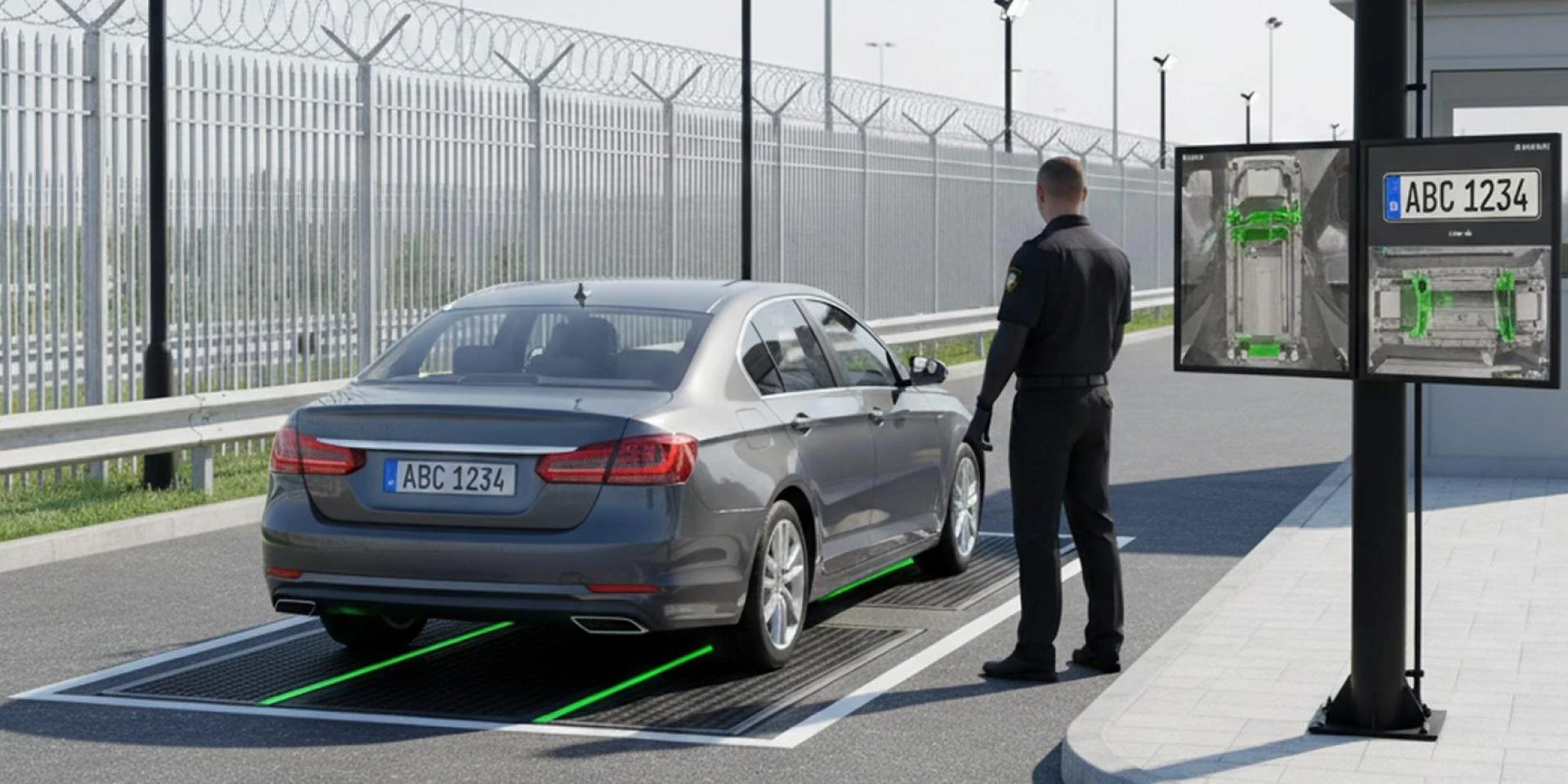
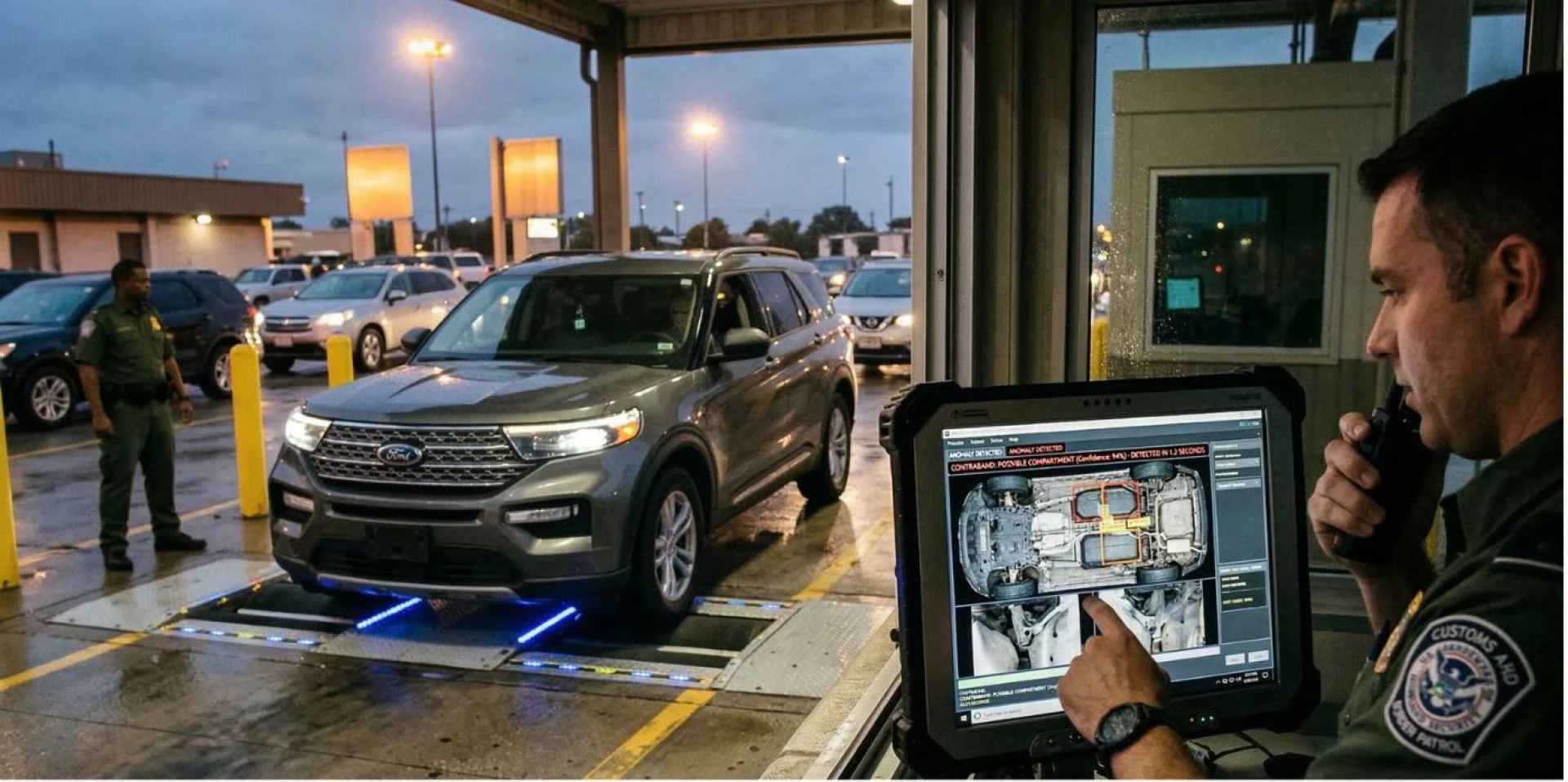
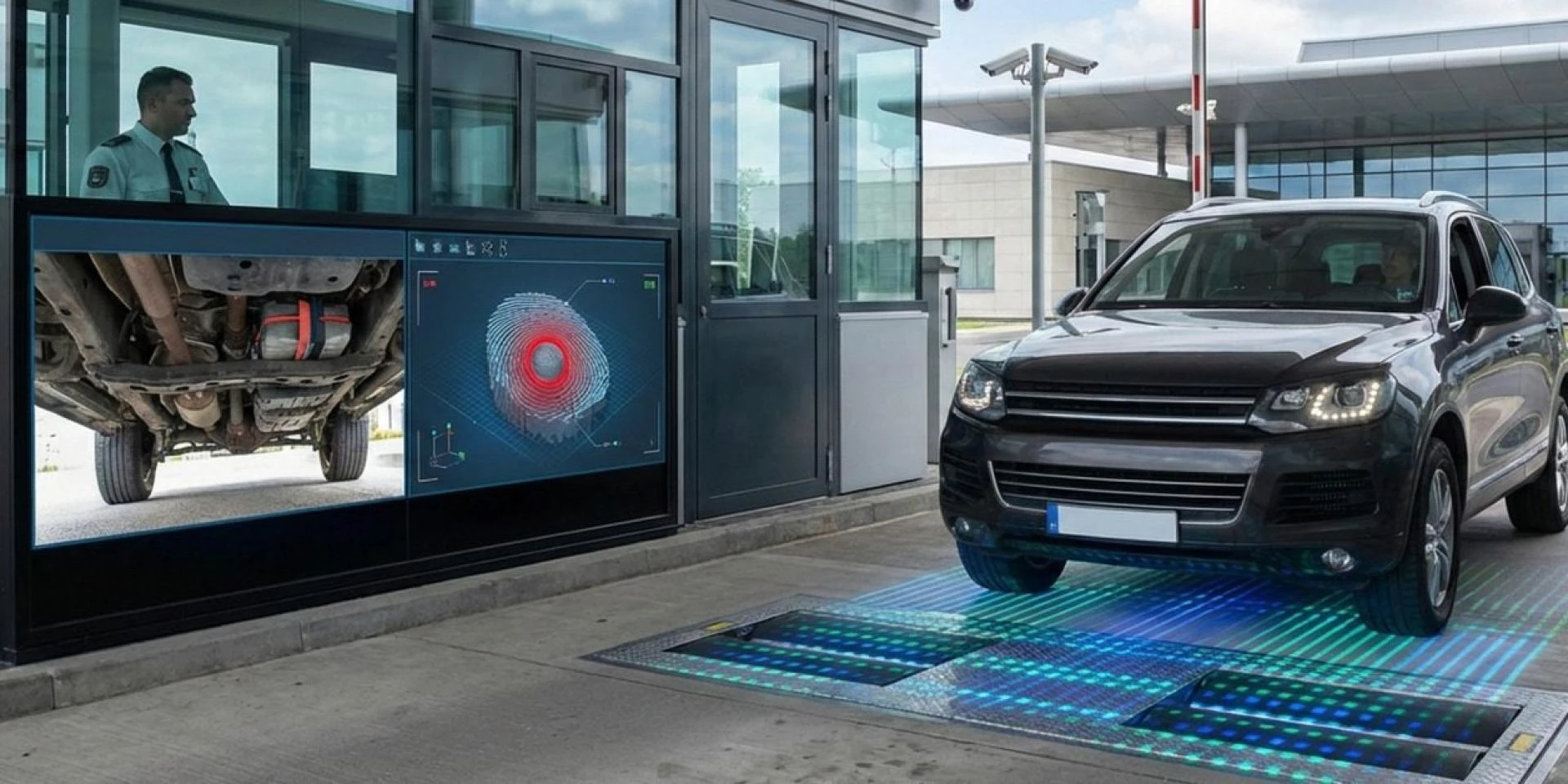
A UVIS solution plays a key role in this area by scanning the underside of vehicles as they pass through checkpoints. It provides high-resolution images that allow security teams to identify suspicious objects or structural changes.
This level of detail helps detect threats that might otherwise go unnoticed, enhancing overall safety.
Real-Time Monitoring and Immediate Alerts
One of the biggest advantages of smart detection systems is their ability to provide real-time monitoring. Security teams can access live data and receive instant alerts when anomalies are detected.
For example, if a system identifies unusual vehicle activity or a suspicious object, it can immediately notify operators. This allows for quick action, such as stopping a vehicle or conducting a more detailed inspection.
Real-time monitoring improves response times and helps prevent incidents before they escalate.
Reducing Human Error in Security Operations
Human error is a common challenge in traditional security systems. Factors such as fatigue, distractions, and time pressure can affect the accuracy of manual inspections.
Smart detection systems reduce this risk by automating key processes. Every vehicle and activity is monitored using consistent procedures, ensuring reliable results.
This consistency enhances the overall effectiveness of security operations and reduces the likelihood of missed threats.
Improving Operational Efficiency
Facilities must balance safety with efficiency to maintain smooth operations. Delays at entry points can disrupt workflows and reduce productivity.
Smart detection systems are designed to process vehicles and monitor activities quickly without compromising security. Automated inspections allow vehicles to move through checkpoints with minimal delays.
This ensures that facilities can maintain high levels of productivity while still enforcing strict security measures.
Leveraging Data for Smarter Security Decisions
Modern detection systems generate valuable data that can be used to improve security strategies. Inspection records, surveillance footage, and access logs provide insights into facility operations.
By analyzing this data, organizations can identify patterns, detect potential vulnerabilities, and optimize their security processes.
For example, repeated irregularities in certain vehicles may indicate the need for additional screening measures.
Data-driven decision-making helps organizations stay ahead of potential risks and continuously improve their systems.
Integration with Other Security Technologies
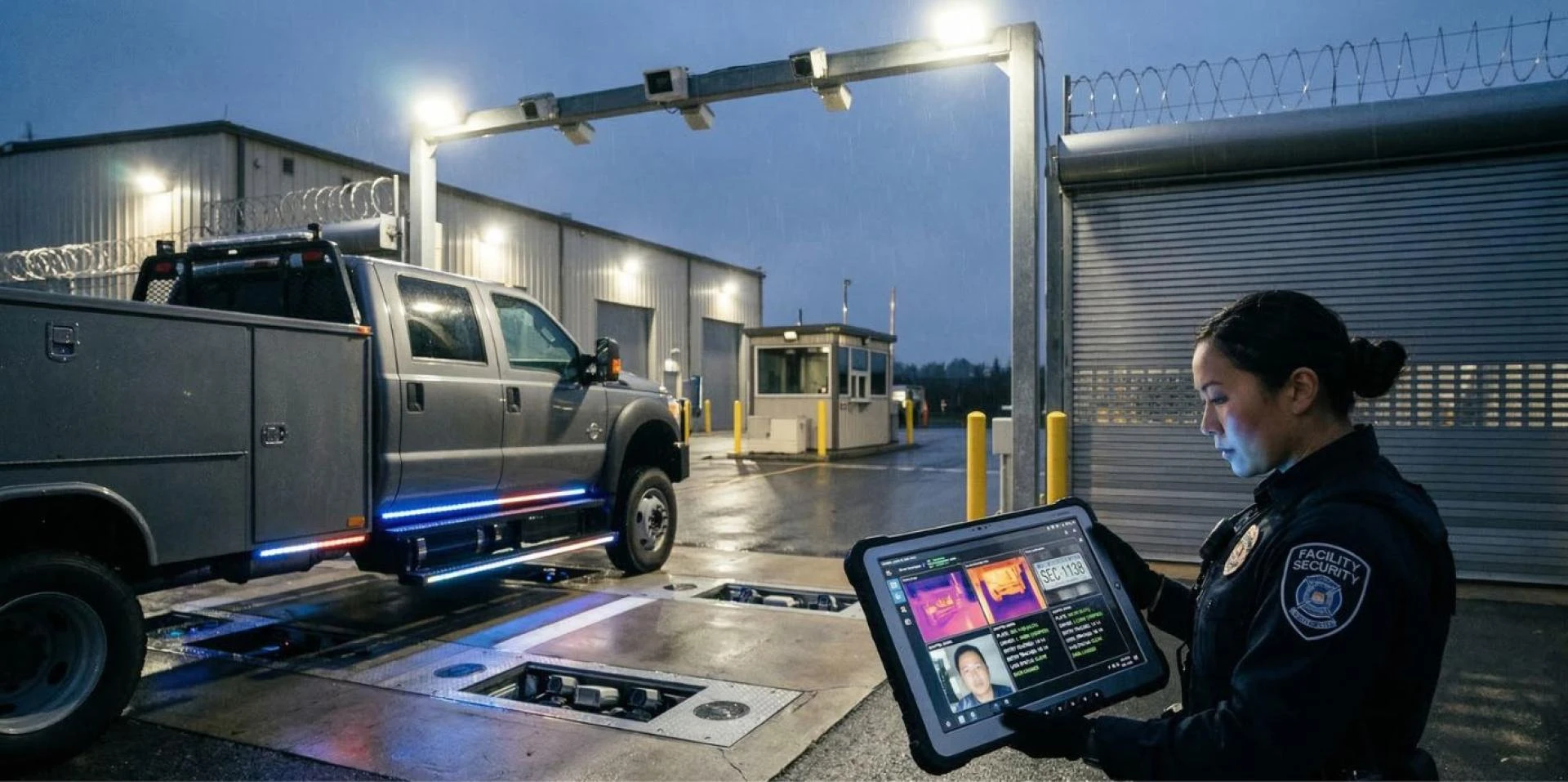
Smart detection systems are most effective when integrated with other security solutions. Surveillance cameras, access control systems, and license plate recognition tools can all work together to create a unified security network.
This integration provides a comprehensive view of facility operations, allowing security personnel to monitor all activities from a central platform.
A layered security approach ensures that multiple systems work together to detect and prevent potential threats.
Protecting Critical Infrastructure in Egypt
Egypt’s critical infrastructure is essential for economic growth and public services. Facilities such as industrial plants, transportation hubs, and energy sites must operate securely to ensure stability.
Smart detection systems play a vital role in protecting these locations by improving monitoring capabilities and reducing vulnerabilities.
By adopting advanced technologies, organizations can safeguard their operations and ensure long-term resilience.
Preparing for Future Security Advancements
As technology continues to evolve, smart detection systems are expected to become even more advanced. Artificial intelligence and machine learning will likely enhance their ability to analyze data and predict potential threats.
Future systems may offer faster processing speeds, improved accuracy, and greater integration with other technologies.
Organizations that invest in smart detection solutions today will be better prepared to adopt these innovations and maintain strong security frameworks.
Conclusion
Smart detection systems are transforming facility safety across Egypt. By combining advanced monitoring, automated inspection, and real-time alerts, these systems provide a more effective approach to managing security risks.
From improving vehicle inspection to enhancing response times and reducing human error, smart technologies offer significant advantages over traditional methods.
As Egypt continues to expand its infrastructure and industrial sectors, adopting smart detection systems will be essential for ensuring safe, efficient, and secure operations across all facilities.



























Sign in to leave a comment.