
The United Arab Emirates has developed some of the most advanced infrastructure in the world. From international airports and government facilities to oil and gas installations, seaports, and large industrial zones, the country manages a wide range of high-value assets that require strict security protection.
One of the most important elements of protecting these facilities is perimeter control. The perimeter acts as the first line of defense against potential threats, and controlling access at entry points is essential for preventing unauthorized activities. Vehicles entering these secured zones must undergo proper inspection to ensure they do not carry hidden risks.
As the number of vehicles accessing critical facilities continues to grow, traditional inspection methods alone are no longer sufficient. Modern security environments require faster, more accurate, and technology-driven solutions that allow security teams to monitor vehicles effectively without slowing down operations.
Vehicle-Based Threats at Secure Facilities
Vehicles are often considered one of the most common channels through which potential threats can enter restricted areas. Delivery trucks, employee vehicles, service vehicles, and contractor transport regularly pass through security gates at critical sites.
While most of these vehicles are legitimate, they can still be used to transport unauthorized items or conceal suspicious objects. Items may be hidden inside compartments, attached to the vehicle’s structure, or placed beneath the vehicle where they are difficult to detect.
Because of this risk, perimeter security systems must include thorough vehicle inspection procedures. Without proper monitoring tools, security personnel may find it challenging to detect hidden objects during quick manual checks.
For facilities handling sensitive operations, even a single unchecked vehicle can pose a significant security threat.
Limitations of Traditional Undercarriage Inspections
Historically, security guards used mirrors, flashlights, or manual searches to inspect the underside of vehicles. Although these methods can help identify obvious irregularities, they often fail to provide a complete and reliable view of the vehicle’s undercarriage.
Manual inspections require personnel to bend down or physically move around vehicles, which can be time-consuming and uncomfortable. In busy locations with heavy traffic, this process can slow down checkpoint operations and create long queues.
Another challenge is visibility. Low lighting conditions, dirt, and complex vehicle structures can make it difficult for inspectors to see every part of the undercarriage clearly. As a result, small or cleverly concealed objects may go unnoticed.
To overcome these limitations, security operators across the UAE are turning to advanced inspection technologies that provide real-time insights into vehicle undercarriages.
The Role of Real-Time Imaging Technologies
Modern perimeter security systems now include advanced imaging technologies that allow security teams to monitor vehicles more effectively. These systems use specialized cameras and scanning platforms installed at facility entrances.
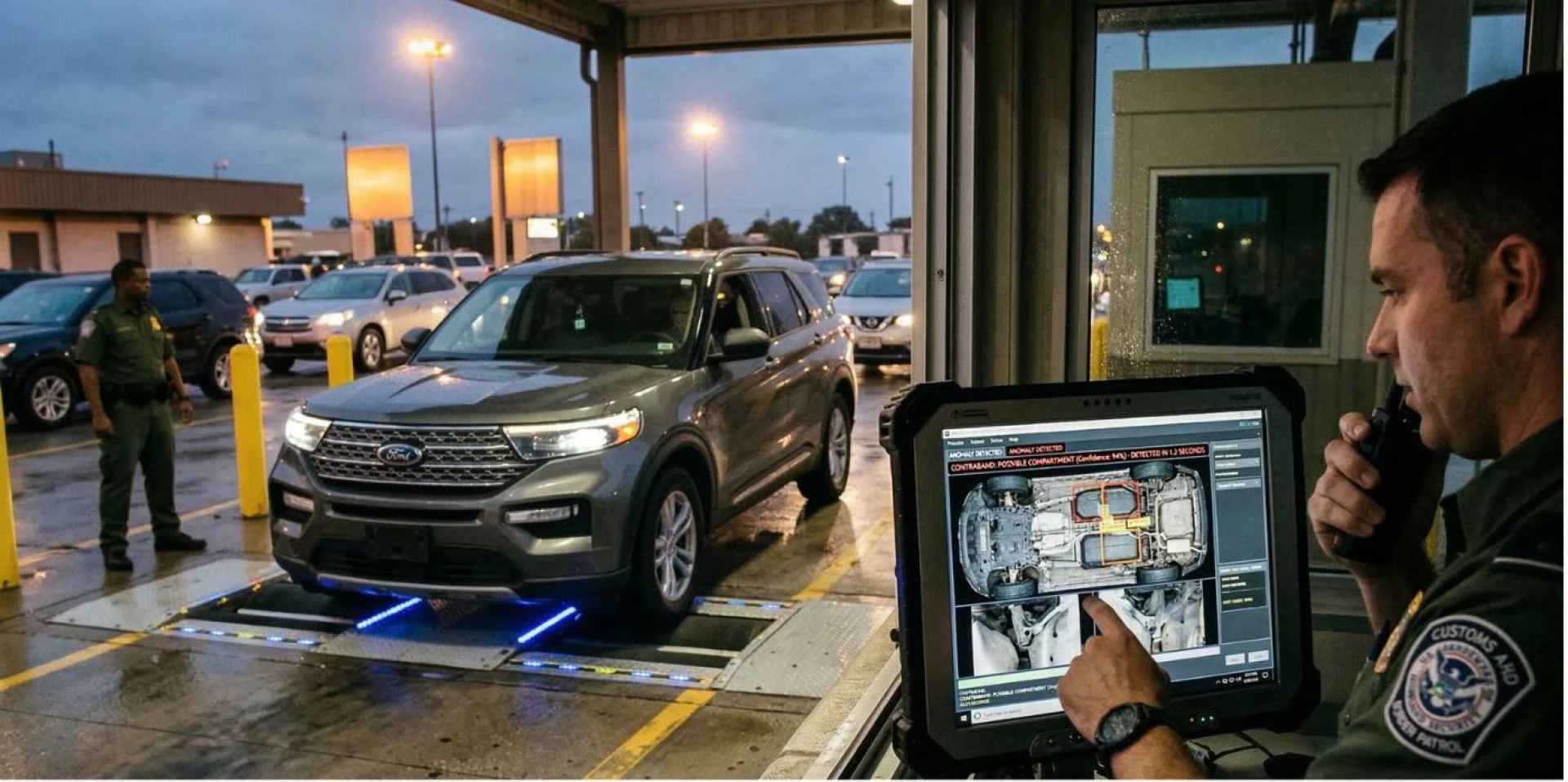
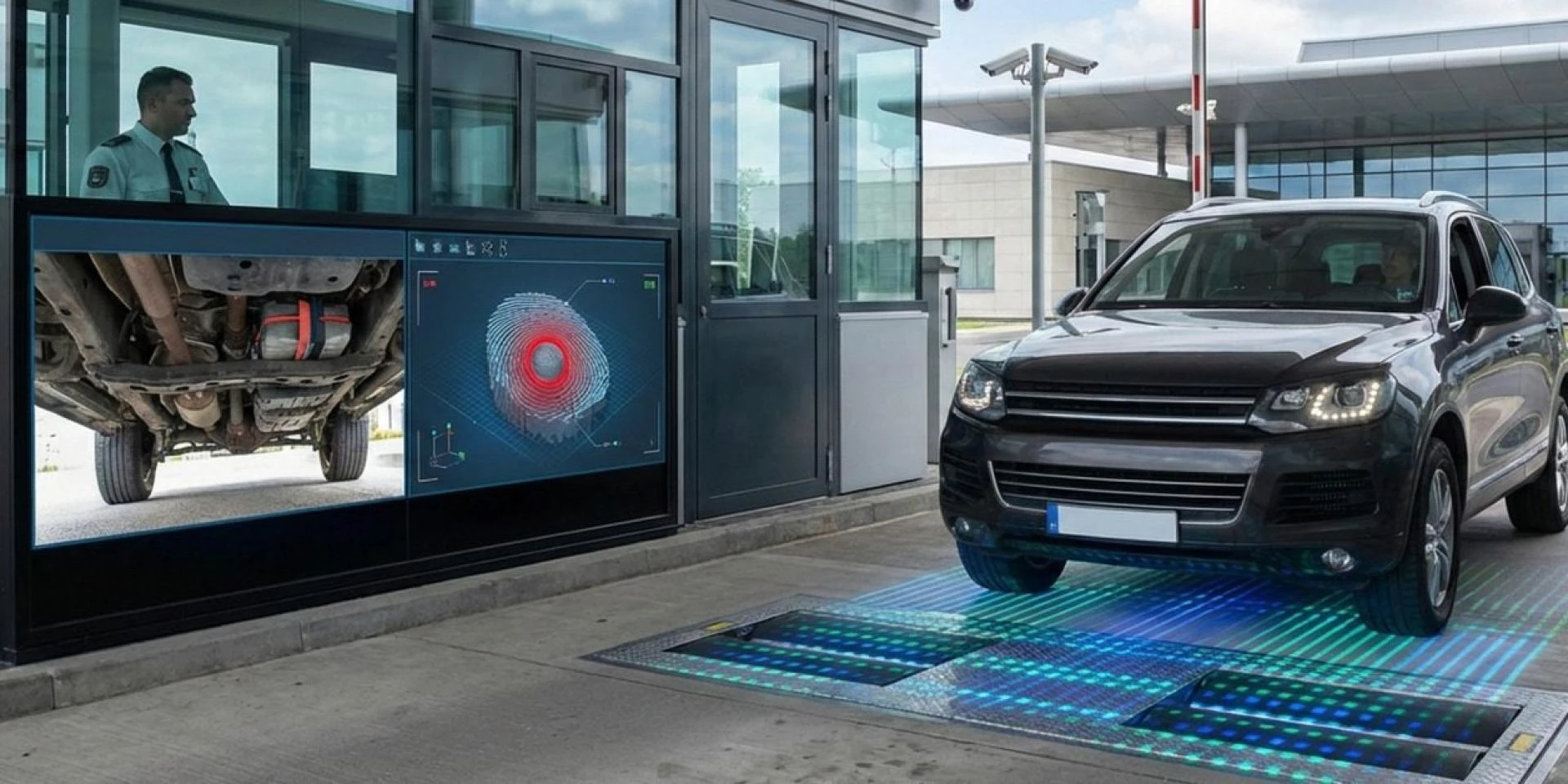
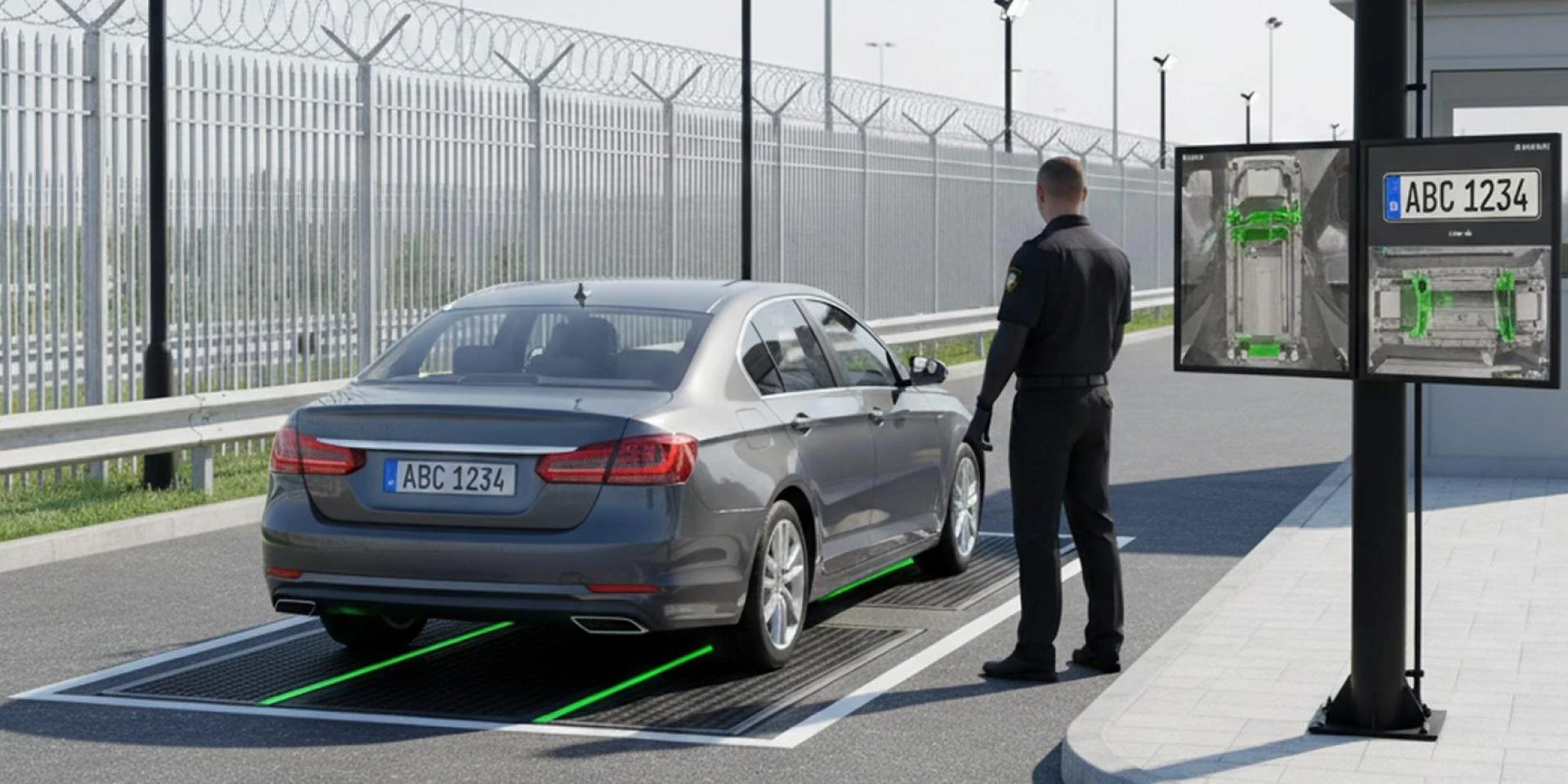
As a vehicle drives over the scanning platform, the system captures high-resolution images of the entire undercarriage within seconds. These images are instantly displayed on monitoring screens, giving security personnel a clear and detailed view of areas that would normally be difficult to inspect.
Real-time imaging enables security teams to detect suspicious objects, structural modifications, or foreign attachments beneath vehicles. Because the images appear instantly, operators can respond immediately if something unusual is detected.
This capability significantly strengthens perimeter control by ensuring that every vehicle undergoes a thorough inspection before entering a secure area.
Strengthening Security With Automated Inspection Systems
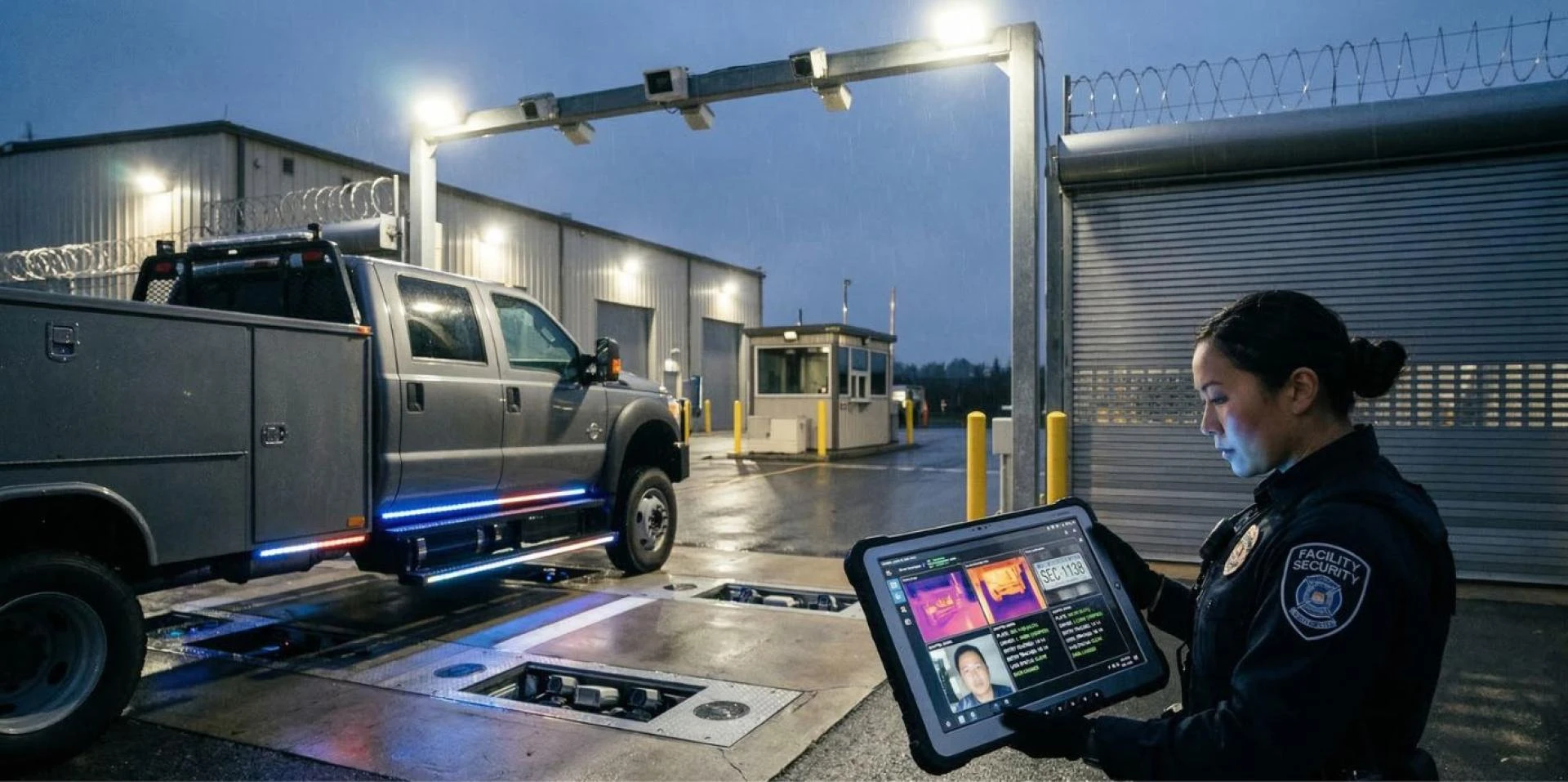
To further enhance vehicle inspection capabilities, many facilities in the UAE are deploying technologies such as UVSS to automate undercarriage monitoring. These systems capture detailed images of the underside of vehicles as they pass through security checkpoints.
The images are processed and displayed in real time, allowing security operators to review them quickly and identify potential threats. Some systems also include software features that highlight unusual objects or differences compared to previous vehicle scans.
Automated inspection systems provide several advantages over traditional manual checks. They ensure that every vehicle receives consistent inspection, eliminate the need for physical searches, and reduce the chances of human error.
By combining automation with human oversight, facilities can achieve a much higher level of security reliability.
Supporting Efficient Traffic Flow at Security Gates
One of the biggest challenges in perimeter security is balancing thorough inspection with operational efficiency. Many secure facilities handle large volumes of vehicles throughout the day, including employee cars, delivery trucks, maintenance vehicles, and visitor transportation.
If inspection procedures take too long, traffic congestion can quickly build up at entry gates. This not only causes inconvenience but can also disrupt operations inside the facility.
Real-time undercarriage inspection technologies help solve this problem by allowing vehicles to be scanned while they move through checkpoints. Because the process takes only a few seconds, traffic continues to flow smoothly without compromising security standards.
This efficiency is especially valuable for busy facilities such as airports, logistics hubs, industrial plants, and government complexes.
Improving Monitoring and Record Keeping
Another advantage of modern undercarriage inspection systems is their ability to store digital records. Each vehicle scan can be saved in a database along with timestamps and other relevant information.
These records allow security teams to review past vehicle entries, compare scans, and identify unusual patterns. If a security incident occurs, stored data can assist in investigations by providing visual evidence of vehicles that entered the facility.
Digital record keeping also helps organizations maintain compliance with security policies and audit requirements.
The Future of Perimeter Security in the UAE
The UAE is well known for embracing technological innovation, and its security infrastructure continues to evolve alongside global advancements. Future perimeter control systems are expected to integrate artificial intelligence, automated anomaly detection, and centralized monitoring platforms.
These technologies will allow security teams to analyze large volumes of inspection data more efficiently and detect potential threats faster. Real-time alerts, predictive analytics, and integrated surveillance networks will further strengthen facility protection.
As security challenges become more complex, adopting advanced inspection technologies will be essential for maintaining effective perimeter control.
Conclusion
Real-time undercarriage insights are playing an increasingly important role in strengthening perimeter security across the UAE. Traditional inspection methods alone are no longer capable of addressing the growing complexity of modern security threats.
Advanced imaging technologies and automated inspection systems allow security teams to monitor vehicles quickly, accurately, and consistently. By providing detailed views of the vehicle undercarriage, these solutions help detect hidden threats before they enter sensitive facilities.
For organizations responsible for protecting critical infrastructure, implementing modern vehicle inspection technologies is a key step toward building stronger and more reliable perimeter security systems.


























Sign in to leave a comment.