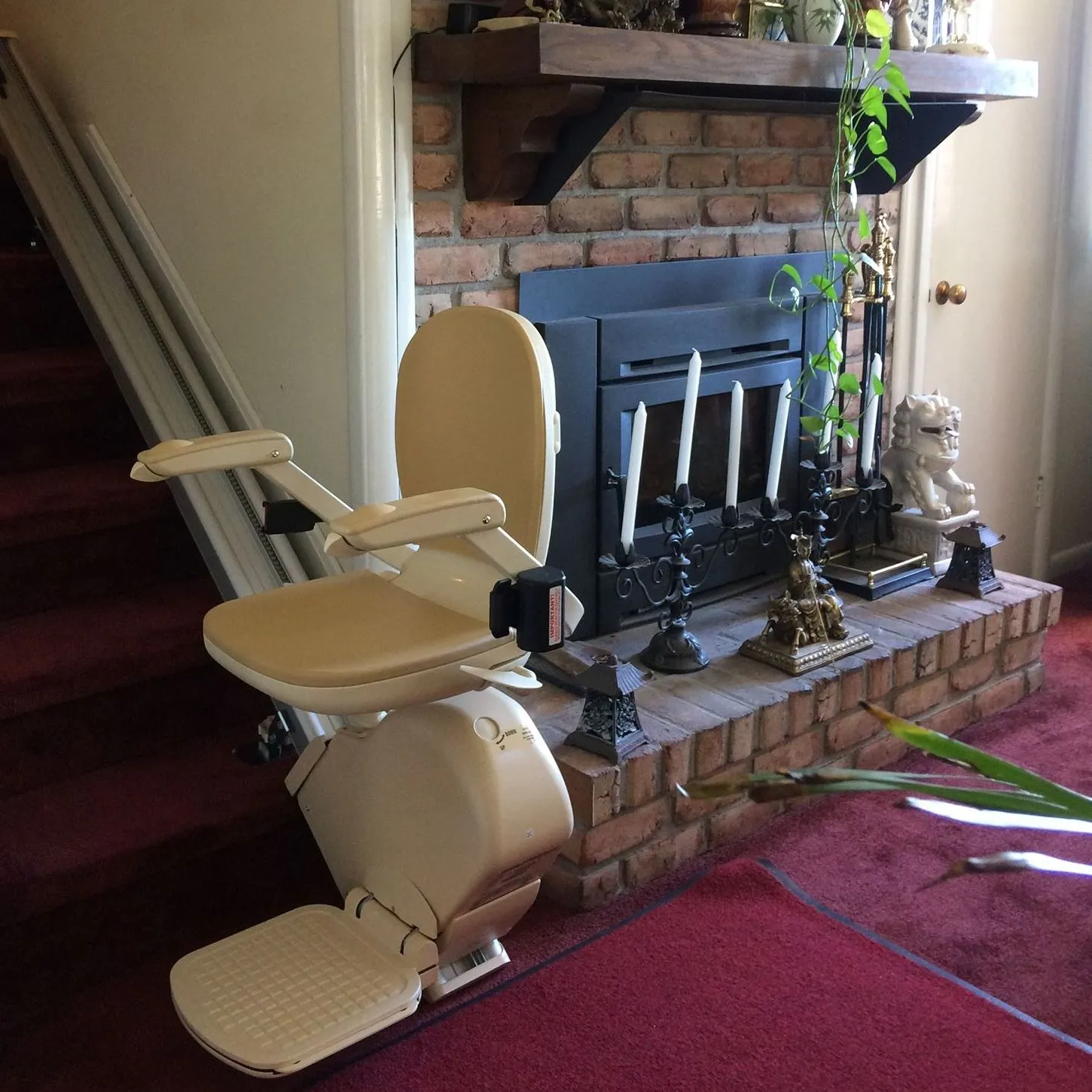

So your stairlift has done its job, and now it is sitting unused. Maybe a loved one has moved into a care facility, or their mobility has improved enough that the lift is no longer needed. Whatever the reason, you are now wondering how to sell used stairlift equipment and actually get a fair return on it.
The good news is that demand for secondhand stairlifts is real and growing. Many families cannot afford a brand-new unit, and a well-maintained used lift gives them an affordable path to mobility and independence. That means there is a ready market for sellers who approach the process the right way.
Here is exactly how to do it.
Start by Assessing What You Have
Before you list anything, take a proper look at your unit. Know the brand, model number, and approximate age. Check the rail for rust or damage. Test the motor, the seatbelt, the remote controls, and the charging points. Make sure the seat moves smoothly along the entire length of the rail without hesitation or noise.
Write all of this down. Buyers will ask, and having clear answers ready builds trust immediately.
Also check whether your stairlift is a straight-rail or curved-rail model. This matters a lot for resale. Straight-rail units are universally adaptable and far easier to sell. Curved units are custom-built for a specific staircase, which limits your buyer pool significantly. Knowing this upfront helps you set realistic expectations on price and timeline.
Gather Documentation and Service Records
One of the easiest ways to increase the value of a used stairlift is to show its history. If you have the original purchase receipt, the warranty documents, or any service records from annual maintenance visits, pull them together before you list the unit.
Buyers feel much more confident paying a fair price when they can see that the lift was regularly serviced and properly maintained. It removes the guesswork and reduces their concern about hidden problems.
If you do not have formal service records, a recent inspection by a qualified technician can serve the same purpose. Have someone check it over, get a written confirmation that it is in good working order, and include that with your listing. It is a small investment that can meaningfully improve what someone is willing to pay.
Clean and Prepare the Unit
Presentation matters, even for a mobility device. Wipe down the rail, clean the seat upholstery, and make sure the unit looks well cared for. If the armrests are scuffed or the seat cover is visibly worn, consider whether a simple replacement is worth it.
You do not need to make it look brand new. But it should look like something the previous owner took care of. A clean unit photographs better, attracts more inquiries, and gives buyers less reason to negotiate the price down.
Set a Realistic and Competitive Price
Pricing is where many sellers either leave money on the table or price themselves out of the market entirely. Do some research before you decide on a number.
Search for similar units online. Look at what other people are asking for the same brand and model in comparable condition. A straight-rail unit from a well-known brand that is under five years old and well maintained can reasonably sell for 30 to 50 percent of its original retail price.
Older units, curved rails, or those with visible wear typically land closer to 10 to 25 percent of original cost. Be honest with yourself about where your unit falls in that range.
Also factor in whether installation is included. Buyers who get help with installation are often willing to pay more upfront because they know the total cost will still come out lower than buying new.
Choose the Right Selling Channels
Where you list your stairlift has a direct impact on how quickly it sells and what you get for it. Here are the most effective options.
Local classified platforms like Facebook Marketplace and Craigslist are great starting points. Stairlifts are bulky and require local installation, so most buyers will be within driving distance anyway. Listing locally saves on shipping logistics and makes the whole process easier for both sides.
Online marketplaces that specialize in mobility equipment are another strong option. These platforms attract buyers who are already looking for used chair lifts, which means you are not wasting time with unqualified inquiries.
Contacting mobility equipment dealers directly is also worth considering. Some dealers buy used units outright and refurbish them for resale. You may get a lower price this way, but the sale is quick and hassle-free. If speed matters more than maximizing return, this is a solid route.
Senior care networks, community bulletin boards, and occupational therapy clinics can also help you reach the right audience. Word-of-mouth within these communities is surprisingly effective.
Write a Listing That Actually Sells
A vague listing gets ignored. A detailed, honest listing gets responses.
Include the brand and model, the age of the unit, the type of staircase it fits, the weight capacity, all features included, and the condition of each component. Mention any service history you have. State clearly whether you are offering installation support or selling the unit only.
Add photos from multiple angles. Show the seat, the rail, the controls, and the base of the unit. Good photos make a bigger difference than most sellers expect.
Keep your description straightforward and honest. Buyers appreciate transparency, and it reduces the back-and-forth before a sale is agreed.
Think About the Bigger Picture
Selling used stairlifts is part of something larger than a single transaction. When mobility equipment changes hands rather than ending up in a landfill, it benefits both the seller and a family in need.
This kind of sustainable approach to home goods is gaining real momentum. Cities like Philadelphia are seeing more businesses and individuals lean into this mindset. If you are curious about how that shift is playing out locally, this piece on sustainable home living and the circular economy in Philadelphia offers an interesting look at the trend.
Selling your stairlift rather than discarding it fits right into that picture.
Handle the Removal and Handover Properly
Once you find a buyer, agree clearly on who handles removal and installation. In most cases, a qualified technician should uninstall the unit from your home and reinstall it at the buyer's property. This protects both parties and ensures the lift operates safely in its new location.
Keep the process professional. Provide all original parts, remotes, and documentation at handover. A smooth experience leaves both buyer and seller satisfied and reduces the chance of any disputes afterward.
Final Thoughts
Selling used stair lifts does not have to be complicated. Assess the unit honestly, gather any documentation you have, clean it up, price it fairly, and list it where the right buyers are looking. Those steps alone put you well ahead of most sellers in this market.
The demand is there. A thoughtful approach to selling used stair lifts means you recover real value from a piece of equipment that still has plenty of life left in it, and you help another family gain mobility in the process.
That is a good outcome for everyone involved.






























Sign in to leave a comment.