

Introduction
Summer in India is not just warm; in many places, it becomes long, intense, and draining. From dry heat in north India to humid coastal weather, the body often works harder to stay cool. That is one reason hydration becomes so important in summer, even for people who do not spend much time outdoors. Many people underestimate how quickly fluid loss can build up through sweat, daily movement, and exposure to heat. By the time thirst becomes obvious, the body may already need more water.
The importance of hydration in summer goes beyond “drinking more water.” It is about keeping the body’s temperature under control, supporting digestion, helping concentration, and replacing fluids and salts lost during the day. For students in class, office workers sitting in air-conditioned rooms, elderly individuals, and people exercising outdoors, hydration often becomes a quiet but essential part of feeling well in hot weather.
Why Hydration Matters More During Summer
When the temperature rises, the body cools itself by sweating. Sweat helps release heat, but it also leads to a loss of water and electrolytes such as sodium, chloride, and potassium. These fluids and minerals help the body function properly, including supporting circulation, muscle activity, and normal nerve function. That is why hydration is not only about avoiding thirst; it is also about maintaining balance inside the body.
In summer, dehydration can happen more easily because heat increases fluid loss, and people may not always notice how much they are sweating. Outdoor travel, household chores, commuting, sports, and even long hours in a warm room can add to the body’s need for water. Drinking enough fluids can help the body manage heat more effectively and may reduce the risk of heat-related discomfort.
Common Signs of Dehydration
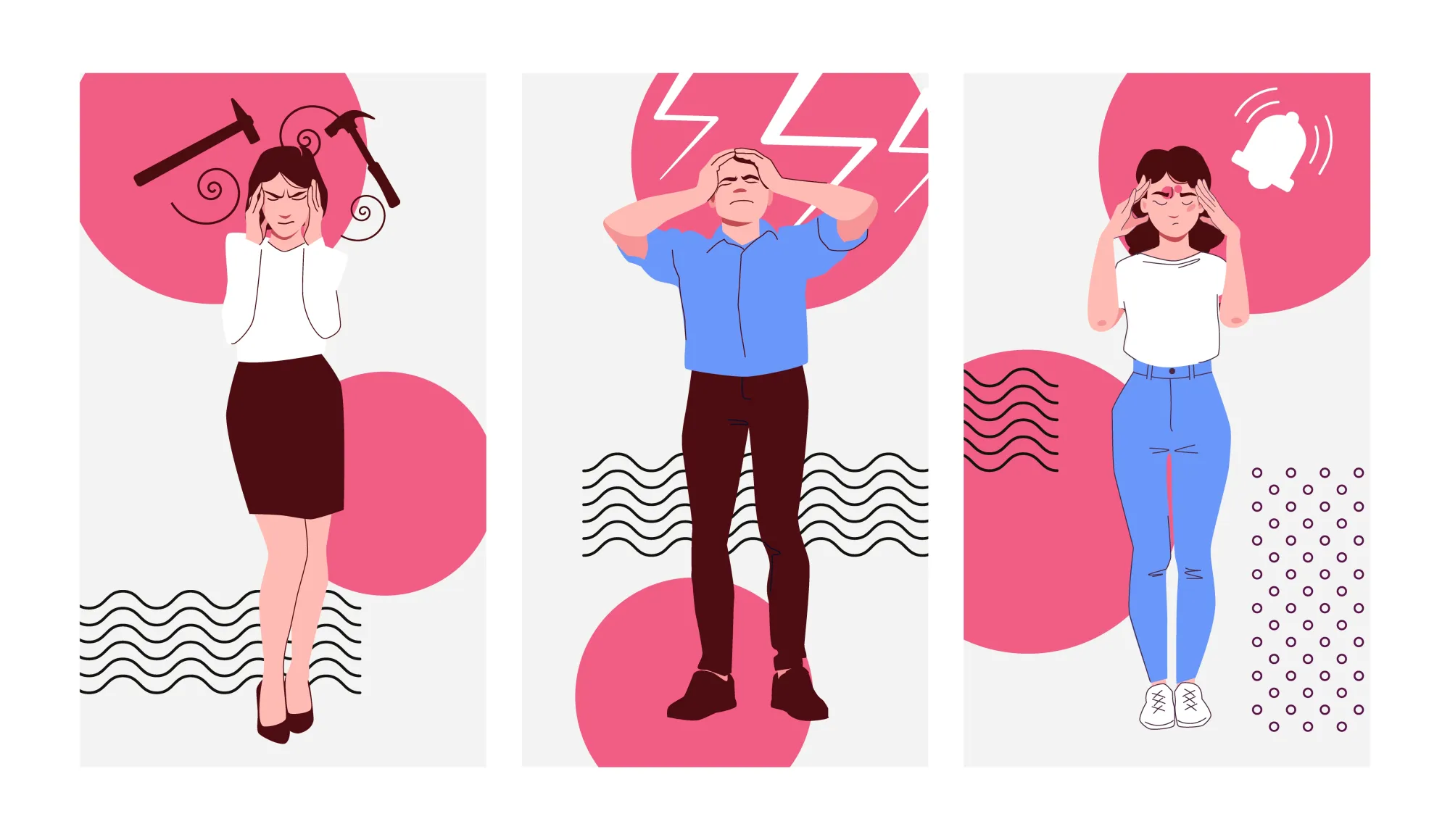
The summer dehydration symptoms people notice most often are usually simple, but they should not be ignored. Fatigue is one of the earliest signs because the body is under extra strain when fluid levels are low. Headaches may also appear, along with dizziness or lightheadedness, especially after being in the heat.
Other common signs include a dry mouth, dry lips, and darker urine. Many health sources also suggest checking urine color: pale yellow usually indicates better hydration, while dark yellow urine may suggest you need more fluids. Reduced concentration, irritability, and a general sense of low energy can also show up when the body is not well hydrated.
Health Risks of Poor Hydration
Poor hydration can make hot weather feel much harder to manage. One common concern is heat exhaustion, which is often linked to excessive fluid and salt loss through sweating. Signs may include headache, weakness, nausea, heavy sweating, thirst, and dizziness. This does not mean every tired summer day is heat exhaustion, but it does mean hydration plays a meaningful role in keeping the body comfortable during heat.
Low fluid intake may also affect everyday energy levels, digestion, and physical performance. When the body is short on water, people may feel sluggish, find exercise harder, or struggle to stay focused at work or school. In older adults, thirst may be less noticeable, so dehydration may develop without much warning. That is why hydration needs often deserve extra attention during summer.
How Much Water Do You Really Need?
There is no single universal amount that suits everyone. Hydration needs vary depending on weather, activity level, age, body size, diet, and whether a person is sweating more than usual. Someone doing outdoor work in extreme heat will generally need more fluids than someone who spends most of the day indoors. Children, older adults, and people recovering from illness may also need closer attention to fluid intake.
A practical approach is to watch thirst, urine color, and energy levels rather than relying only on a fixed number. Many health sources suggest that light-yellow urine and regular fluid intake through the day are good signs of adequate hydration. In hot weather, it often helps to drink before you feel very thirsty rather than waiting until discomfort begins.
Best Ways to Stay Hydrated in Summer
Drink Water Consistently Throughout the Day
One of the most effective hydration tips for hot weather is simple: sip water regularly instead of trying to catch up all at once. Keeping a bottle nearby can help students, office workers, and people on the move remember to drink more often. Consistent intake is especially useful because thirst is not always the earliest signal of dehydration.
Include Electrolytes When Needed
Water is usually enough for everyday hydration, but electrolyte replacement can become helpful if you are sweating heavily, exercising for long periods, or recovering from fluid loss. Electrolytes help replace salts lost through sweat. In some situations, oral rehydration solutions or other electrolyte drinks may be useful, especially when sweating is heavy or when dehydration symptoms appear along with weakness or headache.
Eat Water-Rich Foods
Hydration does not come only from drinks. Fruits and vegetables with high water content can support fluid intake in a simple, everyday way. Meals that include cucumber, watermelon, oranges, tomatoes, curd, and soups can add useful fluids, especially in summer when appetite may feel lower and heavy meals may feel uncomfortable.
Limit Excess Sugary or Caffeinated Drinks
Sugary drinks may add calories without supporting balanced hydration as well as water does. Caffeinated drinks and alcohol can also make hydration more difficult for some people, especially when consumed in large amounts or in hot weather. For regular summer hydration, plain water and light, unsweetened fluids are usually the better everyday choice.
Stay Hydrated During Outdoor Activities
Outdoor activity in Indian summer can raise fluid loss quickly, even for people who are normally active. Carrying water, taking short breaks, and avoiding long exposure to heat can help support hydration. If a person begins to feel dizzy, weak, or unusually fatigued, it is sensible to rest in a cooler place and drink fluids.
Best Summer Drinks to Stay Hydrated Naturally in India
In addition to water, several hydration solutions are commonly used in India to support fluid balance during hot weather. These options can be useful depending on individual needs and situations.
1. ORS (Oral Rehydration Solution)
ORS is one of the most trusted hydration solutions available in India. It is widely used for managing dehydration caused by heat, diarrhea, or illness. It is recommended by healthcare professionals because of its scientifically balanced formulation.
What it is
A carefully measured combination of glucose and essential electrolytes such as sodium and potassium, designed to support fluid absorption in the body.
How it helps
ORS works by improving the absorption of water in the intestines through a sodium-glucose transport mechanism. This allows the body to recover lost fluids more efficiently compared to plain water alone. It also helps restore electrolyte balance, which is crucial for maintaining normal body functions.
When to use
- Heat exhaustion or prolonged sun exposure
- Loose motions or diarrhea
- Vomiting and fluid loss
- General dehydration and weakness
Who can use it
Suitable for children, adults, and elderly individuals when used as directed. It is one of the most commonly recommended ORS drink India options for both home care and clinical use.
2. Ready-to-Drink ORS
Ready-to-drink ORS solutions are designed for convenience and immediate use. They eliminate the need for mixing and are especially helpful in situations where quick hydration is required.
What it is
A pre-mixed liquid form of oral rehydration solution, available in sealed bottles.
How it helps
It provides the same electrolyte balance as traditional ORS sachets but reduces the risk of incorrect preparation. This ensures consistent and reliable hydration support.
When to use
- During travel or commuting
- After exposure to high temperatures
- When immediate hydration is needed without preparation
Who can use it
Ideal for busy individuals, caregivers, and elderly people who may find it difficult to prepare ORS manually. It is also useful in situations where quick access to hydration is needed.
3. Glucose Powder Drinks
Glucose powder for hydration is a widely used option in India, especially during summer months when fatigue and low energy levels are common.
What it is
A fast-absorbing carbohydrate drink mix that is dissolved in water to provide energy and hydration support.
How it helps
Glucose provides immediate energy to the body and may help reduce feelings of tiredness and weakness. It can also encourage fluid intake due to its mild sweetness and taste.
When to use
- After physical activity or outdoor work
- During mild fatigue or low energy
- In cases of light dehydration
Who can use it
General users looking for quick refreshment and energy support. However, it should not be considered a substitute for ORS in cases of medical dehydration, as it lacks a complete electrolyte profile.
4. Electrolyte Powder Mixes
Electrolyte powder mixes are among the most commonly used pharmacy hydration drinks in India, especially during extreme heat and high physical activity.
What it is
A powdered formulation containing essential electrolytes that can be mixed with water.
How it helps
These drinks help replenish minerals lost through sweating, supporting hydration, muscle function, and overall energy levels. They are particularly useful when fluid loss is accompanied by salt loss.
When to use
- Heavy sweating due to heat
- Outdoor work or long exposure to sun
- Exercise or physically demanding activities
Who can use it
Active individuals, outdoor workers, and people exposed to high temperatures. These electrolyte drinks India consumers use are practical for maintaining hydration during daily routines.
5. Effervescent Hydration Tablets
Effervescent tablets offer a modern and convenient way to stay hydrated. They are easy to carry and simple to use, making them suitable for urban lifestyles.
What it is
A dissolvable tablet that releases electrolytes into water, creating a fizzy drink.
How it helps
It provides a measured amount of electrolytes and encourages fluid intake due to its refreshing taste and ease of preparation.
When to use
- During travel or office hours
- For light dehydration
- As a daily hydration support option
Who can use it
People who prefer portable and easy-to-use hydration solutions. These are especially useful for those who may forget to hydrate regularly.
Hydration Tips for Different Age Groups
Children
Children may not always notice thirst early, especially when they are busy playing. In summer, they should be encouraged to drink small amounts often, particularly before and after outdoor play. Water, milk, and water-rich foods can all contribute to hydration in age-appropriate ways. Parents should also watch for tiredness, dry mouth, or reduced urination.
Working Adults
Working adults often underestimate dehydration because they are focused on deadlines, commuting, and long screen time. A useful habit is to keep water visible on the desk, drink before meetings, and add fluids around workouts or travel. People who work outdoors or in hot environments may need to be even more deliberate because sweat losses can build up during the day.
Elderly Individuals
Older adults are more likely to miss early thirst signals, so hydration often needs to be planned rather than left to feeling thirsty. Regular small sips through the day, water with meals, and attention to urine color can help. During heatwaves, older adults are especially important to monitor because high temperatures can be harder to tolerate.
Common Hydration Mistakes to Avoid
One common mistake is drinking water only when thirst becomes strong. Thirst is useful, but it is not always an early warning sign, especially in older adults or busy people who ignore it. A better approach is to build hydration into the day, just like meals or sleep.
Another mistake is ignoring electrolyte loss when sweating is heavy. Water helps, but in some cases fluids alone may not fully address what the body has lost. A third mistake is relying too much on sugary beverages, which may not support healthy hydration habits as well as plain water and water-rich foods do.
Conclusion
The importance of hydration in summer is easy to overlook until fatigue, headaches, or low energy start affecting daily life. In reality, good hydration is one of the simplest preventive health habits for hot weather. It can help the body manage heat, support concentration, and reduce the chance of feeling drained during normal routines. For those looking to maintain consistent hydration, reliable healthcare providers like One Bharat Pharmacy can also be a helpful resource for electrolyte solutions and wellness essentials during peak summer months.
The best answer to how to stay hydrated in summer is not complicated: drink water consistently, add electrolytes when needed, eat water-rich foods, and pay attention to early signs of dehydration. With small, steady habits, hydration can become an easy part of daily wellness throughout the hottest months.
























Sign in to leave a comment.