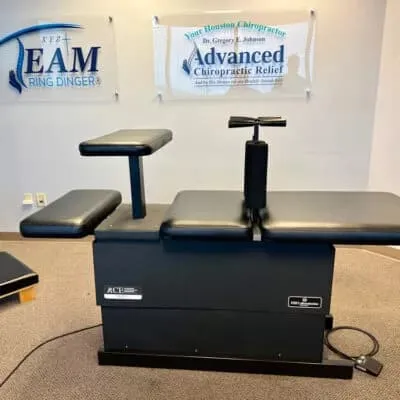

A chiropractic roller table is a specialized therapy table designed to support spinal care and muscular relaxation through gentle rolling motions. Chiropractors often use this equipment to prepare the body before manual adjustments or as a standalone therapy for patients experiencing discomfort. The rolling mechanism of a chiropractic roller table moves along the spine in a controlled rhythm, helping reduce muscle tension and improve flexibility. Many patients find the treatment soothing because it combines movement with pressure relief in a noninvasive way. The table is commonly used in chiropractic clinics to support spinal alignment and encourage better posture. It can be beneficial for people dealing with stiffness, muscle tightness, and everyday physical stress. By promoting relaxation in the muscles surrounding the spine, the therapy may help improve the effectiveness of chiropractic care.
How a Chiropractic Roller Table Works
Gentle Rolling Motion Along the Spine
The rolling mechanism inside a chiropractic roller table moves beneath the surface of the table while the patient lies comfortably on top. The rollers travel up and down the back in a smooth and consistent motion that applies mild pressure to spinal muscles and tissues. This movement is intended to stretch and mobilize the spine without causing discomfort. Chiropractors adjust the speed and intensity based on the patient’s condition and comfort level. The rhythmic action can improve circulation and help loosen tight muscles that restrict movement. Many patients describe the sensation as relaxing and therapeutic because it mimics a gentle massage. The controlled movement supports spinal flexibility while reducing tension in the surrounding muscles.
Supporting Spinal Alignment
One of the key purposes of a chiropractic roller table is to assist in maintaining proper spinal alignment. When muscles become tight or imbalanced, they can place stress on the spine and contribute to discomfort. The rolling action helps relax these muscles, allowing the spine to move more naturally and efficiently. Chiropractors often use the table before adjustments because relaxed muscles can make manual spinal corrections easier and more comfortable. Improved spinal mobility may also support better posture and reduce pressure on joints. Patients with sedentary lifestyles often benefit from this therapy because prolonged sitting can contribute to spinal stiffness. Over time, regular sessions may help support healthier spinal function and improved movement patterns.
Benefits of Using a Chiropractic Roller Table
Relief From Muscle Tension
Muscle tension is one of the most common reasons patients seek chiropractic care. The gentle rolling action of a chiropractic roller table can help reduce tightness in the back, shoulders, and hips. By relaxing the muscles, the therapy may relieve discomfort caused by stress, poor posture, or repetitive movement. The rolling motion encourages blood flow to affected areas, which may help support recovery and reduce stiffness. Patients who experience chronic muscle tightness often report feeling more relaxed after treatment sessions. Because the therapy is gentle, it can be suitable for individuals who are sensitive to more aggressive treatment methods. Regular use may contribute to improved comfort and greater ease of movement throughout daily activities.
Improved Flexibility and Mobility
Flexibility plays an important role in maintaining healthy movement and reducing strain on the body. A chiropractic roller table helps stretch muscles and tissues around the spine, which may improve overall mobility. The rolling motion encourages the spine to move in a smoother and more natural way. Patients who struggle with stiffness often notice increased flexibility after consistent therapy sessions. Better mobility can support daily activities such as walking, bending, and lifting without discomfort. Chiropractors may combine roller table therapy with stretching exercises to further enhance movement. Improved flexibility can also help reduce the risk of future strain or injury caused by restricted motion.
Enhanced Relaxation and Stress Reduction
Stress often contributes to physical tension and discomfort in the body. The soothing motion of a chiropractic roller table creates a calming experience that helps patients relax during treatment. As muscles loosen and circulation improves, the body may respond with a greater sense of comfort and ease. Relaxation is important in chiropractic care because tense muscles can interfere with spinal adjustments and healing. Many patients find that therapy sessions provide mental relaxation in addition to physical benefits. Reduced stress levels may contribute to better sleep quality and improved overall wellness. The calming nature of the therapy makes it appealing for individuals seeking gentle and supportive spinal care.
Conditions Commonly Treated With Roller Table Therapy
Lower Back Pain
Lower back discomfort affects many individuals due to posture issues, repetitive movement, or prolonged sitting. Chiropractors often use a chiropractic roller table to help relieve tension in the lower back muscles and improve spinal mobility. The rolling motion can gently stretch the lumbar area while promoting circulation to tight tissues. This therapy may help reduce stiffness and improve comfort during movement. Patients who experience chronic lower back strain often benefit from regular treatment sessions. Chiropractors may also combine roller table therapy with spinal adjustments and exercises for better long term results. The gentle approach makes it suitable for patients looking for a noninvasive treatment option.
Neck and Shoulder Tension
Tension in the neck and shoulders is commonly linked to stress, poor posture, and extended computer use. The rolling action of the table can help relax the upper back muscles that contribute to neck discomfort. As these muscles loosen, patients may experience reduced tightness and greater range of motion. Improved circulation in the upper body can also help relieve feelings of stiffness and fatigue. Chiropractors often use the therapy as part of a broader treatment plan focused on posture correction and spinal health. Patients frequently report feeling lighter and more comfortable after sessions. Consistent therapy may help manage recurring tension caused by daily habits and work related strain.
Sciatica and Nerve Related Discomfort
Sciatica occurs when pressure or irritation affects the sciatic nerve, often causing pain that travels through the lower back and legs. A chiropractic roller table may help by reducing muscle tightness and improving spinal mobility around the affected area. Relaxed muscles can decrease pressure on irritated nerves and support more comfortable movement. Chiropractors use careful adjustments to ensure the therapy remains gentle and appropriate for the patient’s condition. Improved circulation and flexibility may also contribute to reduced discomfort over time. Roller table therapy is often combined with other chiropractic techniques to support recovery and mobility. Patients with mild to moderate symptoms may experience relief through consistent treatment sessions.
The Role of Roller Tables in Modern Chiropractic Care
A Complement to Manual Adjustments
Chiropractors frequently use a chiropractic roller table as a supportive therapy before or after spinal adjustments. Relaxed muscles can make adjustments more comfortable and effective because the body is less resistant to movement. The table helps prepare the spine by improving flexibility and reducing tension in surrounding tissues. After adjustments, the therapy may help maintain relaxation and encourage recovery. This combination approach allows chiropractors to provide a more comprehensive treatment experience. Patients often appreciate the gentle nature of roller table therapy because it complements hands on chiropractic techniques. The integration of both methods can contribute to improved treatment outcomes and patient satisfaction.
Supporting Holistic Wellness
Modern chiropractic care often focuses on whole body wellness rather than addressing symptoms alone. A chiropractic roller table fits within this philosophy by promoting relaxation, circulation, and spinal support. The therapy encourages patients to become more aware of posture, movement, and overall physical health. Chiropractors may recommend lifestyle changes, stretching routines, and exercise programs alongside roller table therapy. This broader approach helps patients maintain the benefits of treatment outside the clinic. Consistent spinal care can contribute to improved comfort, mobility, and daily function. The gentle and restorative nature of roller table therapy makes it a valuable addition to holistic chiropractic care.
What Patients Can Expect During Therapy
Comfortable and Noninvasive Treatment
During a session, patients usually lie fully clothed on the chiropractic roller table while the rollers move beneath them. The treatment is generally comfortable and designed to create a relaxing experience. Chiropractors customize the settings according to the patient’s comfort level and therapeutic needs. Sessions may last several minutes depending on the treatment plan and condition being addressed. Most patients experience a soothing sensation similar to a light massage combined with gentle stretching. Because the therapy is noninvasive, it is often suitable for a wide range of patients. Many individuals leave sessions feeling relaxed, refreshed, and more mobile.
Consistency for Lasting Results
While some patients notice immediate relief after a single session, long term improvement often requires consistent care. Chiropractors develop personalized treatment plans based on the patient’s condition, lifestyle, and goals. Regular use of a chiropractic roller table may help maintain flexibility and reduce recurring tension. Patients are often encouraged to combine therapy with exercise, stretching, and posture improvement strategies. Consistency allows the body to adapt gradually and maintain healthier movement patterns. Over time, patients may experience improved spinal comfort and greater physical function. Following professional guidance can help maximize the benefits of chiropractic therapy.
Conclusion
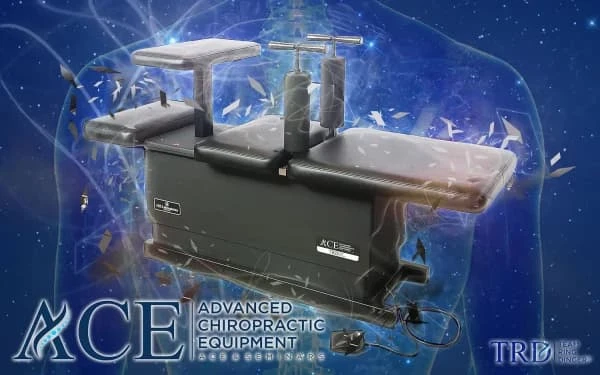
A chiropractic roller table plays an important role in modern spinal therapy by offering gentle support for relaxation, flexibility, and spinal health. Through controlled rolling movements, chiropractors can help patients reduce muscle tension, improve circulation, and enhance mobility in a comfortable and noninvasive way. The therapy is commonly used for conditions such as lower back discomfort, neck tension, and sciatica related pain. It also serves as a valuable complement to manual chiropractic adjustments by preparing the body for treatment and supporting recovery afterward. Patients often appreciate the calming nature of the therapy and its contribution to overall wellness. For clinics and professionals seeking high quality chiropractic equipment designed to support effective patient care, Advanced Chiropractic Equipment provides dependable solutions tailored to modern chiropractic practices.





























Sign in to leave a comment.