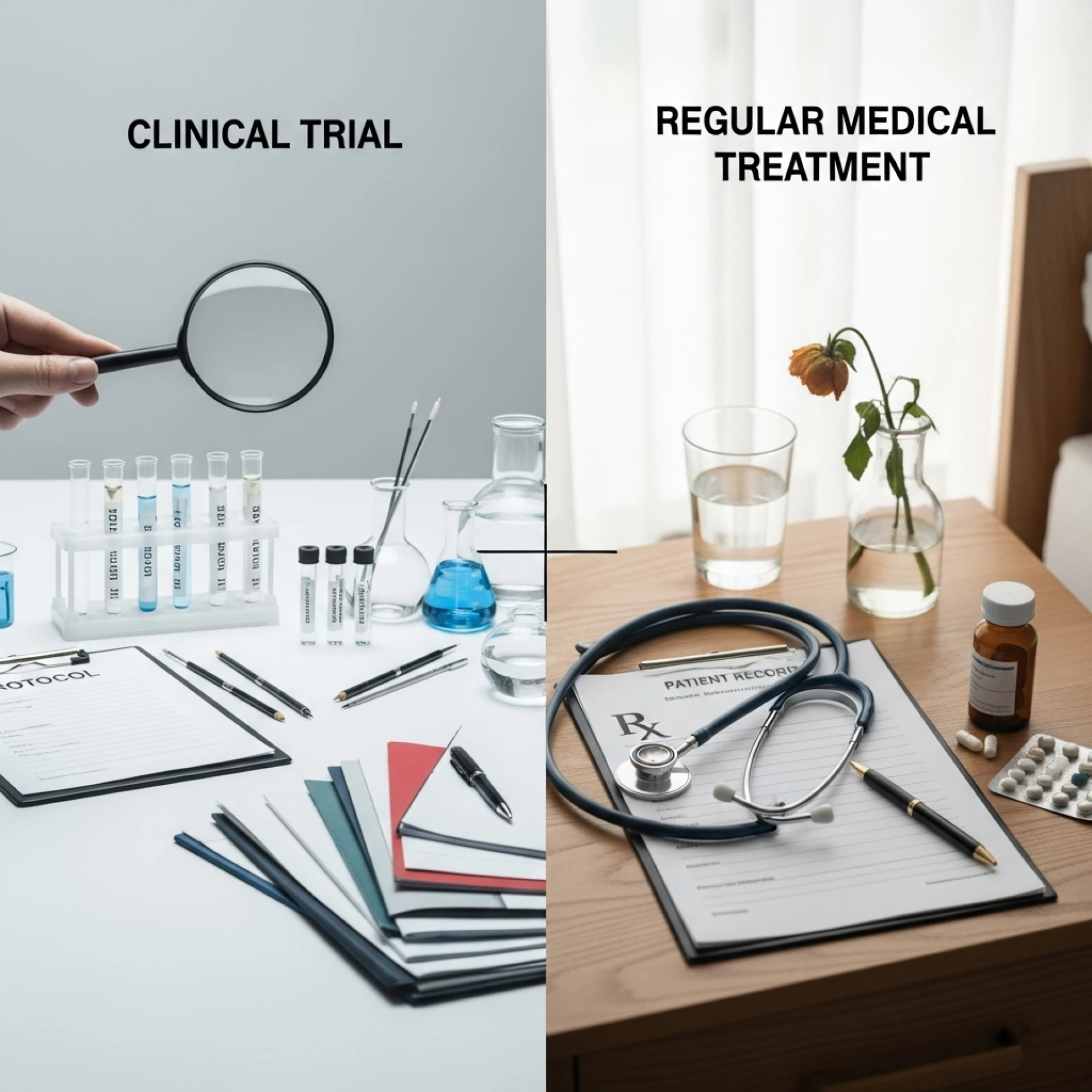

When someone gets sick, they usually visit a doctor, get diagnosed and receive a treatment plan based on medicines or therapies already proven to work this is called regular medical treatment but in some cases, doctors may suggest patients take part in something called a clinical trial. At first, it might seem similar but clinical trials are quite different from regular care. Understanding these differences is important especially for people who are curious about how new treatments are developed many students interested in healthcare or medicine often sign up for a clinical research course to learn how new treatments go through trials before they are approved for general use this helps them understand what happens behind the scenes in developing medicines.
Let explore how clinical trials stand apart from the medical treatments we receive in everyday life.
Purpose and Goal
The main goal of regular medical treatment is to help a patient feel better using known and approved methods. Doctors choose the best treatment based on the patient’s condition, age, medical history and what has worked in the past. These treatments are well studied and are considered safe for general use.
Clinical trials on the other hand, are designed to test whether a new drug, vaccine, device or method of treatment is safe and works as expected. The treatment being tested may not yet be approved for general use. It is still under study and researchers are gathering evidence to prove its effectiveness this is why clinical trials follow strict rules and are closely monitored at every step.
Because the treatment in a trial is still being tested doctors may not know all the risks or side effects this means people who take part in trials are helping researchers learn about the treatment not just receiving care. Before joining the research field, many people complete clinical research training to learn how to manage trials work with volunteers and handle data responsibly. These training programs are essential to ensure that research is carried out safely and ethically.
Choice and Participation
In regular treatment, the doctor makes most of the decisions and the patient follows the advice there is usually no paperwork apart from prescriptions and medical records. The process is simple go to the clinic, get treated and follow up if needed.
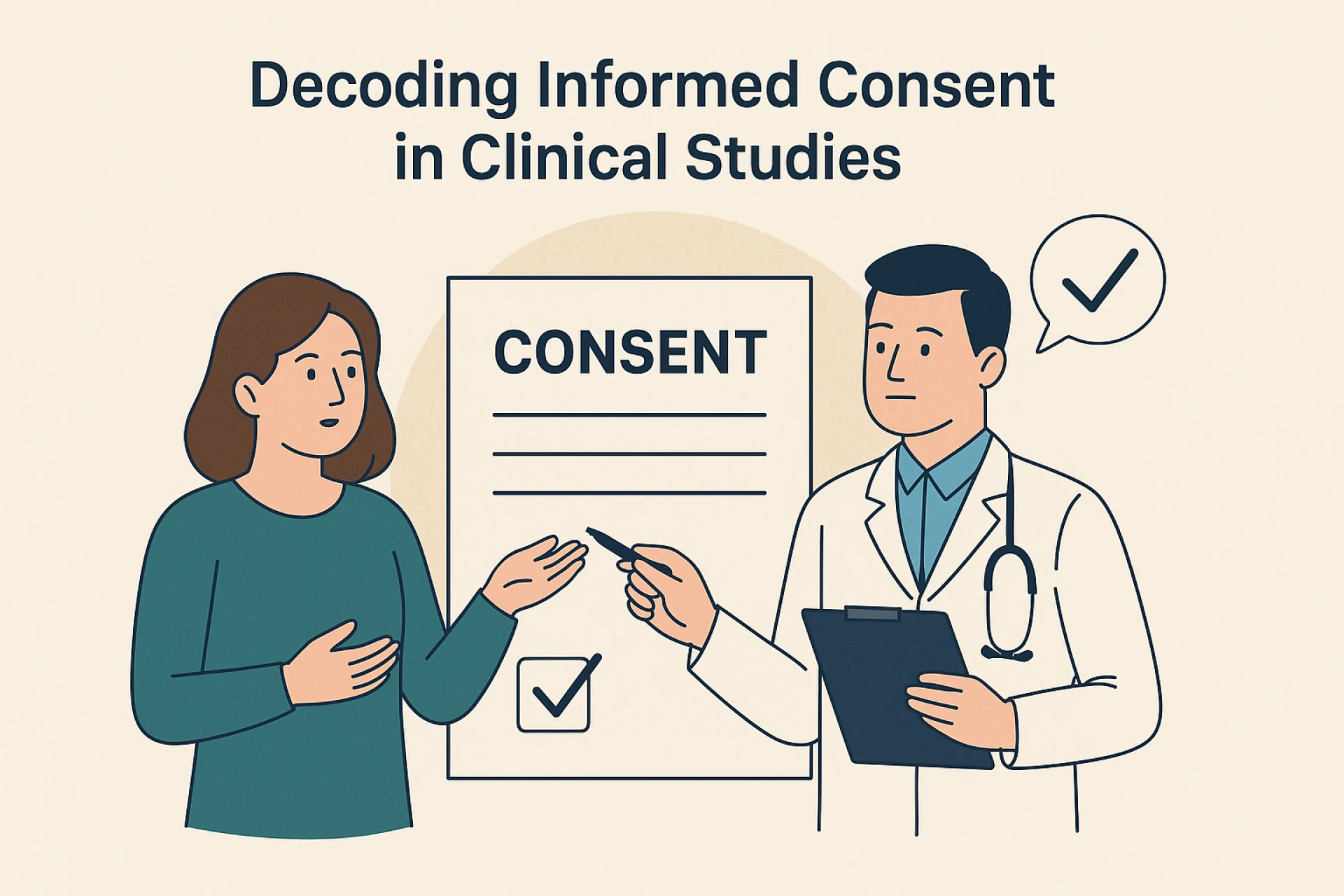
In a clinical trial, everything is more structured before joining a person has to give written consent after being fully informed about the trial purpose, process, possible risks and expected outcomes this is called informed consent. Participation is always voluntary and patients can leave the trial at any time.
Trials have set rules about who can and cannot take part these are called eligibility criteria. People are selected based on age, gender, type of illness and health condition. Not everyone who wants to join a trial may qualify.
The people managing trials such as coordinators, safety officers and data specialists often come from healthcare backgrounds. Many of them pursue a diploma in clinical research or choose to study through an online clinical research course to gain the necessary knowledge and skills.
Monitoring and Documentation
When you receive normal medical treatment your doctor may check your condition from time to time but not every detail is recorded unless needed. The focus is on recovery and regular care.
In a clinical trial, everything is documented from your blood pressure to how you feel after taking a tablet. These details help researchers understand how the new treatment affects different people monitoring is frequent and often involves regular check ups, lab tests and questionnaires.
Safety is a top concern in clinical trials if a person shows a bad reaction to the treatment it must be reported immediately. Trials follow guidelines approved by health authorities like the FDA or CDSCO and all reports are reviewed before a drug can move to the next phase of testing.
To do this properly, professionals often earn a certification in clinical research which helps them follow the correct safety practices and ethical guidelines. These certifications are proof that the person has been trained to work responsibly in medical research.
Outcome and Benefit
Regular medical care is expected to help the patient improve even if the illness cannot be cured the treatment is chosen to manage symptoms in the best possible way the goal is always to benefit the patient.
In clinical trials, there is no guarantee of benefit the medicine being tested might help, might not or could even cause harm this is explained to all participants before they join. While patients in trials may sometimes receive excellent care their participation is mainly meant to help research.
This is why clinical trials are not a replacement for regular treatment they are an option especially for patients who have tried other treatments without success or who are looking for new options. Working in this field can be meaningful and challenging many professionals begin their careers by studying at a clinical research institute where they learn not only about science but also about ethics, patient care and reporting methods.
Conclusion
Clinical trials and regular medical treatment serve different but equally important roles regular care is aimed at treating patients based on what is already known and approved. Clinical trials on the other hand are a part of research they test new ideas and aim to discover better treatments for the future.
Understanding this difference can help patients make better choices and also inspire young professionals to be part of a field that brings hope to millions. Whether you’re someone looking to build a career in medical research or simply someone curious about how new treatments are tested learning about clinical trials opens your eyes to the hard work that happens before a medicine reaches the pharmacy shelf.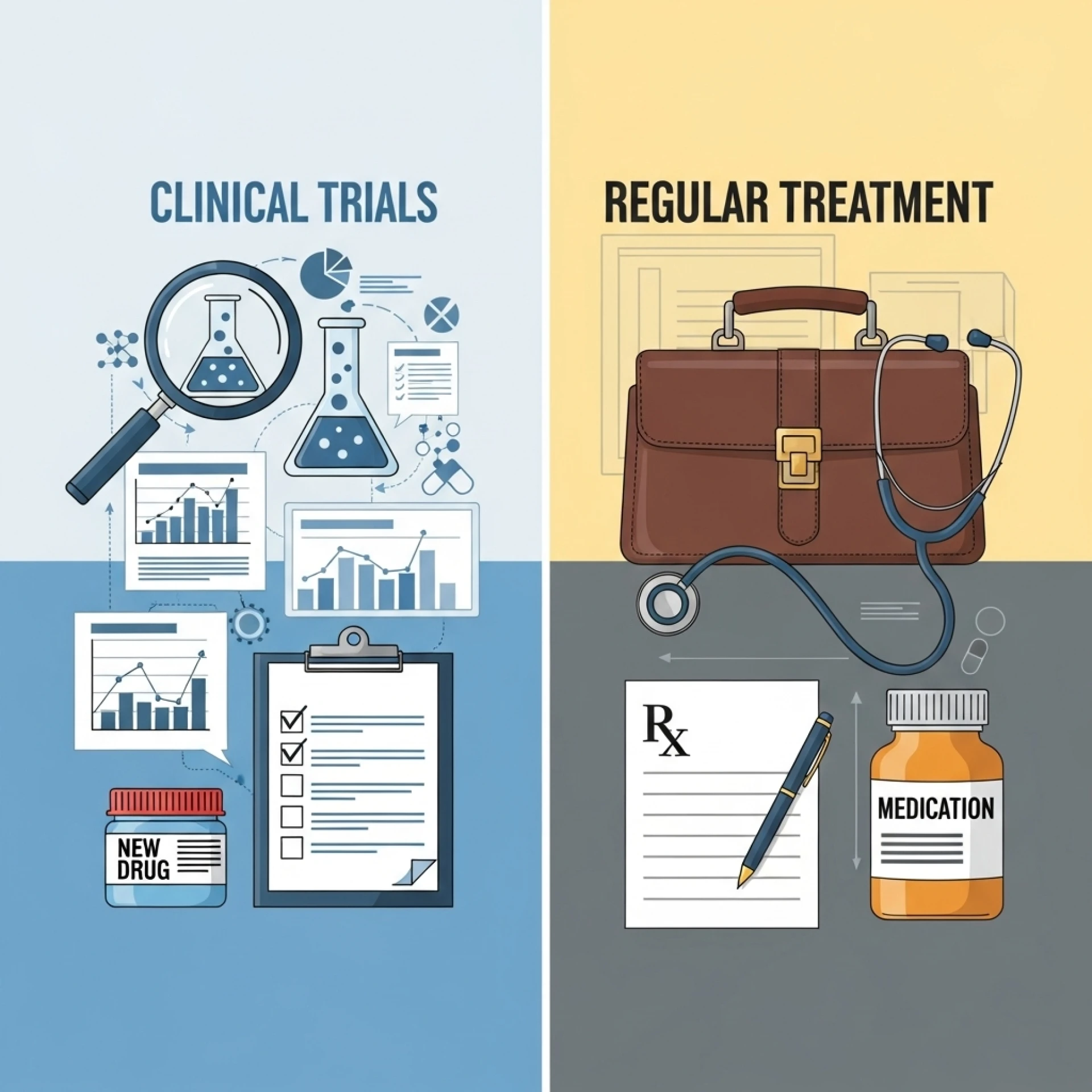

























Sign in to leave a comment.