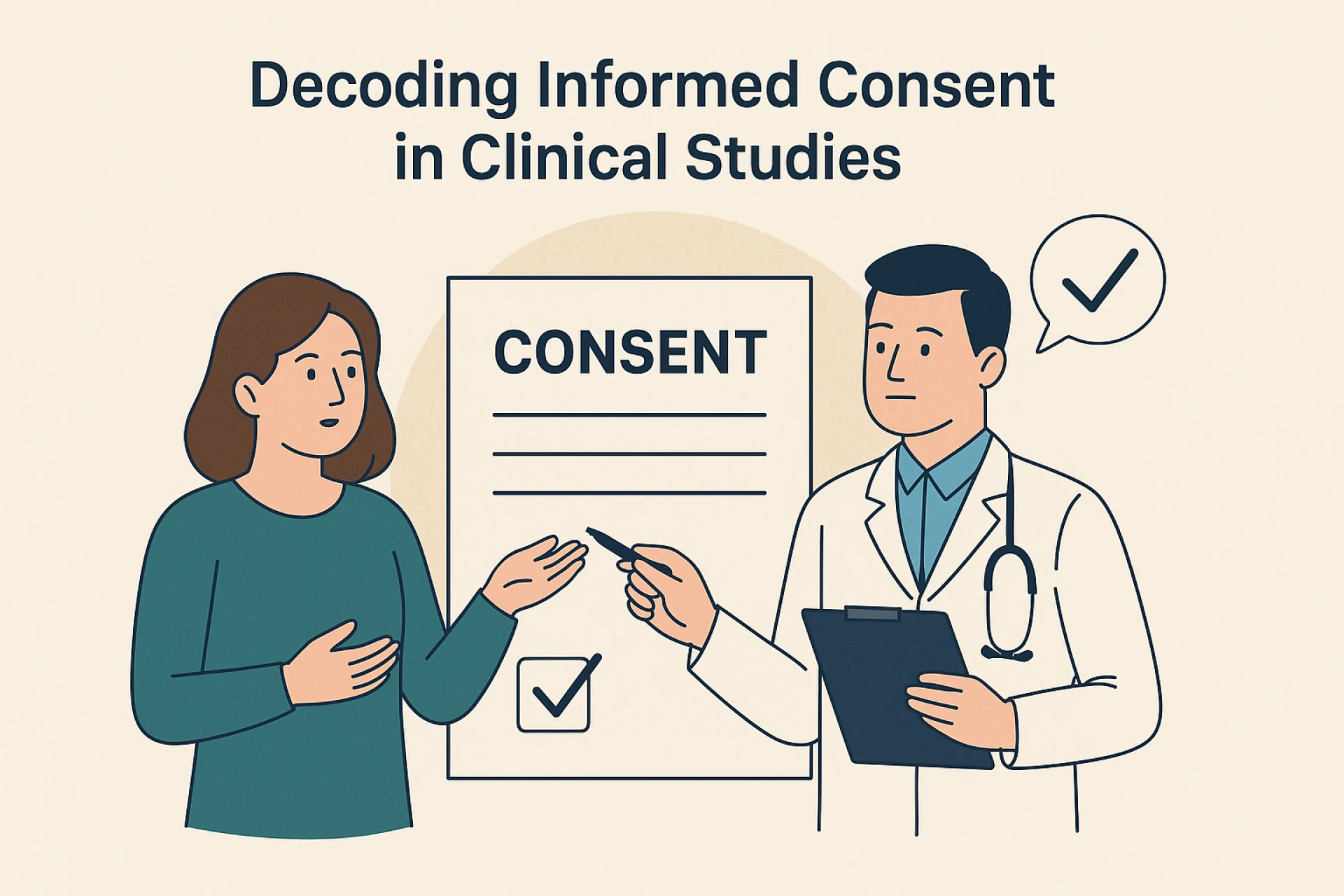

When someone takes part in a clinical study there are many important steps involved. One of the most important is something called informed consent. It is a simple idea, but it plays a huge role in making sure that participants understand what they are signing up for and feel safe throughout the study.
Informed consent isn’t just about signing a form it is about understanding the study clearly what will happen, what risks there might be and what rights the participant has people who study through a clinical research course often learn that this step is not just a rule it is the foundation of trust between researchers and participants.
What Does Informed Consent Mean?
Informed consent means that a person agrees to take part in a clinical study after fully understanding what the study involves. Before they agree, participants are told what the research is about, what will be done, how long it will last and what side effects could happen. They are also told that joining the study is their choice and that they can leave at any time even after signing the form.
This process helps people make decisions that are right for them it also shows that researchers respect the person and value their role in the study.
Why It is More Than Just a Signature
Some people think that informed consent is just a form that needs to be signed, but that is not true. It is a full conversation between the research team and the participant. It is a chance to ask questions, get clear answers and feel confident about joining.
As part of their clinical research training future researchers learn how to carry out informed consent properly. They are trained to speak in simple language, avoid medical jargon and make sure the person really understands. They also learn that it is okay if someone chooses not to join that decision must be respected too.
Training also covers how to check in with participants during the study to make sure they still feel good about being involved informed consent is not a one time step it continues throughout the research process.
Key Elements of Informed Consent
There are several important parts of a proper informed consent process these include:
· Purpose of the study – Participants should know why the study is being done.
· Procedures – What exactly will happen during the study and how often.
· Risks and side effects – Any possible health problems that could occur.
· Benefits –Whether the person may gain anything from taking part.
· Confidentiality – How their personal and medical information will be kept private.
· Voluntary participation – The choice to join is up to the person without pressure.
When all of these elements are explained clearly participants can make a truly informed choice.
Helping Participants Understand
Not everyone comes from a medical background some participants may not be familiar with clinical research terms. That is why it is important for research staff to speak in plain everyday language. They might use pictures, videos or written guides to help explain things.
People studying for a diploma in clinical research are taught to communicate in a way that is kind, clear and respectful. They learn how to read a persons body language and notice if someone looks confused or unsure this allows them to pause, explain things again and build trust.
In many cases, research teams include nurses or coordinators who are specially trained to handle these conversations. Some participants even bring family members or caregivers to help them decide and that is okay too.
The Role of Ethics Committees
Before a clinical study can begin, the informed consent form must be reviewed by an ethics committee or Institutional Review Board (IRB). This group makes sure that the information is complete easy to understand and fair to participants.
The committee checks that the form includes all key details and that no promises are being made about the outcome of the study. They also make sure that people are not being forced or misled in any way.
Students who take a certification in clinical research also learn about these ethical checks they are taught how to prepare study documents, handle participant concerns and follow international research guidelines.
Remote Consent and Technology
Today, technology has made it easier for people to join clinical studies even from home this is known as remote or electronic informed consent. Participants can read study details on a website, watch videos that explain the process and sign documents online this method has become more common especially after the COVID-19 pandemic. It allows people to take part in studies even if they live far from a hospital or can not travel easily.
As a result, more people are enrolling in an online clinical research course to learn how to manage these digital tools. These courses teach how to protect patient privacy online, how to answer questions through virtual meetings and how to collect signed forms safely and legally.
What Participants Should Always Know
Anyone thinking about joining a clinical study should know these simple facts:
· You have the right to ask questions. If something is not clear, speak up.
· You do not have to join. You can say no and that choice will be respected.
· You can leave anytime. Even after signing you can stop whenever you want.
· You should never feel rushed. Take your time to decide.
· Your privacy is protected. Your health details are kept confidential.
It is okay to bring someone with you when talking to the research team it is also okay to take the form home and think about it before deciding. Some clinical studies even allow time for group discussions, phone calls with the doctor or second opinions before asking for consent. The research team should always make you feel safe, supported and respected that is what good clinical practice is all about.
How Clinical Research is Becoming More People Friendly
Modern clinical research is not just about testing new medicines. It is about working with people in a way that is honest, caring and thoughtful that is why researchers today need more than just science knowledge they need real communication skills.
A trusted clinical research institute will train students in all areas of research, including how to speak to participants clearly and how to handle ethical concerns. These institutes prepare students for real world challenges not just paperwork or theory.
By learning how to manage informed consent properly future researchers help build trust, improve study results and most importantly protect the people who make clinical research possible.




















Sign in to leave a comment.