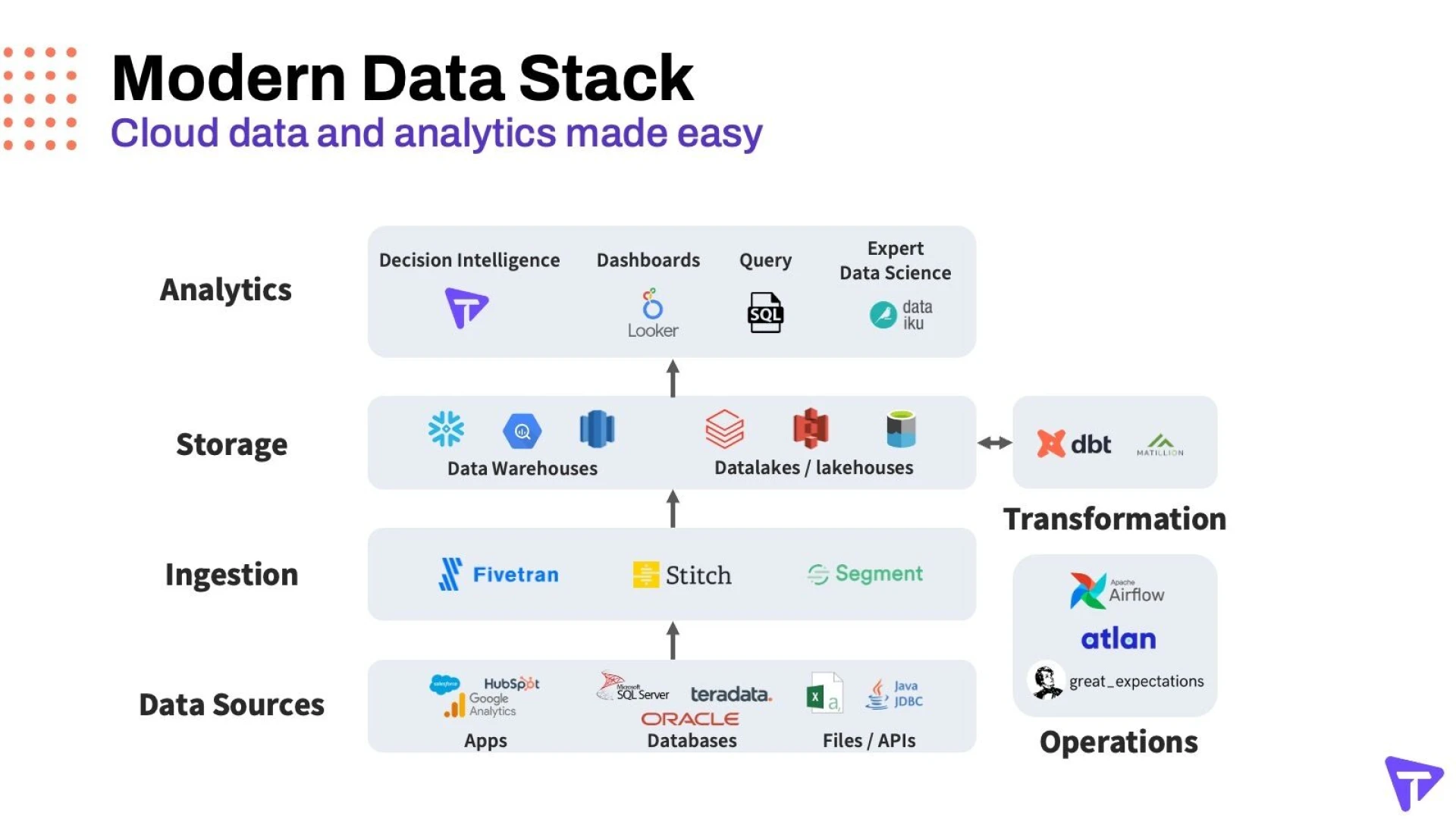

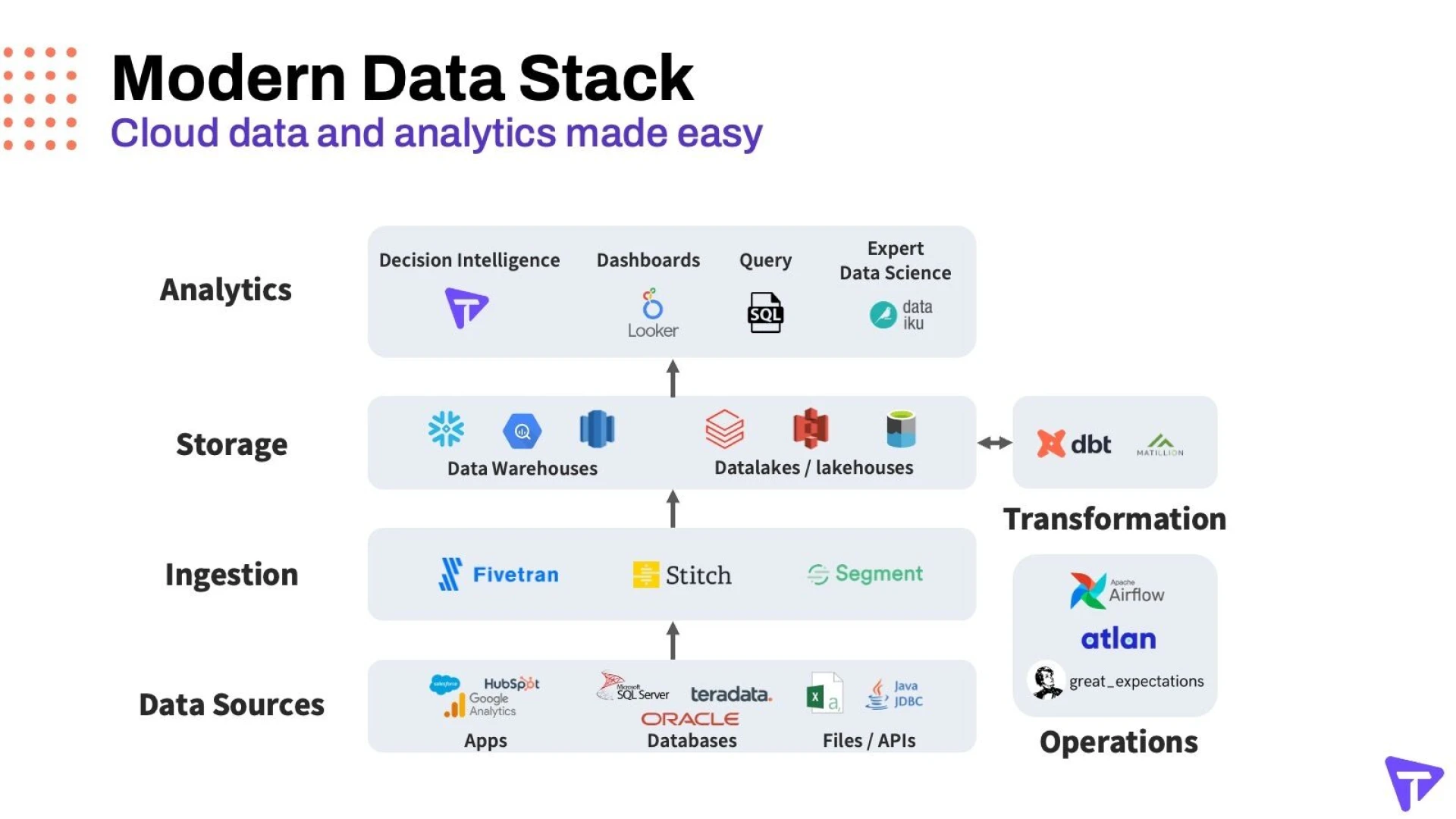
In today’s data-driven world, businesses rely on predictive data modeling to forecast trends, optimize operations, and enhance decision-making. Cloud Analytics plays a crucial role in improving predictive data modeling by providing scalable computing power, real-time data processing, and advanced machine learning capabilities. This article explores how Cloud Analytics enhances predictive data modeling and why organizations are increasingly adopting this technology.
Scalability and Flexibility
One of the biggest advantages of Cloud Analytics in predictive data modeling is its scalability. Traditional on-premises systems often struggle to handle large volumes of data, leading to slow processing times and limited insights. With Cloud Analytics, businesses can scale their computing resources up or down based on demand, ensuring seamless data processing without infrastructure limitations.
Flexibility is another key benefit. Cloud Analytics allows organizations to integrate multiple data sources, including structured and unstructured data, from various platforms. This enables a more comprehensive predictive model that incorporates diverse data sets, leading to accurate forecasting and improved decision-making.
Real-Time Data Processing
Predictive modeling relies on timely and accurate data. Cloud Analytics enables real-time data processing, ensuring that predictive models are continuously updated with the latest information. Unlike traditional systems that may take hours or days to process data, Cloud Analytics platforms use distributed computing and parallel processing to analyze data instantly.
This real-time capability is particularly beneficial for industries such as finance, healthcare, and e-commerce, where timely insights can lead to better risk management, patient care, and customer experiences. For example, financial institutions use Cloud Analytics to detect fraudulent transactions in real-time, while healthcare organizations leverage it to predict disease outbreaks and optimize treatment plans.
Advanced Machine Learning and AI Integration
Machine learning and artificial intelligence (AI) are at the core of predictive data modeling. Cloud Analytics platforms offer built-in machine learning and AI tools that enable organizations to develop and deploy sophisticated predictive models. These tools eliminate the need for extensive in-house infrastructure and expertise, making it easier for businesses to leverage AI-driven insights.
Through cloud-based machine learning models, companies can identify patterns, detect anomalies, and make data-driven predictions with greater accuracy. Automated model training and deployment further enhance the efficiency of predictive analytics, reducing manual effort and improving overall performance.
Cost Efficiency and Resource Optimization
Investing in on-premises data analytics infrastructure can be expensive and resource-intensive. Cloud Analytics eliminates the need for costly hardware and maintenance, offering a cost-effective solution for predictive modeling. Organizations only pay for the resources they use, reducing overall IT expenses while maintaining high-performance analytics capabilities.
Additionally, Cloud Analytics optimizes resource allocation by dynamically distributing workloads across multiple servers. This not only enhances processing speed but also minimizes downtime and system failures. As a result, businesses can focus on deriving insights rather than managing infrastructure.
Improved Collaboration and Accessibility
Predictive data modeling often requires collaboration among data scientists, analysts, and business stakeholders. Cloud Analytics facilitates seamless collaboration by enabling remote access to data and models. Team members can work on the same datasets, share insights, and refine predictive models from anywhere in the world.
Cloud-based platforms also provide enhanced security and compliance features, ensuring that sensitive data remains protected while being accessible to authorized users. This level of accessibility and security is essential for organizations dealing with critical data, such as healthcare providers and financial institutions.
Enhanced Data Integration and Quality
The accuracy of predictive models depends on the quality and diversity of data. Cloud Analytics supports seamless integration with various data sources, including IoT devices, CRM systems, social media platforms, and enterprise applications. By consolidating data from multiple channels, organizations can build more comprehensive and reliable predictive models.
Moreover, Cloud Analytics platforms offer advanced data cleansing and transformation capabilities. These features help identify inconsistencies, remove duplicates, and standardize data formats, ensuring that predictive models are based on high-quality data.
Faster Time to Insights
Speed is a critical factor in predictive data modeling. Cloud Analytics accelerates the entire analytics lifecycle, from data ingestion to model deployment. Businesses can rapidly test hypotheses, refine models, and generate insights without waiting for lengthy processing times.
This faster time to insights enables companies to respond quickly to market changes, customer demands, and emerging trends. For instance, retailers can use predictive analytics to optimize inventory levels, while manufacturers can anticipate equipment failures and schedule preventive maintenance.
Conclusion
Cloud Analytics has transformed predictive data modeling by offering scalability, real-time processing, AI integration, cost efficiency, and enhanced collaboration. By leveraging cloud-based analytics solutions, businesses can improve forecasting accuracy, optimize operations, and drive data-driven decision-making. As organizations continue to generate vast amounts of data, the role of Cloud Analytics in predictive modeling will become even more critical for staying competitive in the digital era.



























Sign in to leave a comment.