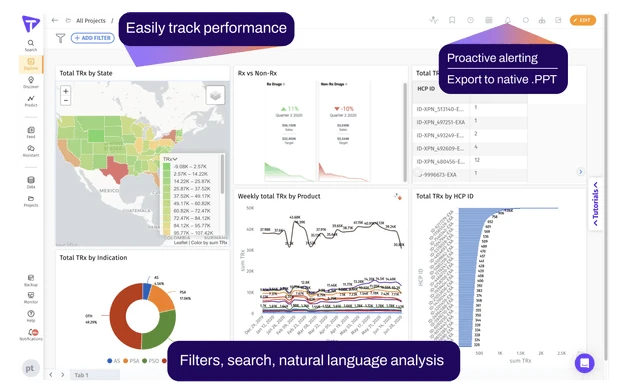

In today's fast-paced business environment, sales teams need data-driven insights to improve their performance and drive revenue. Field sales analytics is revolutionizing how businesses manage and optimize their sales strategies by providing real-time data, actionable insights, and predictive analytics. In this blog, we'll explore how field sales analytics transforms sales performance and why it's a must-have for any sales-driven organization.
Understanding Field Sales Analytics
Field sales analytics refers to the use of data and technology to track, measure, and optimize sales performance in the field. By leveraging customer data, sales history, and real-time location tracking, businesses can gain a deeper understanding of customer behavior and sales trends.
Key components of field sales analytics include:
- Sales performance tracking – Monitoring key sales metrics such as conversion rates, revenue per salesperson, and customer acquisition costs.
- Customer insights – Analyzing customer interactions and purchase history to predict future buying behavior.
- Territory management – Optimizing sales territories based on data-driven insights.
- Predictive analytics – Using AI and machine learning to forecast sales trends and opportunities.
How Field Sales Analytics Improves Sales Performance
Boosts Productivity and Efficiency: Sales representatives often spend valuable time on administrative tasks and inefficient customer visits. Field sales analytics automates reporting, optimizes routes, and provides real-time data, allowing sales teams to focus on closing deals.
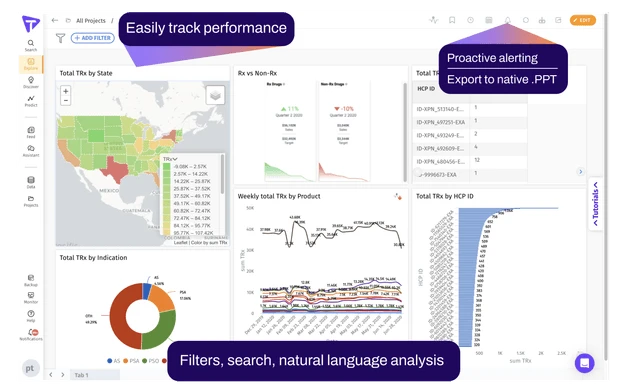
Enhances Decision-Making: With access to accurate and up-to-date sales data, managers can make better decisions regarding sales strategies, resource allocation, and customer engagement. This ensures that efforts are focused on high-value prospects.
Improves Customer Engagement: By analyzing customer data, sales teams can personalize their approach, leading to stronger relationships and higher conversion rates. Understanding customer needs helps representatives tailor their pitches, increasing the chances of closing deals.
Optimizes Territory Management: Sales analytics tools help businesses identify high-potential territories and allocate resources effectively. This reduces inefficiencies and ensures that sales teams are targeting the right markets.
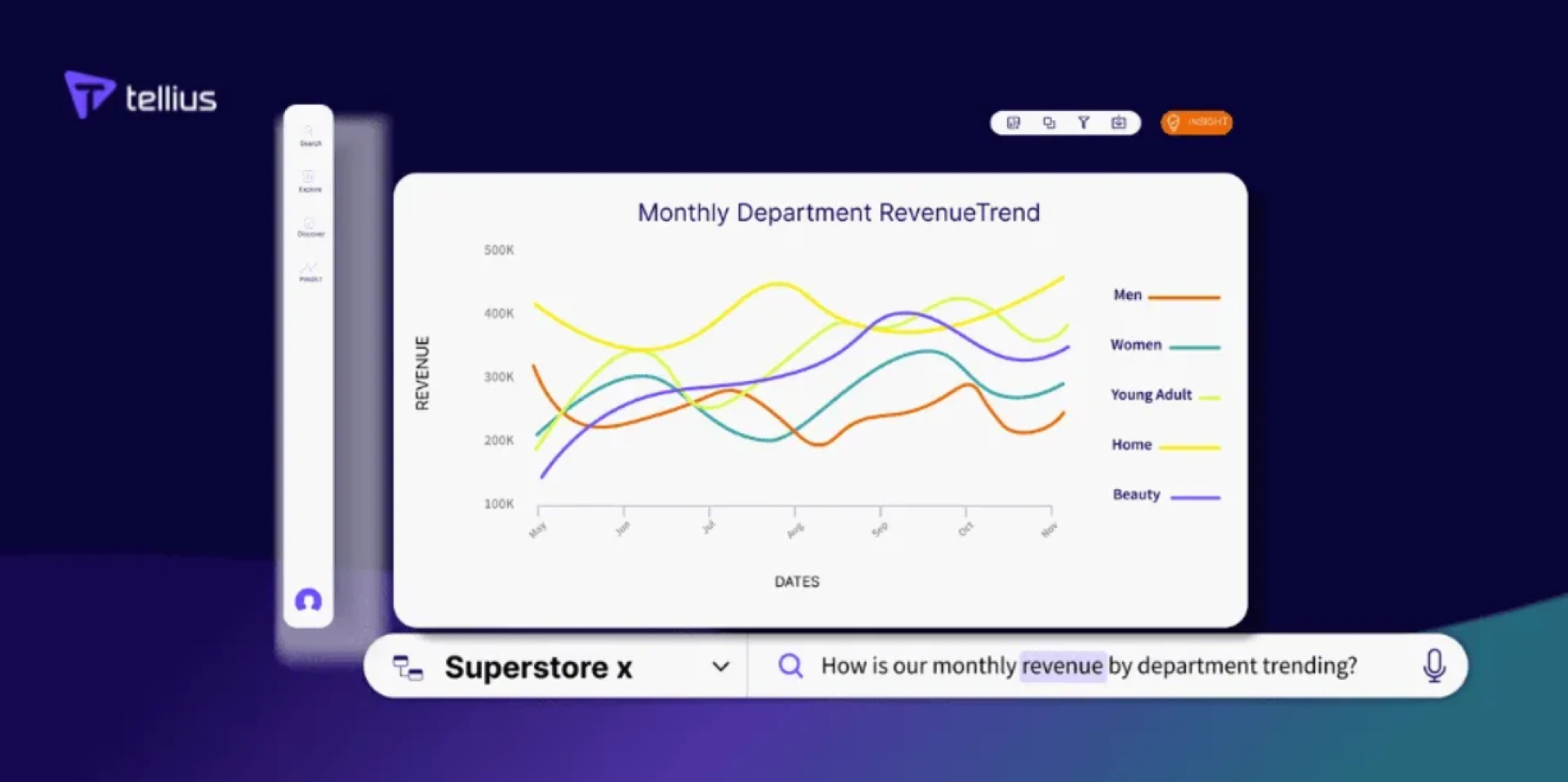
Predicts Sales Trends: With predictive analytics, businesses can anticipate demand, adjust strategies accordingly, and stay ahead of competitors. This proactive approach helps in minimizing risks and maximizing revenue.
Conclusion
Field sales analytics is a game-changer for businesses looking to improve sales performance. By leveraging data-driven insights, companies can enhance productivity, make informed decisions, and optimize customer engagement. Investing in field sales analytics ensures long-term growth and a competitive edge in the marketplace.




























Sign in to leave a comment.