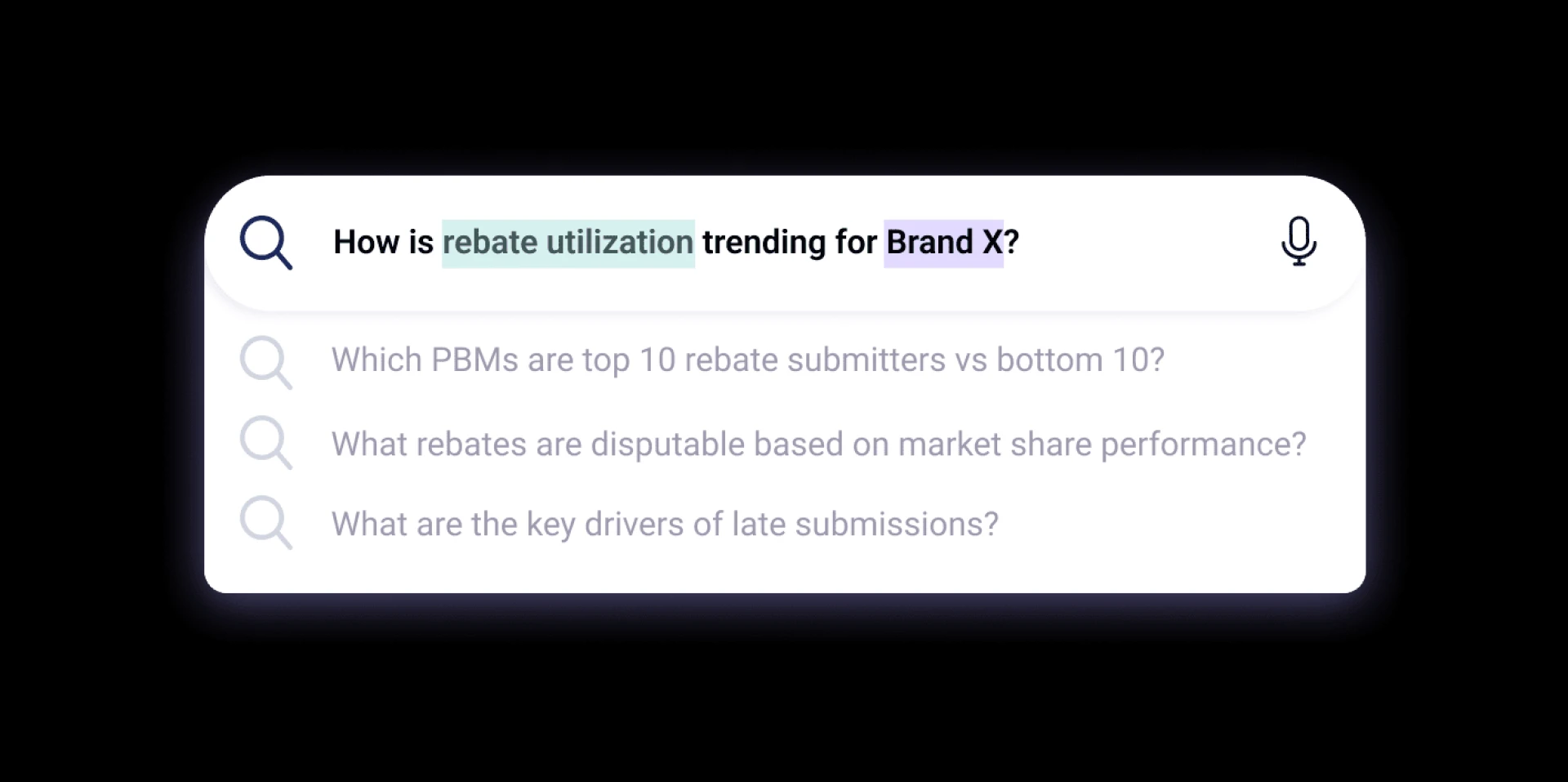

In the evolving landscape of healthcare, data-driven decision-making is crucial for improving patient outcomes and optimizing financial performance. Payer analytics plays a vital role in helping healthcare payers—such as insurance companies, government agencies, and managed care organizations—leverage data insights to enhance efficiency, reduce costs, and improve care quality. By utilizing advanced analytics, payers can make informed decisions that benefit both providers and patients.
What is Payer Analytics?
Payer analytics refers to the use of data analysis, artificial intelligence (AI), and machine learning (ML) to evaluate healthcare trends, manage risks, and optimize reimbursement models. By analyzing claims, patient demographics, and treatment patterns, payer analytics helps insurers and healthcare providers improve financial and operational efficiency while ensuring better patient care.
How Payer Analytics Works
- Claims Data Analysis: Evaluates insurance claims to detect fraud, reduce costs, and optimize payment processes.
- Risk Assessment: Uses predictive analytics to identify high-risk patients and allocate resources efficiently.
- Cost Containment: Identifies cost-saving opportunities without compromising care quality.
- Provider Performance Evaluation: Assesses healthcare providers based on patient outcomes and cost-effectiveness.
- Member Engagement Insights: Helps payers personalize outreach strategies to improve patient engagement and adherence.
Key Benefits of Payer Analytics
- Enhanced Cost Management: Reduces unnecessary expenses by identifying inefficiencies in claims processing and reimbursements.
- Improved Patient Outcomes: Supports value-based care initiatives by payer analytics aligning payment models with patient health outcomes.
- Fraud Detection and Prevention: Uses AI to identify fraudulent claims and prevent financial losses.
- Data-Driven Decision-Making: Provides actionable insights for optimizing healthcare services and coverage plans.
- Regulatory Compliance: Ensures adherence to healthcare regulations by automating compliance tracking and reporting.
Use Cases of Payer Analytics
- Fraud, Waste, and Abuse Detection: AI-powered analytics detect fraudulent billing patterns and minimize financial losses.
- Predictive Risk Modeling: Identifies at-risk patients and enables proactive care management strategies.
- Claims Optimization: Streamlines claims processing, reducing delays and improving efficiency.
- Population Health Management: Helps payers develop targeted wellness programs based on population health trends.
- Provider Network Optimization: Analyzes provider performance data to create high-quality, cost-effective networks.
The Future of Payer Analytics
With the growing adoption of AI and big data, payer analytics is set to become even more sophisticated. Future advancements will focus on real-time data processing, deeper personalization of care plans, and enhanced interoperability between payers and providers. Organizations that embrace payer analytics will not only improve operational efficiency but also contribute to a more effective and patient-centric healthcare system.
Conclusion
Payer analytics is revolutionizing healthcare by providing deeper insights into cost management, risk assessment, and patient care. By leveraging data-driven strategies, payers can enhance efficiency, improve patient outcomes, and ensure regulatory compliance. As technology continues to evolve, payer analytics will remain a cornerstone of healthcare innovation, shaping a more efficient and value-driven industry.





























Sign in to leave a comment.